


AI Invasion: How Tech Giants Are Forcibly Colonizing Consumer Devices
- Unilateral AI integration signals a new era of technological sovereignty beyond user consent








Overview
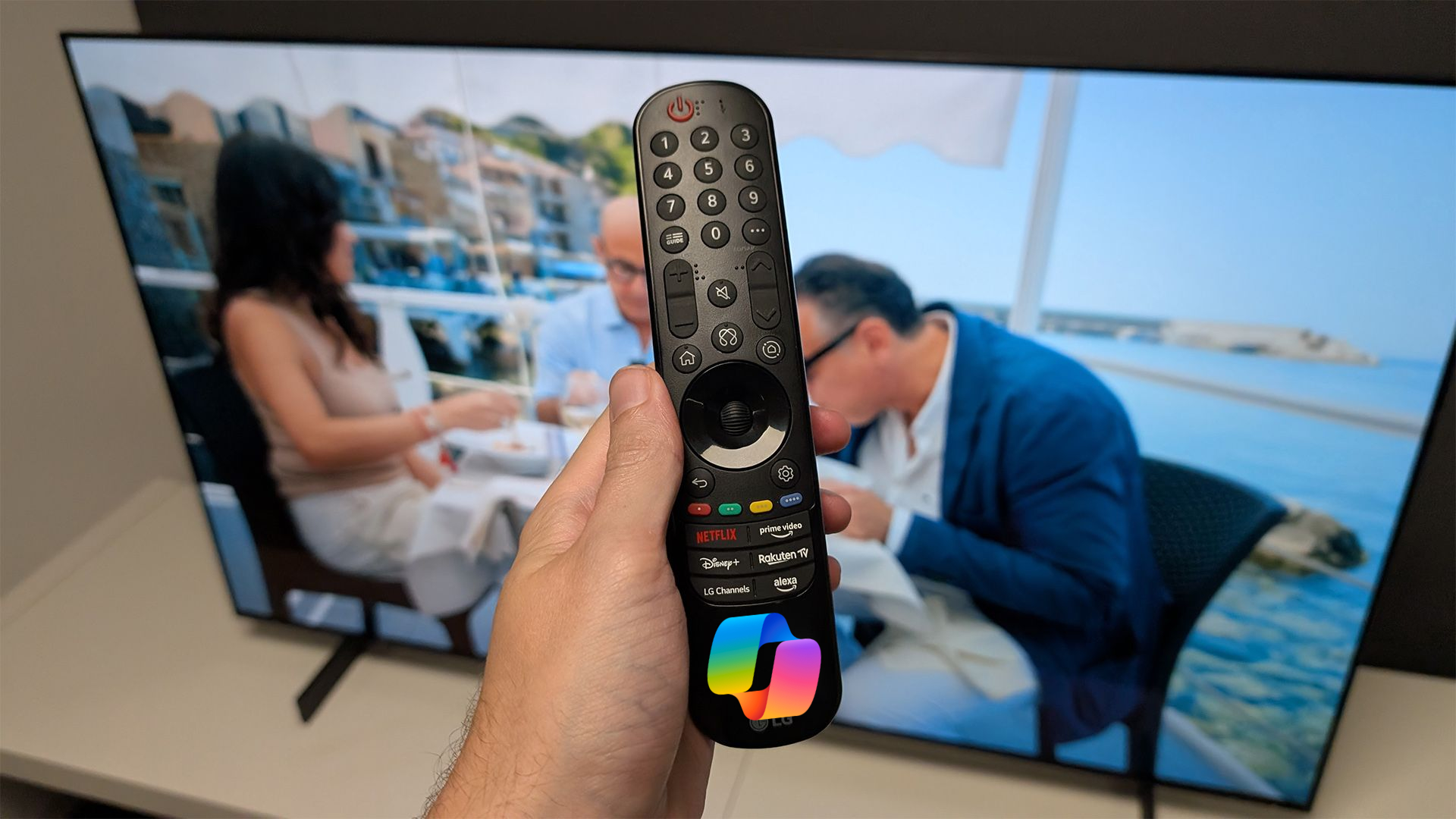
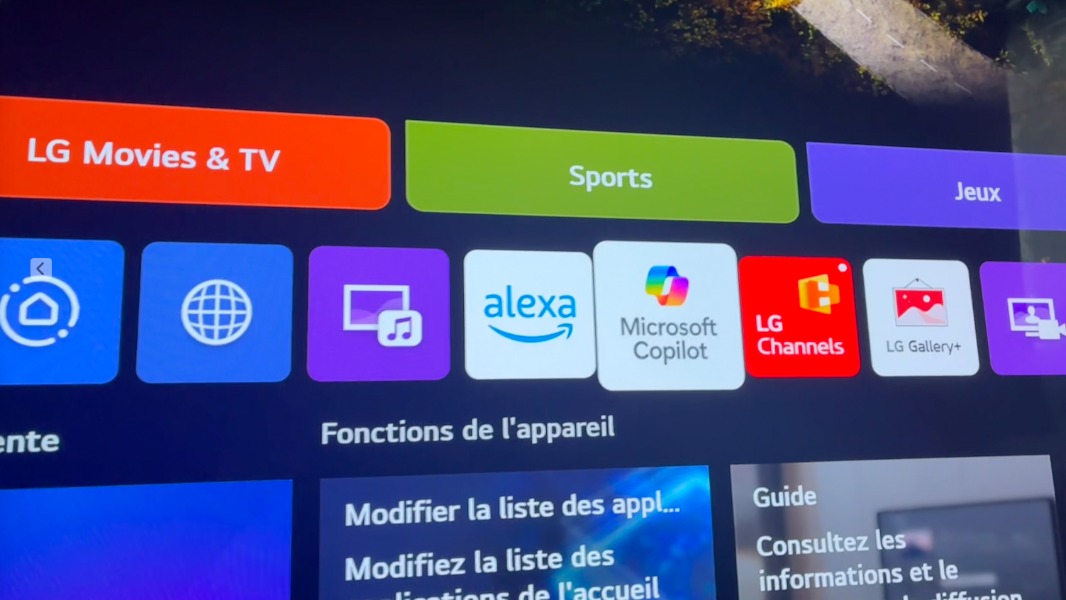
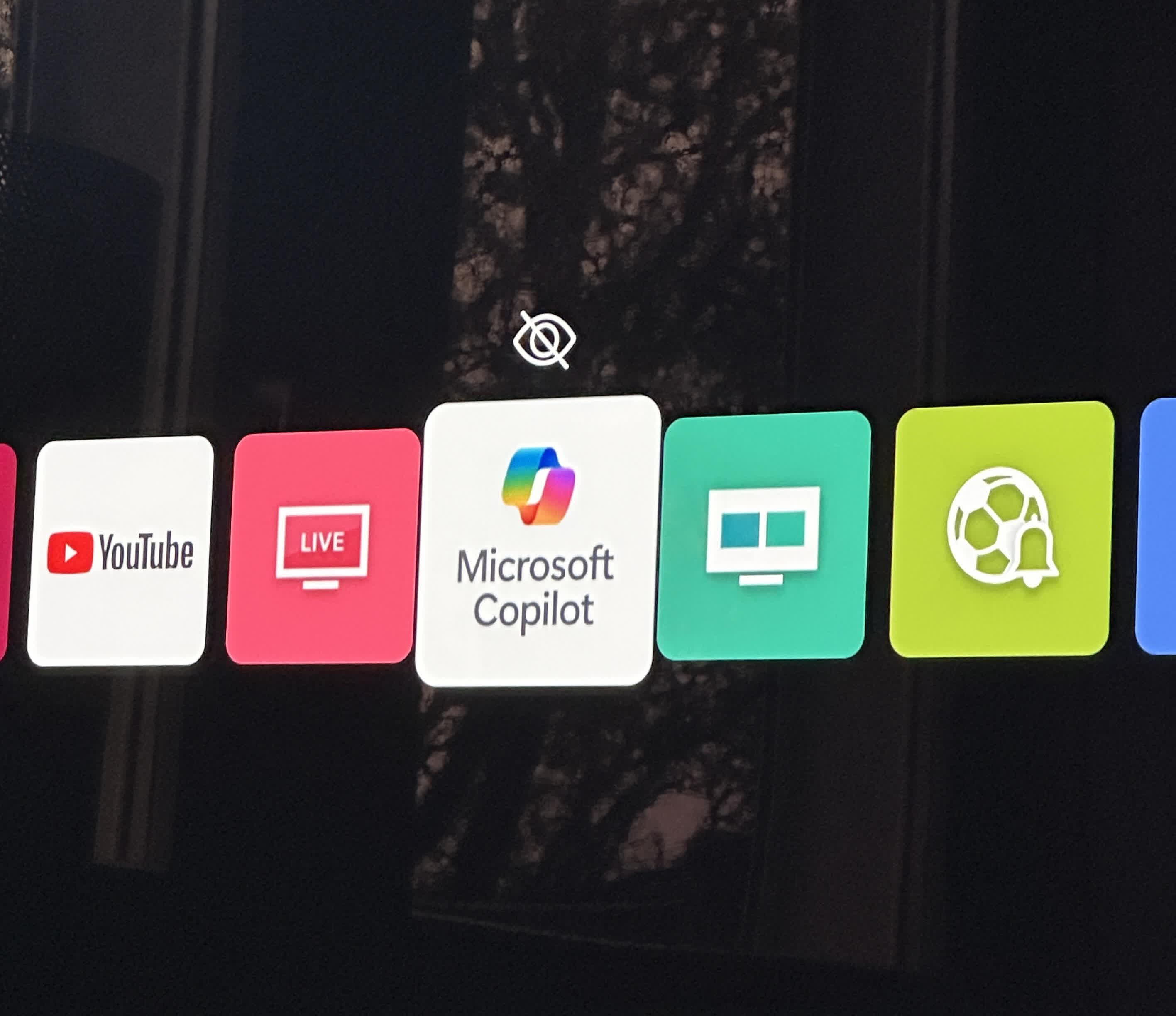
The tech industry is entering a provocative new phase of AI deployment where consumer choice has become secondary to platform ambitions. Microsoft's recent forced installation of the Copilot AI onto LG smart TVs represents more than a simple software update—it's a strategic territorial expansion into personal digital ecosystems.
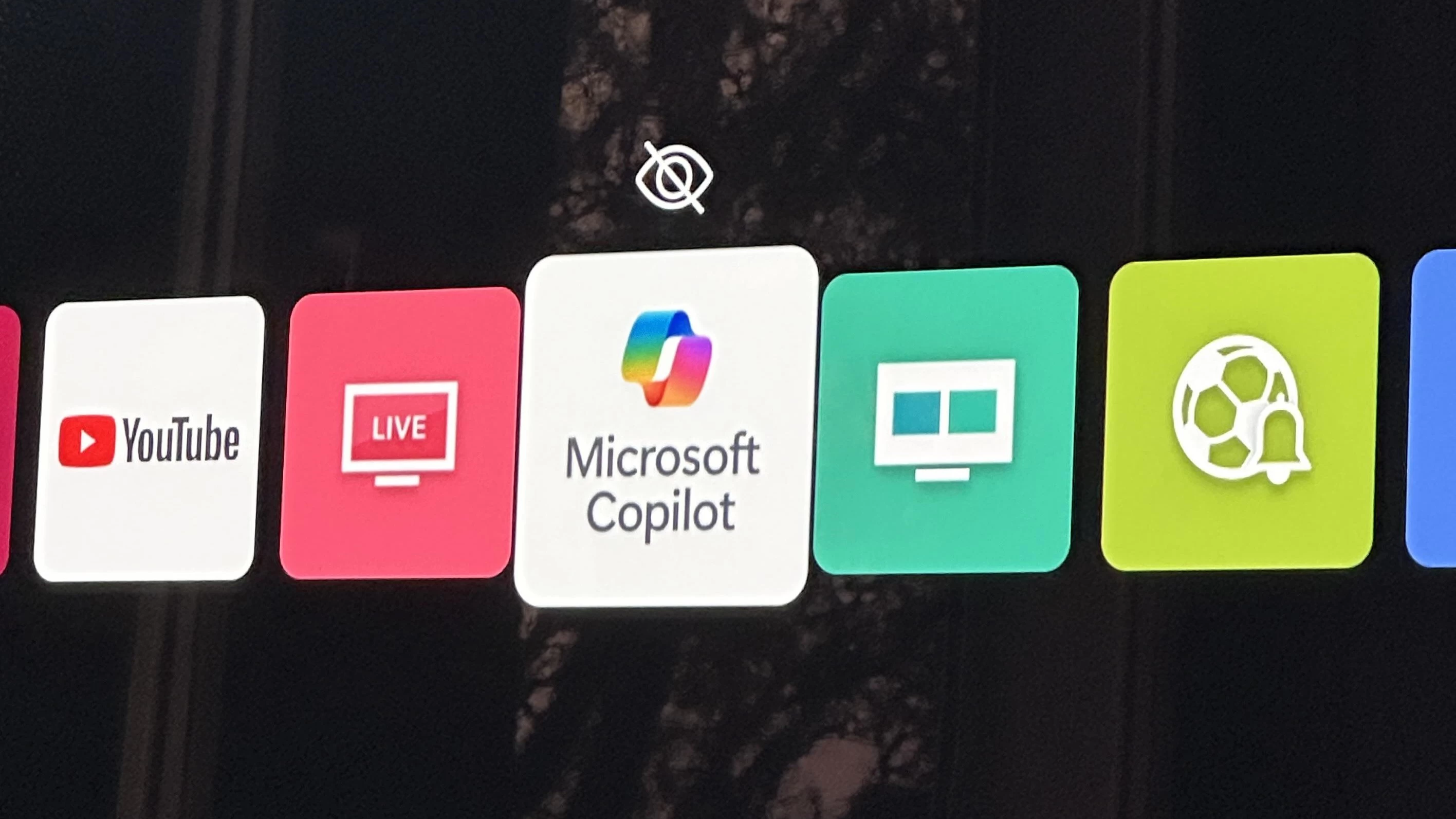
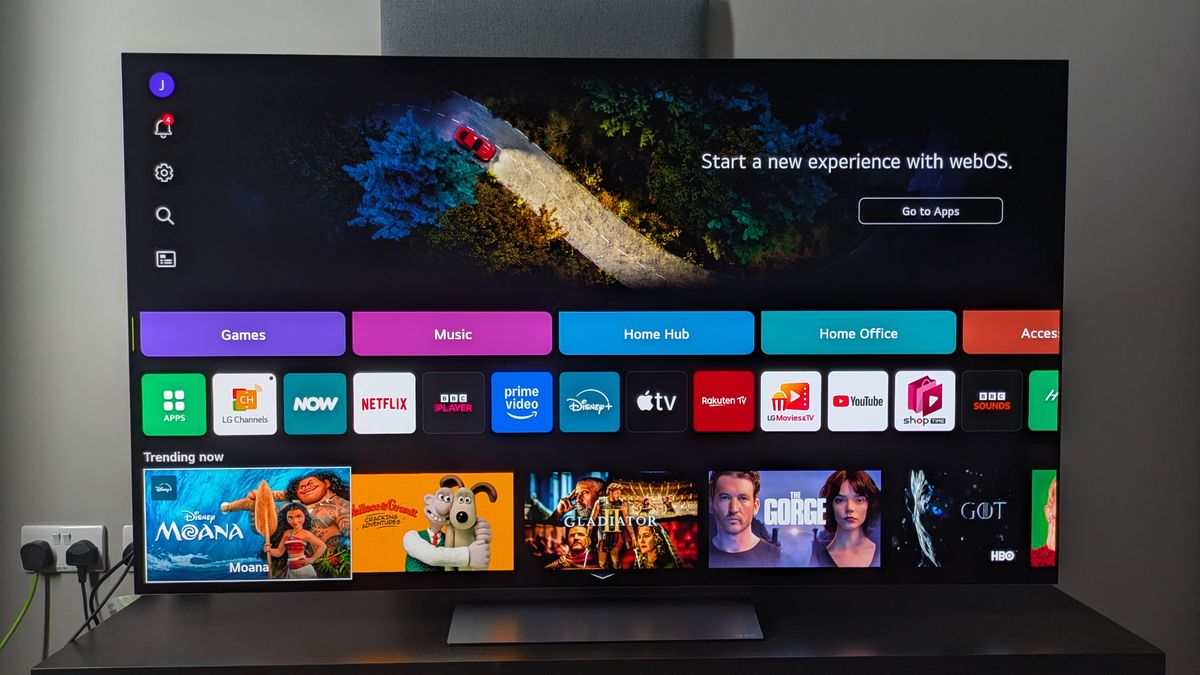
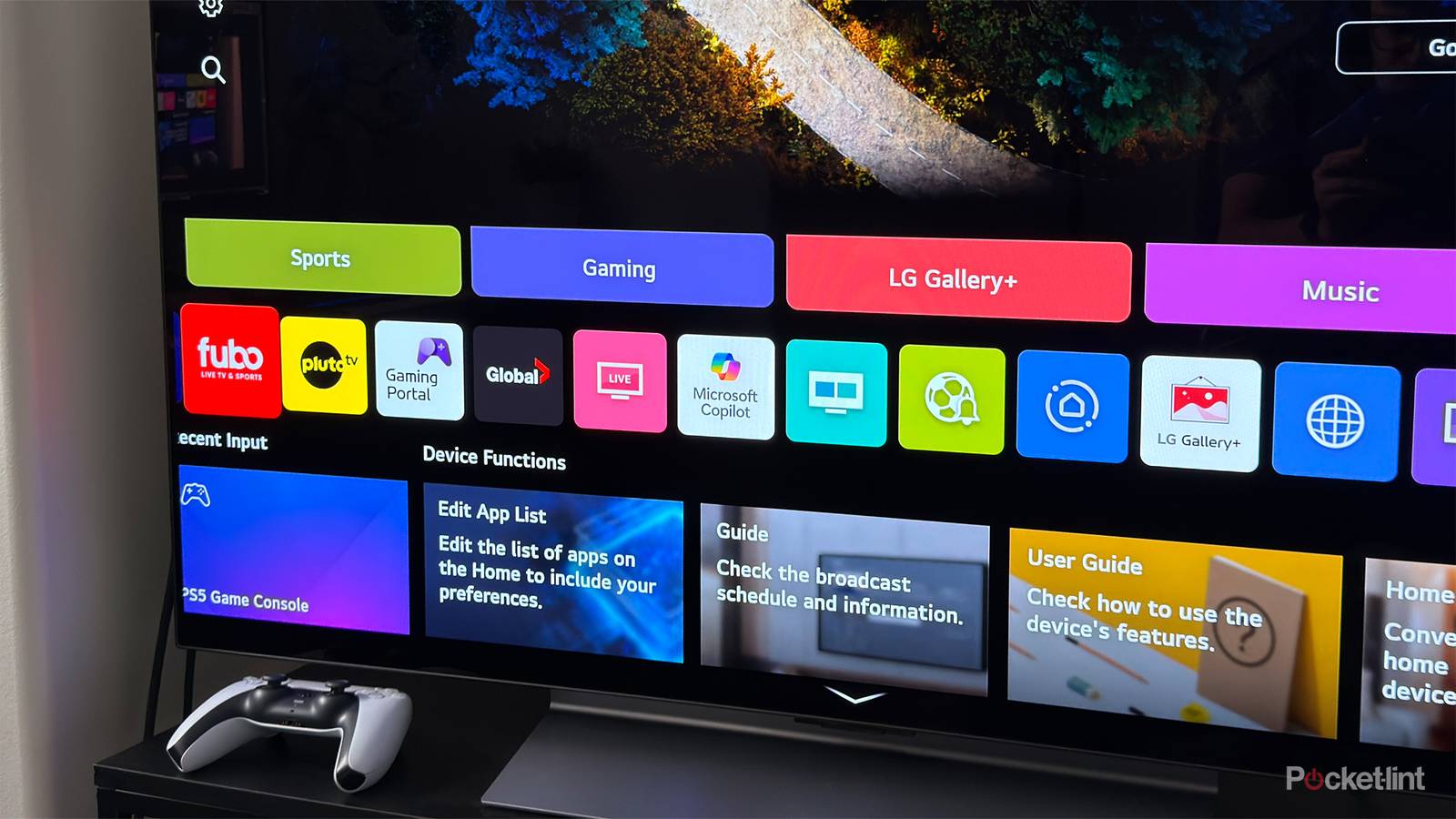
Mandatory AI integration is rapidly becoming the new normal across consumer electronics. LG's CES 2025 positioning as an "AI TV company" demonstrates how manufacturers are no longer just selling hardware, but curating entire AI-powered experiences. The integration goes beyond optional features: the Copilot app is now a non-removable system component, effectively transforming smart TVs from neutral platforms into AI-driven engagement channels.
This trend reveals a critical power dynamic shift. Tech companies are treating consumer devices as colonizable territories for AI expansion, with little regard for user preferences. By automatically pinning apps like Copilot alongside established streaming platforms, Microsoft and LG are normalizing involuntary AI presence. The strategy is clear: increase AI visibility and adoption through strategic placement, even if it means generating user frustration.
The broader implications are profound. We're witnessing the emergence of a new technological sovereignty where platform owners can unilaterally modify user experiences. Other manufacturers like Google and Samsung are following similar strategies, embedding AI tools like Gemini and Perplexity directly into device interfaces. This represents a fundamental reimagining of device ownership—users are increasingly becoming tenants in ecosystems controlled by AI-driven corporate strategies.
For consumers and businesses alike, this signals an urgent need to understand and potentially resist these unilateral AI integrations. The future of personal technology is being rewritten, not through user consent, but through calculated, platform-driven interventions.
Questions 3
How might consumers and regulators respond to these involuntary AI integrations?
Potential responses could include regulatory scrutiny around user consent, consumer protection lawsuits, demand for more transparent opt-out mechanisms, and the development of alternative, more user-controlled device platforms. Tech companies might face backlash if they continue to prioritize AI integration over user preferences.
What are the potential risks of mandatory AI app installations?
Risks include reduced user privacy, potential data collection without explicit consent, diminished device control, and the creation of closed technological ecosystems that limit consumer choice. Users might experience unwanted interface changes and potential performance impacts from mandatory background applications.