


China AI & Chip Export Controls | Critical Supply Chain Disruption for Tech Sellers
- Threatens 15-25% cost increases for sellers sourcing semiconductors from China; affects electronics, smart devices, and AI-enabled products across Amazon, eBay, and Shopify






















)
Overview
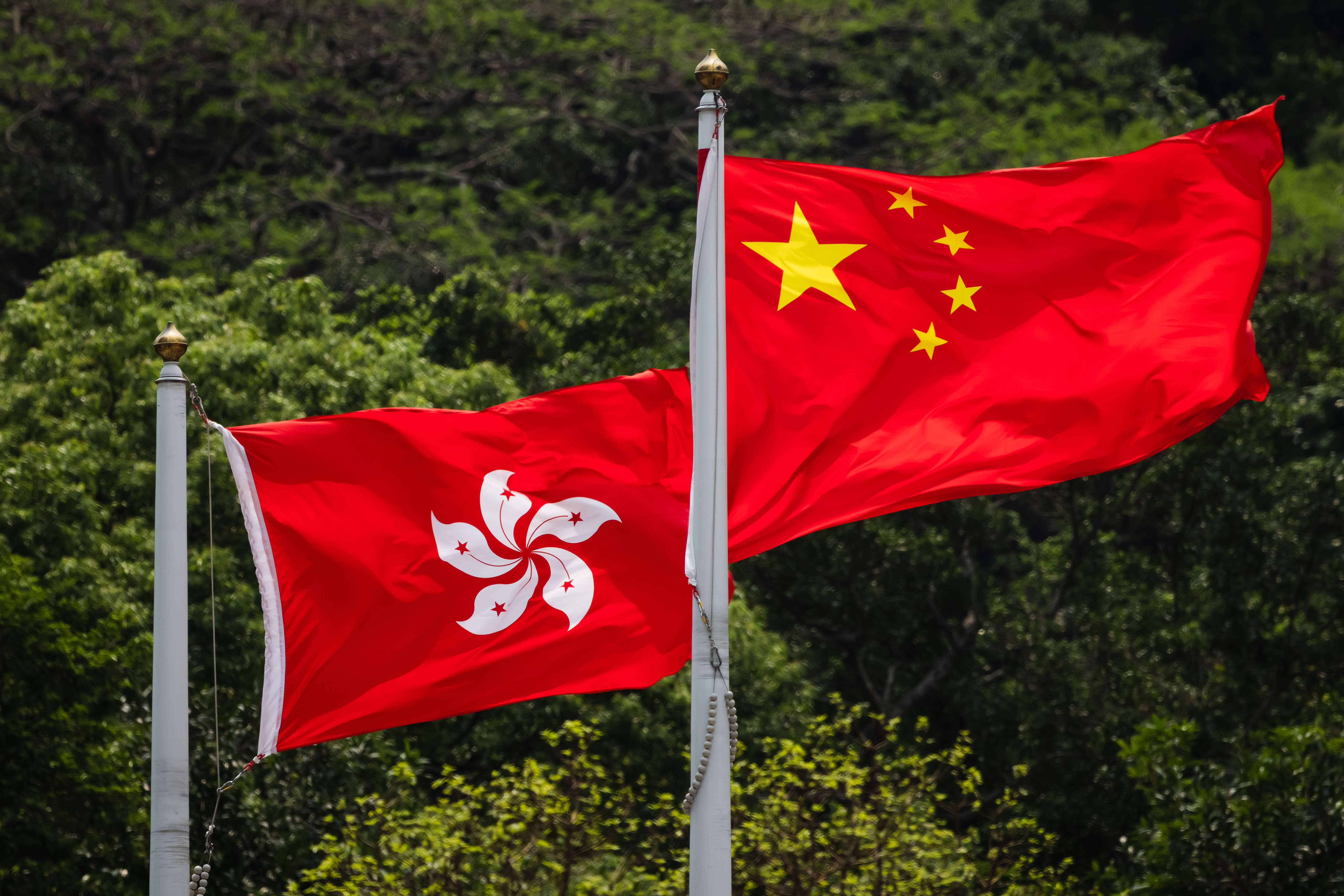
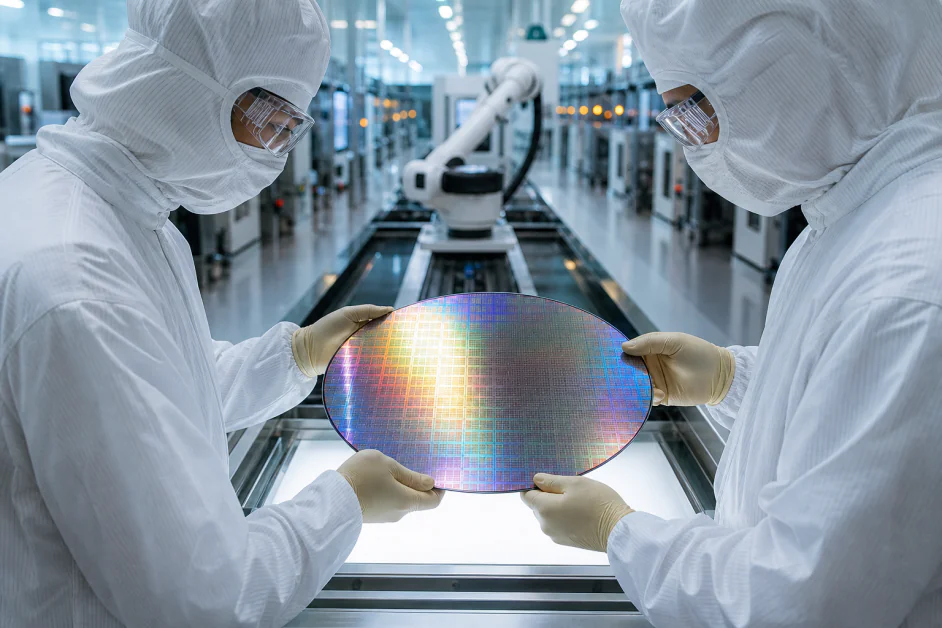
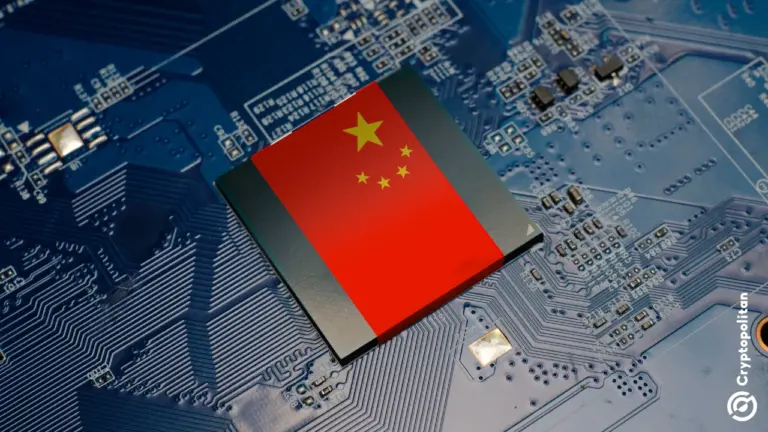
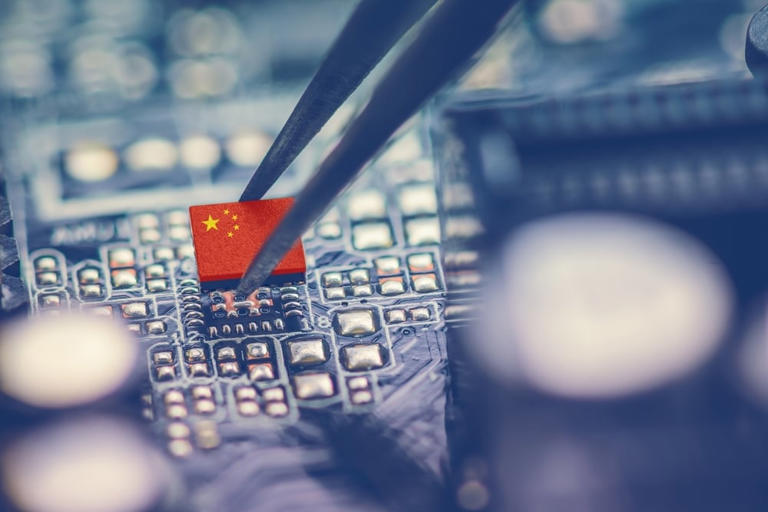
China's Ministry of Commerce is considering sweeping export controls on artificial intelligence models and semiconductor chips, marking a significant escalation in technology protectionism that directly threatens cross-border e-commerce supply chains. According to Financial Times reporting on July 21, 2026, Chinese authorities have been consulting with major tech companies including Alibaba, ByteDance, Huawei, and Zhipu about restricting overseas access to advanced AI models, preventing model weight downloads, and blocking overseas chipmakers like Qualcomm and TSMC from producing semiconductors based on Chinese company designs. These restrictions could be incorporated into China's next revision of its prohibited or restricted export technology catalogue, with potential additional measures targeting overseas acquisitions of strategic technologies in emerging areas such as agentic AI.
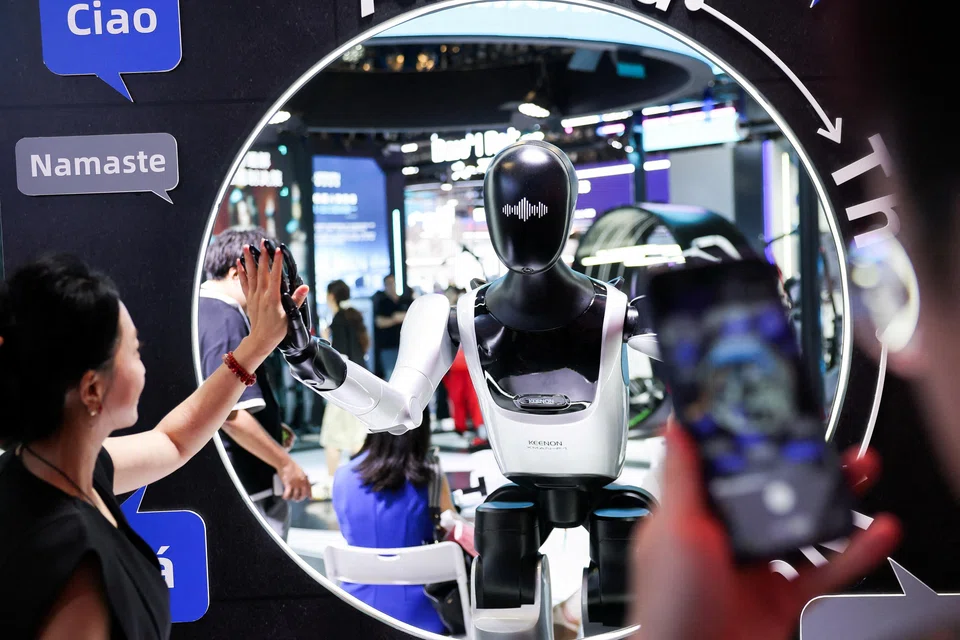
For cross-border e-commerce sellers, this policy shift creates immediate operational and financial challenges. Sellers currently sourcing AI chips, smart devices, or AI-enabled products from Chinese manufacturers face potential export delays, increased compliance costs requiring government licensing, and supply chain disruptions that could compress margins by 15-25%. The impact spans multiple product categories: consumer electronics (HS codes 8471-8517), smart home devices, IoT products, and any merchandise integrating Chinese-manufactured semiconductors or AI-powered inventory management systems. Small to medium-sized sellers (SMEs) with single-source Chinese suppliers face the highest risk, as they lack the negotiating power to secure alternative sourcing agreements quickly. Large sellers with diversified supply chains may absorb costs more easily but will still experience 3-8 week delays in product availability and increased logistics complexity.
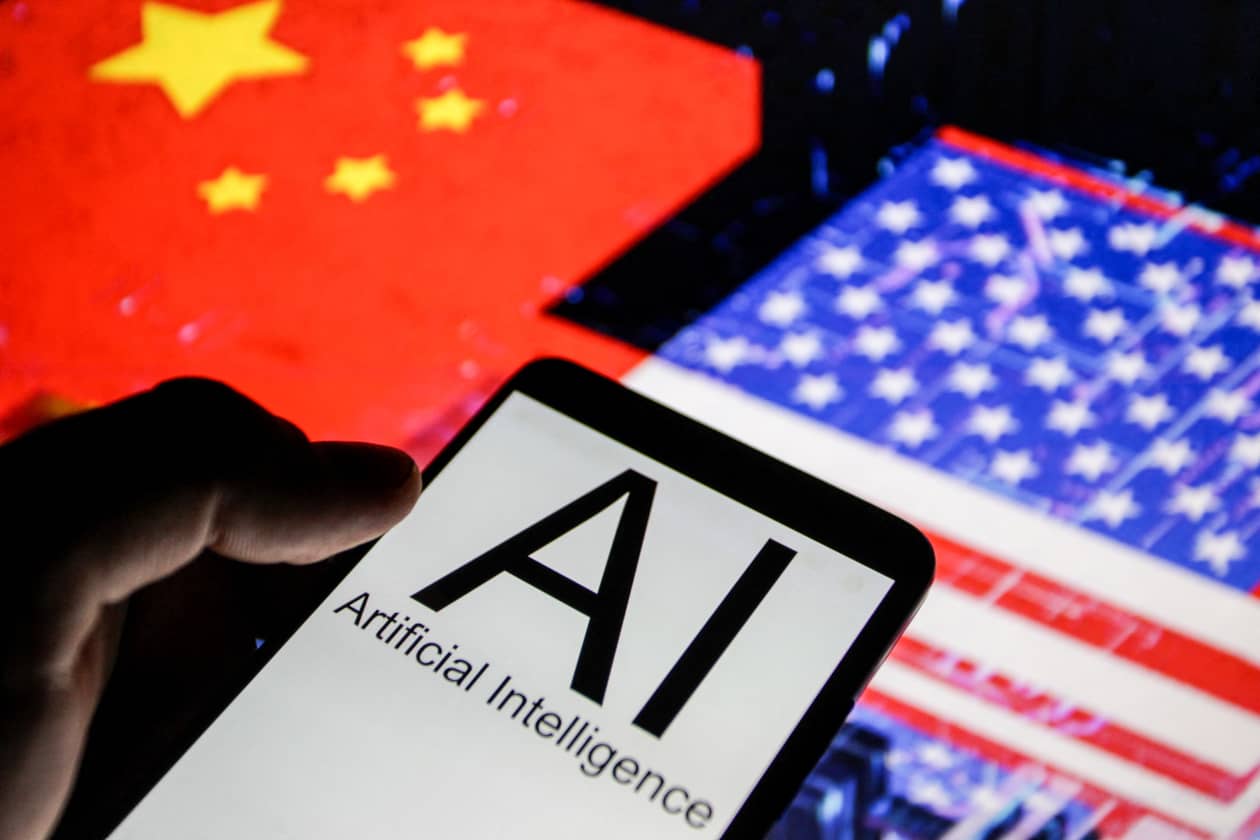
The policy reflects China's strategic response to U.S. export restrictions on advanced semiconductors and AI technology, creating a cycle of technological protectionism that mirrors previous Chinese controls on gallium, germanium, and graphite. This indicates a structural shift in global supply chains: sellers must now evaluate Vietnam, India, Taiwan, and South Korea as alternative sourcing destinations for semiconductor-dependent products. The timing is critical—regulators are currently weighing feedback from affected companies before finalizing decisions, creating a narrow window (estimated 4-8 weeks) for sellers to diversify suppliers before restrictions take effect. Companies with existing export operations in technology sectors should immediately assess compliance needs and explore alternative supply chain strategies, as delays in action could result in inventory shortages during peak selling seasons (Q4 2026 for holiday sales).
Competitive dynamics shift significantly under these controls. Sellers with established relationships in Vietnam's semiconductor assembly sector or India's electronics manufacturing hubs gain competitive advantages, as they can source compliant products without navigating new Chinese export licensing. U.S.-based sellers may benefit from tariff arbitrage opportunities if they shift sourcing to allied nations, though this requires 60-90 days of supply chain reconfiguration. Chinese sellers exporting to Western markets face the most severe constraints, as they cannot access advanced AI models or chips needed to differentiate products, potentially ceding market share to competitors with alternative sourcing. The policy also creates opportunities for sellers to pivot toward non-restricted product categories or to emphasize locally-sourced or allied-nation-sourced products in marketing, which may command premium positioning on Amazon and Shopify.
Questions 8
Should sellers stockpile Chinese-sourced products before export controls take effect?
Stockpiling is a high-risk strategy that should be limited to fast-moving SKUs with predictable demand. The Financial Times report indicates that export controls could take 4-8 weeks to implement, but the exact effective date remains uncertain. Stockpiling ties up working capital (typically $5,000-50,000 for SMEs) and increases storage costs by $200-500 monthly per 1,000 units in Amazon FBA. Instead, sellers should: (1) Reduce inventory to 60-90 day supply levels, (2) Accelerate sales of existing stock through promotional pricing, (3) Negotiate extended payment terms with current Chinese suppliers to maintain cash flow, (4) Prioritize sourcing from alternative countries for new inventory. This approach minimizes financial risk while allowing time for supply chain reconfiguration.
What tariff advantages exist if sellers shift sourcing to Vietnam or India?
Vietnam benefits from the CPTPP trade agreement with multiple markets, offering tariff reductions of 5-15% on electronics exports to the EU and Japan. India's electronics exports to the US face standard MFN tariffs (2-8% on HS codes 8471-8517), but India is negotiating preferential trade agreements that could reduce these rates by 3-5% by late 2026. Sellers shifting to Vietnam can reduce landed costs by 8-12% compared to Chinese sourcing when accounting for tariff savings and lower labor costs. However, Vietnam's manufacturing capacity is constrained, with lead times of 8-12 weeks for new orders. India offers faster scaling but requires 60-90 days to establish quality control processes. Tariff arbitrage opportunities exist for sellers willing to absorb transition costs over 6-12 months.