



U.S. AI Sanctions Threat vs. Open Models | Cross-Border Seller Compliance & Tech Stack Risks
- Treasury threatens China AI sanctions amid Kimi K3 release; sellers face compliance uncertainty and AI tool accessibility disruptions in 1-3 months




Overview
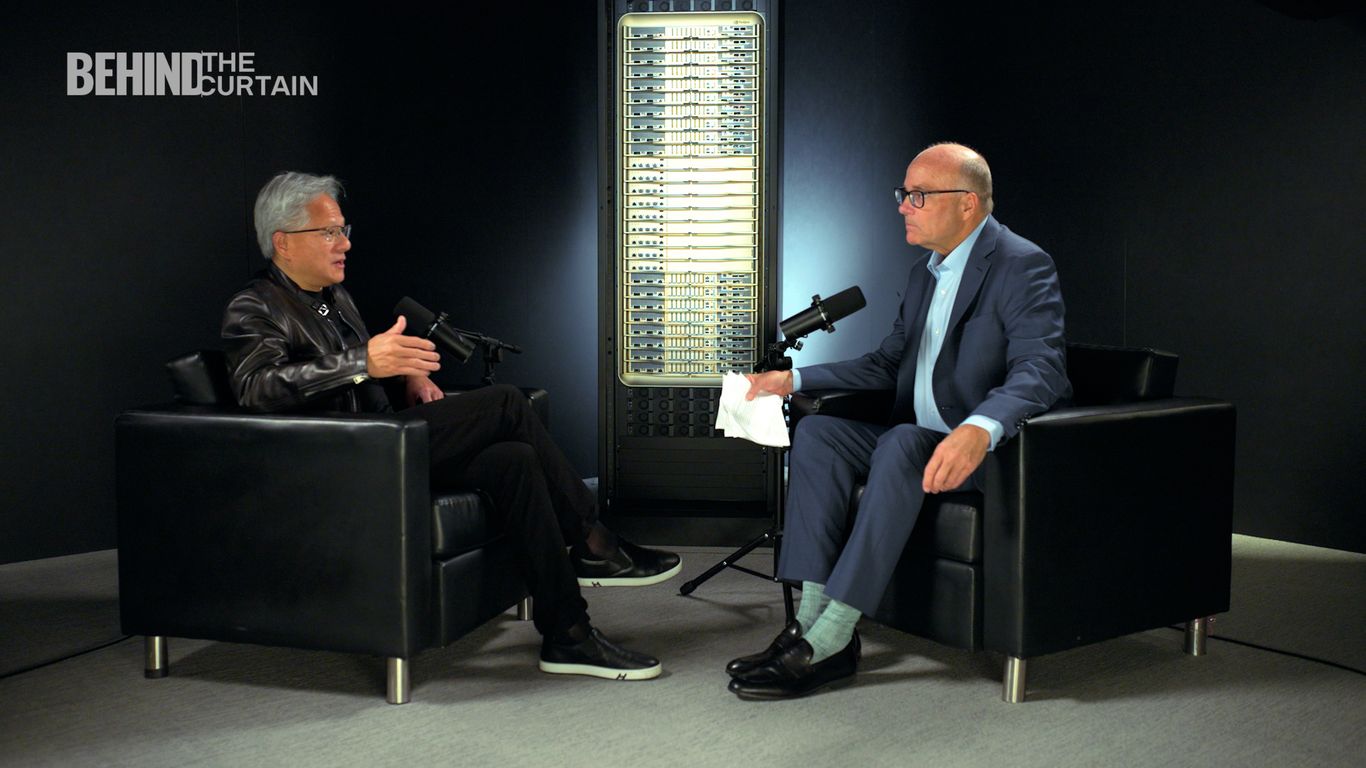
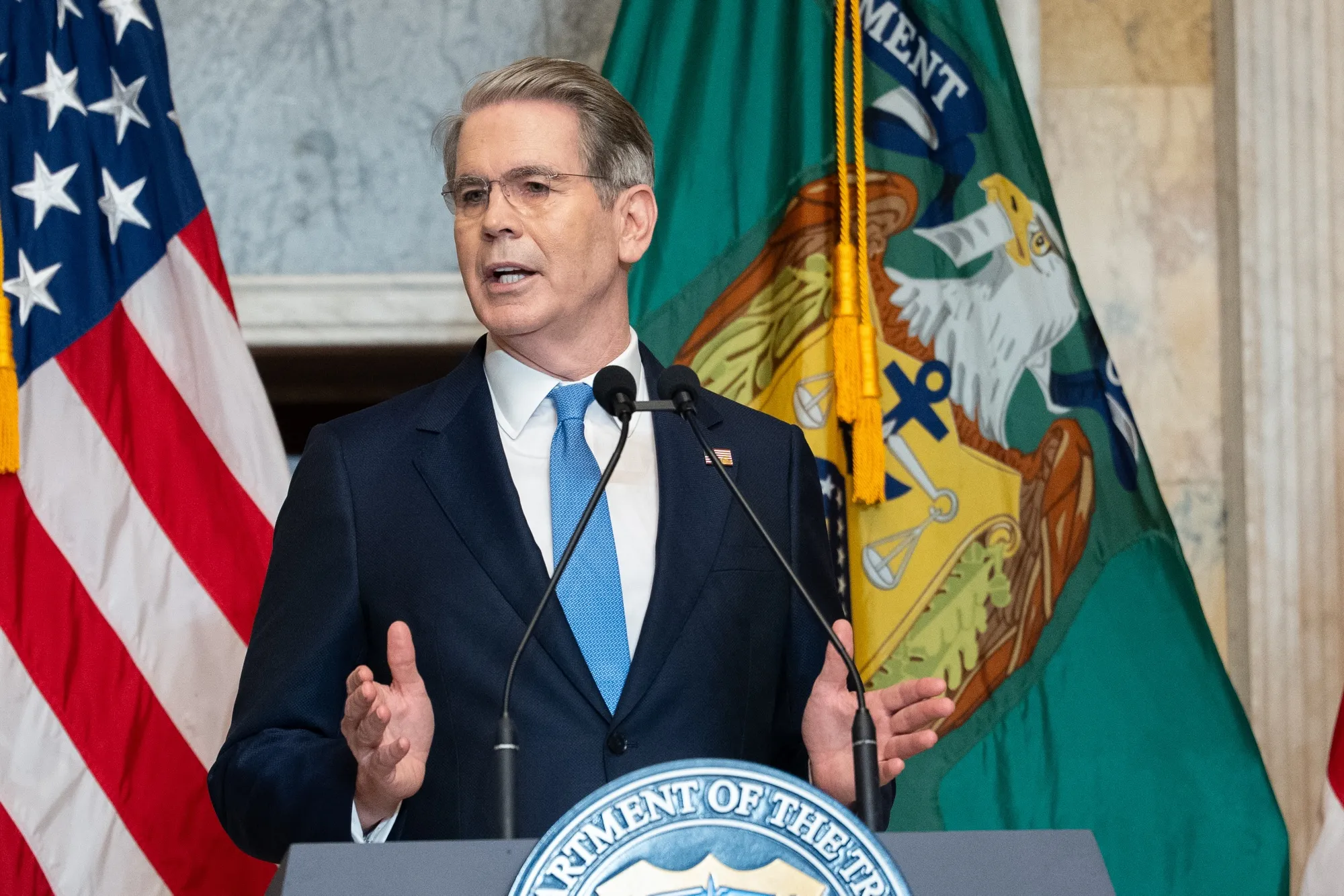
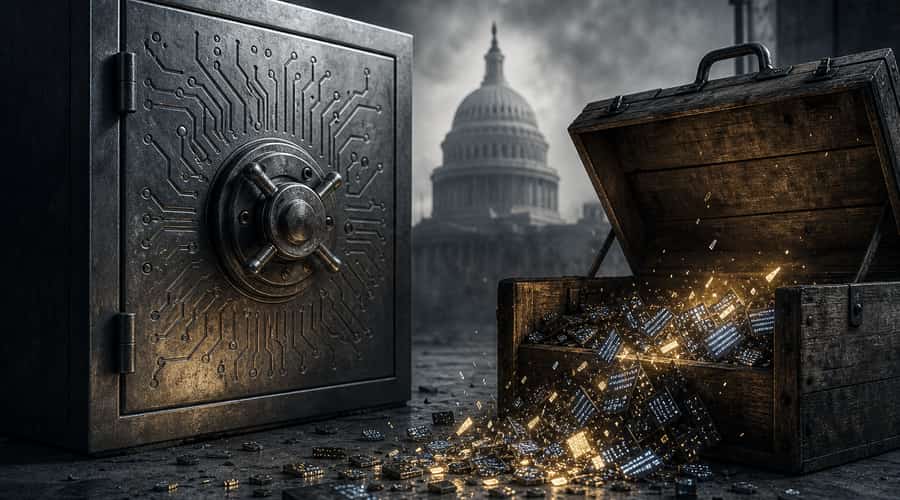
U.S. Treasury Secretary Scott Bessent announced Tuesday that the Trump administration will investigate Chinese AI models for intellectual property theft, with potential sanctions as consequence. The investigation targets model "distillation"—a technical process where smaller AI models are built from outputs of stronger existing models. Bessent cited watermarks from U.S. large language models found on Chinese models as evidence, specifically referencing Alibaba's alleged distillation attack on Anthropic. Simultaneously, Nvidia CEO Jensen Huang publicly defended Chinese open-source AI models, directly contradicting administration policy and stating American companies "absolutely" should use them. This policy conflict creates immediate operational uncertainty for cross-border e-commerce sellers who increasingly rely on AI tools for product research, listing optimization, and customer service automation.
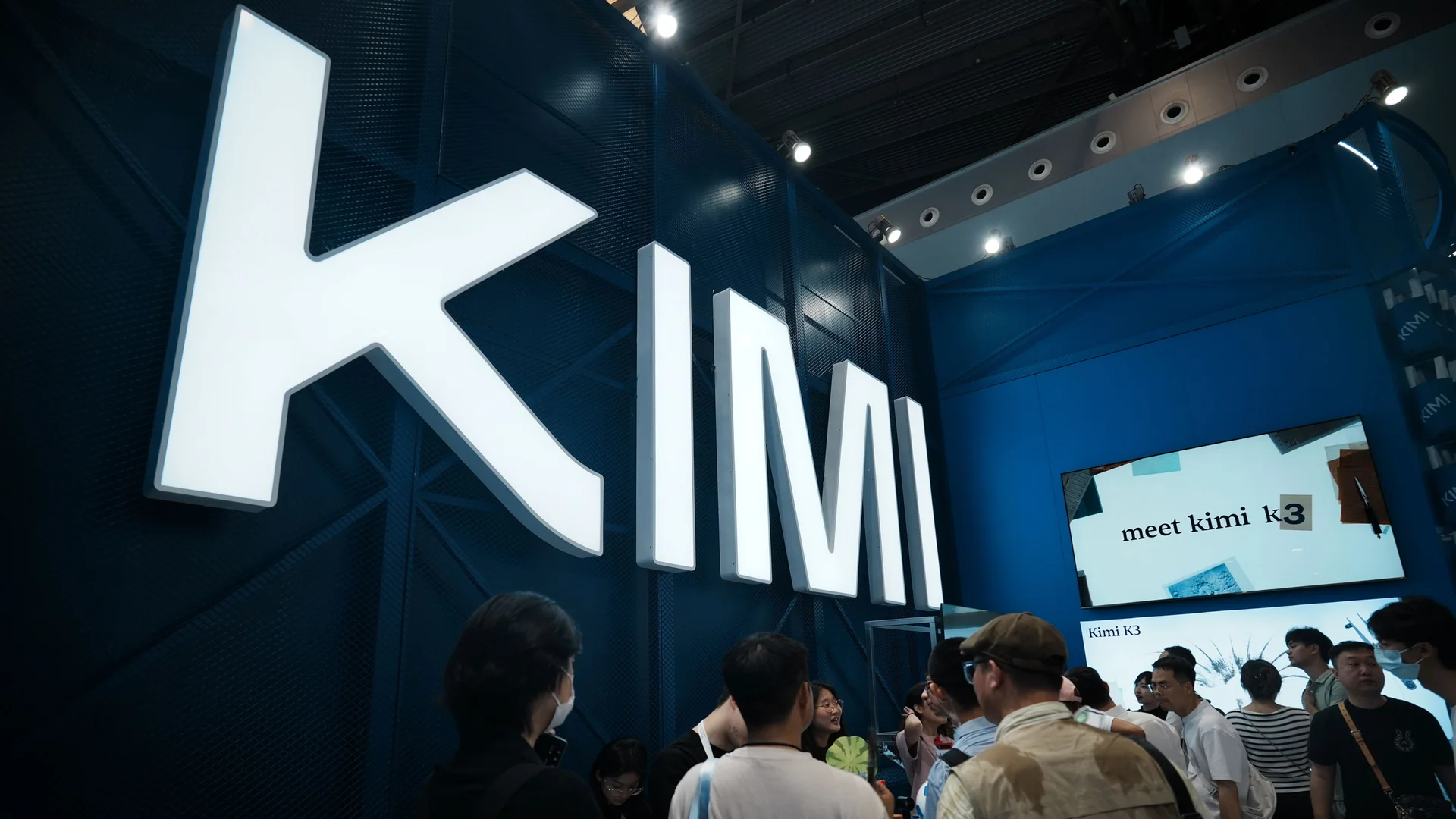
The competitive trigger is Moonshot AI's Kimi K3 release, which combines near-frontier performance with dramatically lower costs and open weights—sparking stock sell-offs in Nvidia and semiconductor manufacturers. For sellers, this creates a critical decision point: Chinese AI tools (Kimi K3, Alibaba's models) offer 40-60% cost savings versus OpenAI/Anthropic alternatives, but face potential U.S. sanctions that could restrict access or create compliance liability. Anthropic's $1.5 billion settlement with authors (September 2024) and OpenAI's copyright lawsuit with The New York Times demonstrate that both American and Chinese AI providers face IP scrutiny, complicating the "safer choice" narrative.
The operational impact timeline is compressed: U.S.-China AI talks scheduled for September 2024 will determine whether sanctions proceed. For sellers using AI-powered tools (product research, competitor analysis, listing optimization, customer service chatbots), this creates 1-3 month window to audit current AI dependencies. Sellers currently leveraging cheaper Chinese AI models for backend operations face potential disruption if sanctions restrict access. Conversely, sellers betting on American AI tools face rising costs (OpenAI API pricing, Anthropic Claude access fees) without guarantee of regulatory protection. The Huang-Bessent disagreement signals policy uncertainty will persist through Q4 2024, making long-term AI tool contracts risky. Sellers should prioritize AI tool diversification and avoid single-vendor dependency, particularly for mission-critical functions like inventory forecasting or dynamic pricing.
Questions 7
How does Nvidia's defense of Chinese AI models affect seller strategy?
Nvidia CEO Jensen Huang's public defense of Chinese AI models signals internal tech industry disagreement with Trump administration sanctions policy. Huang argues open-source models expand hardware demand and that security concerns are overblown. This creates policy uncertainty: if Huang's position gains traction, sanctions may be delayed or weakened, making Chinese AI tools safer long-term. However, Treasury Secretary Bessent's investigation proceeds regardless, suggesting sanctions remain likely. For sellers, this disagreement means: (1) Don't assume Huang's position will prevent sanctions, (2) Treat policy as uncertain through Q4 2024, (3) Diversify AI tool vendors rather than betting on either outcome, (4) Monitor September AI talks for policy direction. The conflict suggests regulatory clarity won't emerge until late 2024, making vendor lock-in risky.
Should I switch from Chinese to American AI tools now or wait for policy clarity?
The timing decision depends on your current tool stack and operational scale. If you're already using Chinese AI models for non-critical functions (market research, trend analysis), switching costs are low and you should migrate to American alternatives (OpenAI, Anthropic) before September 2024 talks conclude. If Chinese AI tools power critical operations (inventory management, dynamic pricing), switching immediately creates operational risk and costs $2,000-5,000 in integration and retraining. Optimal strategy: (1) Audit current AI dependencies by August 2024, (2) Develop parallel testing of American alternatives, (3) Plan phased migration for non-critical functions first, (4) Maintain Chinese tool access as backup until policy clarity emerges. Avoid new contracts with single-vendor AI providers through Q4 2024.