




Meat Price Inflation & Supply Chain Consolidation | Seller Opportunity in Specialty Protein & Local Food Categories
- 50%+ grocery cost increases in Central New York drive consumer shift toward budget proteins; legislative push for supply chain competition creates niche seller opportunities in gourmet/specialty meat, meal kits, and direct-to-consumer food categories





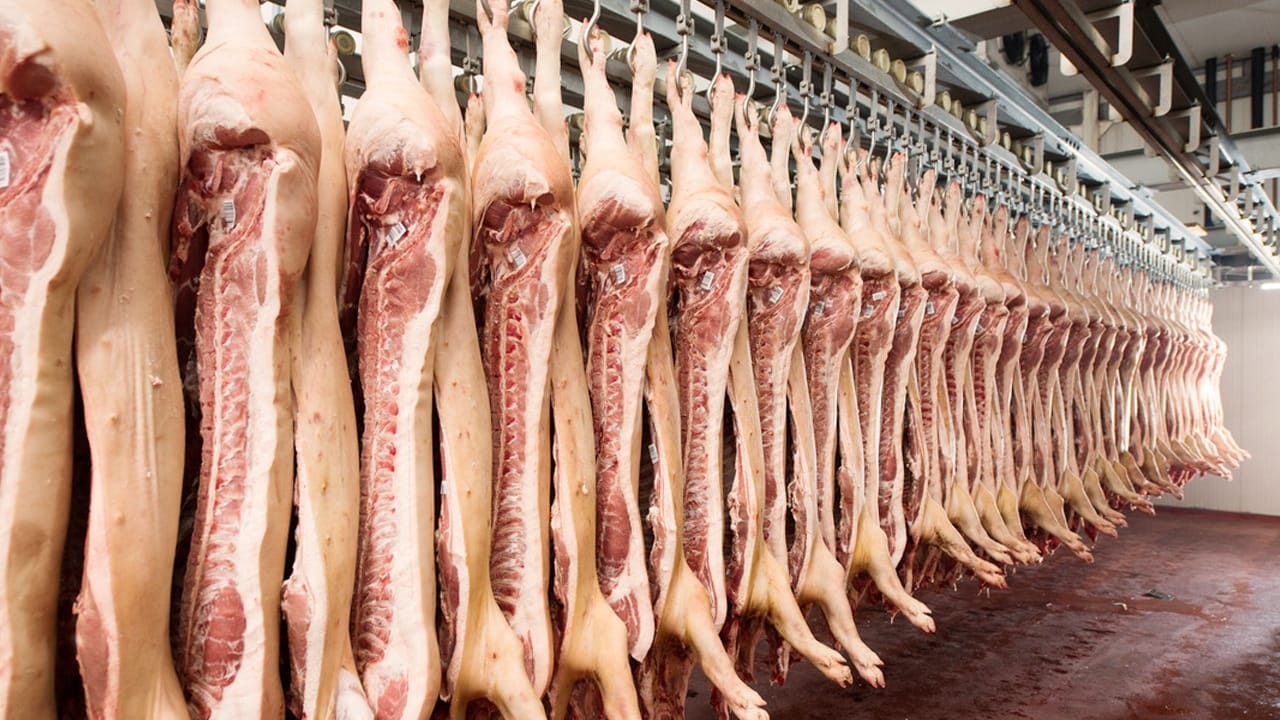




Overview
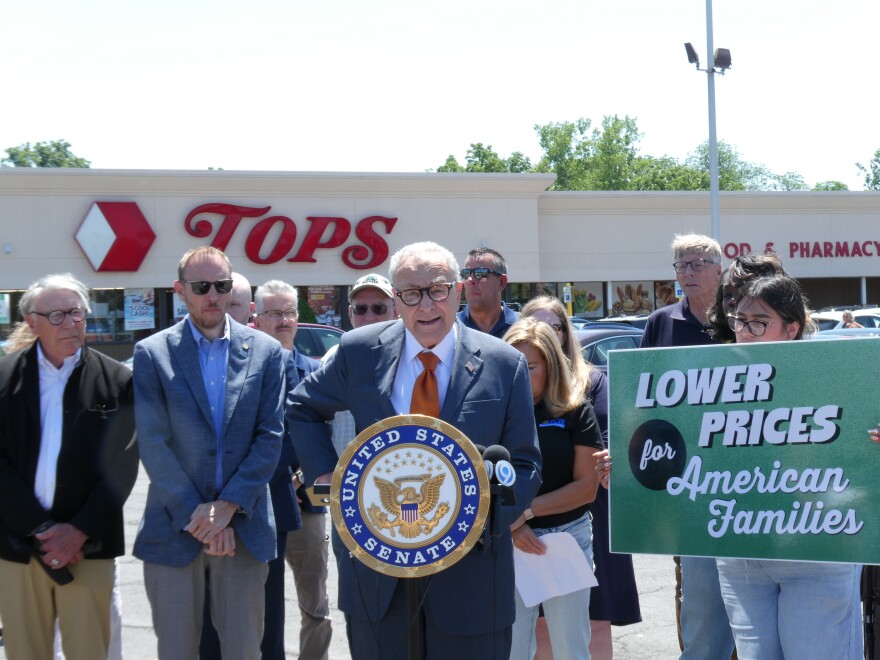
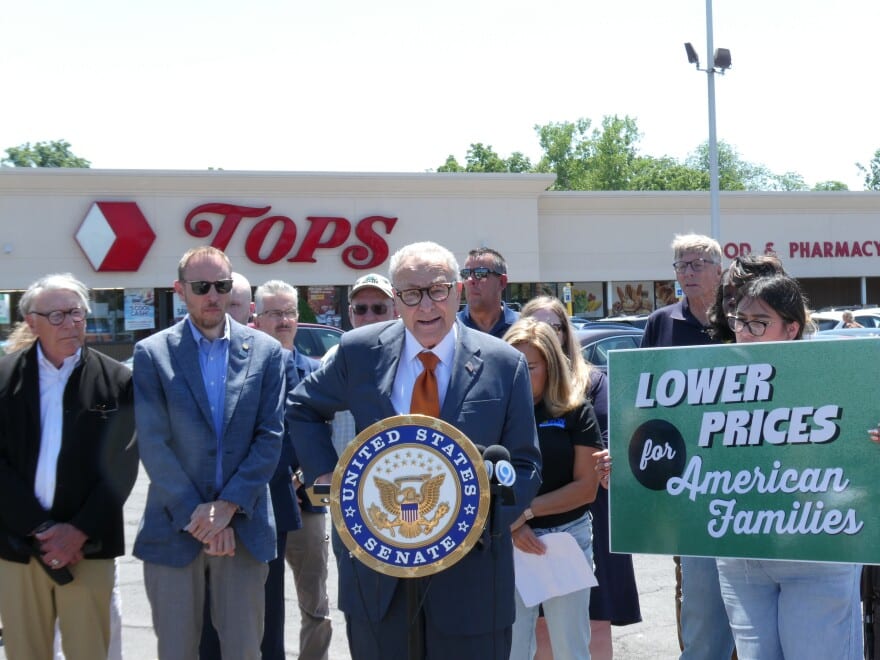
Senator Chuck Schumer's introduction of the Family Grocery and Farmer Relief Act on July 20, 2026, addresses a critical market inefficiency that creates significant e-commerce opportunities for sellers. The news reveals that grocery costs in Central New York have surged 50%+ over the past decade, with meat prices driving consumer purchasing behavior shifts—a pattern now visible across major U.S. markets. This legislative response to meatpacking industry consolidation signals a structural market correction that will reshape food e-commerce dynamics.
For cross-border and domestic sellers, this creates three distinct opportunity vectors:
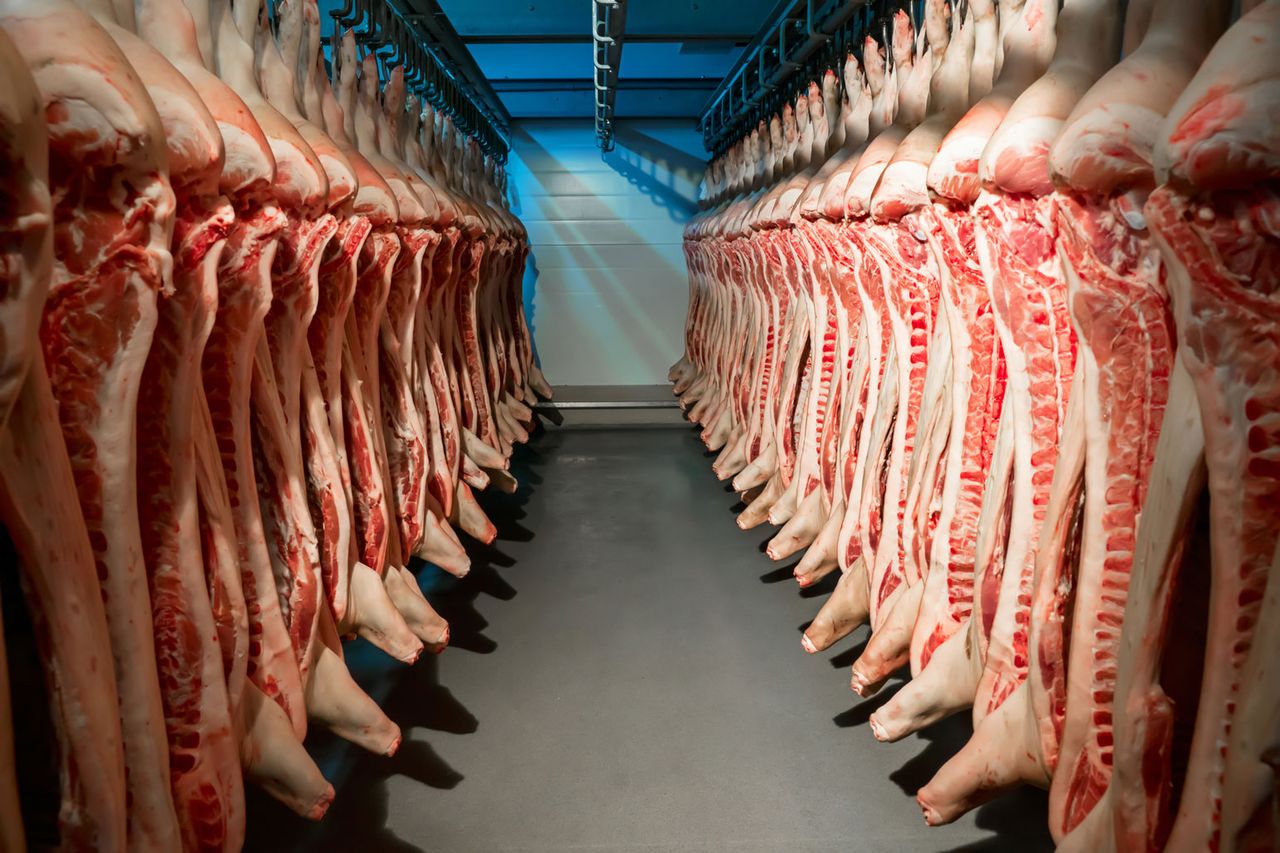
1. Premium/Specialty Protein Arbitrage: Consumer behavior data from the news shows shoppers like Karen Murdock switching from premium cuts (steaks, chicken breasts) to whole chickens and budget proteins. This creates a demand vacuum in the specialty/gourmet meat segment where sellers can position premium, locally-sourced, or specialty proteins (grass-fed beef, heritage pork, organic poultry) at price points that undercut consolidated meatpackers. Amazon Fresh, Instacart, and Walmart+ grocery channels are actively seeking alternative suppliers to reduce dependence on consolidated suppliers. Sellers with direct relationships to smaller producers can capture 15-25% margin premiums by positioning as "local alternative" suppliers.
2. Meal Kit & Protein Substitution Products: The legislative focus on "strengthening local supply chains" and supporting smaller producers directly incentivizes platforms to feature alternative protein sources and meal solutions. Sellers can capitalize on this by offering: (a) plant-based protein alternatives positioned as budget-friendly; (b) ethnic/international protein products (halal, kosher, specialty cuts) that bypass consolidated supply chains; (c) meal kit subscriptions bundling proteins with complementary products. The summer cookout season timing mentioned in the news indicates peak demand window through August-September 2026 for grilling-related products and protein bundles.
3. Supply Chain Transparency & Direct-to-Consumer Positioning: The bill's emphasis on breaking down barriers for smaller producers creates a competitive advantage for sellers who can credibly claim direct sourcing or supply chain transparency. Platforms are increasingly rewarding sellers with verified local/small-producer sourcing claims. Sellers should immediately audit their supply chain documentation and consider repositioning existing protein products with enhanced transparency messaging (farm-to-table, small producer partnerships, supply chain traceability).
Operational Impact: The 50%+ cost inflation mentioned in the news indicates that consumer price sensitivity is at peak levels. Sellers must optimize for value positioning rather than premium pricing. This means: (1) emphasizing cost-per-serving metrics in listings; (2) bundling complementary products to increase basket size; (3) targeting budget-conscious demographics in PPC campaigns with cost-efficiency messaging.
Questions 7
How does consumer behavior shift documented in the news affect seller pricing strategy?
The news documents specific consumer behavior changes: Karen Murdock switched from premium cuts to whole chickens, and shoppers reduced steak purchases due to cost increases. This indicates that **price elasticity is extremely high** in the protein category during inflationary periods. Sellers should optimize for cost-per-serving metrics rather than premium pricing. This means: (1) Emphasizing value in product titles and descriptions; (2) Bundling complementary products to increase perceived value; (3) Targeting budget-conscious demographics in PPC campaigns with cost-efficiency messaging. The 50%+ cost increase means consumers are actively comparing prices and switching suppliers—sellers with transparent, competitive pricing will capture disproportionate market share during this period.
What is the time-sensitive opportunity window for sellers to capitalize on this legislative push?
The immediate window is **July-September 2026**, coinciding with summer cookout season when meat consumption peaks and consumer price awareness is highest. Senator Schumer introduced the Family Grocery and Farmer Relief Act on July 20, 2026, meaning legislative momentum is building during peak consumer demand. Sellers should launch or optimize product listings immediately to capture traffic during this window. The legislative process typically takes 3-6 months for initial committee review, meaning platform policy changes and supplier recruitment will accelerate through Q3-Q4 2026. Sellers who establish supplier relationships and optimize listings by August 2026 will have first-mover advantage before competitors recognize the opportunity.