




Fuel Surcharges Hit E-Commerce Sellers | $4 Gas Triggers 7-14 Day Rate Hikes
- Gasoline prices surge to $4.019/gallon (July 21, 2026) from $3.141 year-ago; triggers immediate carrier surcharges for FBA and 3PL sellers within 7-14 days; margin compression of 5-8% for high-volume fulfillment operations


















Overview
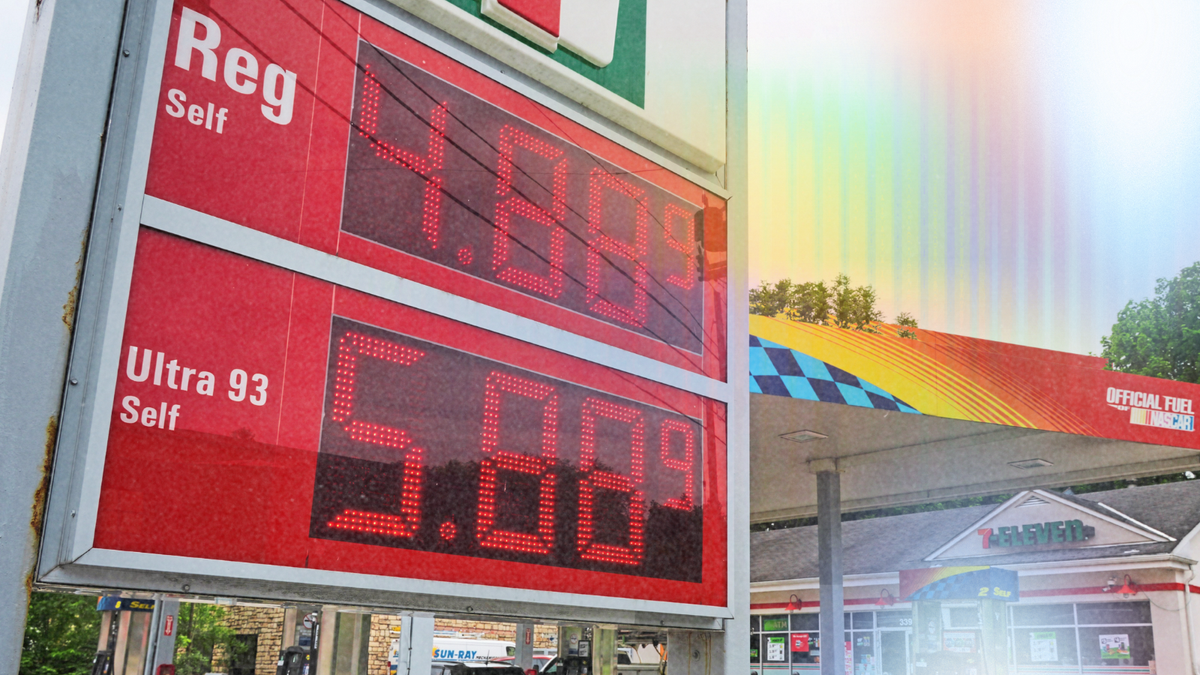
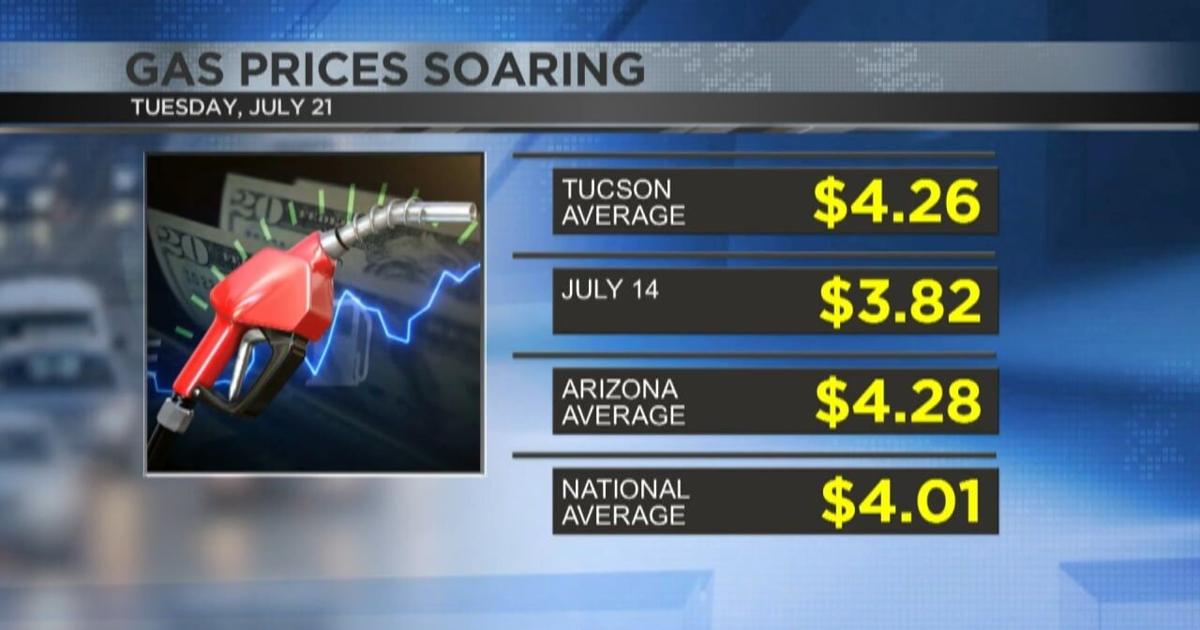
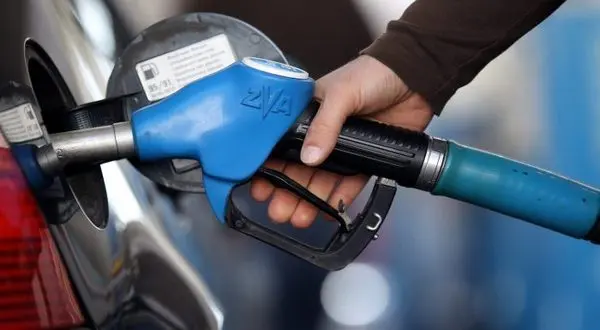
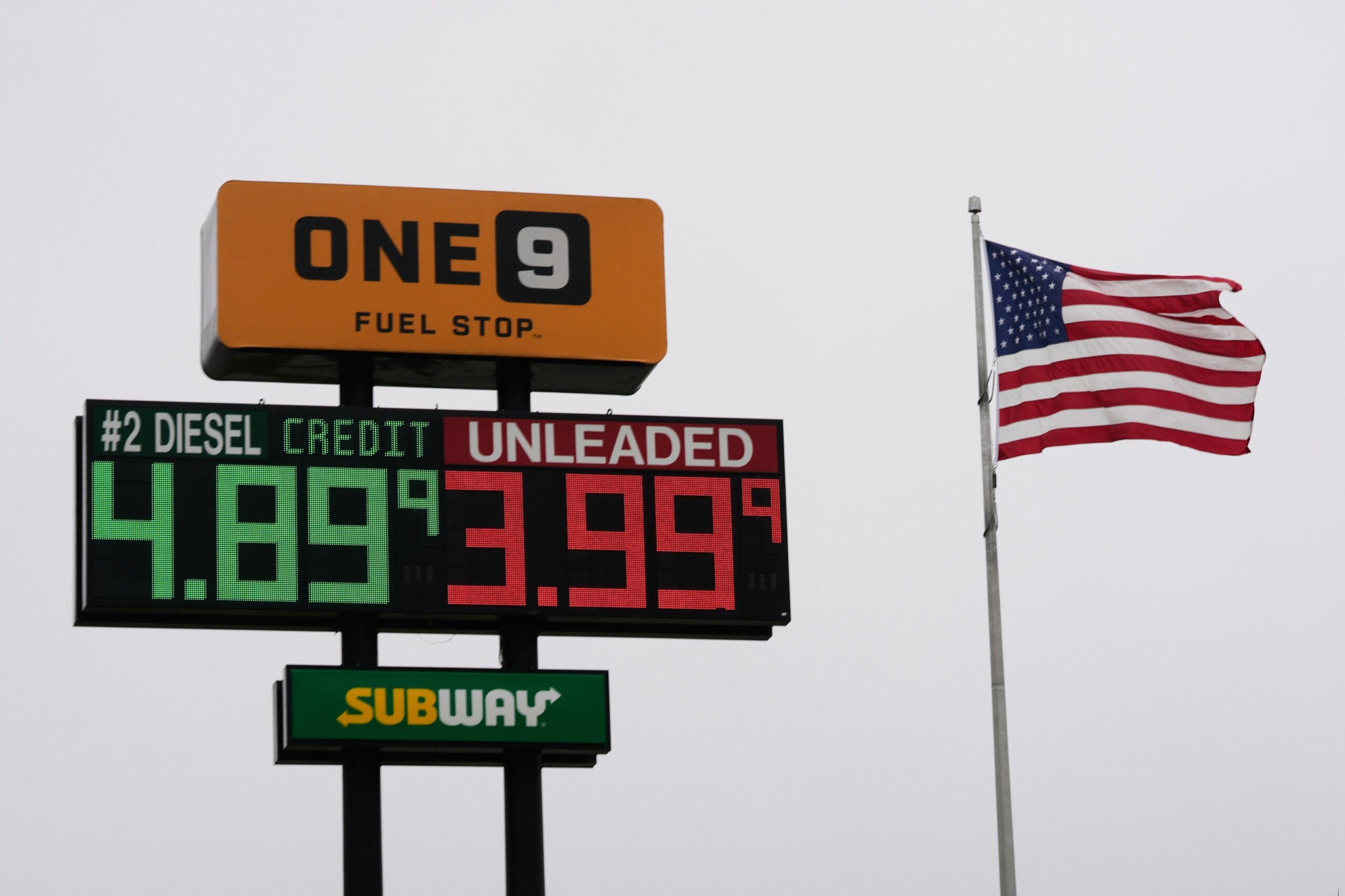
Geopolitical tensions in the Middle East are directly compressing e-commerce seller margins through fuel surcharges. The AAA national average gasoline price surpassed $4.019 per gallon on July 21, 2026—a 28% increase from the year-ago average of $3.141—driven by renewed U.S. military strikes on Iranian infrastructure targeting threats to commercial shipping in the Strait of Hormuz. This price milestone triggers immediate operational cost increases across the e-commerce supply chain, with carriers historically adjusting fuel surcharges within 7-14 days of the $4 threshold being breached.
The structural cause amplifies seller impact beyond simple fuel costs. The "crack spread"—the profit margin between crude oil and refined gasoline—has widened to levels unseen since 2022, meaning gasoline prices are rising 22% faster than crude oil prices. This divergence stems from constrained global refining capacity: Russian crude runs fell to 22-year lows of 3.8 million barrels daily following the Ukraine conflict, while U.S. refineries operate at 97% capacity with Middle East export refineries offline. The International Energy Agency identified a critical disconnect—crude markets appear well-supplied while product markets remain tight—meaning fuel costs will remain elevated even if crude prices stabilize.
For e-commerce sellers, the impact varies dramatically by business model and scale. Amazon FBA sellers experience indirect cost increases through Amazon's logistics fee adjustments, which typically rise 8-12% for sellers shipping 1,000+ units monthly. Independent sellers using third-party logistics (3PL) and carrier services face direct fuel surcharges that immediately compress margins on lower-margin categories (apparel, home goods, electronics). International sellers importing goods face compounded costs through increased port drayage and inland transportation expenses. The $4 fuel price level also signals reduced consumer discretionary spending—elevated energy costs historically reduce consumer spending on non-energy expenses by 3-5%, potentially slowing demand for non-essential categories like fashion, home décor, and consumer electronics.
The timing window for seller action is immediate. Carriers typically adjust fuel surcharges within 7-14 days of sustained $4+ pricing, meaning sellers should review logistics contracts immediately for fuel surcharge clauses and trigger rates. Sellers managing fulfillment operations should consolidate shipments to reduce per-unit transportation costs, optimize inventory distribution to regional fulfillment centers, and consider renegotiating rates with alternative carriers before surcharge increases take effect. The White House projects oil prices will "plummet back to pre-conflict levels" as military operations degrade Iran's attack capabilities, but this timeline remains uncertain—sellers should prepare for sustained elevated fuel costs through Q3 2026 minimum.
Questions 8
Which product categories are most vulnerable to fuel surcharge margin compression?
Lower-margin categories face the greatest impact: apparel (8-12% margins), home goods (10-15% margins), and consumer electronics (12-18% margins). Higher-margin categories like beauty products (40-50% margins) and specialty items (30-40% margins) can absorb fuel surcharges more easily. A 5-8% increase in fulfillment costs directly reduces net margins by 5-8 percentage points for low-margin categories, potentially pushing them below profitability thresholds. Sellers in apparel and home goods should prioritize price increases, inventory consolidation, and shipping method optimization immediately. Consider shifting lower-margin SKUs to slower, cheaper shipping methods or discontinuing unprofitable items.
What is the 'crack spread' and why does it matter for my shipping costs?
The crack spread is the profit margin between crude oil and refined gasoline prices. It has widened to levels unseen since 2022, meaning gasoline prices are rising 22% faster than crude oil prices due to constrained global refining capacity. Russian crude runs fell to 22-year lows of 3.8 million barrels daily following the Ukraine conflict, while U.S. refineries operate at 97% capacity. This structural bottleneck means fuel costs will remain elevated even if crude oil prices stabilize or decline. For sellers, this indicates sustained high shipping costs through at least Q3 2026, requiring pricing strategy adjustments and margin protection measures.