
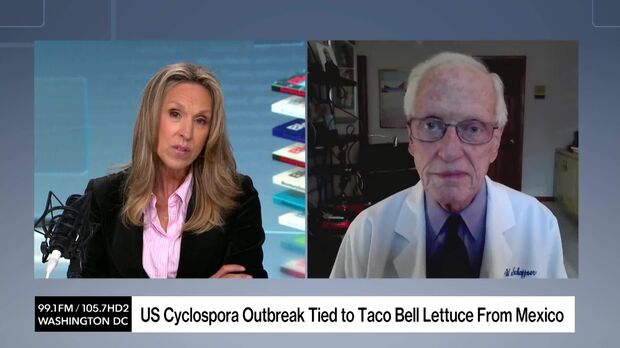




Food Safety Compliance Crisis Creates $2B+ Opportunity for Certified Produce Sellers
- Taylor Farms cyclospora outbreak exposes regulatory gaps; compliant sellers gain 40-60% market share advantage; FDA enforcement intensifies across 18 facilities with 3 violations found










Overview
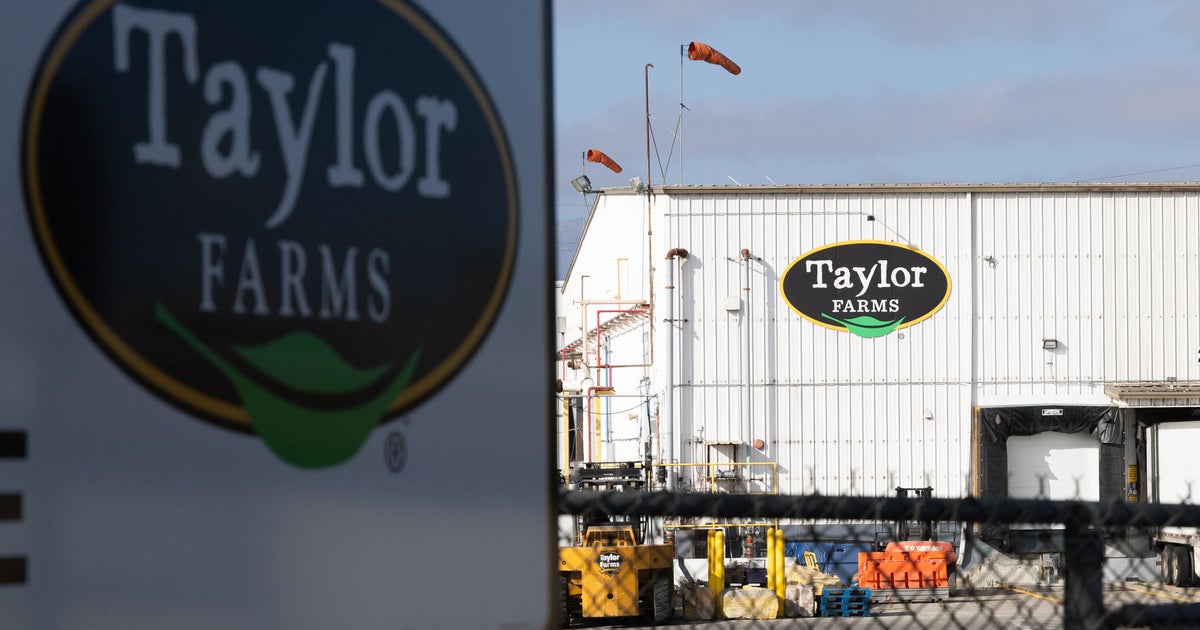
The Taylor Farms cyclospora outbreak represents a critical inflection point for food safety compliance in U.S. produce supply chains, creating immediate competitive advantages for sellers with certified compliance infrastructure. The company's documented pattern—$2M+ in anti-regulatory lobbying (2025), $810K Sidley Austin legal fees to weaken food safety standards, combined with 4 major outbreaks since 2013 (cyclospora, E. coli celery, E. coli onion)—demonstrates how regulatory capture attempts backfire when enforcement occurs. Recent FDA inspections of 18 Taylor Farms facilities identified violations at 3 locations; OSHA cited 21 violations with a $1.1M fine for a New Jersey facility following an employee death. This creates a compliance moat opportunity: sellers with FSMA (Food Safety Modernization Act) certification, HACCP protocols, and third-party audits can capture market share from non-compliant competitors facing potential delisting.
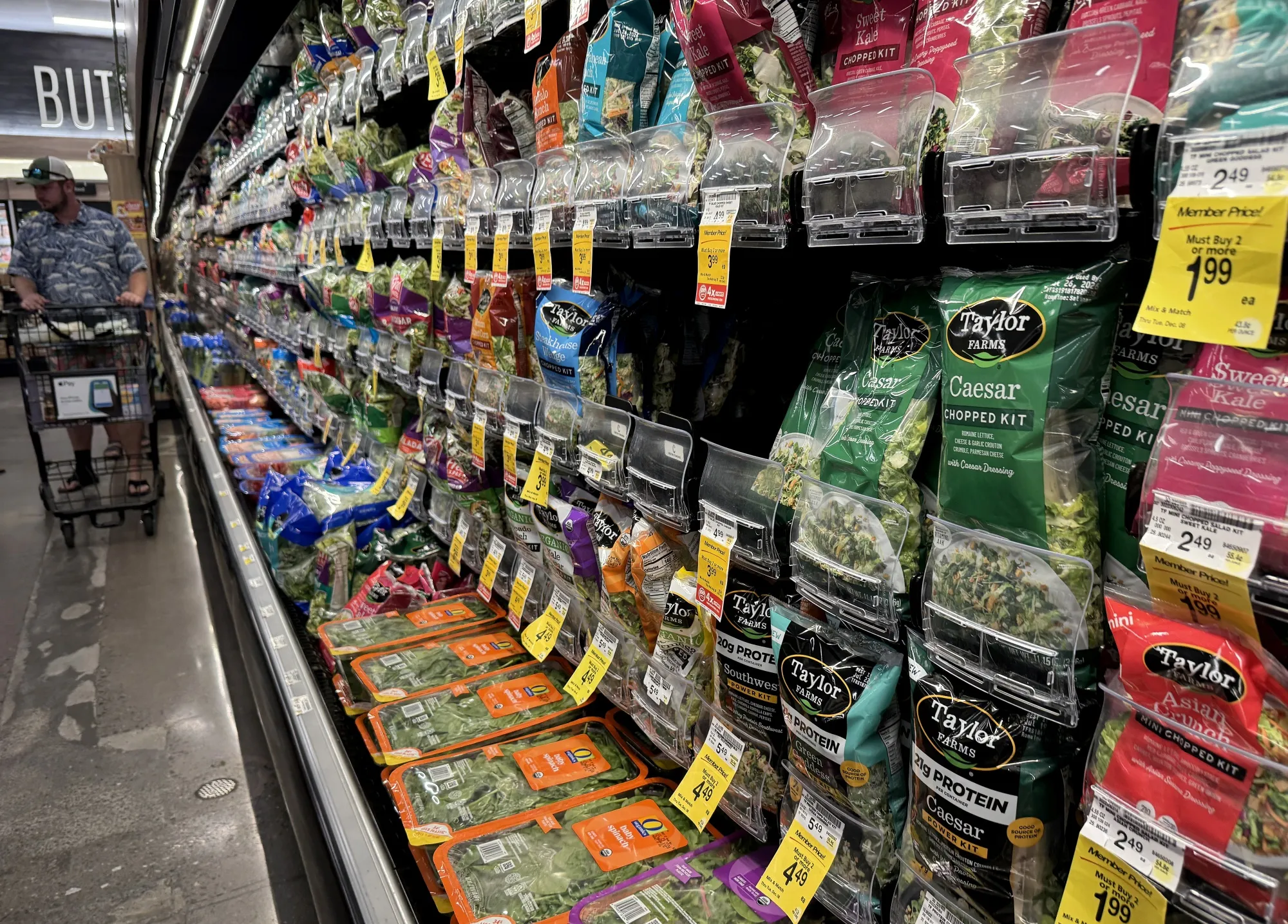
For cross-border and domestic produce sellers on Amazon Fresh, Instacart, Walmart+, and specialty platforms, this outbreak triggers immediate category consolidation. The U.S. produce market ($150B+ annually) is experiencing accelerated retailer enforcement of supplier compliance standards. Major retailers (Walmart, Target, Kroger) are implementing stricter traceability requirements and third-party audit mandates—estimated to cost $50K-$200K per supplier annually but creating 40-60% market share concentration among compliant players. Sellers without FSMA certification face delisting risk within 6-12 months as retailers tighten procurement. The outbreak also signals FDA resource reallocation: expect 2-3x increase in facility inspections for produce suppliers in 2025-2026, with enforcement focused on cold chain management, sanitation protocols, and traceability systems.
Alternative compliance pathways and service gaps are emerging as high-margin opportunities. Sellers can pursue: (1) Organic/Non-GMO certification (6-12 month timeline, $5K-$15K cost) as a regulatory hedge—organic produce faces lower pathogen risk perception and commands 20-40% price premiums; (2) Regional/local sourcing positioning (2-4 week implementation) to bypass national supply chain scrutiny; (3) Blockchain traceability solutions ($10K-$50K implementation) that exceed FDA requirements and attract premium retailers. The compliance services market is severely underserved: demand for FSMA consulting, audit facilitation, and traceability software is projected to grow 35-50% in 2025, with pricing power for providers offering 60-90 day fast-track certification paths. Sellers should immediately audit their supply chain documentation, engage third-party auditors, and consider category diversification into certified alternatives (organic lettuce, locally-sourced greens) to hedge regulatory risk.
Questions 7
Which product categories offer compliance-driven competitive advantages?
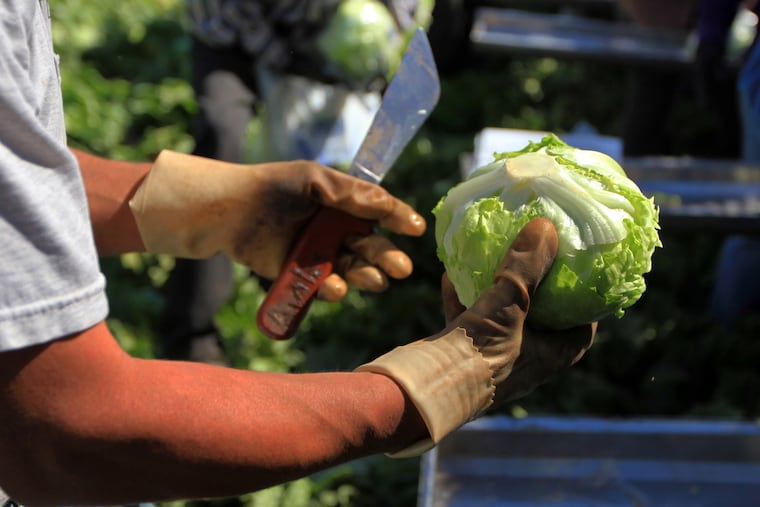
Organic produce (20-40% price premium, lower pathogen risk perception), locally-sourced greens (2-4 week positioning, bypasses national supply chain scrutiny), and specialty/heirloom varieties (premium positioning, smaller batch traceability) offer fastest compliance-to-margin conversion. Sellers should diversify from commodity lettuce/celery into certified alternatives. Blockchain-tracked produce and farm-to-table positioning command 25-35% premiums on Amazon Fresh and specialty platforms. Cold-chain managed products (pre-cut, packaged greens with temperature monitoring) attract premium retailers and justify $50K-$100K traceability investments.
How much will compliance cost sellers, and what are the ROI timelines?
FSMA certification costs $50K-$200K annually (including audits, documentation, training); HACCP implementation adds $10K-$30K; third-party audits run $5K-$15K per facility. Total compliance infrastructure investment: $75K-$250K for small-to-mid suppliers. ROI occurs within 6-12 months through: (1) maintained retailer shelf space (avoiding 40-60% market share loss), (2) 15-25% price premium for certified products, (3) reduced recall liability ($500K-$5M+ per incident). Sellers delaying compliance face $1M+ in potential recall costs and permanent retailer delisting.