


Free AI Models Disrupt Premium Pricing | E-Commerce Sellers Cut Automation Costs 60-80%
- Chinese open-weight models eliminate $500-2000/month AI tool subscriptions for sellers; OpenAI and Anthropic face margin compression as demand shifts to free alternatives (July 2026)


Overview
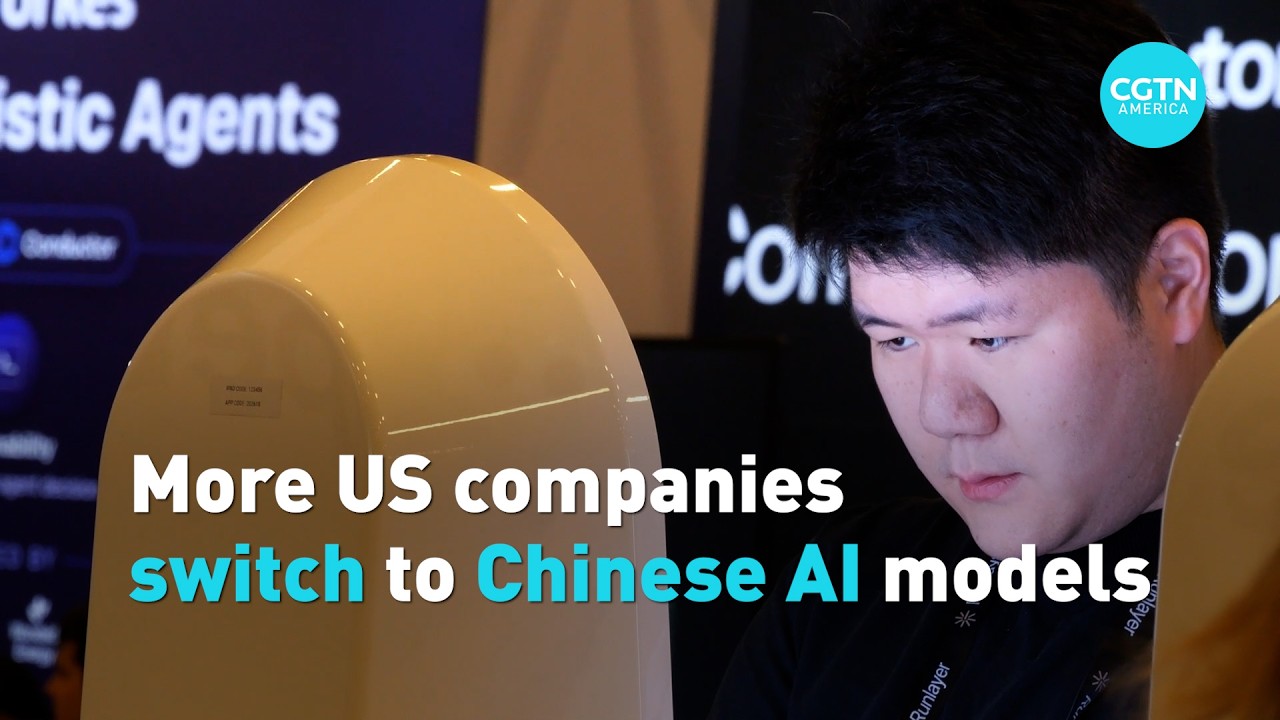
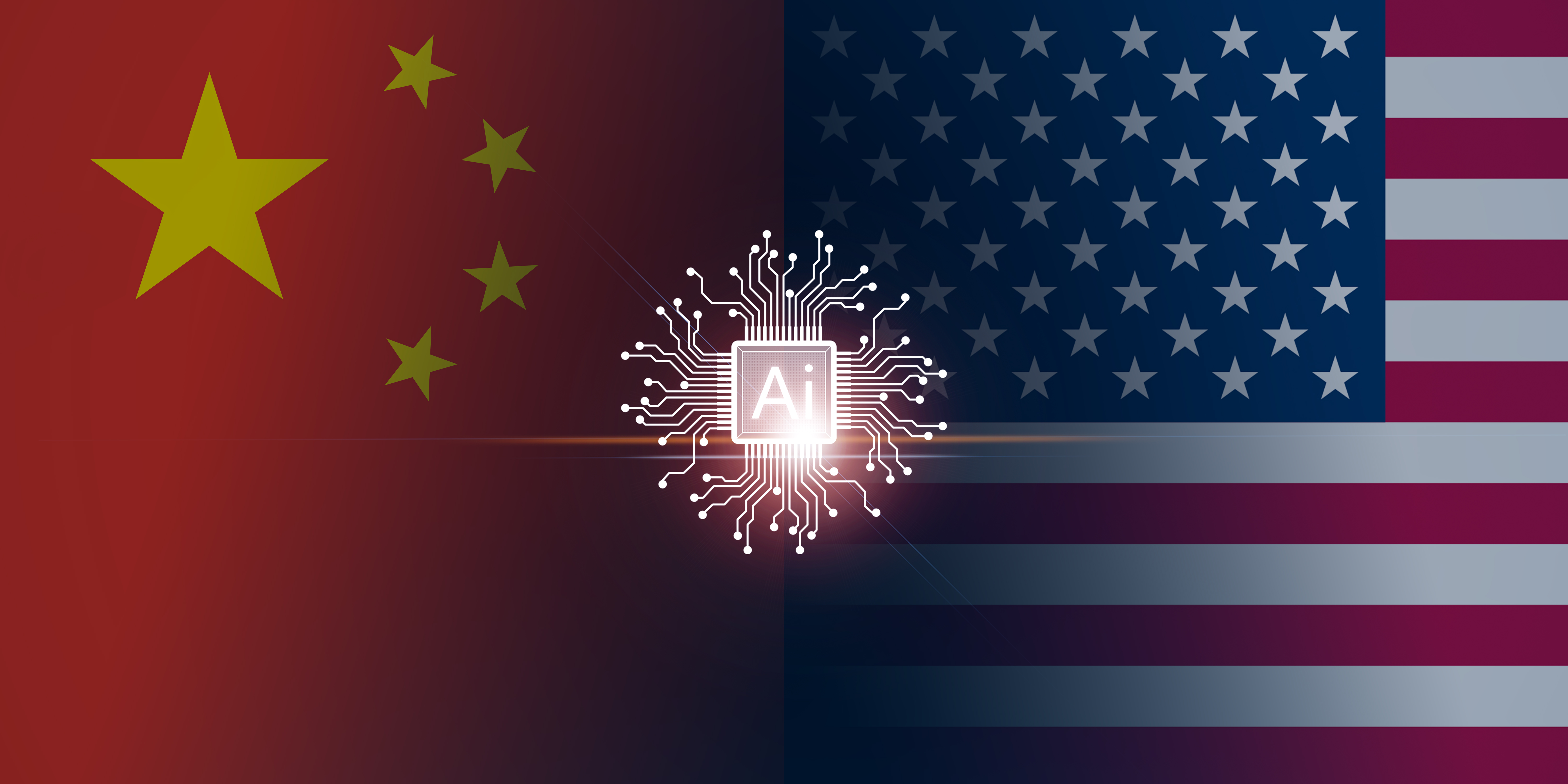
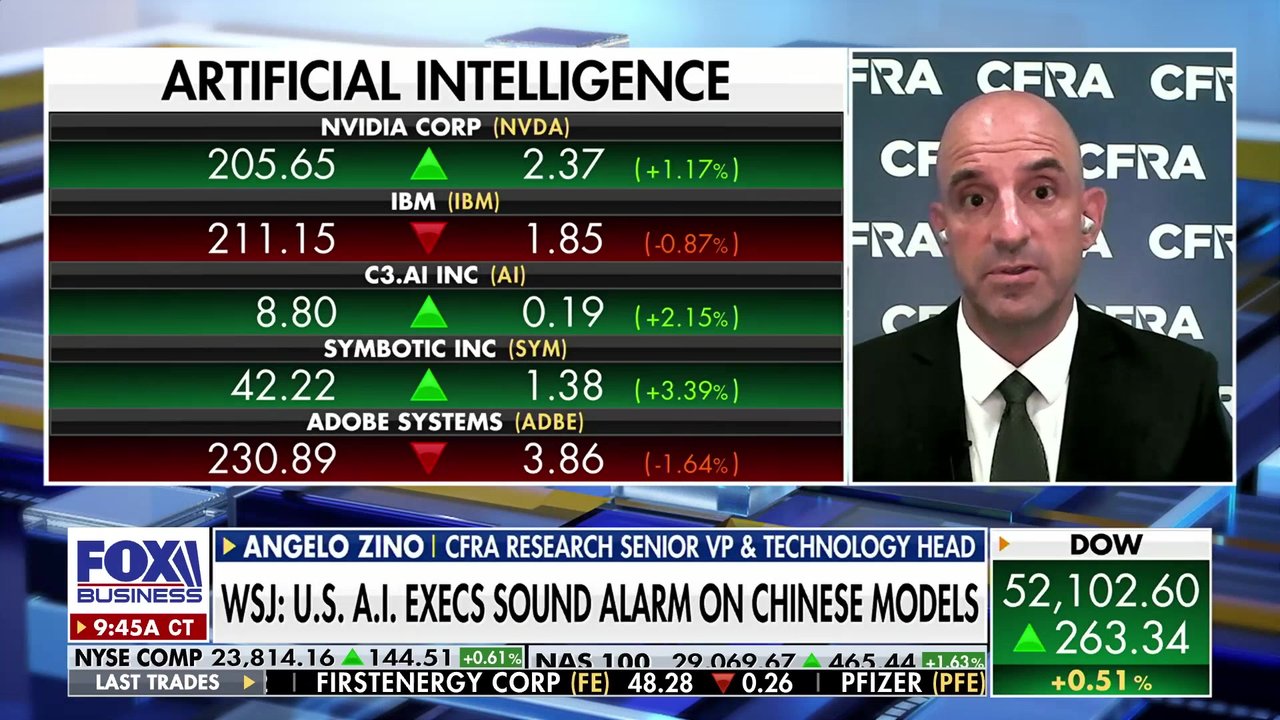
The competitive landscape for AI tools serving e-commerce sellers has fundamentally shifted as Chinese developers distribute open-weight models freely, directly challenging premium providers like OpenAI and Anthropic. The Economist (July 21, 2026) reports that American AI labs face intensifying pressure from rivals offering comparable capabilities at minimal cost, creating a structural pricing collapse that directly impacts seller economics. For e-commerce operators, this represents an immediate cost-reduction opportunity: sellers currently paying $500-2,000 monthly for AI-powered product optimization, inventory management, and customer service automation can now access functionally equivalent open-weight models at near-zero marginal cost.
The immediate automation opportunity is substantial. Sellers using premium AI tools for dynamic pricing optimization, product listing generation, and customer service chatbots can migrate to free alternatives (deployed via open-source frameworks like Hugging Face, Ollama, or LM Studio) and recapture 60-80% of their monthly AI tool expenses. A mid-sized seller operating 500+ SKUs across Amazon, Shopify, and eBay currently spending $1,500/month on ChatGPT API calls, Jasper, or Copy.ai can reduce this to under $300/month for infrastructure costs while maintaining equivalent functionality. This creates immediate competitive advantage for sellers who move quickly—those adopting free models in Q3-Q4 2026 gain 6-12 months of cost advantage before competitors follow.
However, vendor fragmentation and quality variance create hidden risks. While free models reduce direct costs, they introduce operational complexity: open-weight models require self-hosting infrastructure (AWS/Google Cloud), technical expertise for fine-tuning, and ongoing maintenance. Premium providers offer reliability guarantees, API uptime SLAs (99.9%), and customer support that free alternatives lack. Sellers must evaluate the true cost of ownership: a $1,200/month ChatGPT subscription includes 24/7 support and guaranteed performance, while a free model deployment might require $400/month in cloud infrastructure plus 10-15 hours/month of technical management. For sellers with limited technical resources, the "free" option becomes expensive when accounting for labor costs.
The strategic implication is a bifurcation of the AI tool market. Premium providers will consolidate around enterprise features (advanced fine-tuning, compliance certifications, industry-specific models) while commodity AI capabilities commoditize. Sellers should immediately audit their AI tool stack: identify which use cases require premium reliability (customer-facing chatbots, payment processing) versus which can tolerate free model variability (internal inventory analysis, bulk content generation). This creates a 3-6 month window where sellers adopting free models gain cost advantage before the market reprices premium tools downward in response to competitive pressure.
Questions 8
When should sellers migrate to free AI models versus staying with premium providers?
Sellers should migrate immediately for internal operations (inventory forecasting, pricing analysis, content bulk generation) where quality variance is tolerable and cost savings are substantial. For customer-facing functions, migration should wait 6-12 months until free models mature and reliability improves. The competitive window is NOW (Q3-Q4 2026): sellers who adopt free models in the next 90 days gain 6-12 months of cost advantage before competitors follow and the market reprices. However, sellers with limited technical resources should delay migration until managed free-model services emerge (similar to how Hugging Face is developing commercial offerings). The Economist notes that this pricing disruption mirrors historical technology cycles where free alternatives eventually dominate, but specialized premium offerings persist for enterprise users.
What are the risks of using free AI models for critical e-commerce functions like customer service?
Free open-weight models introduce three key risks: (1) Reliability—no guaranteed uptime or SLA support, creating potential customer service outages; (2) Quality variance—free models may produce inconsistent or inaccurate responses compared to premium ChatGPT/Claude, damaging brand reputation; (3) Compliance gaps—free models lack enterprise security certifications (SOC 2, GDPR compliance) required for handling customer payment data. Premium providers charge $500-2,000/month partly for these guarantees. Sellers should reserve free models for non-customer-facing tasks (internal inventory analysis, bulk content generation) while maintaining premium tools for customer-facing chatbots and payment processing. This hybrid approach balances cost reduction with operational risk.