

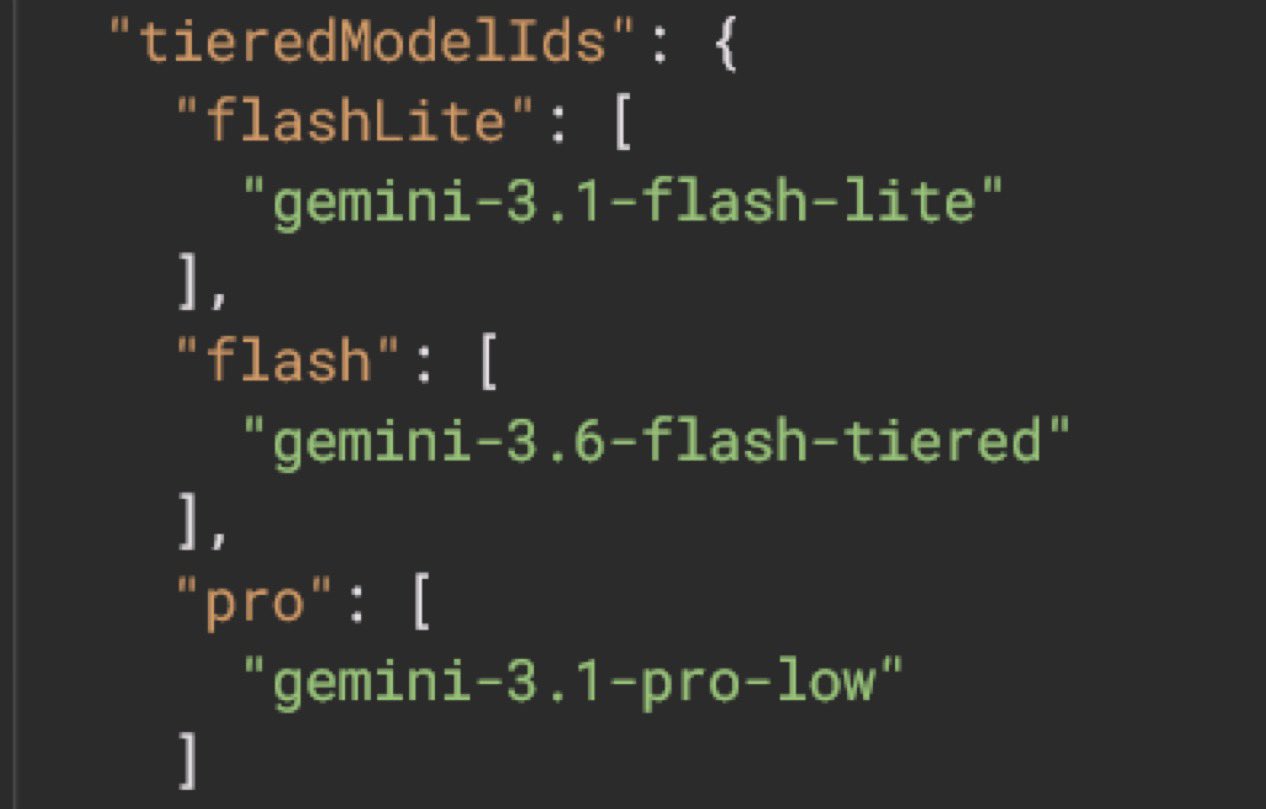




Google Gemini 3.6 Flash Cuts AI Costs 17% | E-Commerce Automation Breakthrough
- Reduces API token costs by 17% for developers; enables cost-effective AI agents for product research, pricing, and customer service automation at scale











Overview
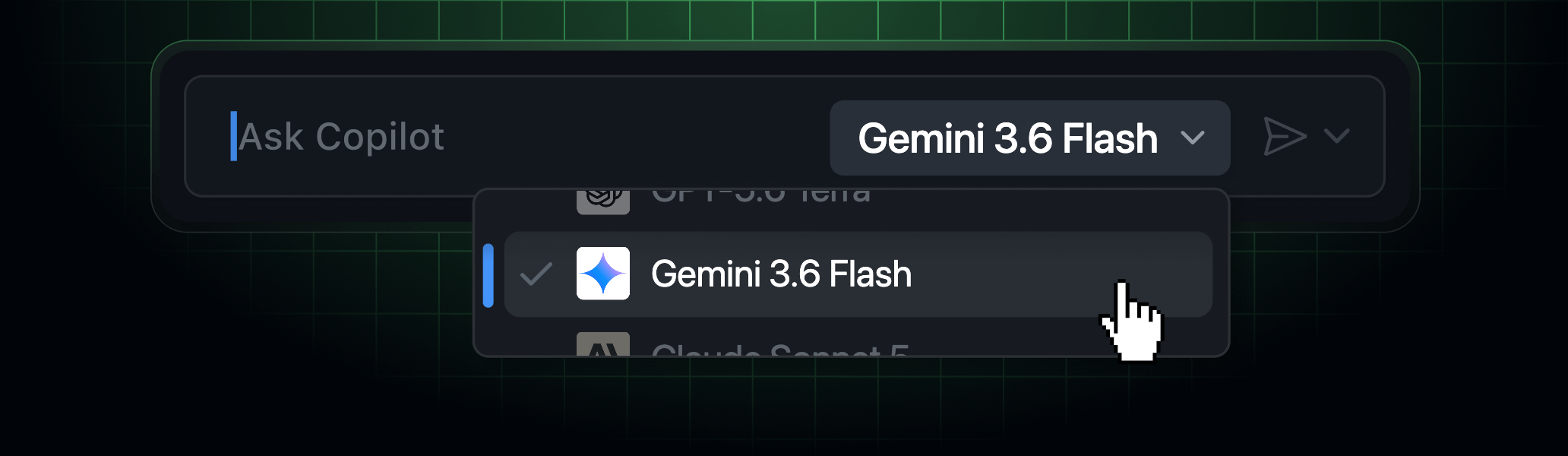
Google's Gemini 3.6 Flash release represents a critical inflection point for e-commerce sellers leveraging AI automation. The new model reduces output token usage by 17% compared to its predecessor while improving coding performance (49% on DeepSWE vs. 37% prior), directly lowering API costs from $9 to $7.50 per million output tokens. Simultaneously, Gemini 3.5 Flash Lite processes 350 tokens per second at ultra-low pricing ($0.31 per million input tokens, $2.50 per million output tokens), making it economically viable for sellers to deploy AI agents for high-volume, repetitive tasks. This pricing efficiency unlocks immediate automation opportunities for mid-market and small sellers who previously couldn't justify AI tool costs.
For e-commerce sellers, the operational impact is substantial across three critical workflows. First, product research automation: Sellers can now deploy AI agents to analyze competitor listings, extract product attributes, and identify trending categories at 65% lower token cost for specialized tasks. A seller running 10,000 daily product research queries previously costing $150/month can reduce costs to $50/month while maintaining accuracy. Second, dynamic pricing optimization: The improved computer use API (83% on OSWorld vs. 78.4% prior) enables AI agents to monitor competitor prices, analyze demand signals, and adjust listings in real-time—tasks that required manual monitoring or expensive third-party tools. Third, customer service automation: Gemini 3.5 Flash Lite's speed (350 tokens/second) makes it ideal for high-throughput document processing, enabling sellers to automate product Q&A responses, return reason analysis, and customer inquiry categorization at scale. Early customers like Hebbia report significant improvements in multimodal document parsing, directly applicable to invoice processing, shipping label extraction, and inventory reconciliation.
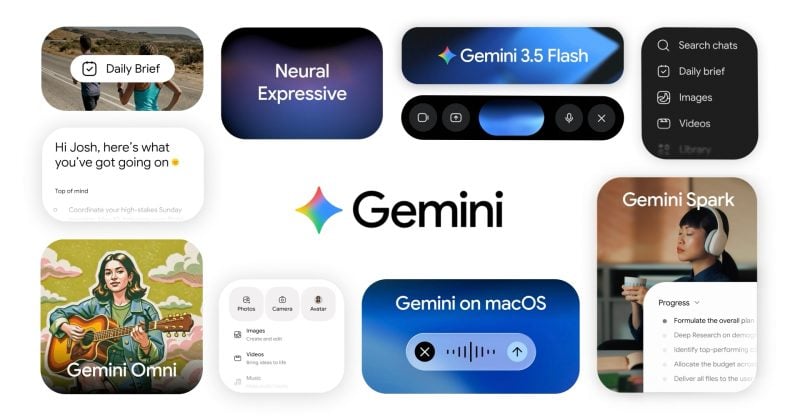
The competitive advantage window is immediate but closing rapidly. Gemini 3.6 Flash rolls out through the API immediately, with 3.5 Flash Lite available to developers now. Sellers who integrate these models into their operations within the next 30-60 days gain 6-12 months of cost advantage before competitors adopt similar automation. The models are accessible via Google AI Studio, Android Studio, and Gemini Enterprise Agent Platform, requiring minimal technical overhead. Sellers should prioritize integration for: (1) listing optimization workflows (product title/description generation), (2) inventory management (SKU categorization, stock forecasting), and (3) marketplace compliance (policy violation detection, VAT/tariff code assignment). The delayed Gemini 3.5 Pro (missed June launch) suggests Google is consolidating its model lineup, making 3.6 Flash the de facto standard for production workloads. Sellers building AI-powered workflows now avoid future migration costs when 3.5 Pro eventually launches.
Questions 8
What is the ROI timeline for sellers implementing Gemini AI automation?
ROI typically materializes within 60-90 days for sellers with 500+ SKUs or 100+ daily customer inquiries. Initial costs include: (1) Development/integration (20-40 hours at $50-150/hour = $1,000-6,000); (2) API usage ($50-500/month depending on volume). Savings accrue from: (1) Labor reduction (20-40 hours/month at $25-50/hour = $500-2,000/month); (2) Improved conversion rates (1-3% lift from optimized listings = $2,000-10,000/month for $100K+ monthly revenue sellers); (3) Reduced customer service costs (30-50% automation = $500-2,000/month). For a mid-market seller with $500K annual revenue, cumulative savings reach $6,000-15,000 annually after accounting for development costs. Sellers should model ROI based on their specific workflows and volume before committing resources.
Are there security or compliance risks with using Gemini AI for e-commerce automation?
Google's Gemini 3.6 Flash includes enhanced Frontier Safety safeguards against misuse, though these focus on CBRN and cyber offense applications rather than e-commerce compliance. Sellers must independently ensure AI-generated content complies with platform policies (Amazon, eBay, Shopify) and regional regulations (FTC guidelines, EU consumer protection laws). Key risks include: (1) AI-generated product descriptions that violate platform guidelines or make unsupported claims; (2) Dynamic pricing that triggers antitrust concerns if coordinated with competitors; (3) Customer data exposure if AI agents process PII without proper safeguards. Sellers should implement human review for 5-10% of AI-generated content initially, then reduce as confidence increases. The Gemini 3.5 Flash Cyber variant (available to governments/partners) suggests Google is developing specialized security models, but these are not yet available to commercial sellers.