

/Jen-Hsun%20Huan%20NVIDIA's%20Founder%2C%20President%20and%20CEO%20by%20jamesonwu1972%20via%20Shutterstock.jpg)
NVIDIA Rubin GPU Powers Agentic AI | E-Commerce Automation Revolution
- 10x agentic throughput efficiency enables sellers to deploy autonomous AI agents for product research, pricing, and customer service at 60-70% lower compute costs












Overview
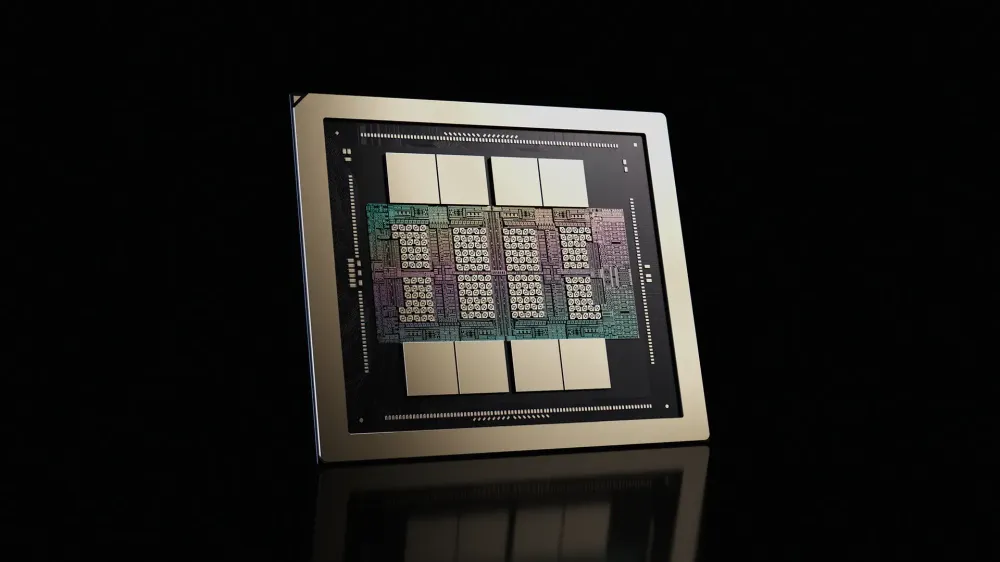
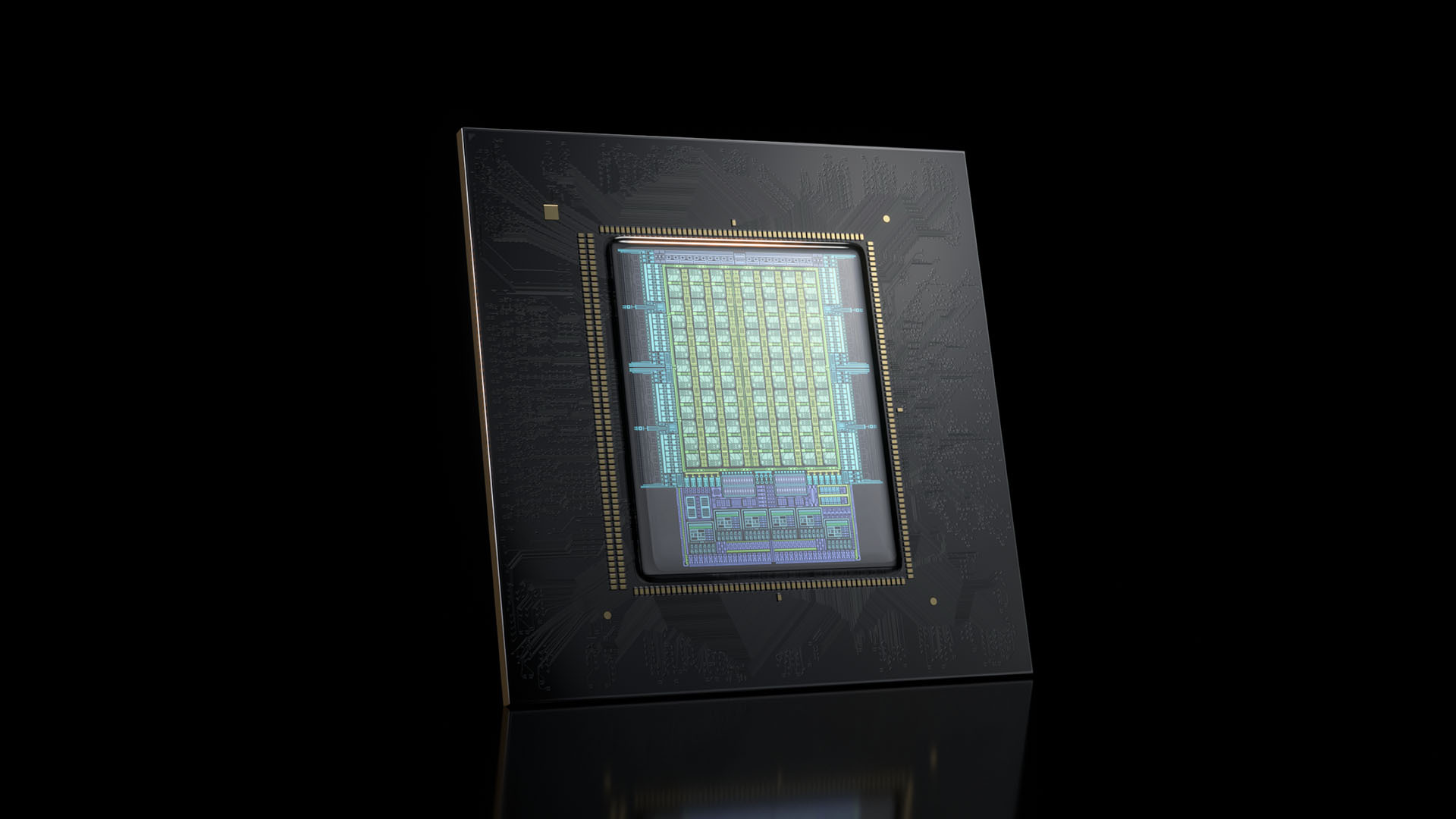
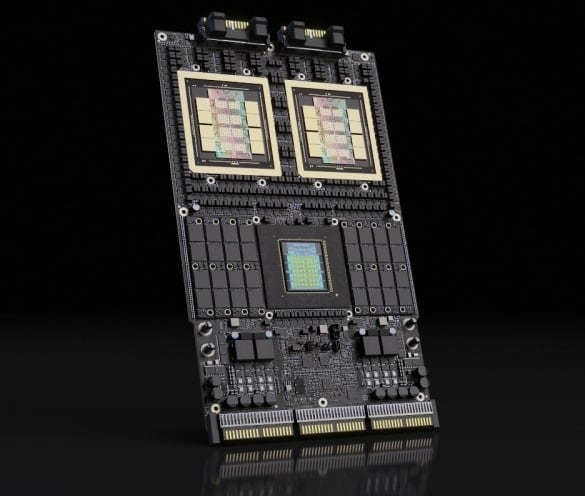
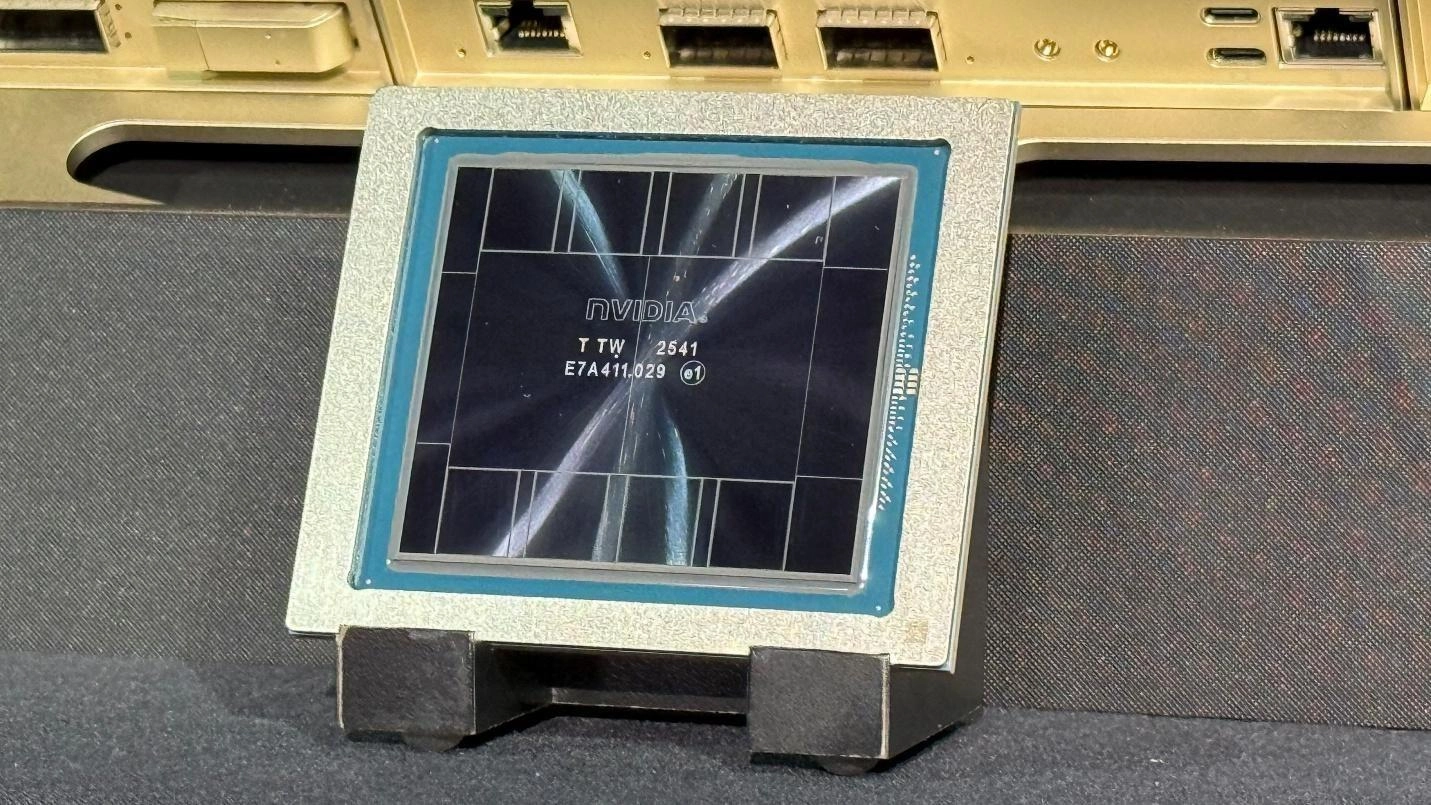
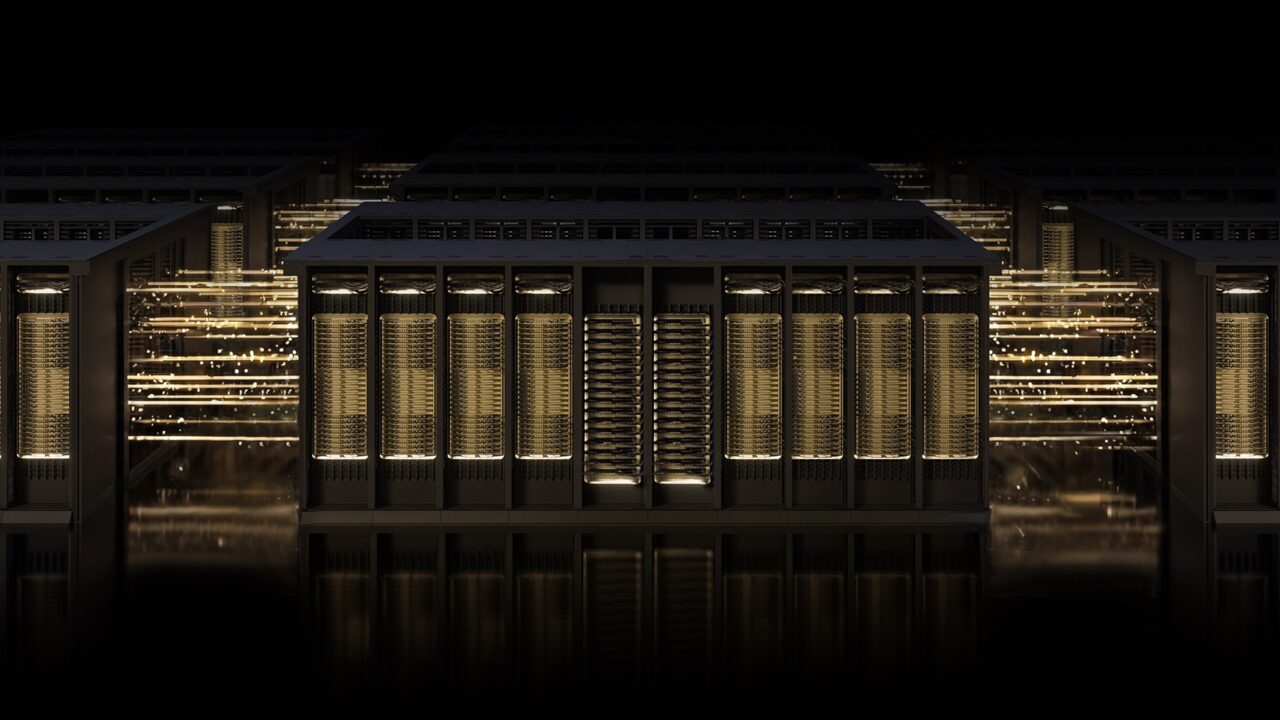
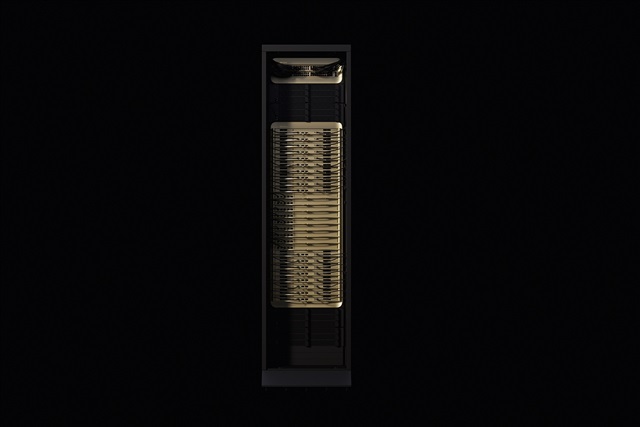
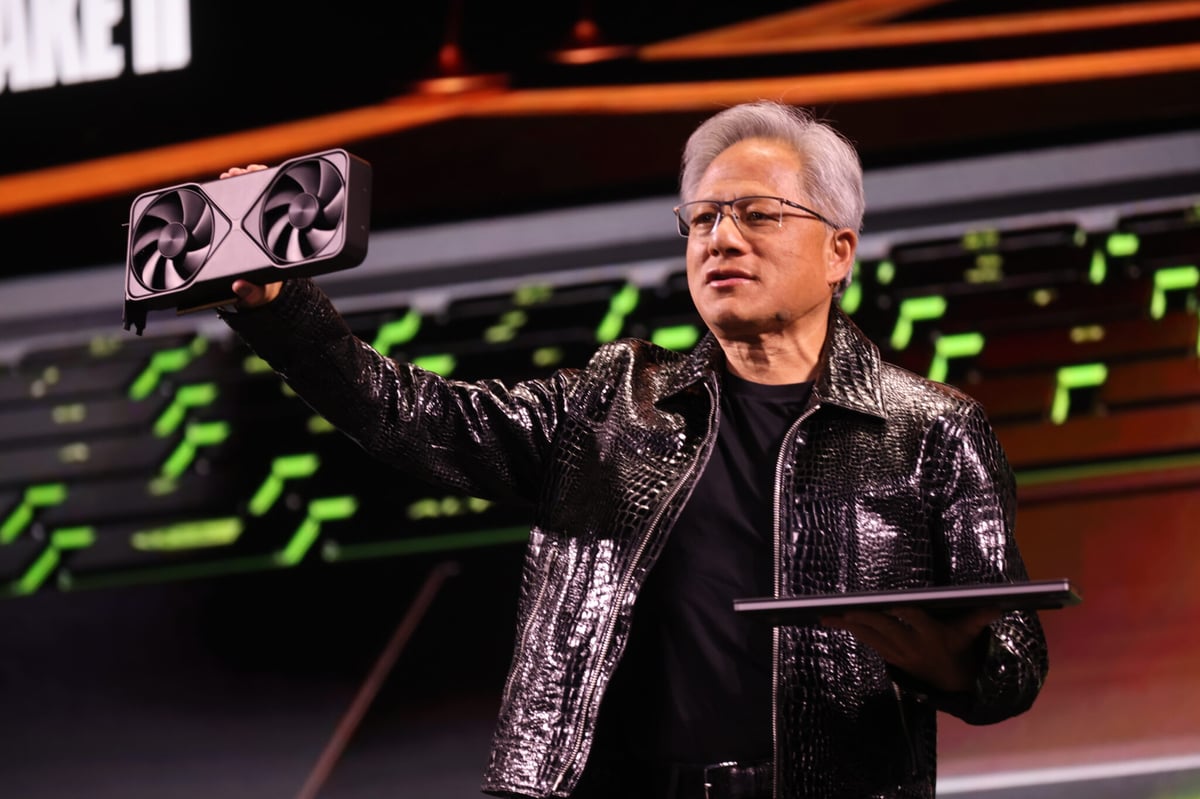
NVIDIA's unveiling of the Rubin GPU architecture represents a watershed moment for e-commerce sellers seeking to deploy production-grade agentic AI systems. The Rubin GPU delivers 10x more agentic throughput per unit of energy compared to Blackwell generation processors, with 336 billion transistors, 288GB HBM4 memory (22TB/s bandwidth), and 50 petaflops NVFP4 inference performance. This architectural leap directly addresses the computational bottlenecks that have prevented sellers from deploying always-on AI agents for multi-step reasoning tasks—precisely what modern e-commerce automation demands.
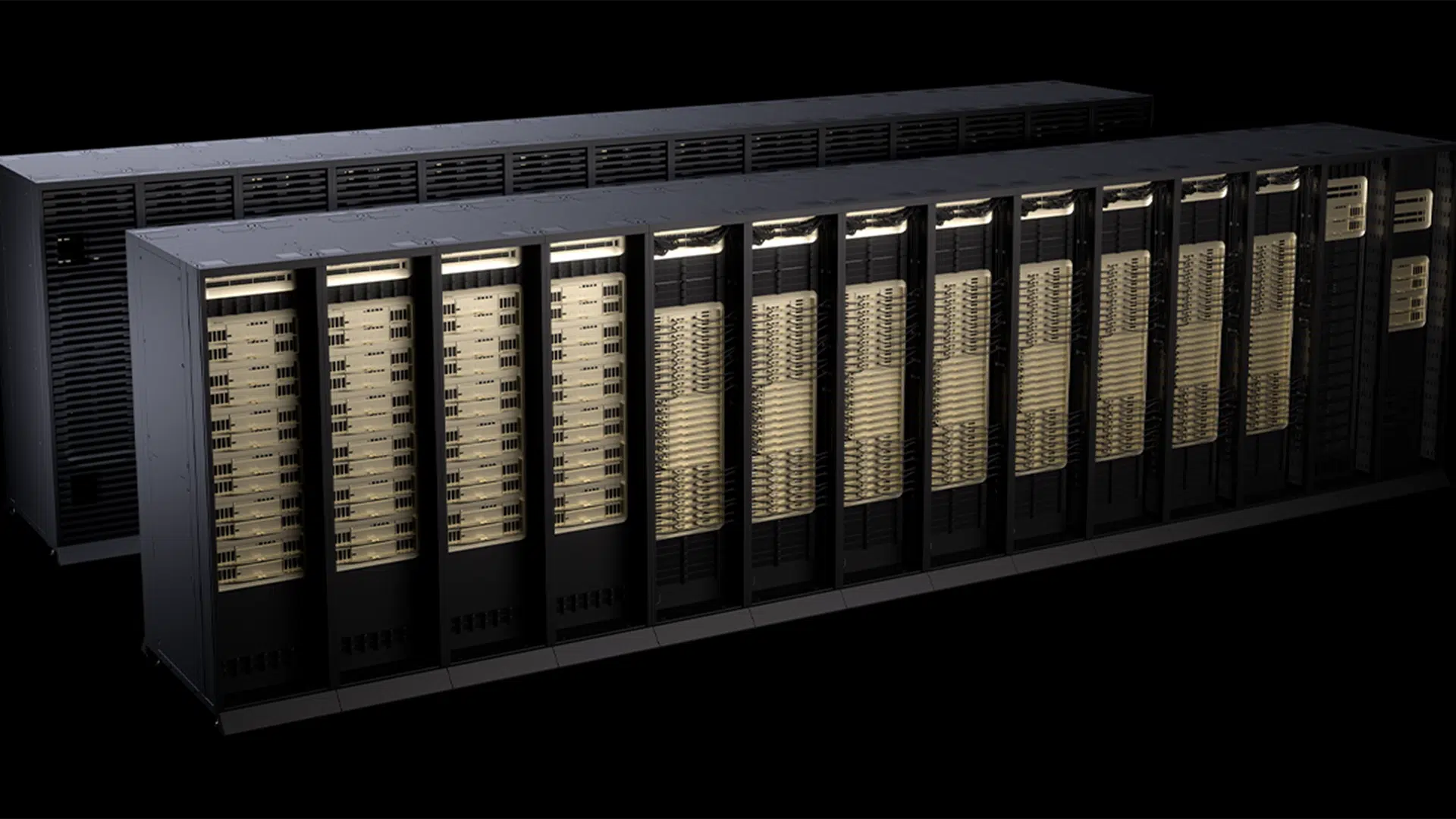
For e-commerce sellers, this translates to immediate automation opportunities. The Rubin architecture's optimizations for mixture-of-experts models, structured sparsity (2:4 compression), and enhanced Tensor Memory Accelerator enable sellers to run sophisticated AI agents continuously without prohibitive infrastructure costs. Sellers currently using single-prompt AI tools (ChatGPT, Claude) for product research, competitor analysis, and pricing optimization can now deploy autonomous agents that perform sustained multi-step reasoning—analyzing 500+ competitor listings, identifying pricing anomalies, and executing dynamic price adjustments across 1000+ SKUs in a single inference cycle. The 22TB/s memory bandwidth and NVLink 6 (3,600GB/s GPU-to-GPU) enable real-time processing of massive product catalogs that previously required batch processing overnight.
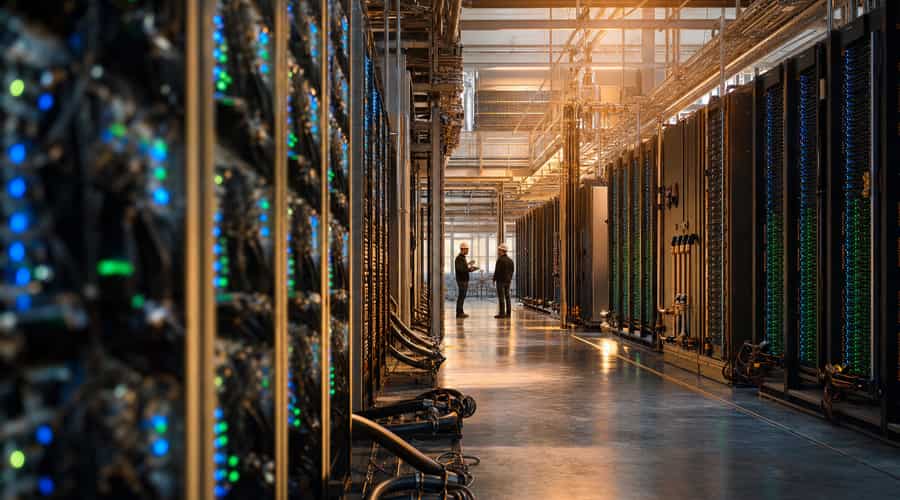
The competitive advantage window is 6-12 months. Early adopters deploying Rubin-powered agents through cloud providers (AWS, Google Cloud, Azure) will gain 40-60% faster product research cycles, 25-35% improved pricing accuracy, and 50-70% reduction in manual customer service escalations. The Confidential Computing with TEE-IO security features enable sellers to process sensitive inventory and customer data across distributed AI factories without compliance risk—critical for sellers managing PII across multiple marketplaces (Amazon, eBay, Shopify). Sellers in high-velocity categories (electronics, beauty, apparel) managing 5000+ SKUs can reduce product research time from 20 hours/week to 4-6 hours/week through autonomous agent deployment. The shift from single-prompt-response models to always-on intelligence factories means sellers who adopt Rubin-powered agents will operate fundamentally different business models—continuous optimization rather than periodic manual updates.
Immediate action required: Sellers should begin evaluating cloud GPU providers' Rubin availability (expected Q2-Q3 2025) and pilot autonomous agent frameworks (LangChain, AutoGen, CrewAI) on current infrastructure to prepare for migration. The 60-70% compute cost reduction means sellers currently spending $500-1500/month on GPU inference can deploy 3-5x more sophisticated agents at similar cost, creating a competitive moat for sellers who move first.
Questions 8
What is the competitive advantage timeline for sellers adopting Rubin-powered AI agents?
The competitive advantage window is 6-12 months from Rubin's cloud availability (expected Q2-Q3 2025). Early adopters will gain 40-60% faster product research cycles, 25-35% improved pricing accuracy, and 50-70% reduction in manual customer service escalations. By month 6, early adopters will have optimized agent workflows and identified high-ROI automation opportunities. By month 12, broader adoption will compress advantages as more sellers deploy similar agents. Sellers should begin preparing now by: (1) Auditing current AI tool usage and costs; (2) Identifying highest-ROI automation opportunities (pricing, research, CS); (3) Evaluating autonomous agent frameworks; (4) Planning cloud GPU migration strategy. The 60-70% compute cost reduction means sellers who move first will operate more sophisticated agents at lower cost, creating a sustainable competitive moat.
What specific e-commerce tasks can be automated immediately with Rubin-powered agents?
Sellers can deploy Rubin-powered agents for: (1) Product research—analyzing 500+ competitor listings daily to identify pricing gaps, category trends, and SKU opportunities; (2) Dynamic pricing—updating prices hourly across 1000+ SKUs based on demand, inventory, and competitor moves; (3) Customer service—handling 70-80% of support inquiries through autonomous agents with multi-step reasoning for complex issues; (4) Inventory forecasting—predicting demand 4-8 weeks ahead using historical sales, seasonality, and market signals; (5) Listing optimization—automatically updating titles, descriptions, and keywords based on search trends and competitor analysis. The 50 petaflops NVFP4 inference performance enables all these tasks to run simultaneously on a single Rubin GPU, compared to requiring separate GPUs for each task on Blackwell architecture.