


Tariff Refund Litigation Sets Precedent for Electronics Sellers | Price-Passing Legal Risk 2025-2026
- Nintendo faces class-action lawsuit over 30-50% Switch price increases; Supreme Court ruling creates $2B+ refund exposure for consumer electronics importers; establishes legal precedent on tariff cost-passing obligations












Overview
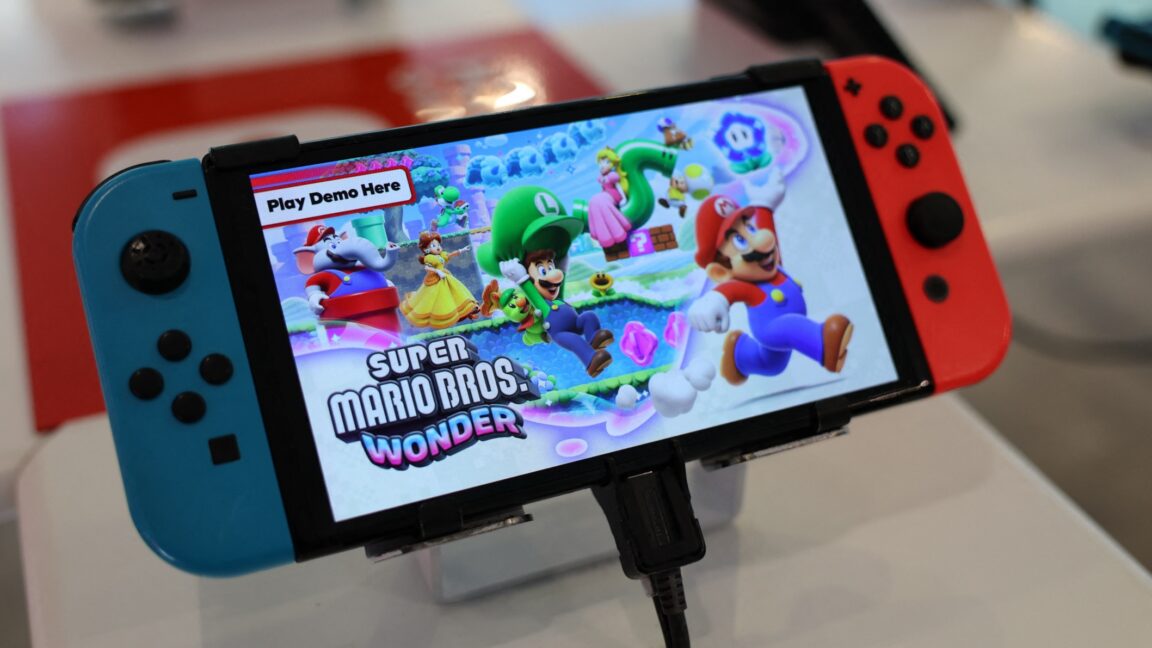
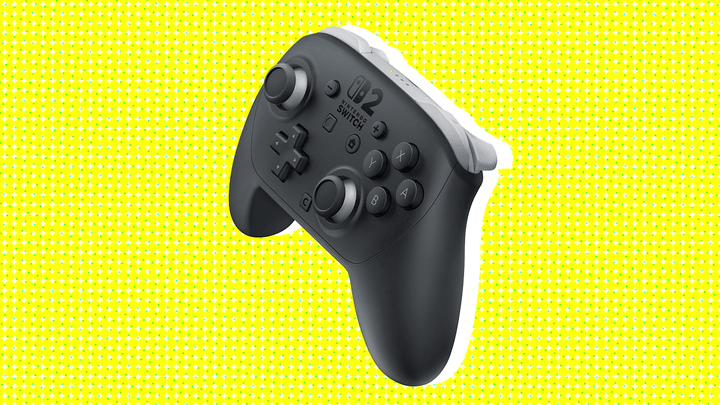
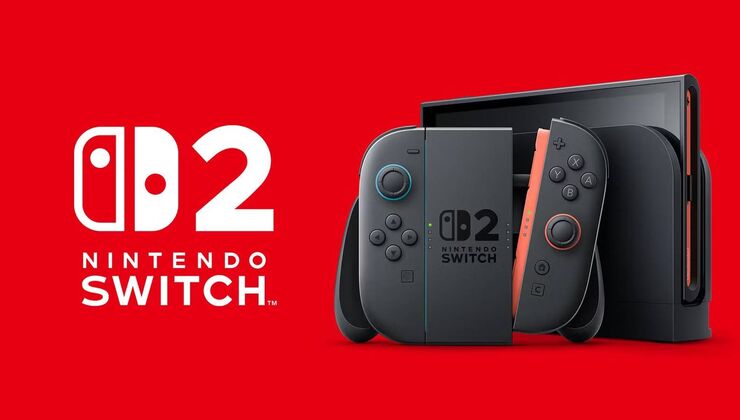
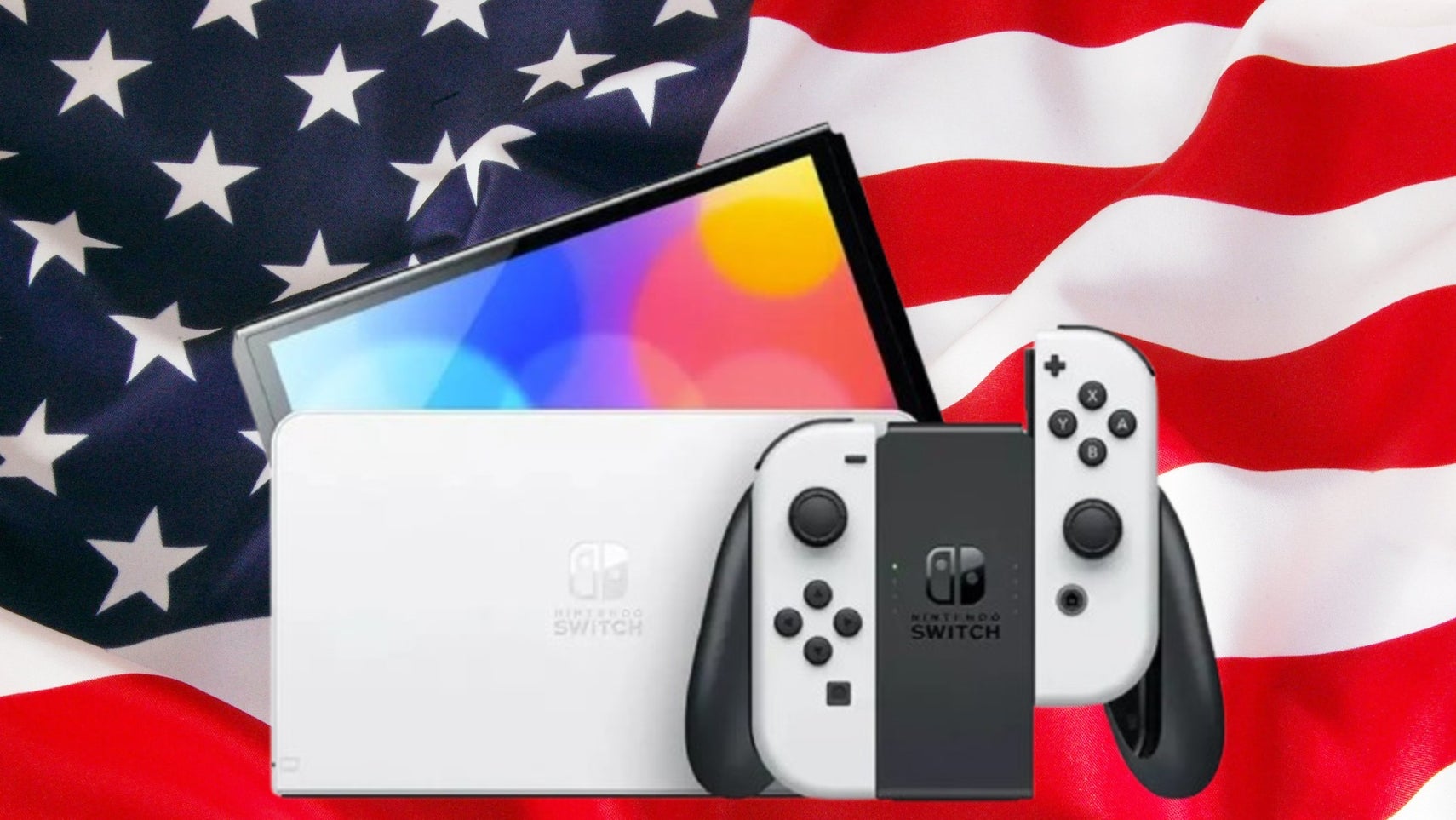
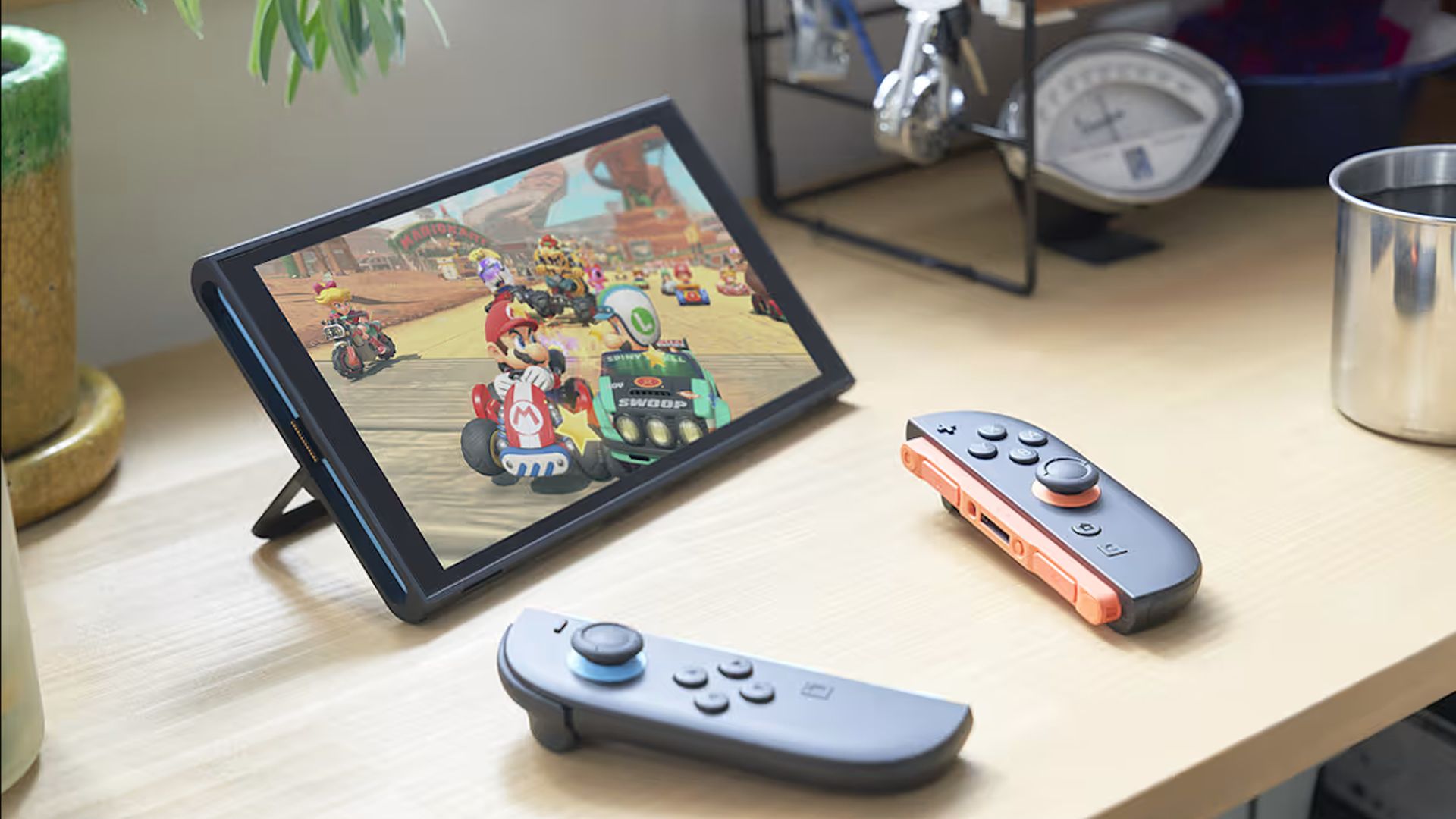
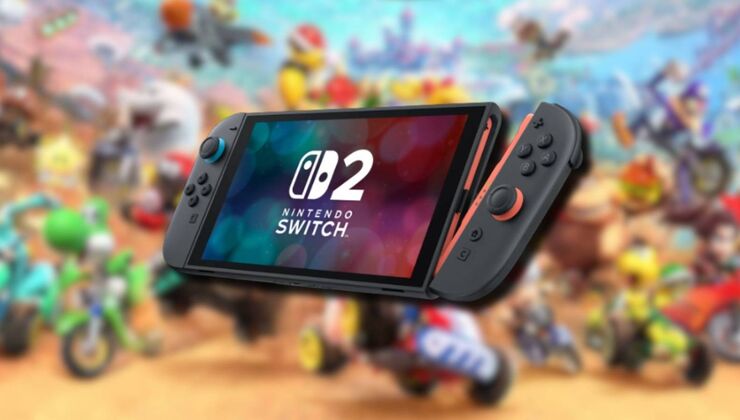
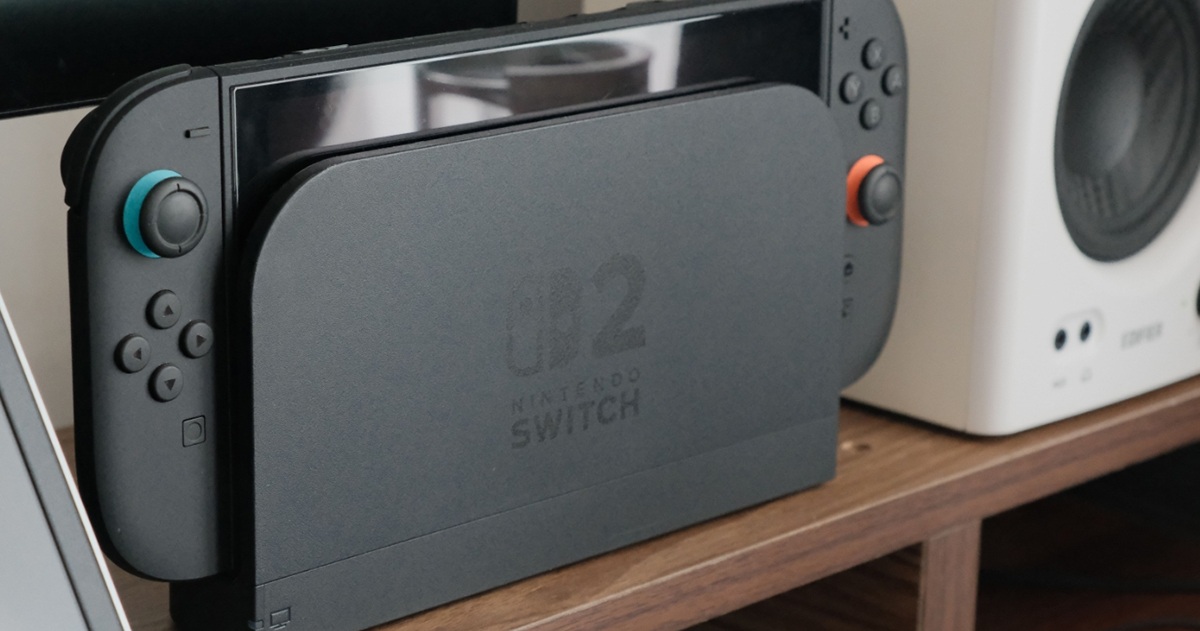
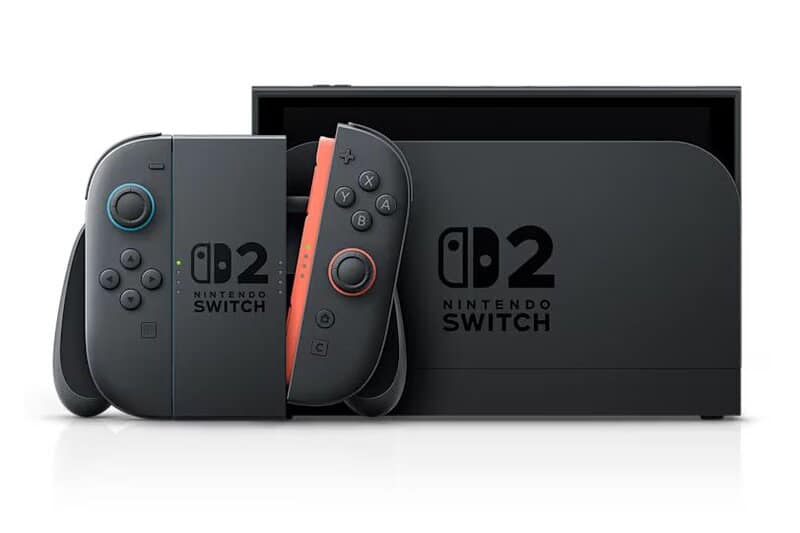
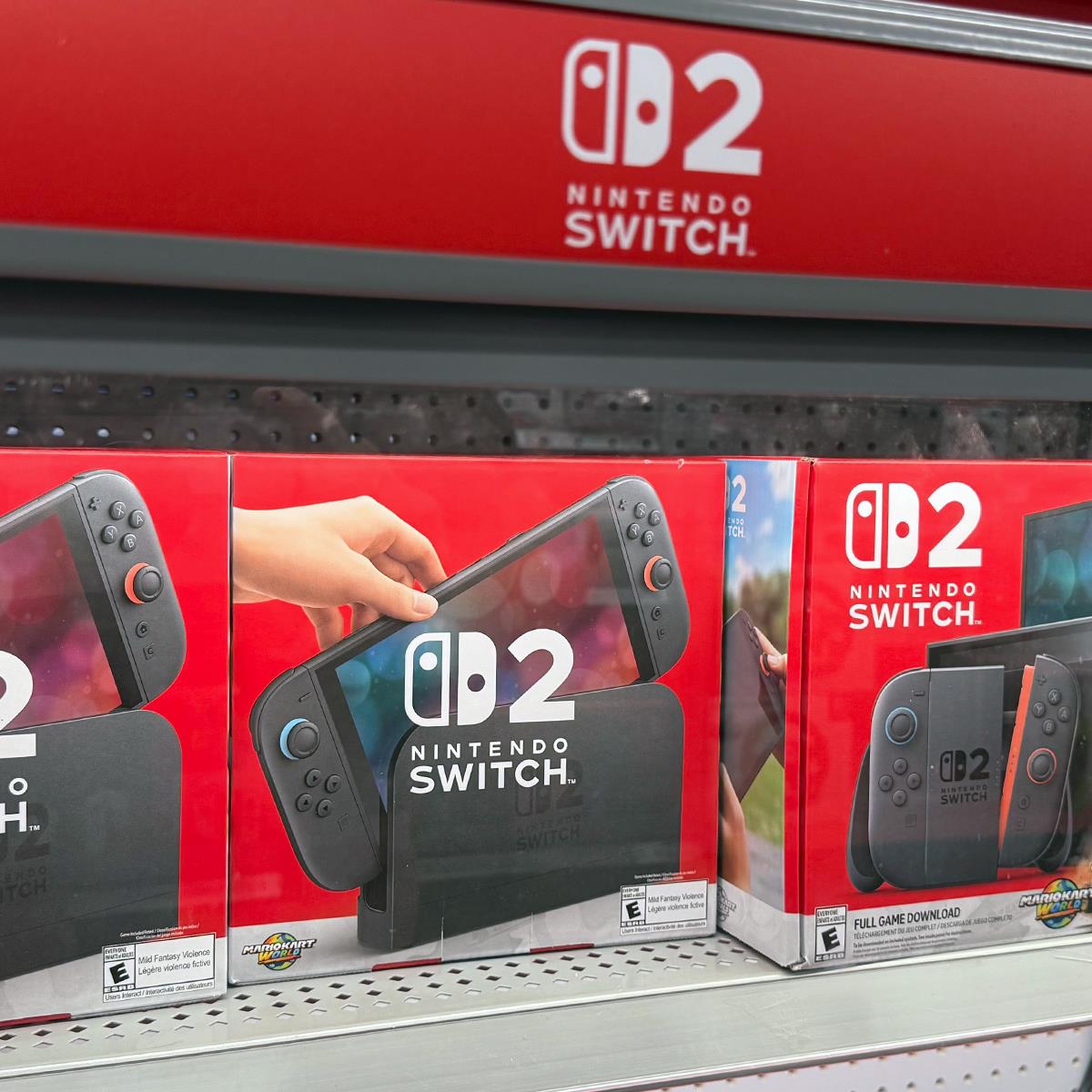
The Nintendo tariff refund litigation represents a watershed moment for cross-border electronics sellers, establishing potential legal obligations to pass government tariff refunds to consumers who paid inflated prices. Between February 2025 and February 2026, Nintendo increased original Switch console prices by 30-50% and added 5-10% to Switch 2 accessory prices in response to U.S. tariffs. After the U.S. Supreme Court ruled these tariffs illegal in February 2025, Nintendo sued the U.S. government for refunds in March 2025. However, the company refused to retroactively adjust consumer prices, triggering a class-action lawsuit filed in April 2026 by California resident Gregory Hoffert and Washington resident Prashant Sharan in U.S. District Court for the Western District of Washington, seeking relief for all U.S. residents who purchased Nintendo products during the tariff period.
Nintendo's legal defense creates significant implications for electronics sellers on Amazon, eBay, and Shopify. The company argues consumers "received exactly what they bargained for" at advertised prices and have no legal entitlement to tariff refunds the company receives from government. Nintendo claims it absorbed tariff costs on flagship products like the Nintendo Switch 2 (maintained at $449.99 despite tariff pressures) and implemented only "modest and selective price adjustments" influenced by memory, labor, and shipping costs. However, plaintiffs allege unjust enrichment and violations of Washington's Consumer Protection Act, claiming Nintendo engaged in "double-dipping" by raising prices due to tariffs while simultaneously seeking government refunds without consumer compensation. A parallel lawsuit filed in May 2026 against Sony regarding PlayStation console pricing suggests this legal framework may extend across the consumer electronics sector.
The case establishes critical precedent regarding tariff cost-passing obligations and competitive dynamics among importers. Industry analysts estimate gaming hardware faces 10-25% duty increases depending on product classification (HS codes 8471-8528 range). Nintendo's strategy of selective price absorption on flagship products while raising accessory prices reflects a calculated approach to maintain profit margins while managing consumer perception. However, the lawsuit's success could force electronics sellers to choose between: (1) absorbing tariff costs entirely, (2) implementing transparent price increases with clear tariff disclosure, or (3) establishing escrow mechanisms for potential refunds. The outcome will likely influence how Sony, Microsoft, and third-party electronics sellers on Amazon FBA and Shopify handle future tariff situations, potentially creating competitive advantages for sellers who proactively communicate tariff strategies to consumers.
Questions 8
What tariff rates apply to gaming hardware and how do they affect seller margins?
Gaming hardware faces 10-25% duty increases depending on product classification under HS codes 8471-8528 (computer and electronic equipment). Nintendo's 30-50% price increase on Switch consoles and 5-10% increase on accessories suggests the company passed tariff costs plus margin expansion to consumers. For Amazon FBA sellers, a 10-25% tariff increase on products with typical 30-40% gross margins compresses profitability by 8-15 percentage points. Sellers should calculate tariff exposure by HS code classification and consider sourcing alternatives (Vietnam, India, Mexico) that face lower tariff rates. The U.S. Court of International Trade ruling on Nintendo's refund request will clarify tariff liability and may influence future tariff policy, affecting seller cost structures through 2026-2027.
What should electronics sellers do now to prepare for tariff refund precedent?
Electronics sellers should immediately: (1) document all tariff-related price increases implemented between February 2025-February 2026 with clear cost justification; (2) review state consumer protection laws (particularly Washington, California, and New York) regarding price-passing obligations; (3) establish clear tariff cost-passing policies in product listings and terms of service; (4) consider implementing escrow or refund mechanisms for potential government tariff refunds; (5) monitor the Nintendo lawsuit outcome in U.S. District Court for the Western District of Washington; and (6) evaluate sourcing alternatives in lower-tariff countries. Sellers should also prepare for potential retroactive refund obligations if courts establish that tariff refunds must be passed to consumers, potentially requiring reserve funds or customer credit mechanisms.