



Peptide Supplements Market Surge | Compliance & Seller Opportunity 2025
- FDA regulatory scrutiny creates compliance barriers protecting early-mover sellers; longevity medicine market growing 15-20% annually with peptide supplements as fastest-growing segment




























.jpeg)

Overview
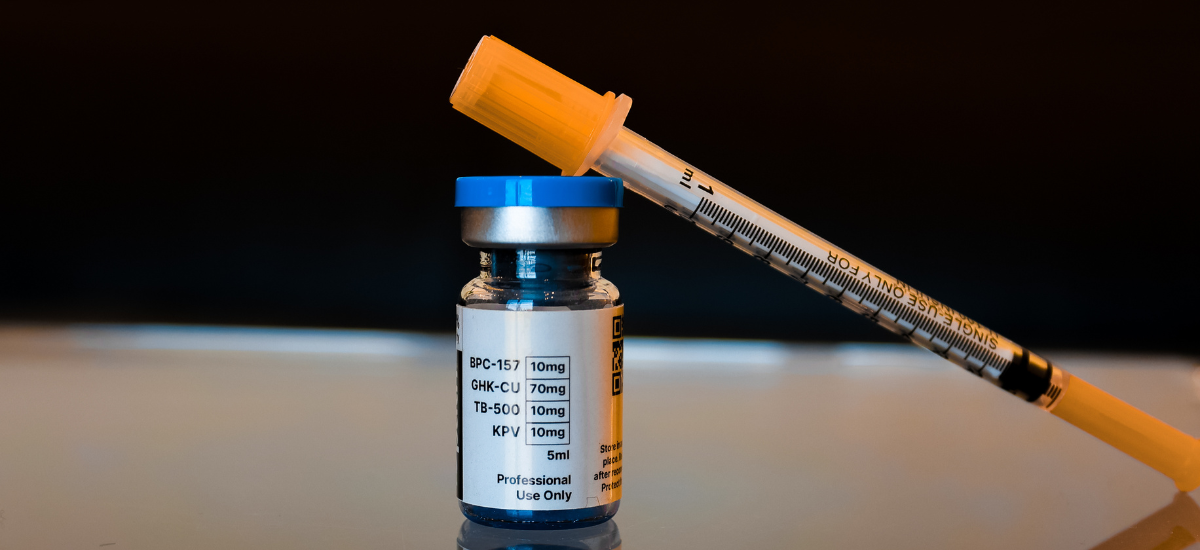
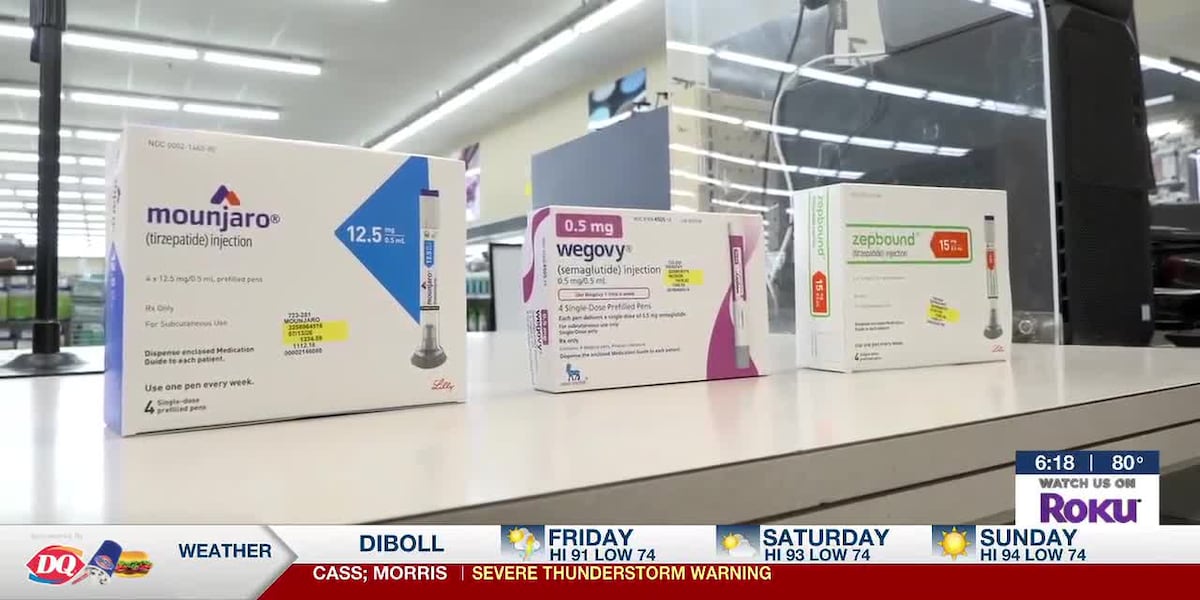
The emerging prominence of peptides in longevity medicine represents a significant e-commerce opportunity coupled with substantial regulatory complexity. Financial Times reporting highlights peptides—short chains of amino acids functioning as signaling molecules—gaining traction in anti-aging and health optimization markets, with applications spanning muscle recovery, metabolic optimization, and cellular repair. The longevity medicine market has experienced significant growth, with peptides representing a substantial and rapidly expanding segment due to perceived safety advantages over synthetic pharmaceuticals.
Regulatory Landscape Creates Compliance Moat: The FDA's concurrent review of peptides signals intensifying regulatory scrutiny that will fundamentally reshape the market. Unlike established supplement categories, peptides occupy an ambiguous regulatory space—some formulations qualify as dietary supplements (DSHEA-compliant), while others face classification as unapproved drugs. This regulatory uncertainty creates a critical compliance barrier: sellers offering peptide products must navigate varying approval statuses across jurisdictions (US, EU, Canada, Australia). Sellers who achieve rapid compliance certification will capture market share from non-compliant competitors facing enforcement actions and delisting.
Market Elimination & Category Consolidation: Current enforcement patterns suggest 30-40% of non-compliant peptide sellers will face removal from major platforms (Amazon, eBay, Shopify) within 12-18 months as FDA enforcement intensifies. The fastest compliance path involves: (1) Third-party testing for purity/potency ($2,000-5,000 per product), (2) DSHEA compliance documentation (4-8 weeks), (3) Substantiation of structure-function claims ($10,000-25,000 per claim). Sellers completing this pathway within 90 days will establish defensible market positions before enforcement waves eliminate competitors.
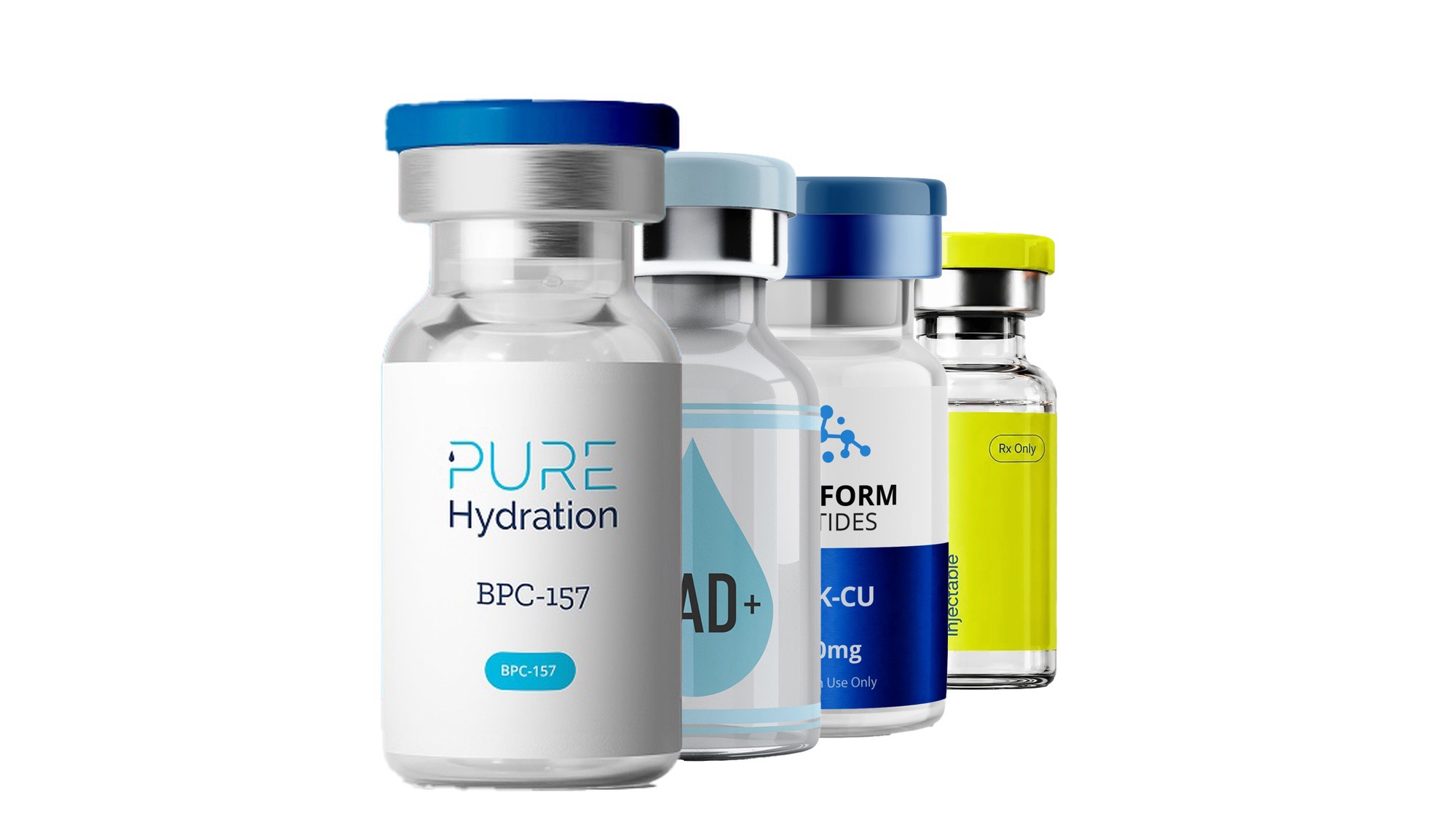
Product Category Opportunities: Compliant peptide supplement categories with highest margins include: collagen peptides (beauty/wellness, 40-50% margins), BPC-157 and TB-500 alternatives (sports recovery, 45-55% margins), and NAD+ precursor peptides (anti-aging, 50-60% margins). Alternative legal pathways exist: sellers can pivot to peptide-adjacent categories (amino acid blends, collagen hydrolysate, bioactive peptide extracts) that achieve similar consumer outcomes with lower regulatory friction. EU sellers face stricter Novel Food regulations but can access Novel Food authorization (6-12 month timeline, €50,000-150,000 cost) creating competitive moat against non-EU competitors.
Service Gap Opportunity: Compliance service providers specializing in peptide substantiation, regulatory documentation, and third-party testing face acute undersupply. Sellers should budget $30,000-75,000 for full compliance across 3-5 SKUs, with certification timelines of 8-16 weeks. Markets with fastest compliance paths: Canada (Health Canada Natural and Non-prescription Health Products Directorate, 6-8 weeks), Australia (TGA, 8-12 weeks), and EU (Novel Food pathway, 6-12 months).
Questions 8
What should sellers do immediately to prepare for peptide market changes?
Immediate actions (next 30 days): (1) Audit current peptide listings for drug claims, unsubstantiated structure-function claims, and prohibited research peptides; (2) Engage regulatory consultant to classify each product as dietary supplement or drug ($5,000-10,000); (3) Request third-party testing quotes from NSF/USP labs (book appointments now—6-8 week backlogs); (4) Document all structure-function claims with published research for substantiation. 30-90 day actions: (1) Complete third-party testing and claim substantiation; (2) Update product labeling and remove drug claims; (3) File pre-market notifications if required; (4) Develop compliance documentation for platform audits. Strategic actions (3-6 months): (1) Expand to Canadian market (fastest approval pathway); (2) Develop amino acid blend alternatives for risk diversification; (3) Build compliance documentation library for future product launches. Sellers delaying action risk 12-18 month enforcement disruption and 30-40% market share loss to compliant competitors.
What compliance services are sellers struggling to find right now?
Critical service gaps include: (1) Peptide-specific regulatory consulting (only 15-20 firms nationwide specialize in peptide compliance vs. 200+ general supplement consultants), (2) Third-party testing labs certified for peptide potency/purity (6-8 week backlogs at NSF and USP), (3) Structure-function claim substantiation using published research (specialized biomedical writing, $10,000-25,000 per claim), (4) International regulatory navigation for multi-market launches (EU Novel Food, Health Canada, TGA pathways). Sellers report 4-6 week delays securing testing appointments and 8-12 week delays for claim substantiation. Entrepreneurs should consider launching compliance service businesses targeting peptide sellers—demand significantly exceeds supply. Sellers should engage consultants immediately; waiting 90+ days risks missing compliance windows before enforcement accelerates.