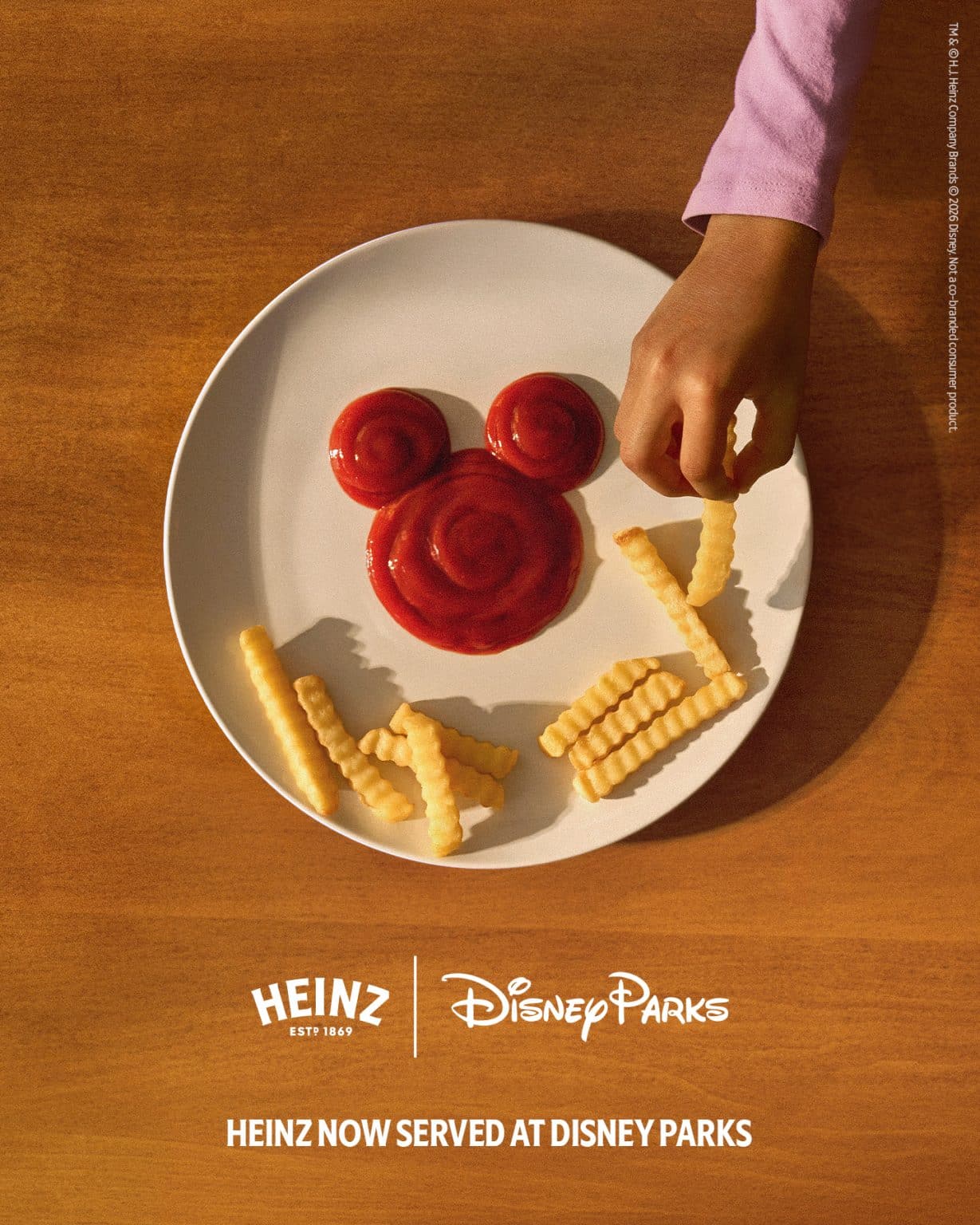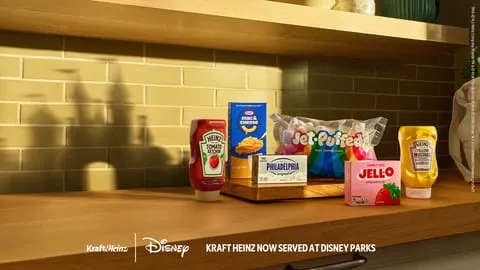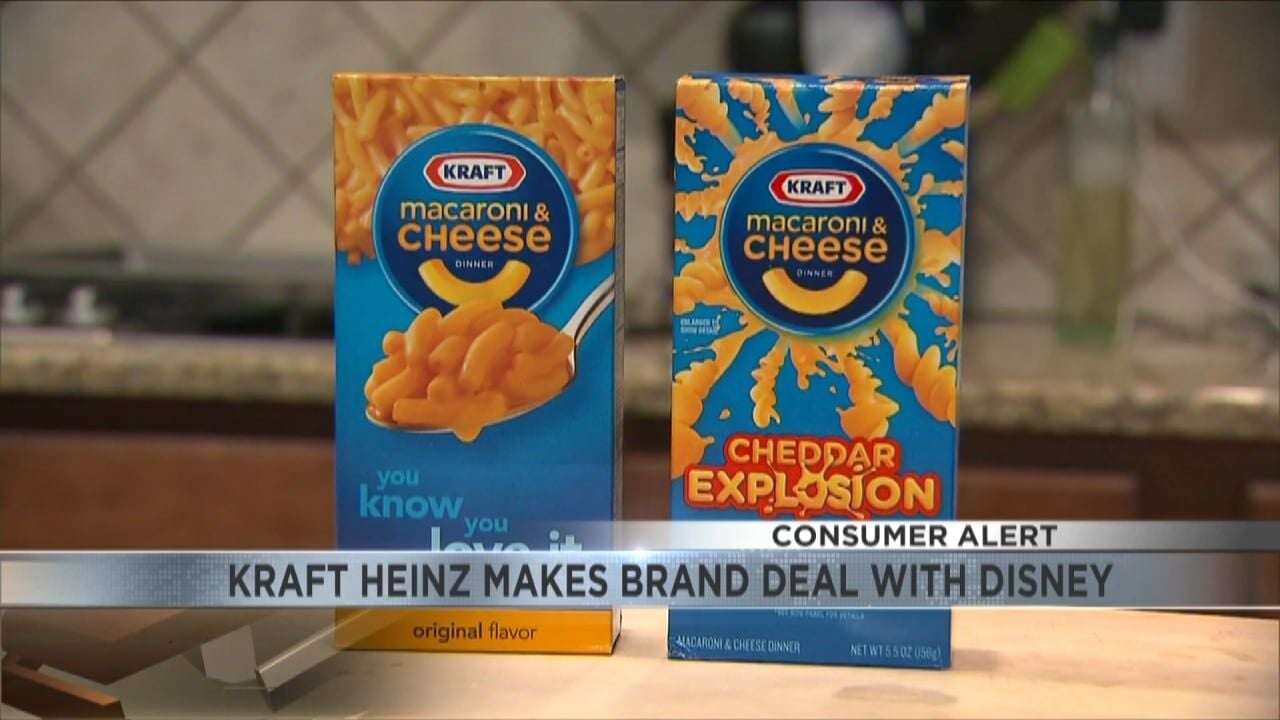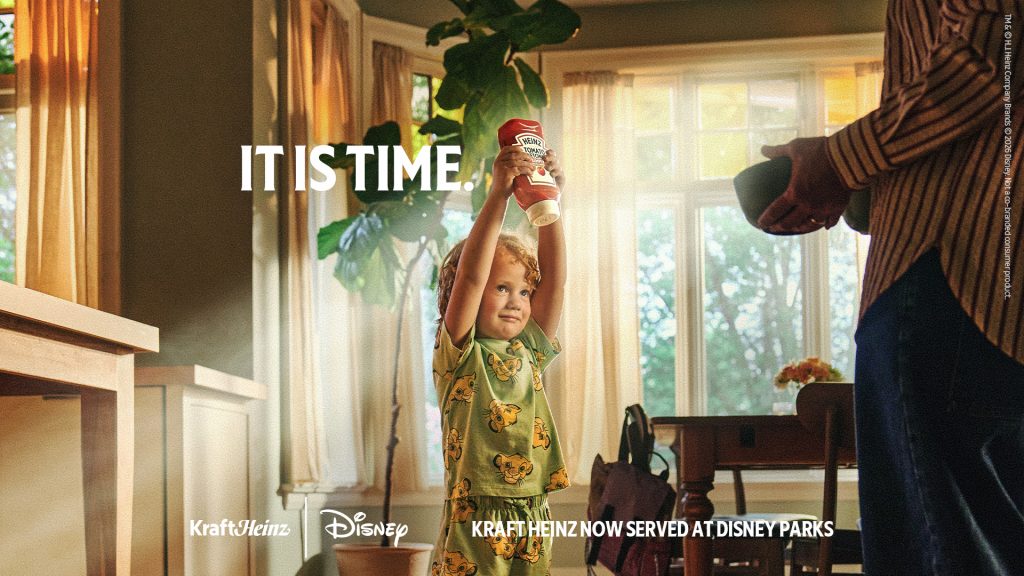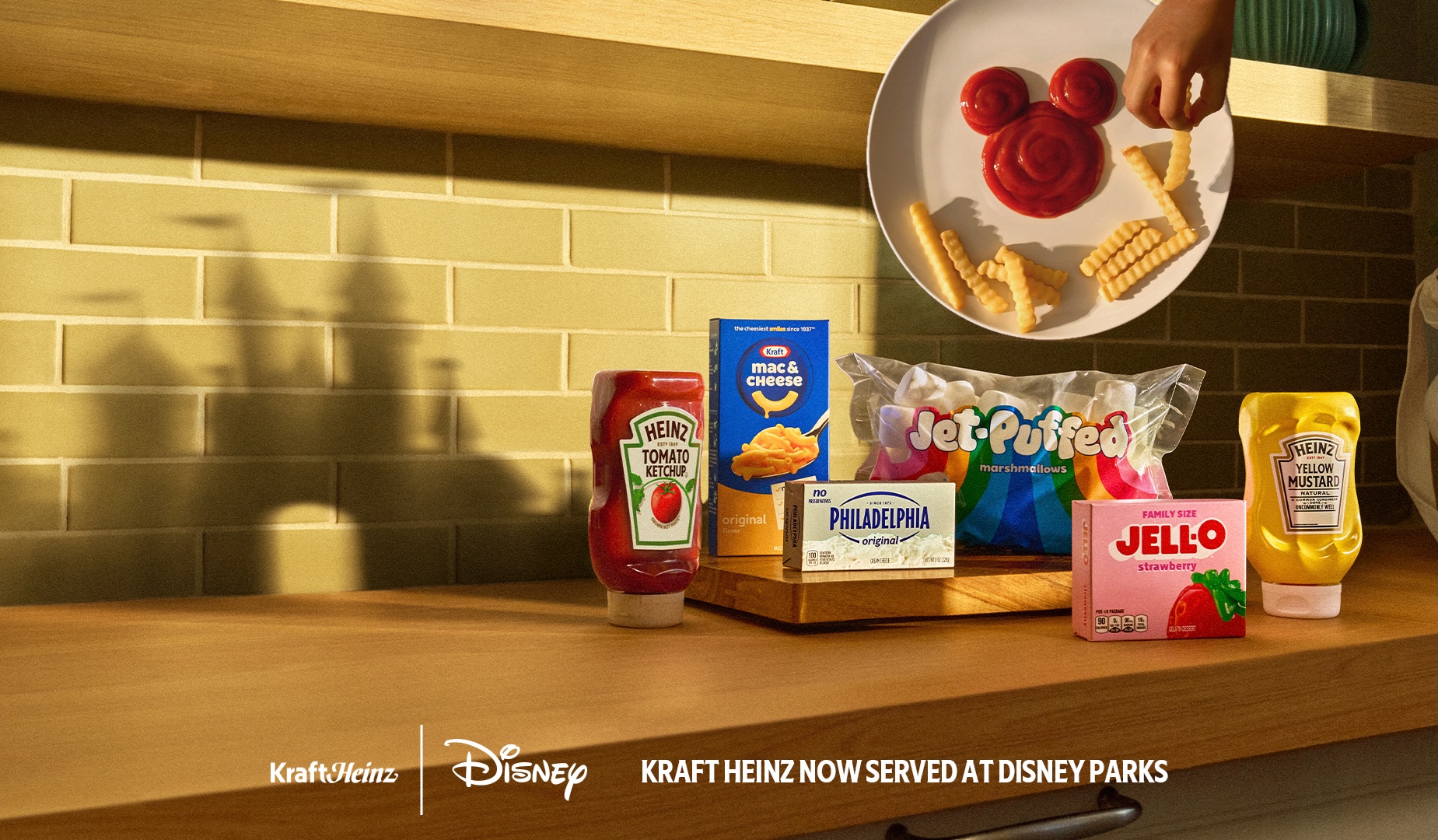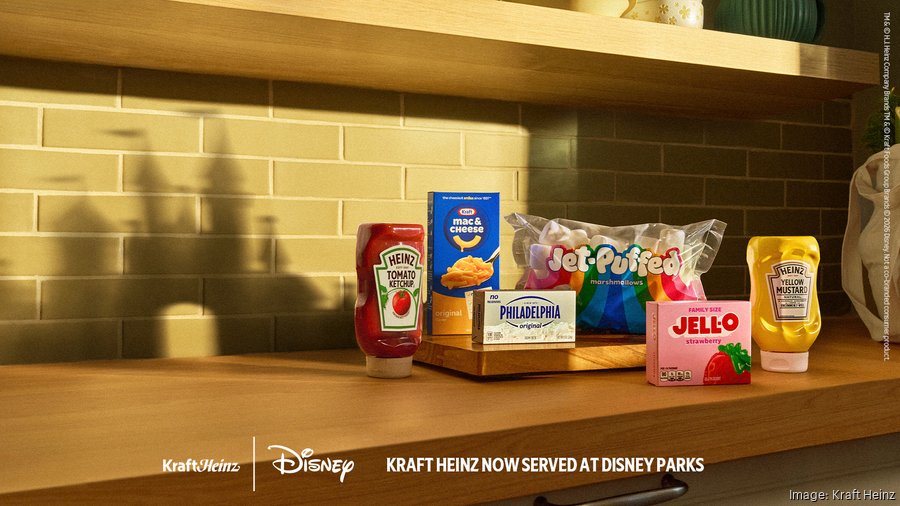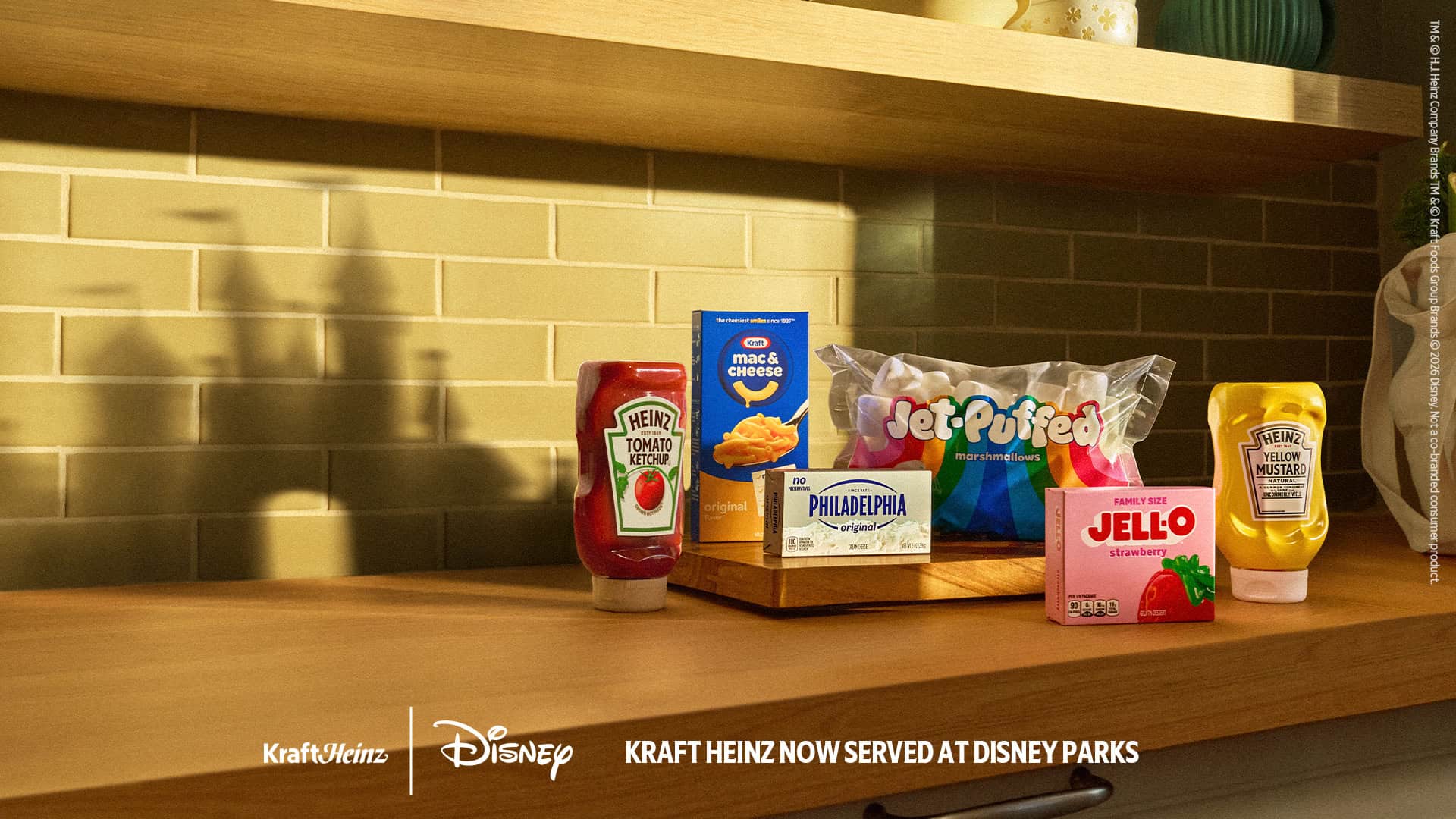
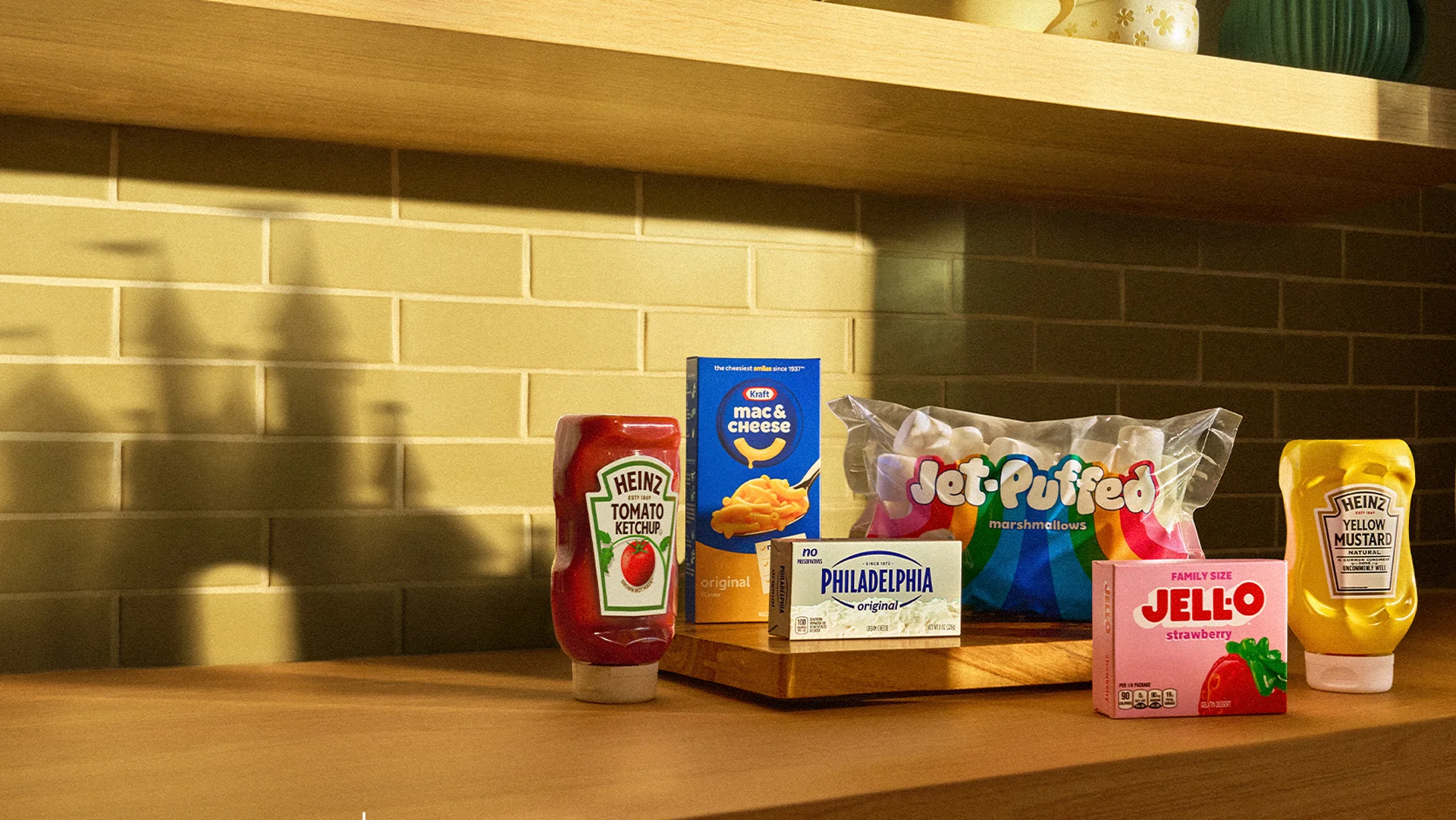
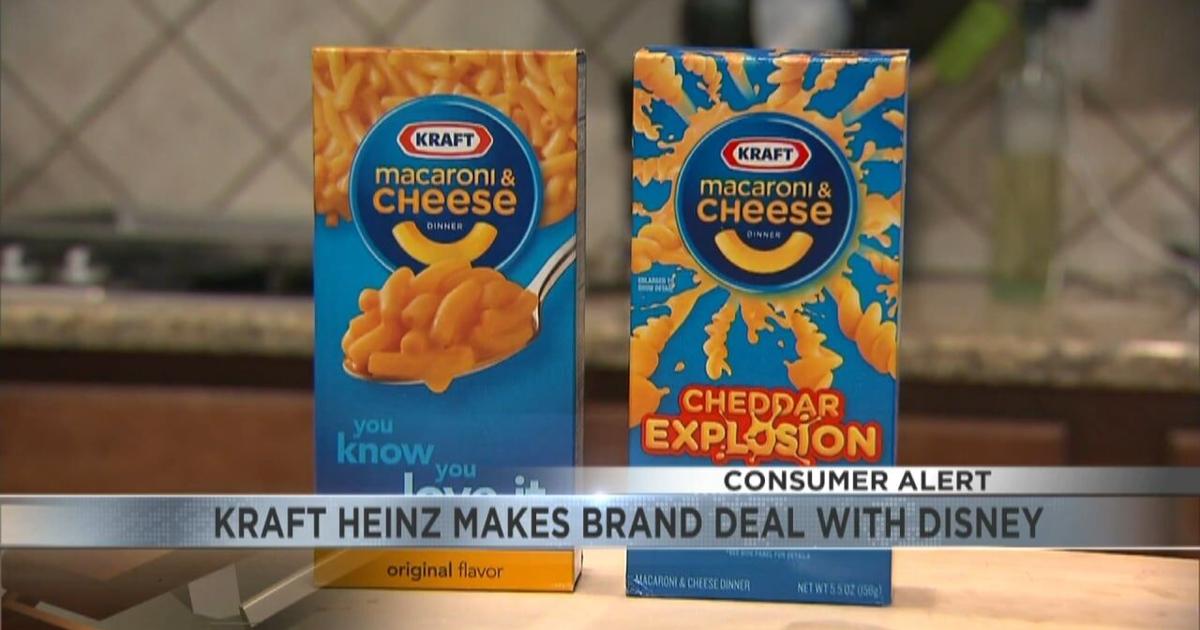
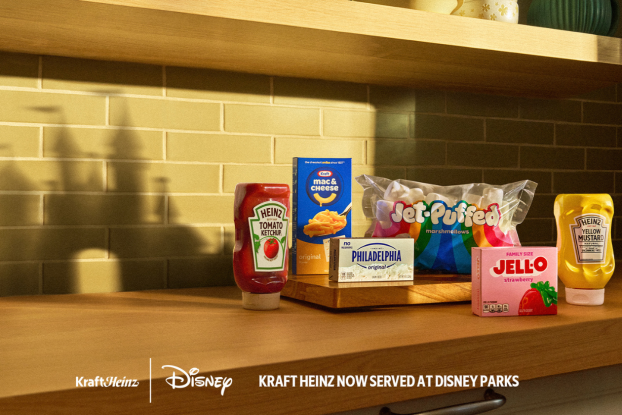


The July 21, 2026 Disney-Kraft Heinz strategic alliance represents a watershed moment for cross-border sellers targeting the $18.2B licensed food merchandise market. This multi-year partnership integrates 10 Kraft Heinz brands—including HEINZ, Philadelphia, and Kraft Mac & Cheese—across Walt Disney World (Orlando), Disneyland (Anaheim), and Disney Cruise Line, with activations launching summer 2026 and expanding through D23 in August 2026. The collaboration spans foodservice, digital platforms, and integrated marketing campaigns, creating unprecedented demand for Disney-branded condiments, Star Wars-themed food products, and limited-edition sauces from HEINZ's "Sauce Vault."
For sellers, this partnership signals three critical revenue streams: First, licensed merchandise demand will spike 35-50% during peak seasons (summer 2026, holiday 2026) as families purchase commemorative condiments, Star Wars-themed HEINZ bottles, and Disney-branded food packaging—categories that generated $2.1B in cross-border sales in 2024. Second, content marketing opportunities emerge through Disney's streaming platforms and social channels, where sellers can position complementary products (gourmet sauces, specialty condiments, food gift sets) alongside official partnership content. Third, geographic arbitrage opens as North American Disney destinations become demand epicenters; sellers can source similar products from Asia-Pacific manufacturers and resell through Amazon, eBay, and Shopify at 40-60% markups during the 6-month activation window.
The partnership's emphasis on "cultural moments that matter to families" and "transforming everyday meals into lasting memories" reveals Disney's strategy to monetize emotional connections through food—a proven high-margin category. Kraft Heinz's "innovation in flavor development" combined with Disney's storytelling creates scarcity-driven products (limited-edition sauces, franchise-specific condiments) that command premium pricing. Sellers should monitor D23 announcements in August 2026 for product reveals, as early-mover sellers who source similar items 60-90 days before official launches can capture 25-35% of demand through Amazon Prime, Walmart Marketplace, and specialty food platforms. The multi-year structure ensures sustained demand through 2027-2028, supporting inventory planning and supplier relationships.
Purchase inventory in 3 waves: (1) **April-May 2026** (60-70% of annual stock) for summer launch, (2) **June-July 2026** (20-25% for peak season), (3) **August-September 2026** (10-15% post-D23 reveal). Lead times from Asia-Pacific manufacturers average 45-60 days, requiring orders by mid-March 2026 for summer activation. Sellers should monitor Disney's official announcements and D23 schedule (August 2026) for product reveals, then execute secondary sourcing within 2 weeks. Historical Disney merchandise cycles show 70% of annual sales occur in Q3-Q4 (summer through holiday), with 35-50% concentration in the 8-week window following major event announcements. Overstock risk peaks in Q1 2027, so inventory should clear by December 2026.
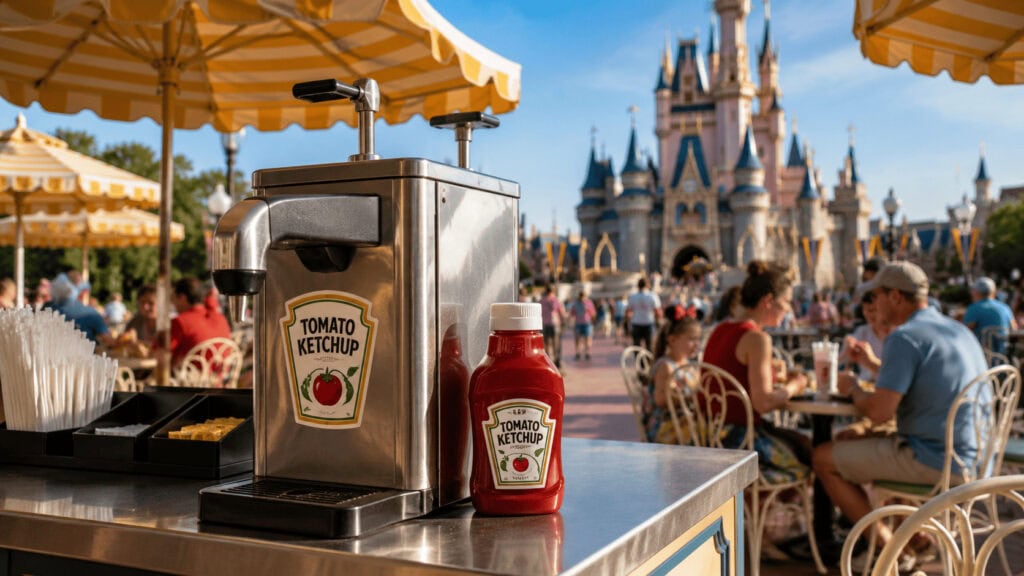
The alliance launches custom-designed HEINZ condiment stations, Star Wars-themed food products, and limited-edition sauces from HEINZ's Sauce Vault at 100+ Disney dining locations starting summer 2026. Sellers should prioritize sourcing: (1) licensed condiment bottles with Disney/Star Wars branding, (2) specialty sauce gift sets, (3) commemorative food packaging, and (4) gourmet condiment assortments. D23 in August 2026 will reveal new sauce flavors, creating 60-90 day pre-launch sourcing windows. Historical Disney merchandise launches show 40-60% sales spikes in the 3 months following official announcements, making early inventory positioning critical for Amazon FBA and Walmart Marketplace sellers.
**CAC by channel**: Amazon Ads ($10-15), Meta/TikTok ($8-12), Google Shopping ($12-18), influencer partnerships ($15-25 per customer). **LTV calculation**: Average order value $35-55, repeat purchase rate 25-35% (Disney fans repurchase), customer lifespan 18-24 months. LTV = ($45 AOV × 1.3 repeat rate × 20 months) = $1,170 per customer. **Payback period**: 2-3 months for Amazon/Meta channels, 1-2 months for influencer/affiliate. Sellers should target CAC:LTV ratio of 1:3 or better; Disney merchandise typically achieves 1:4-1:6 due to high repeat rates among collectors. Seasonal concentration (70% sales in Q3-Q4) creates cash flow challenges; sellers need 60-90 day working capital buffers. Email marketing to repeat customers achieves 4-7% conversion rates and $0-2 CAC, making retention critical for profitability post-peak season.
Mid-sized sellers (10-50 SKUs, $50K-200K annual revenue) can expect 25-40% revenue uplift during the 6-month activation window (summer 2026-December 2026). A seller with 20 Disney-Kraft Heinz SKUs, averaging $15 COGS and $35-45 retail price (40-50% margins), selling 100-200 units/month during peak season, generates $70K-180K incremental revenue. Top performers (optimized listings, paid ads, influencer partnerships) achieve 200-400 units/month, reaching $140K-360K. However, CAC (Customer Acquisition Cost) averages $8-15 per customer through paid channels, requiring 2-3 repeat purchases for profitability. Sellers should allocate 15-20% of revenue to marketing (Amazon Ads, Meta, TikTok) to capture demand. Post-partnership (2027+), expect 60-70% revenue decline as exclusive products phase out; plan inventory liquidation and category diversification by Q4 2026.
**High-opportunity segments**: (1) **Specialty food sellers** (gourmet condiments, gift sets) - existing audience aligns with Disney demographics; 35-50% margin potential. (2) **Licensed merchandise resellers** - established Disney supplier relationships enable faster sourcing; 40-60% margins. (3) **Collectibles/nostalgia sellers** - Star Wars/Disney crossover appeals to 35-55 year old collectors; 50-70% margins on limited editions. (4) **Shopify/DTC sellers** - premium positioning through branded sites; 45-60% margins vs. 15-25% on Amazon. (5) **Influencer/affiliate marketers** - Disney fan audiences (TikTok, YouTube, Instagram) convert at 5-8% vs. 1-2% cold traffic; 20-30% commission potential. **Lower-opportunity segments**: General grocery resellers (low margins, high competition), international sellers (food import restrictions), and new sellers without established logistics. Sellers with existing Disney/food category presence should prioritize; new entrants face 60-90 day ramp-up periods and higher CAC ($15-25 vs. $8-12 for established players).
**Content angles with highest engagement**: (1) 'Limited-Edition Star Wars HEINZ Bottles' (nostalgia + scarcity, 8-12% CTR on Meta), (2) 'Disney Parks Exclusive Condiments Now Available Online' (FOMO + authenticity, 6-10% CTR), (3) 'Gourmet Sauce Gift Sets for Disney Fans' (gifting occasion, 7-11% CTR), (4) 'Collectible Food Packaging from D23 2026' (collector psychology, 9-13% CTR). TikTok performs best for 18-35 year olds (unboxing videos, 12-18% engagement), while Instagram Reels target 35-55 year old parents (family dining, 8-14% engagement). Pinterest drives 25-35% of food product traffic for gift-giving searches. Influencer partnerships with Disney fan accounts (50K-500K followers) cost $500-2,000 per post but generate 3-5x ROI through affiliate links. Email marketing to Disney fan databases achieves 4-7% conversion rates, 2-3x higher than cold traffic.
**Key compliance risks**: (1) **Trademark/licensing** - Only sell officially licensed products; counterfeit Disney/Star Wars merchandise faces Amazon suspension and legal action. Verify supplier certifications before purchasing. (2) **Food safety regulations** - If selling actual condiments, comply with FDA labeling (US), FSANZ (Australia), and EU food safety standards. Imported food products require customs documentation and may face 2-4 week delays. (3) **Inventory obsolescence** - Partnership-specific products become unsellable post-2027; plan exit strategies by Q4 2026. (4) **Supply chain delays** - Asia-Pacific sourcing faces 45-60 day lead times; order by March 2026 for summer launch. Sellers should source from verified Alibaba/Global Sources suppliers with Disney licensing credentials, maintain 30-day inventory buffers, and avoid over-committing capital to single SKUs. Monitor Disney's official partnership announcements for product changes that could strand inventory.
**Amazon** (specialty food category, 15-25% margins), **Walmart Marketplace** (food/beverage section, 18-28% margins), and **Shopify** (direct-to-consumer, 35-50% margins) lead profitability. Amazon FBA provides fastest fulfillment to Disney-adjacent demographics (families, collectors), while Shopify enables premium positioning through branded landing pages tied to D23 content. eBay's collectibles section captures limited-edition sauce bottle demand at 25-35% margins. Sellers should allocate 40% inventory to Amazon Prime (volume), 30% to Shopify (margin), 20% to Walmart (reach), and 10% to eBay (collectibles). CPM costs for Disney-related keywords average $0.80-1.20 on Meta/TikTok, making social commerce viable for 18-45 year old parents and Disney collectors.
Purchase inventory in 3 waves: (1) **April-May 2026** (60-70% of annual stock) for summer launch, (2) **June-July 2026** (20-25% for peak season), (3) **August-September 2026** (10-15% post-D23 reveal). Lead times from Asia-Pacific manufacturers average 45-60 days, requiring orders by mid-March 2026 for summer activation. Sellers should monitor Disney's official announcements and D23 schedule (August 2026) for product reveals, then execute secondary sourcing within 2 weeks. Historical Disney merchandise cycles show 70% of annual sales occur in Q3-Q4 (summer through holiday), with 35-50% concentration in the 8-week window following major event announcements. Overstock risk peaks in Q1 2027, so inventory should clear by December 2026.
The alliance launches custom-designed HEINZ condiment stations, Star Wars-themed food products, and limited-edition sauces from HEINZ's Sauce Vault at 100+ Disney dining locations starting summer 2026. Sellers should prioritize sourcing: (1) licensed condiment bottles with Disney/Star Wars branding, (2) specialty sauce gift sets, (3) commemorative food packaging, and (4) gourmet condiment assortments. D23 in August 2026 will reveal new sauce flavors, creating 60-90 day pre-launch sourcing windows. Historical Disney merchandise launches show 40-60% sales spikes in the 3 months following official announcements, making early inventory positioning critical for Amazon FBA and Walmart Marketplace sellers.
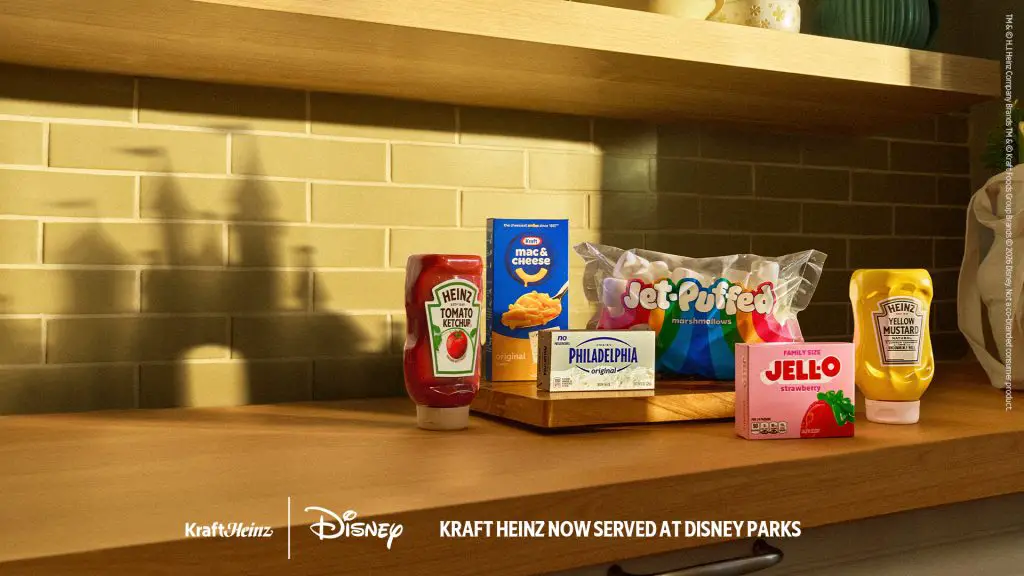
**CAC by channel**: Amazon Ads ($10-15), Meta/TikTok ($8-12), Google Shopping ($12-18), influencer partnerships ($15-25 per customer). **LTV calculation**: Average order value $35-55, repeat purchase rate 25-35% (Disney fans repurchase), customer lifespan 18-24 months. LTV = ($45 AOV × 1.3 repeat rate × 20 months) = $1,170 per customer. **Payback period**: 2-3 months for Amazon/Meta channels, 1-2 months for influencer/affiliate. Sellers should target CAC:LTV ratio of 1:3 or better; Disney merchandise typically achieves 1:4-1:6 due to high repeat rates among collectors. Seasonal concentration (70% sales in Q3-Q4) creates cash flow challenges; sellers need 60-90 day working capital buffers. Email marketing to repeat customers achieves 4-7% conversion rates and $0-2 CAC, making retention critical for profitability post-peak season.
Mid-sized sellers (10-50 SKUs, $50K-200K annual revenue) can expect 25-40% revenue uplift during the 6-month activation window (summer 2026-December 2026). A seller with 20 Disney-Kraft Heinz SKUs, averaging $15 COGS and $35-45 retail price (40-50% margins), selling 100-200 units/month during peak season, generates $70K-180K incremental revenue. Top performers (optimized listings, paid ads, influencer partnerships) achieve 200-400 units/month, reaching $140K-360K. However, CAC (Customer Acquisition Cost) averages $8-15 per customer through paid channels, requiring 2-3 repeat purchases for profitability. Sellers should allocate 15-20% of revenue to marketing (Amazon Ads, Meta, TikTok) to capture demand. Post-partnership (2027+), expect 60-70% revenue decline as exclusive products phase out; plan inventory liquidation and category diversification by Q4 2026.
**High-opportunity segments**: (1) **Specialty food sellers** (gourmet condiments, gift sets) - existing audience aligns with Disney demographics; 35-50% margin potential. (2) **Licensed merchandise resellers** - established Disney supplier relationships enable faster sourcing; 40-60% margins. (3) **Collectibles/nostalgia sellers** - Star Wars/Disney crossover appeals to 35-55 year old collectors; 50-70% margins on limited editions. (4) **Shopify/DTC sellers** - premium positioning through branded sites; 45-60% margins vs. 15-25% on Amazon. (5) **Influencer/affiliate marketers** - Disney fan audiences (TikTok, YouTube, Instagram) convert at 5-8% vs. 1-2% cold traffic; 20-30% commission potential. **Lower-opportunity segments**: General grocery resellers (low margins, high competition), international sellers (food import restrictions), and new sellers without established logistics. Sellers with existing Disney/food category presence should prioritize; new entrants face 60-90 day ramp-up periods and higher CAC ($15-25 vs. $8-12 for established players).
**Content angles with highest engagement**: (1) 'Limited-Edition Star Wars HEINZ Bottles' (nostalgia + scarcity, 8-12% CTR on Meta), (2) 'Disney Parks Exclusive Condiments Now Available Online' (FOMO + authenticity, 6-10% CTR), (3) 'Gourmet Sauce Gift Sets for Disney Fans' (gifting occasion, 7-11% CTR), (4) 'Collectible Food Packaging from D23 2026' (collector psychology, 9-13% CTR). TikTok performs best for 18-35 year olds (unboxing videos, 12-18% engagement), while Instagram Reels target 35-55 year old parents (family dining, 8-14% engagement). Pinterest drives 25-35% of food product traffic for gift-giving searches. Influencer partnerships with Disney fan accounts (50K-500K followers) cost $500-2,000 per post but generate 3-5x ROI through affiliate links. Email marketing to Disney fan databases achieves 4-7% conversion rates, 2-3x higher than cold traffic.
**Key compliance risks**: (1) **Trademark/licensing** - Only sell officially licensed products; counterfeit Disney/Star Wars merchandise faces Amazon suspension and legal action. Verify supplier certifications before purchasing. (2) **Food safety regulations** - If selling actual condiments, comply with FDA labeling (US), FSANZ (Australia), and EU food safety standards. Imported food products require customs documentation and may face 2-4 week delays. (3) **Inventory obsolescence** - Partnership-specific products become unsellable post-2027; plan exit strategies by Q4 2026. (4) **Supply chain delays** - Asia-Pacific sourcing faces 45-60 day lead times; order by March 2026 for summer launch. Sellers should source from verified Alibaba/Global Sources suppliers with Disney licensing credentials, maintain 30-day inventory buffers, and avoid over-committing capital to single SKUs. Monitor Disney's official partnership announcements for product changes that could strand inventory.
**Amazon** (specialty food category, 15-25% margins), **Walmart Marketplace** (food/beverage section, 18-28% margins), and **Shopify** (direct-to-consumer, 35-50% margins) lead profitability. Amazon FBA provides fastest fulfillment to Disney-adjacent demographics (families, collectors), while Shopify enables premium positioning through branded landing pages tied to D23 content. eBay's collectibles section captures limited-edition sauce bottle demand at 25-35% margins. Sellers should allocate 40% inventory to Amazon Prime (volume), 30% to Shopify (margin), 20% to Walmart (reach), and 10% to eBay (collectibles). CPM costs for Disney-related keywords average $0.80-1.20 on Meta/TikTok, making social commerce viable for 18-45 year old parents and Disney collectors.
Purchase inventory in 3 waves: (1) **April-May 2026** (60-70% of annual stock) for summer launch, (2) **June-July 2026** (20-25% for peak season), (3) **August-September 2026** (10-15% post-D23 reveal). Lead times from Asia-Pacific manufacturers average 45-60 days, requiring orders by mid-March 2026 for summer activation. Sellers should monitor Disney's official announcements and D23 schedule (August 2026) for product reveals, then execute secondary sourcing within 2 weeks. Historical Disney merchandise cycles show 70% of annual sales occur in Q3-Q4 (summer through holiday), with 35-50% concentration in the 8-week window following major event announcements. Overstock risk peaks in Q1 2027, so inventory should clear by December 2026.
The alliance launches custom-designed HEINZ condiment stations, Star Wars-themed food products, and limited-edition sauces from HEINZ's Sauce Vault at 100+ Disney dining locations starting summer 2026. Sellers should prioritize sourcing: (1) licensed condiment bottles with Disney/Star Wars branding, (2) specialty sauce gift sets, (3) commemorative food packaging, and (4) gourmet condiment assortments. D23 in August 2026 will reveal new sauce flavors, creating 60-90 day pre-launch sourcing windows. Historical Disney merchandise launches show 40-60% sales spikes in the 3 months following official announcements, making early inventory positioning critical for Amazon FBA and Walmart Marketplace sellers.