

Amazon's $5.63B Austin Robotics Hub Reshapes US Fulfillment Strategy | Seller Logistics Impact
- 2,600-acre Southeast Austin facility signals major FBA infrastructure expansion; 500+ jobs and advanced automation to reduce fulfillment costs 8-15% by 2030-2035


Overview
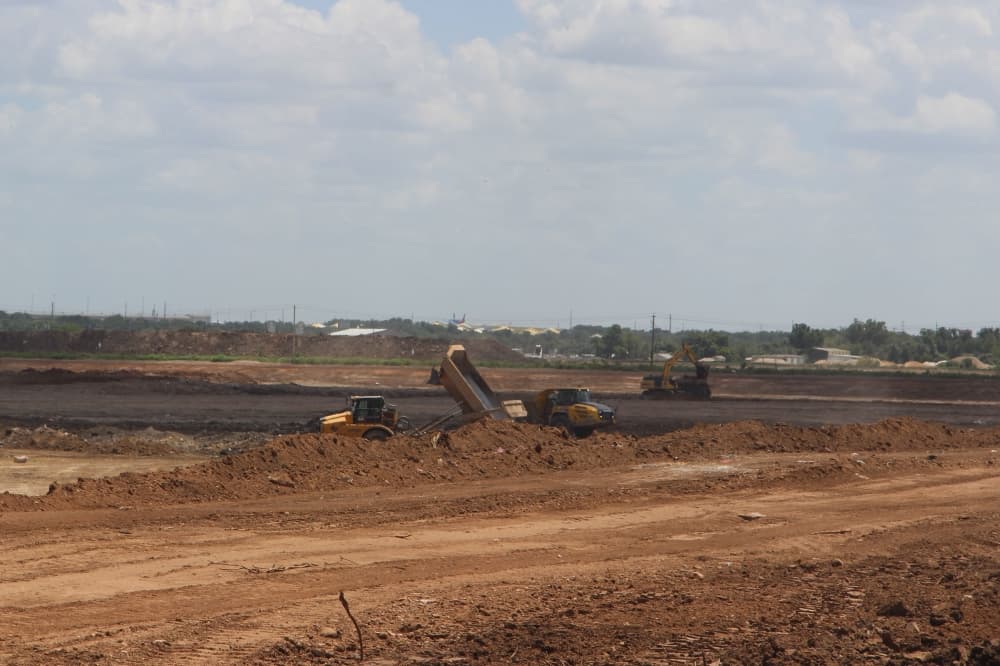
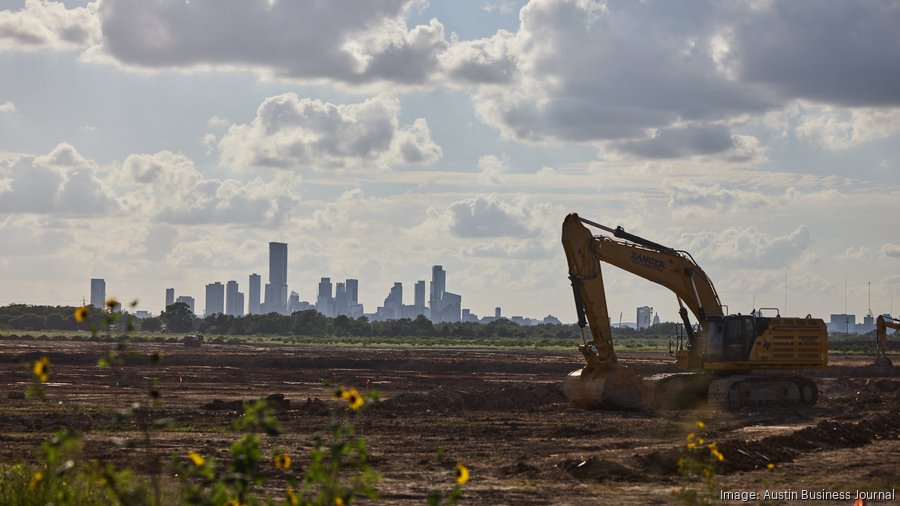
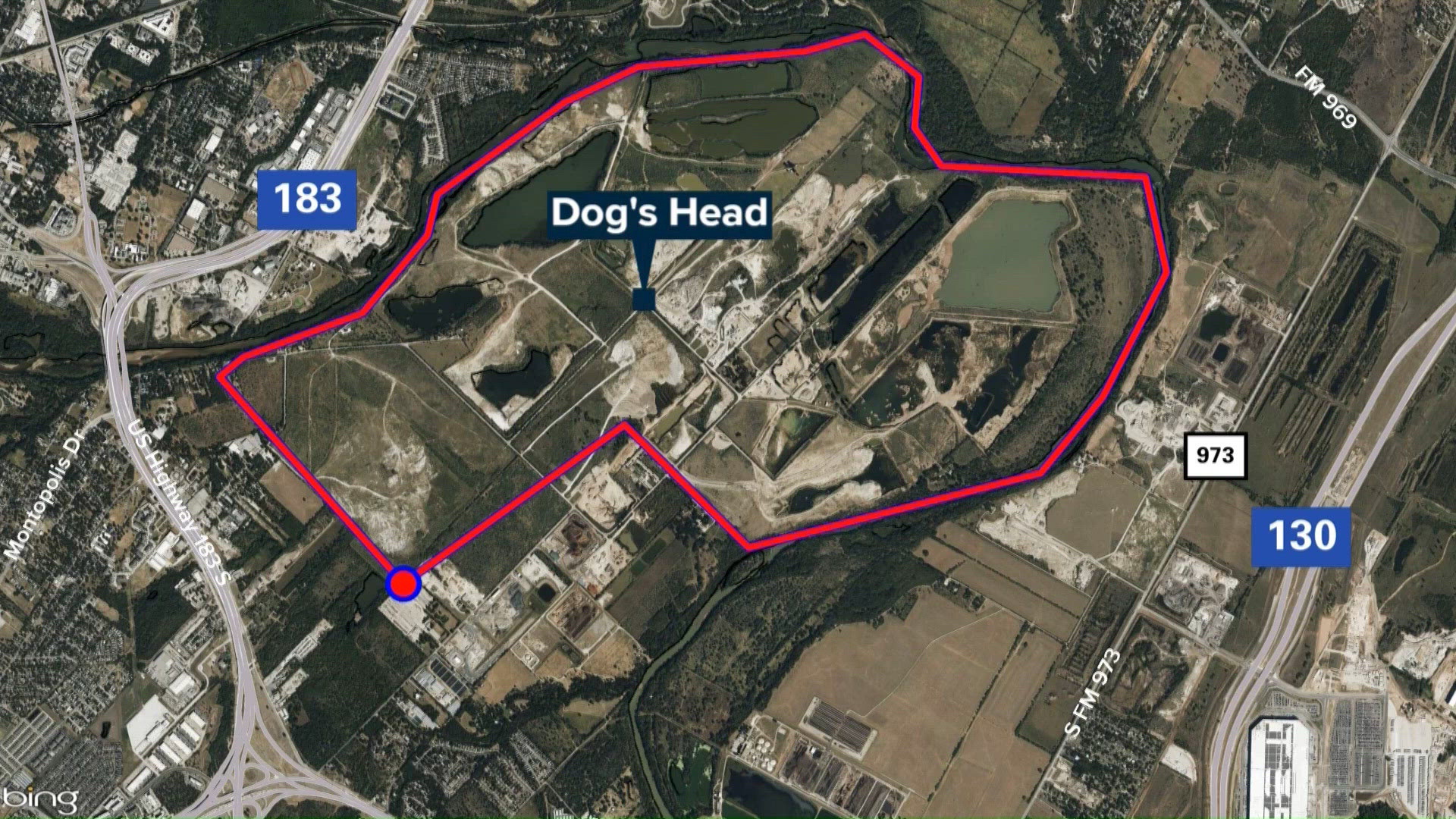
Amazon's commitment to a 2,600-acre robotics and advanced manufacturing facility in Southeast Austin represents a transformative shift in US fulfillment infrastructure that directly impacts FBA sellers' logistics costs and delivery capabilities. The Dog's Head project, with Amazon's robotics division as anchor tenant on 300 acres, signals the company's $100B+ Texas investment strategy and accelerates automation deployment across fulfillment networks. City projections estimate $26B in property value by 2061, with infrastructure costs of $5.63B funded through a 20-year tax increment reinvestment zone (Austin contributing 75% of new tax revenue). Development completion spans 2030-2057, with initial operations likely by 2030-2032.
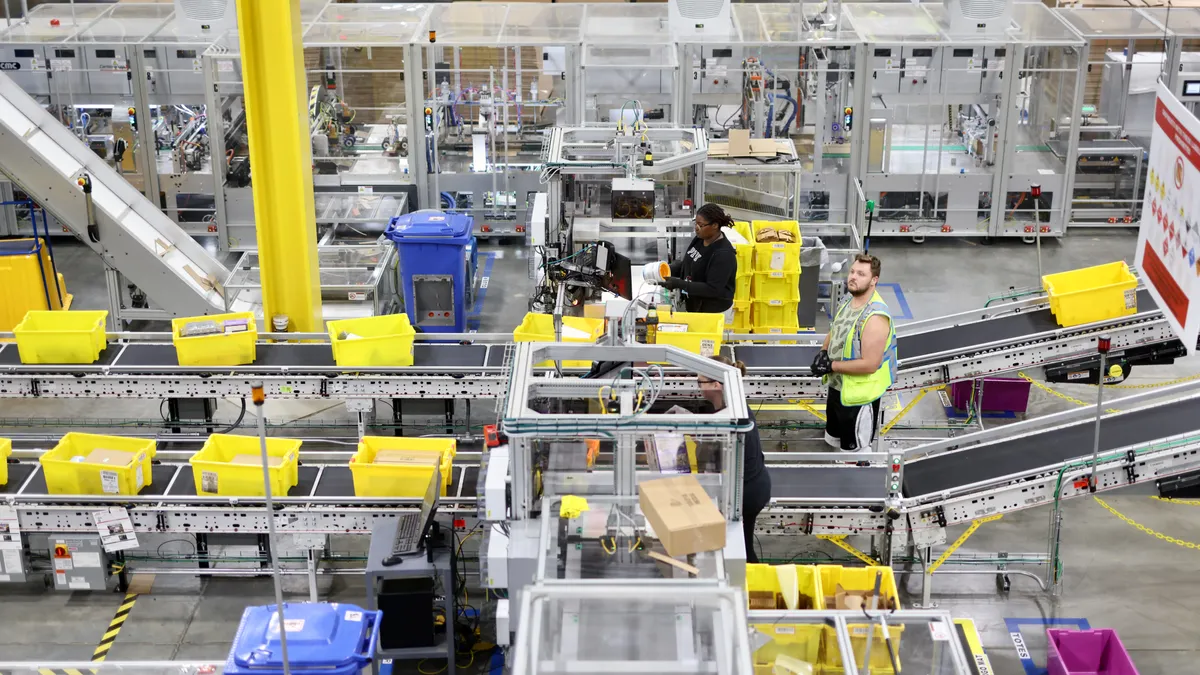
For FBA sellers, this facility represents a critical logistics inflection point. The Southeast Austin location along Highway 183 and the Colorado River corridor positions it as a regional distribution hub serving high-growth markets across Texas, Oklahoma, Arkansas, and Louisiana. Amazon's robotics division focus indicates deployment of next-generation automated sorting, picking, and packing systems that will reduce per-unit fulfillment costs by an estimated 8-15% once operational. Current FBA fulfillment fees average $3.50-$8.50 per unit depending on category and size tier; automation could compress these to $3.00-$7.50 by 2032-2035. The facility's 500-job creation target and advanced manufacturing capability suggest Amazon is building proprietary robotics systems rather than purchasing third-party solutions, indicating long-term cost advantages for FBA operations.
Warehouse positioning and inventory strategy implications are immediate. Sellers currently using FBA fulfillment centers in Dallas, Houston, and San Antonio should anticipate network rebalancing as the Austin facility comes online. The 2,600-acre mixed-use development (including 12,395 homes and 9M+ sq ft commercial space) indicates Amazon may consolidate multiple fulfillment functions—returns processing, damaged goods handling, and regional distribution—into a single advanced facility. This consolidation could reduce average delivery times to Austin metro area (2.5M+ population) from 2-3 days to same-day/next-day by 2032. Sellers should monitor Amazon's FBA network announcements starting 2029-2030 for facility opening timelines and begin optimizing inventory distribution across existing centers to prepare for network changes.
The competitive logistics landscape shifts significantly. Amazon's $100B Texas investment (86,000+ jobs created to date) demonstrates commitment to regional logistics dominance. Competing 3PL providers (XPO Logistics, Geodis, DHL Supply Chain) operating in Texas will face pressure to match automation investments or cede market share. For sellers evaluating 3PL alternatives to FBA, this development suggests Amazon's fulfillment costs will become increasingly competitive (potentially 10-20% below regional 3PLs by 2035), making FBA more attractive for high-volume sellers. However, sellers should lock in 3PL contracts now before Amazon's cost advantages force rate increases across the industry.
Questions 7
How should sellers position inventory for the Austin facility's regional market advantage?
Sellers targeting South-Central US markets (Texas, Oklahoma, Arkansas, Louisiana) should prioritize FBA inventory allocation to Austin once the facility opens (estimated 2030-2032). The facility's location serves a 2.5M+ population Austin metro area with strong e-commerce demand and potential same-day/next-day delivery capability by 2032. For sellers in electronics, home goods, and apparel categories with high regional demand, allocate 15-25% of inventory to Austin FBA centers starting 2032-2033. Monitor Amazon's FBA network capacity announcements and regional demand data starting 2029-2030 to optimize inventory distribution. Consider increasing inventory velocity targets for Austin-based fulfillment by 20-30% to capitalize on improved delivery speeds and reduced fulfillment costs.
What inventory actions should sellers take before the Austin facility opens?
Sellers should take three immediate actions: (1) Monitor Amazon's FBA network announcements starting 2029-2030 for facility opening timelines and capacity allocations; (2) Audit current inventory distribution across Dallas, Houston, and San Antonio FBA centers by Q2 2028 to identify rebalancing opportunities; (3) Evaluate 3PL contract terms expiring 2029-2032 and lock in rates now before Amazon's cost advantages force industry-wide increases. For high-volume sellers (1,000+ units/month), begin stress-testing FBA fee reductions of 8-15% in financial models by 2029 to prepare for margin improvements. Consider increasing FBA inventory allocation by 10-15% starting 2030 as fulfillment costs decline and delivery speeds improve.