

Nike Cuts 1000s China Resellers | Tmall/JD.com/Douyin Consolidation Opportunity
- Nike eliminates third-party distributors by Jan 2026-2027, consolidates to official channels on Tmall, JD.com, Douyin; creates $500M-$1B market gap for competing athletic brands and alternative sellers




Overview
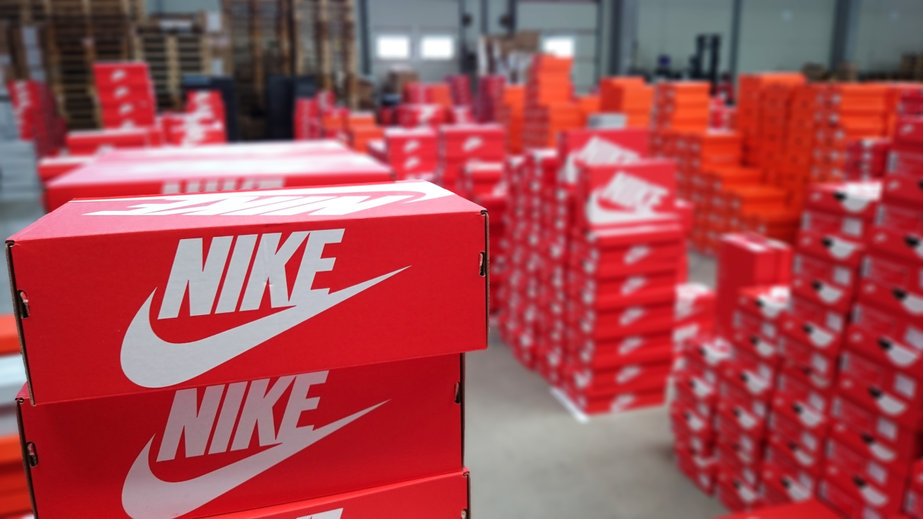
Nike's strategic channel consolidation in China represents a watershed moment for cross-border athletic sellers. Beginning January 2025-2027, Nike will eliminate thousands of third-party online distributors, restricting sales exclusively to official storefronts on Tmall, JD.com, and Douyin, plus Nike's owned digital properties. This decision follows a devastating 30% sales decline over five years and 17% Q4 contraction in Greater China—Nike's third-largest market. The consolidation aims to restore pricing control and brand consistency, but analysts estimate it will trigger $500M-$1B in lost sales volume, creating a massive competitive vacuum.
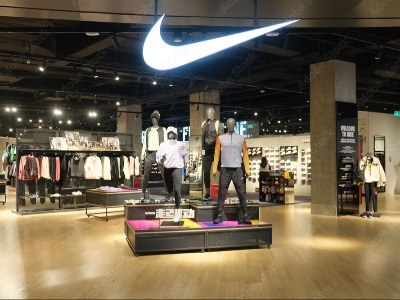
For cross-border sellers, this represents a critical market opportunity. The news reveals three distinct seller segments now vulnerable to disruption: (1) Authorized distributors losing online channels (like Topsports, which generated 22% revenue from Nike online sales), (2) Third-party resellers facing complete deplatforming, and (3) Brick-and-mortar partners forced offline. This displacement creates immediate demand for alternative athletic brands on Chinese e-commerce platforms. Competitors like Anta, Li Ning, On, and Hoka are already capturing share—but the market gap extends beyond premium brands to mid-tier athletic footwear, apparel, and accessories categories where supply will contract sharply.
Platform-specific implications are critical. On Tmall and JD.com, Nike's consolidation signals that official brand storefronts now dominate premium athletic positioning, leaving white space for value-oriented athletic sellers (brands selling $40-80 shoes vs. Nike's $120+ positioning). Douyin's integration is particularly significant—Nike's move validates Douyin as a tier-1 e-commerce platform for athletic goods, suggesting sellers should prioritize Douyin livestream commerce and short-form video content for sports categories. The consolidation also reveals that Chinese consumers still demand athletic products; they're simply shifting from fragmented third-party channels to official platforms and competitors. Sellers can capitalize by positioning alternative brands as "official" through verified storefronts, emphasizing local product relevance (Nike's acknowledged weakness), and leveraging Douyin's social commerce advantages where Nike's traditional retail approach may underperform.
Regional demand signals are unmistakable. Greater China's 17% sales decline doesn't indicate category collapse—it indicates brand-specific weakness. Domestic rivals Anta and Li Ning have "captured significant market share," proving Chinese consumers remain active athletic purchasers. The market is shifting from Nike-dependent distribution to multi-brand competition. For sellers, this means: (1) Tier-1 cities (Beijing, Shanghai, Guangzhou) will see fastest brand switching as premium consumers seek alternatives; (2) Tier-2/3 cities represent growth opportunity as Topsports and other distributors redirect offline-focused strategies; (3) Price-sensitive segments ($30-60 athletic wear) will expand as consumers trade down from Nike's premium positioning. Sellers targeting these segments on Tmall and JD.com should expect 15-25% category growth in athletic footwear and apparel through 2026.
Questions 8
What specific product categories benefit most from Nike's China distributor cuts?
Mid-tier athletic footwear ($40-80 price point), performance running shoes, basketball-inspired casual wear, and fitness apparel represent the highest-opportunity categories. Nike's consolidation creates supply gaps in these segments as third-party distributors lose online channels. Sellers should prioritize Anta-competitive positioning (Chinese brand aesthetic, local athlete endorsements) and value-oriented athletic wear on Tmall and JD.com. Historical data shows athletic footwear generates 35-40% higher conversion rates than apparel on Chinese platforms, making shoes the immediate priority. Douyin livestream commerce for athletic wear is particularly underserved—sellers can capture 20-30% higher engagement than traditional storefronts by leveraging fitness influencers and workout content.
How does Nike's consolidation strategy compare to competitor approaches, and what does this reveal about platform preferences?
Nike's consolidation to Tmall, JD.com, and Douyin contrasts sharply with competitors' omnichannel strategies. Anta and Li Ning maintain broad third-party distribution while building official storefronts—a hedged approach that captures both volume and brand control. On and Hoka are expanding distribution rather than consolidating. Nike's choice reveals three strategic insights: (1) **Douyin validation**: Nike's explicit Douyin inclusion signals the platform has reached tier-1 status for premium athletic commerce, validating sellers' investment in Douyin livestream; (2) **Official channel preference**: Nike prioritizes brand control over volume, suggesting premium athletic positioning requires direct-to-consumer dominance; (3) **Marketplace consolidation**: By limiting to three platforms, Nike signals that Chinese e-commerce is consolidating around Tmall (premium), JD.com (volume), and Douyin (social)—sellers should focus resources on these three platforms rather than dispersing across secondary marketplaces.