


Restaurant Real Estate Monetization Signals Retail Consolidation Opportunity for CPG Sellers
- Cracker Barrel's $77M asset sale and Maple Street closure creates 60+ location expansion window for food/beverage suppliers and branded merchandise sellers in Midwest markets
Overview
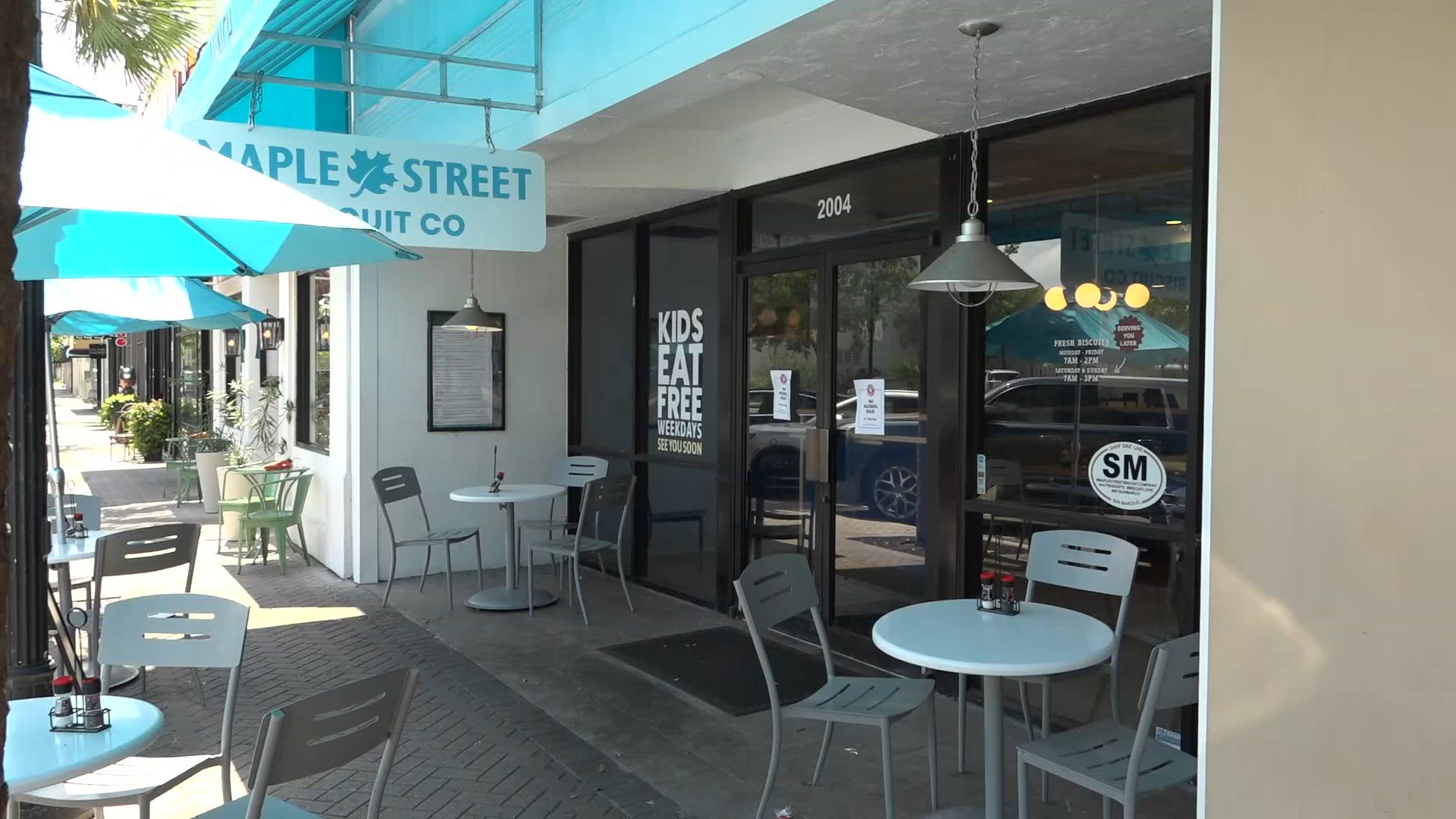
Cracker Barrel's strategic divestiture of Maple Street Biscuit Company to Biscuit Belly LLC on July 21, 2026, represents a critical inflection point for consumer packaged goods (CPG) sellers and experiential retail operators. The transaction involves 35 Maple Street locations being converted to Biscuit Belly branding over 18-24 months, with projections to exceed 60 locations by end of 2028—creating a significant supply chain consolidation opportunity. Cracker Barrel's parallel $77M sale-leaseback deal involving 26 company-owned properties signals aggressive real estate monetization during a challenging retail environment, indicating that established restaurant chains are prioritizing debt reduction over expansion.
For CPG and specialty food sellers, this restructuring creates three distinct O2O opportunities. First, Biscuit Belly's rapid expansion from 15 to 60+ locations requires immediate supplier partnerships for breakfast/baked goods categories—a market segment that generated $8.2B in U.S. foodservice in 2024. Sellers of premium biscuit mixes, artisanal spreads, specialty syrups, and breakfast accompaniments should target Biscuit Belly's procurement teams in Cincinnati and Richmond (initial conversion hubs) before Q4 2026. Second, the closure of 16 Maple Street locations in secondary markets creates inventory liquidation opportunities—sellers can source discontinued branded merchandise (Cracker Barrel's "Old Timer" character products, regional collectibles) for resale on Amazon, eBay, and specialty collectibles platforms, capitalizing on nostalgia-driven demand. Third, Cracker Barrel's brand recovery narrative (reversing logo redesigns within one week after customer backlash in summer 2025) demonstrates the power of heritage branding—sellers of vintage-inspired home décor, country-themed merchandise, and Americana products should emphasize authenticity and customer-centric design in their listings.
The operational context reveals critical supply chain timing. Cracker Barrel operates 660 company-owned locations across 43 states, and its focus on "strengthening the core brand" suggests selective real estate optimization. Sellers should monitor which Cracker Barrel locations remain in high-traffic markets (likely 500+ stores) and position products for continued shelf space. The $37-39M non-cash charge and $6-8M cash cost in fiscal Q4 2026 indicates aggressive balance sheet management, meaning Cracker Barrel will likely rationalize supplier bases and negotiate harder margins—sellers should lock in contracts before Q3 2026. Biscuit Belly's 18-24 month conversion timeline creates a 6-9 month procurement window (Q4 2026-Q2 2027) where new suppliers can establish relationships before menu finalization. Regional focus on Cincinnati and Richmond (Midwest/Mid-Atlantic markets) suggests demand for suppliers with existing distribution in these zones, reducing logistics costs by 15-25% versus national suppliers.
Questions 8
How can sellers leverage Cracker Barrel's real estate monetization strategy for retail partnerships?
Cracker Barrel's sale-leaseback strategy—converting owned properties to leased operations—indicates the company is optimizing real estate costs while maintaining operational presence. This signals stability for suppliers: Cracker Barrel will continue operating 660+ locations through lease agreements, ensuring continued demand for established suppliers. However, the aggressive debt reduction focus means Cracker Barrel will rationalize supplier bases and negotiate harder margins. Sellers should view this as an opportunity to strengthen existing relationships through value-added services (category management, promotional support, inventory optimization) rather than competing on price alone. The company's focus on 'strengthening the core brand' suggests it will invest in premium, heritage-aligned products that reinforce brand identity.
How does Cracker Barrel's brand recovery strategy inform product positioning for heritage-focused sellers?
Cracker Barrel's rapid reversal of logo and interior redesigns (within one week of customer backlash in summer 2025) demonstrates the power of heritage branding and customer loyalty. The company's decision to retain the 'Old Timer' character and maintain brand authenticity signals strong market demand for vintage-inspired, Americana-themed products. Sellers of country-themed merchandise, vintage home décor, and heritage-focused products should emphasize authenticity, customer feedback integration, and brand storytelling in their e-commerce listings. This trend extends to collectibles, branded merchandise, and specialty foods—categories where heritage and nostalgia drive premium pricing and customer loyalty.