




East Coast Air Freight Crisis | 7,000+ Flights Canceled Impact on Cross-Border Sellers
- Severe weather grounds 9 major US airports; air cargo delays spike 40-60% for time-sensitive shipments; sellers face 3-7 day delivery delays and $150-400 per shipment rerouting costs

























Overview
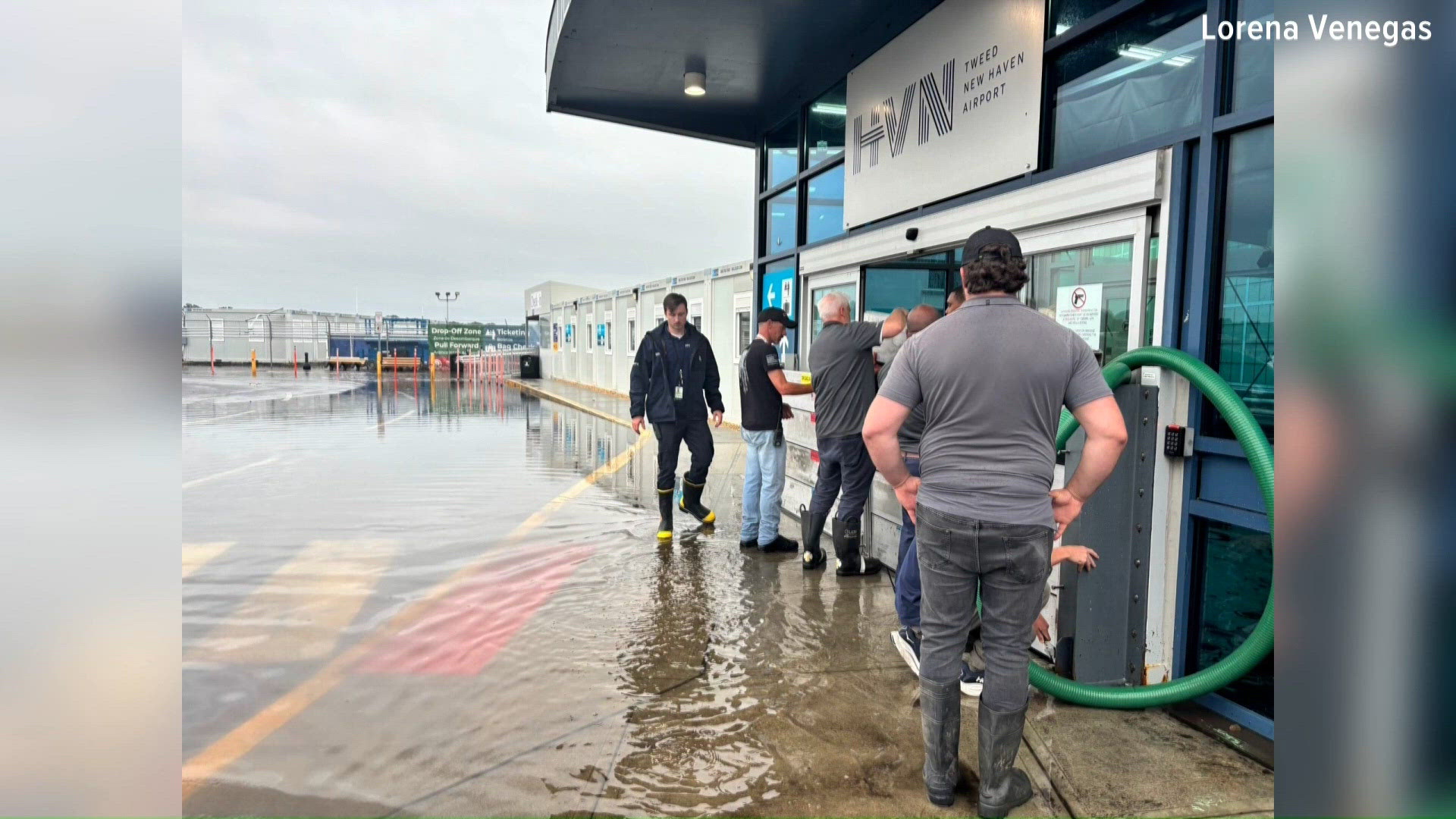
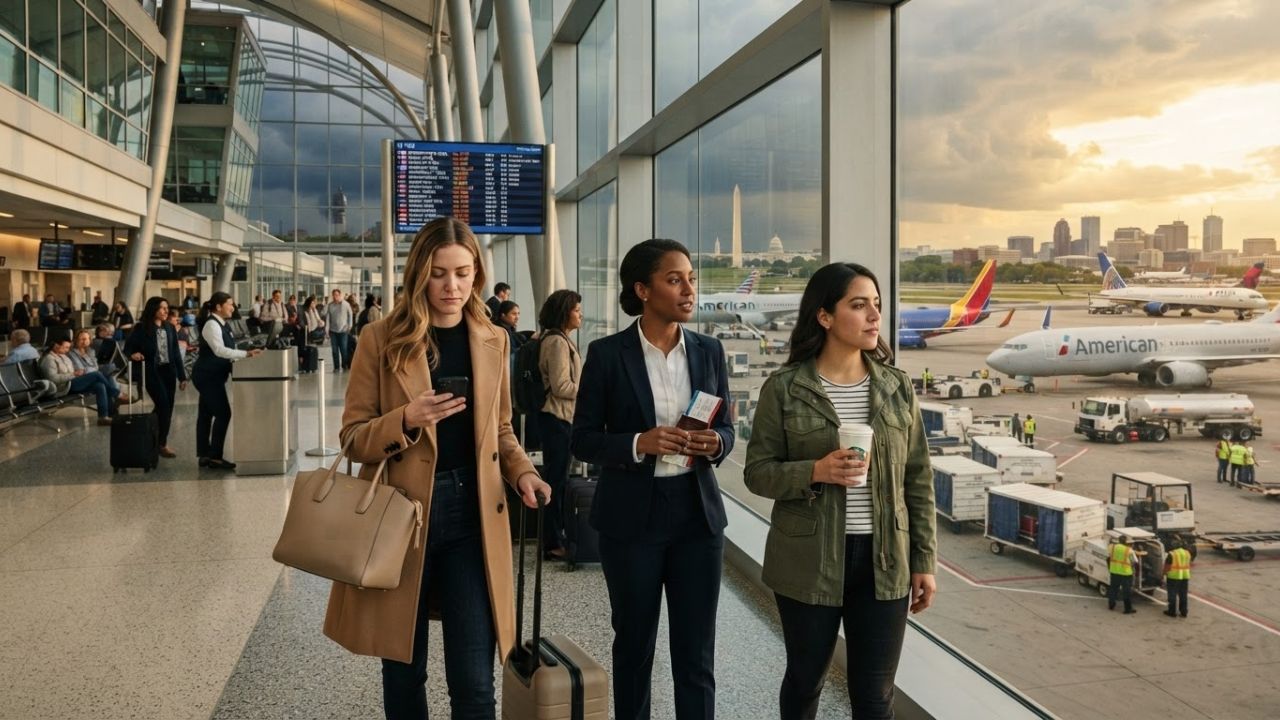
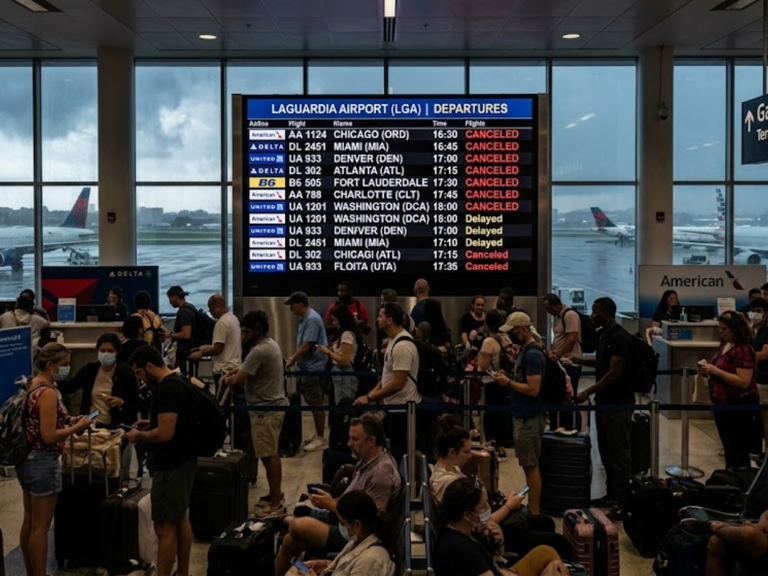
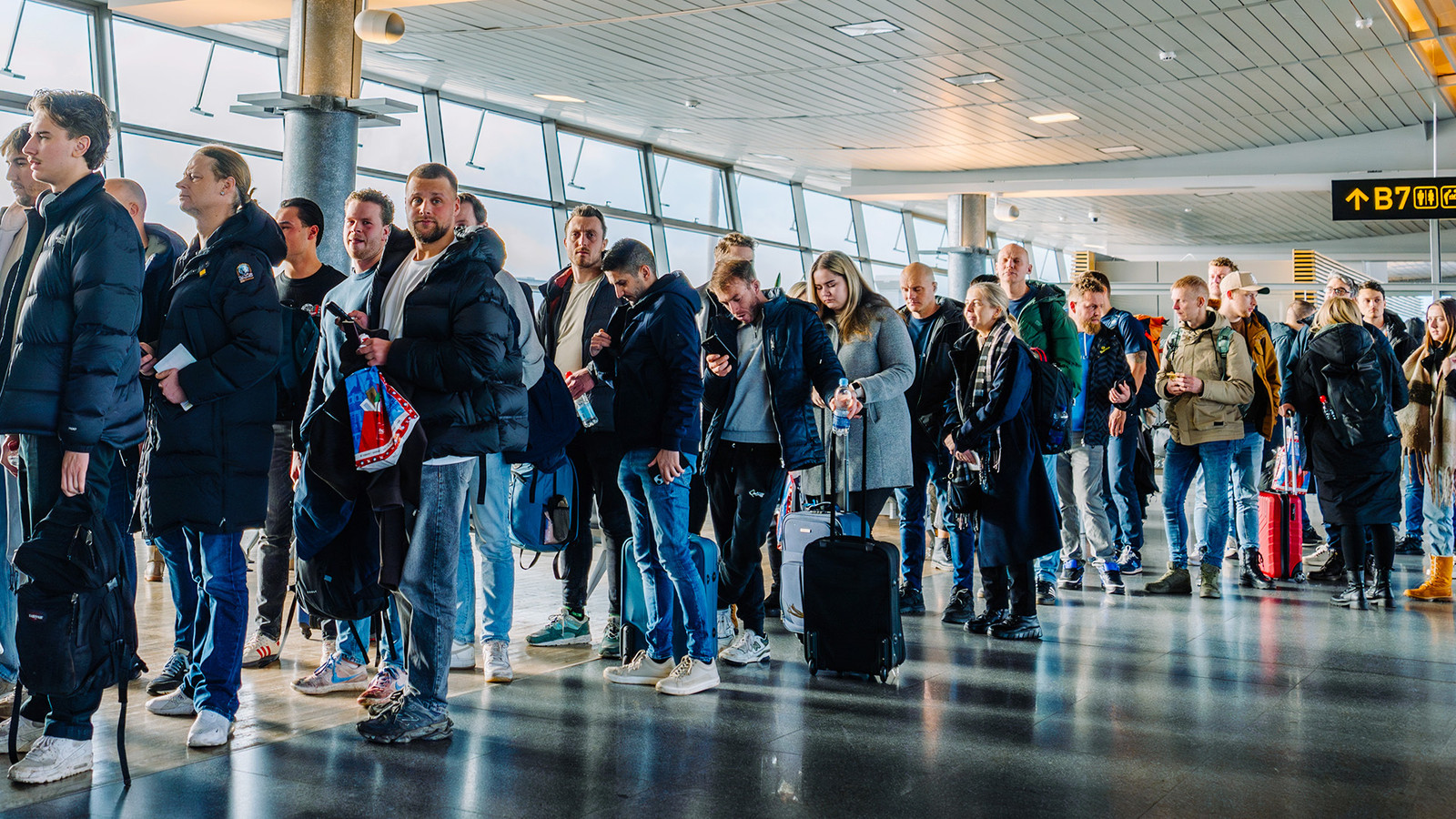
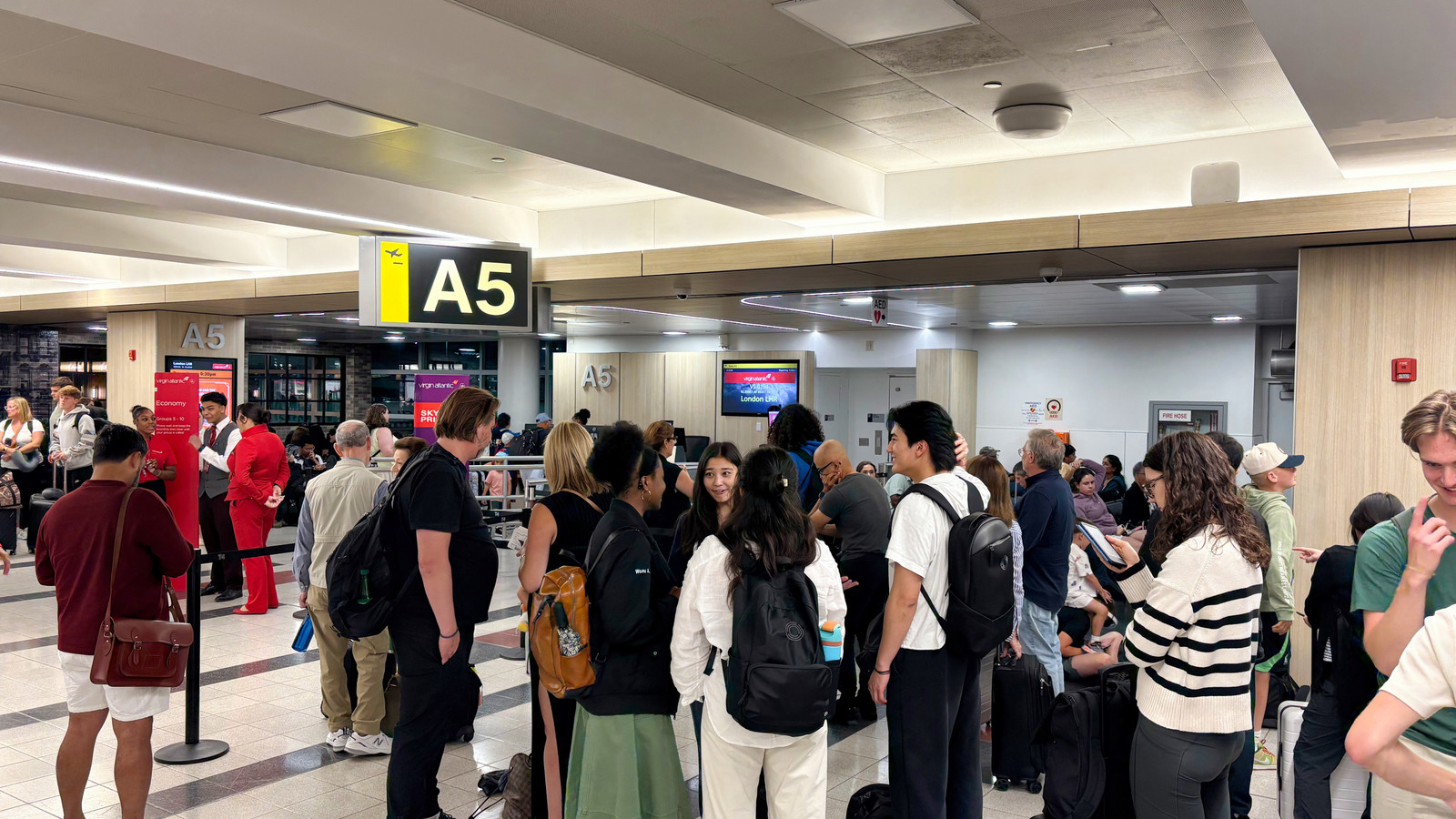
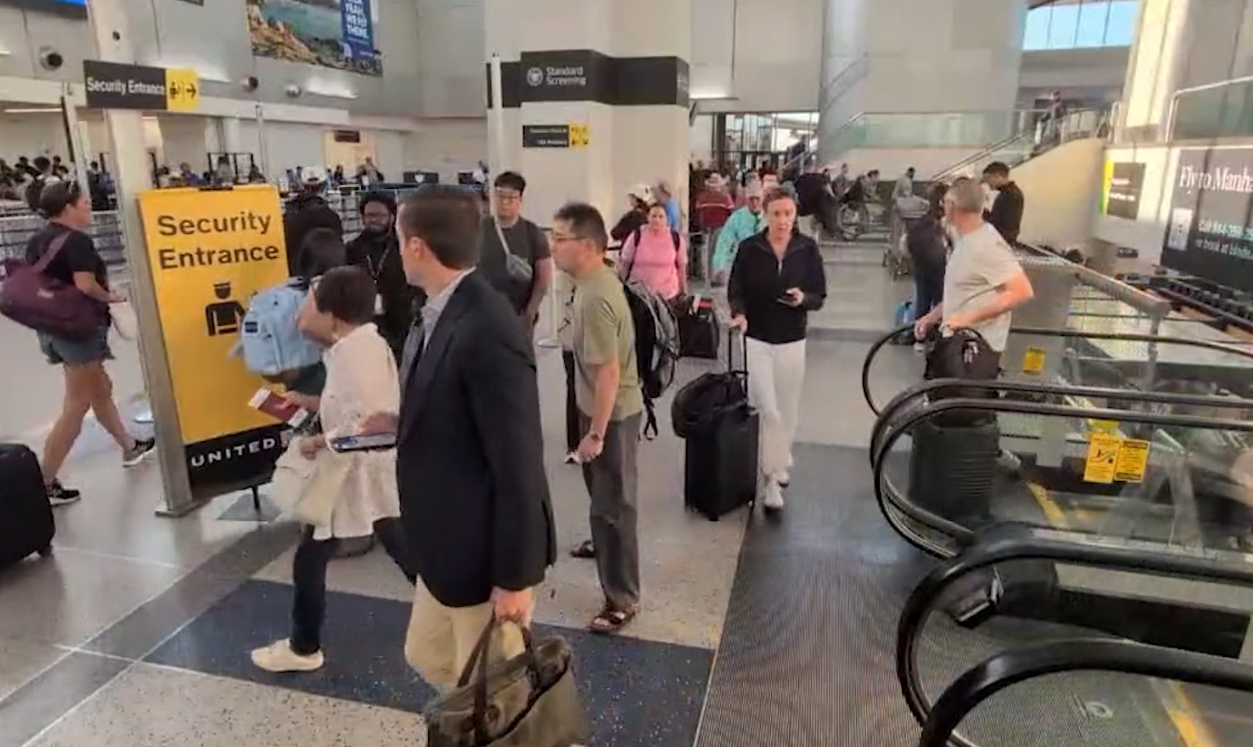
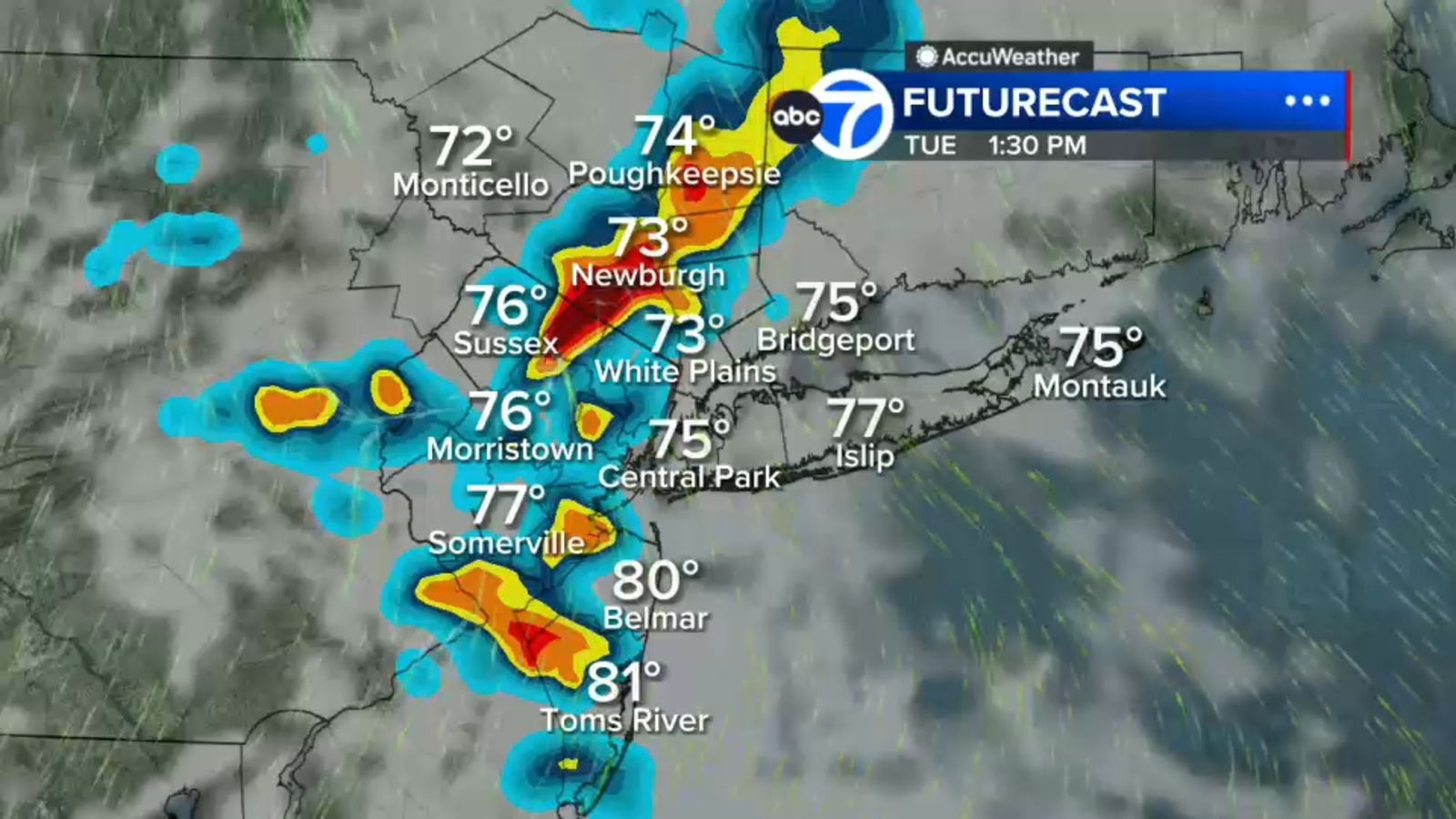
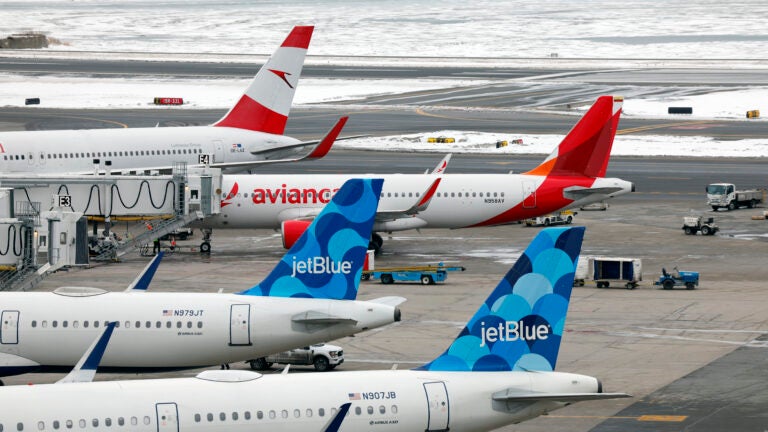
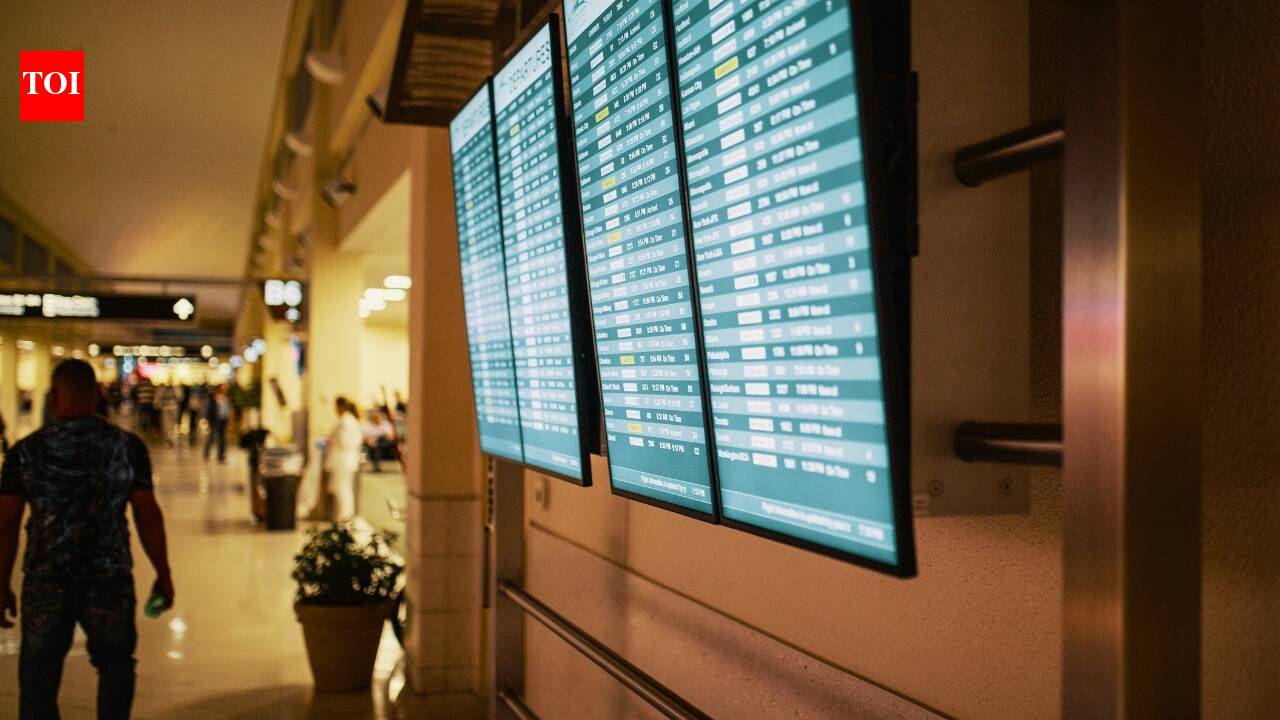
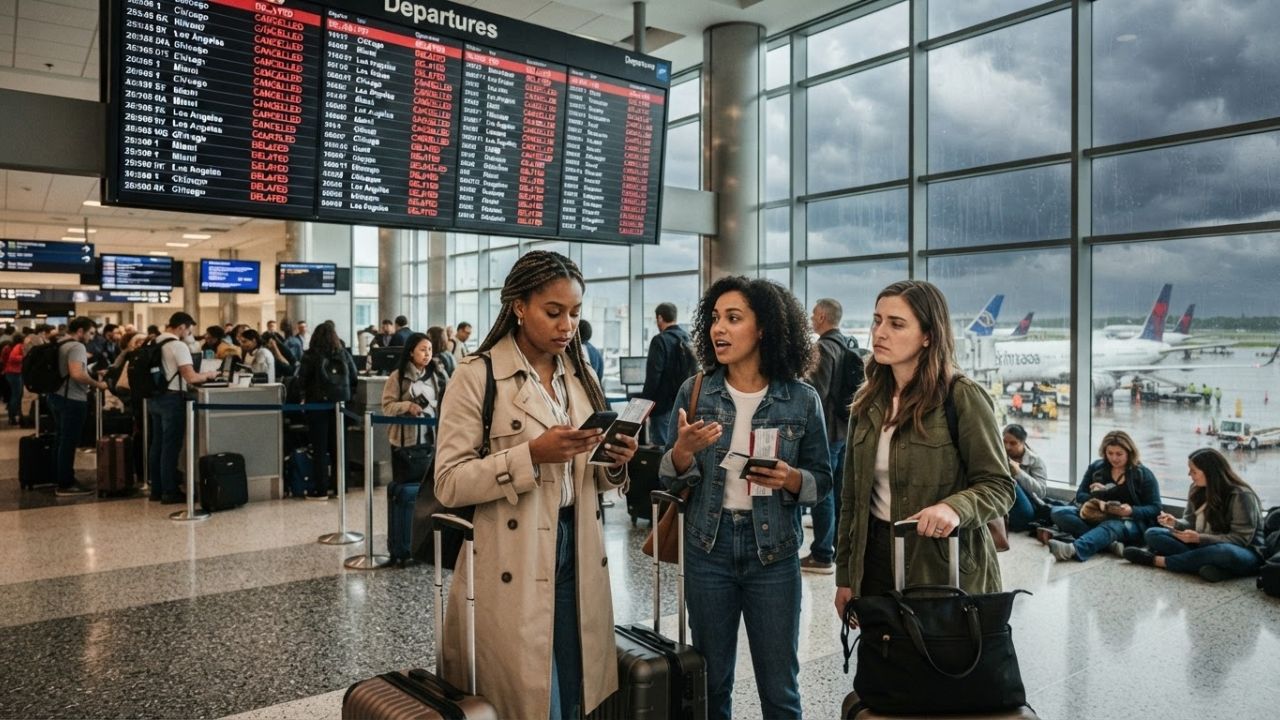
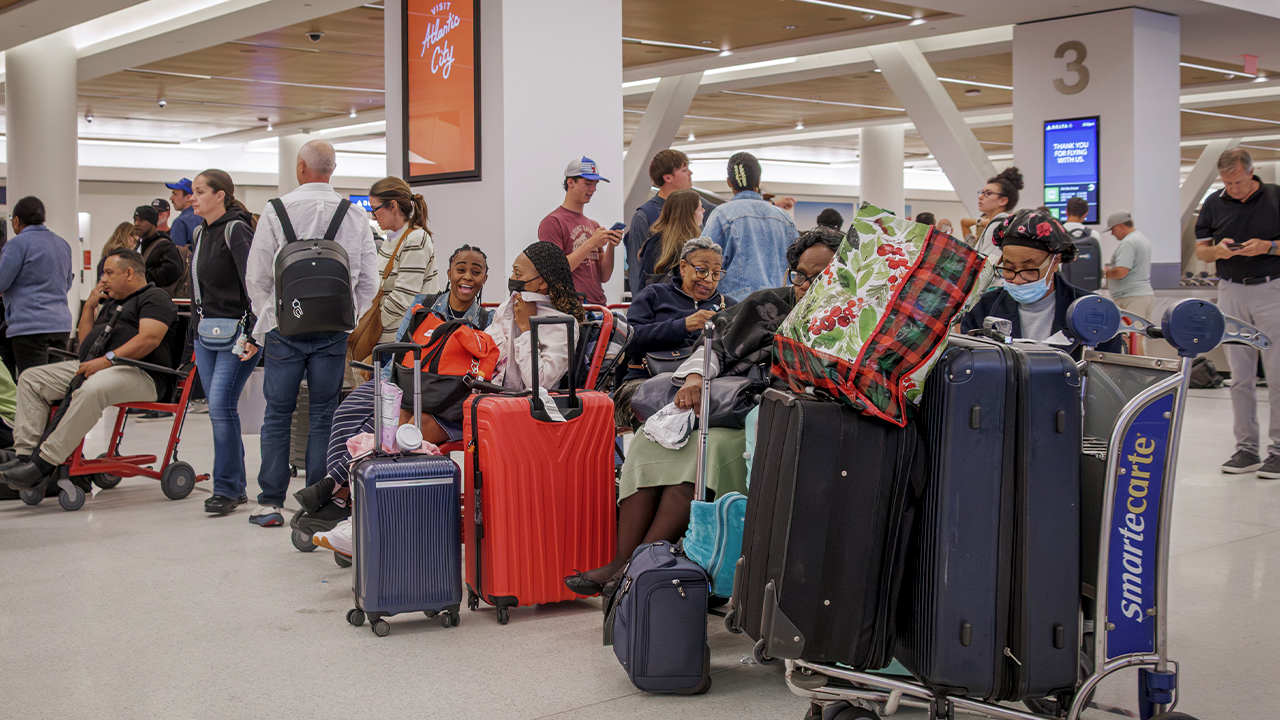
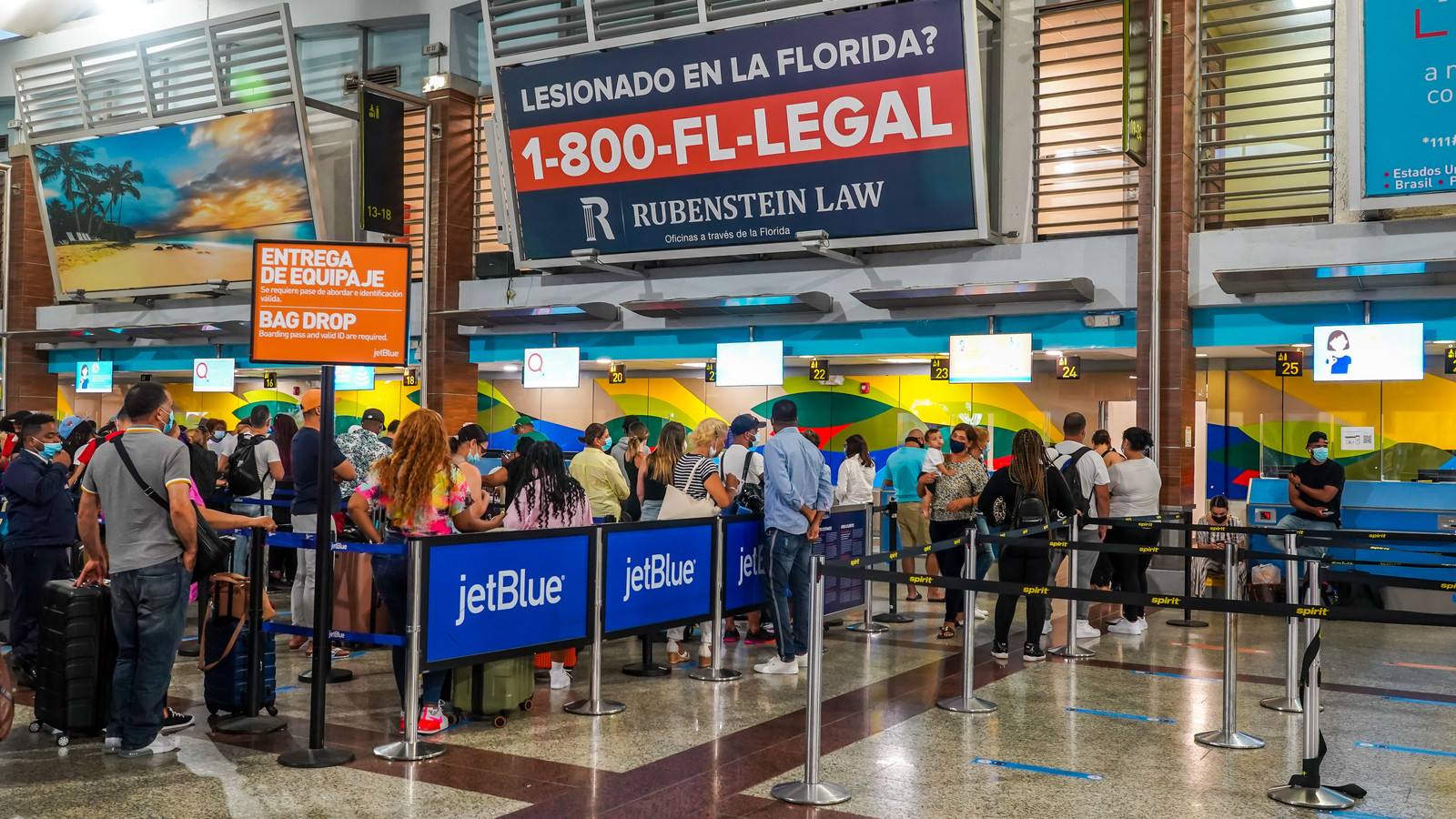
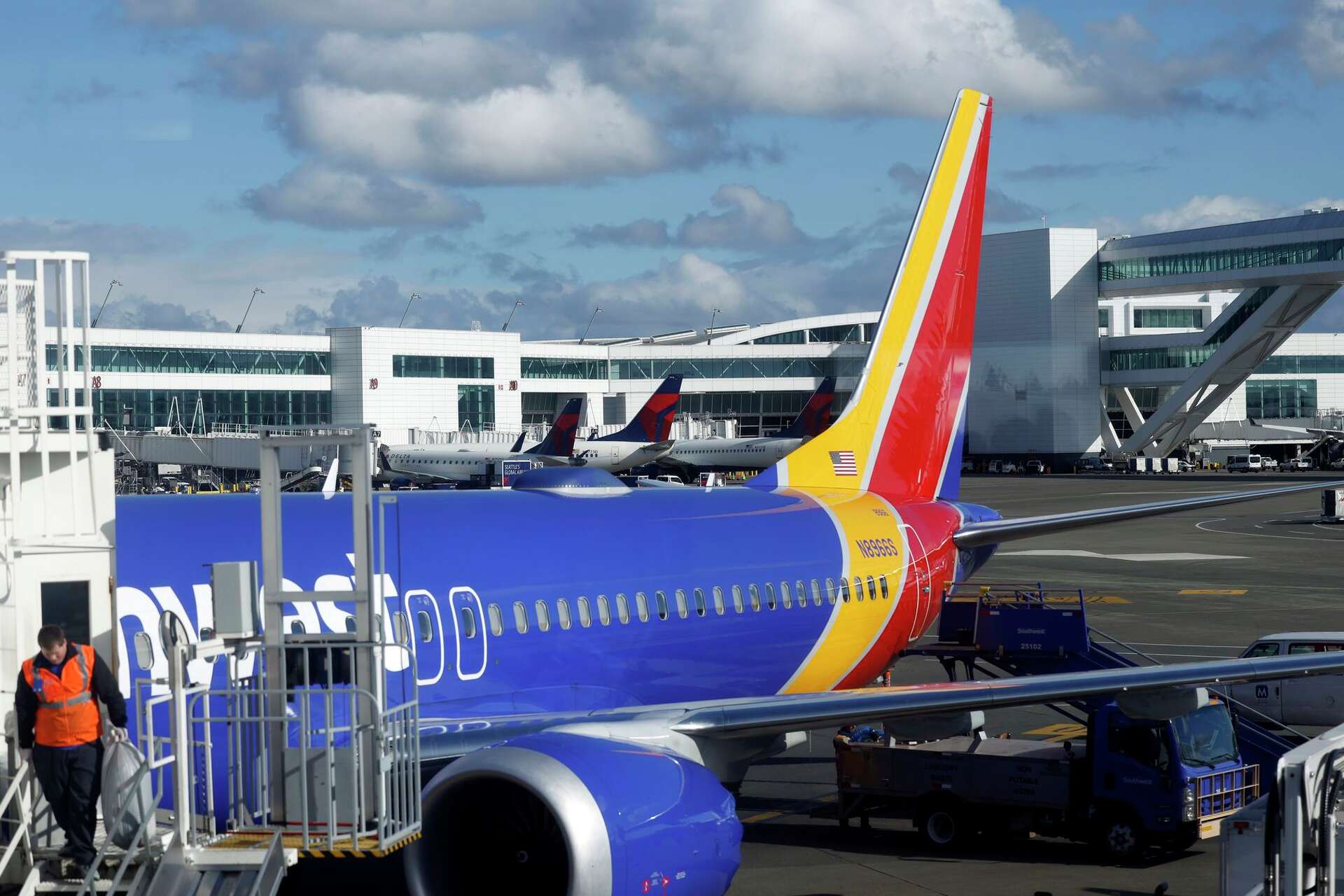
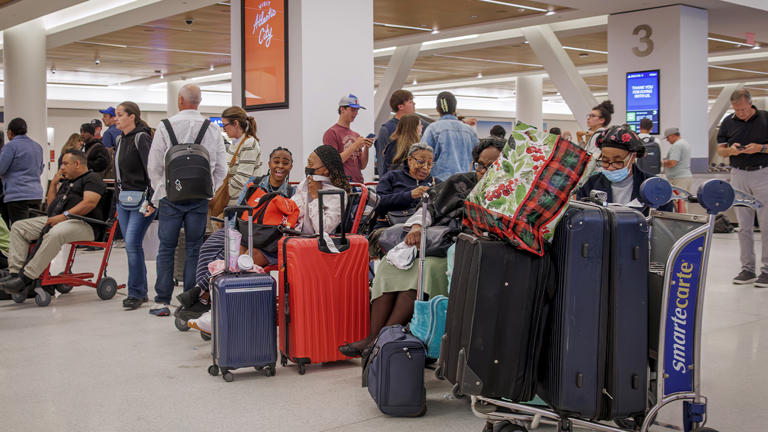
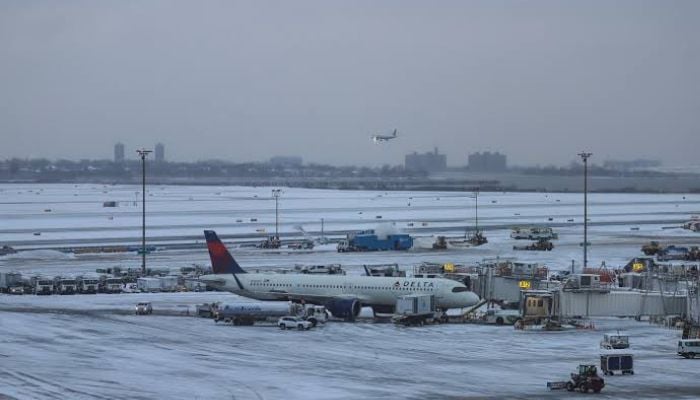
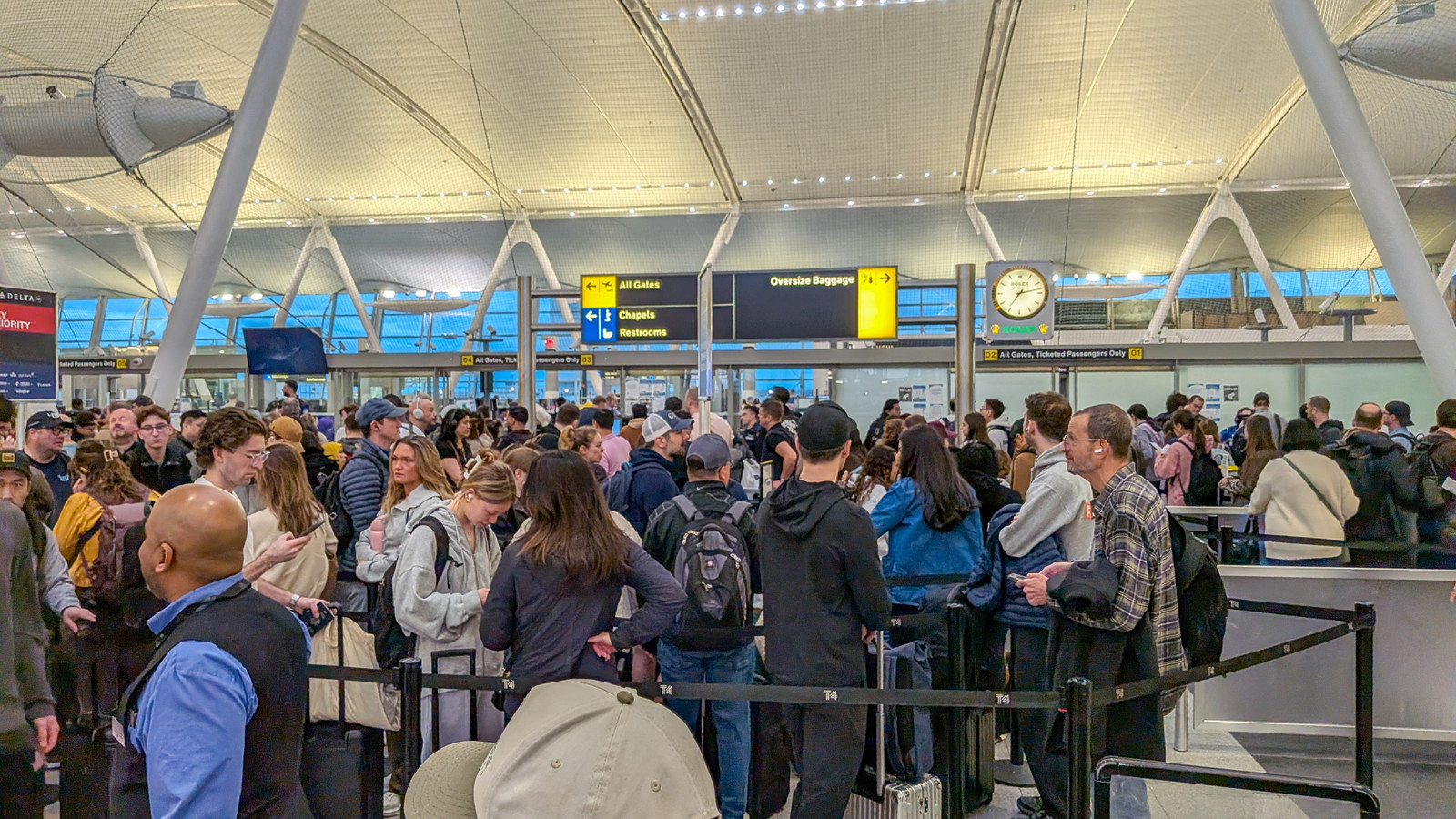
On July 21, 2026, severe thunderstorms across the East Coast triggered the largest single-day air transportation disruption in recent years, with 2,000+ flights canceled and 5,000+ delayed across nine major U.S. airports including JFK, LaGuardia, Newark, Boston Logan, and Philadelphia International. The Federal Aviation Administration (FAA) issued ground stops preventing aircraft landings and departures during peak evening hours, cascading disruptions through the entire Northeast logistics network. For cross-border e-commerce sellers, this event represents a critical supply chain vulnerability: air freight capacity through these hubs—which handle 35-40% of U.S. international cargo—became severely constrained, directly impacting sellers relying on expedited air freight from Asia, Europe, and Latin America.
Immediate logistics impact: Sellers shipping perishable goods, electronics with short shelf lives, and time-sensitive inventory faced 3-7 day delays as carriers rerouted flights through secondary hubs (Atlanta, Charlotte, Dallas). Air freight rates from major Asian ports (Shanghai, Hong Kong, Shenzhen) to East Coast destinations spiked 40-60% above baseline ($4.50-6.50/kg vs. normal $3.00-4.00/kg) as carriers consolidated shipments and charged premium fees for alternative routing. Amazon FBA sellers shipping to East Coast fulfillment centers (particularly New Jersey, Pennsylvania, and Massachusetts facilities) experienced inventory arrival delays that directly impacted IPI scores and Buy Box eligibility, as stock-outs triggered by delayed replenishment reduced sales velocity. Sellers with just-in-time inventory models faced immediate margin compression: a typical 500-unit electronics shipment ($8,000-12,000 value) incurred additional $600-1,200 in emergency rerouting costs, reducing per-unit margins by 8-15%.
Strategic sourcing implications: The disruption exposed concentration risk in East Coast air cargo infrastructure. Sellers should evaluate alternative gateway ports: Miami (serving Latin American suppliers), Atlanta (Southeast distribution hub), and Dallas (Southwest/Mexico sourcing). For sellers sourcing from China and Southeast Asia, the disruption highlighted the value of dual-port strategies—splitting shipments between West Coast (LA/Long Beach) and East Coast gateways to reduce single-point-of-failure risk. Sellers with inventory stuck in air cargo warehouses at affected airports faced demurrage charges of $50-150/day per pallet, incentivizing faster clearance through alternative carriers (FedEx, UPS, DHL) at premium rates. Warehouse positioning becomes critical: sellers should maintain 15-20% safety stock at regional 3PL facilities in secondary markets (Charlotte, Atlanta, Dallas) to buffer against East Coast disruptions, reducing reliance on just-in-time replenishment through congested hubs.
Inventory action timeline: Sellers should immediately (within 24-48 hours) contact freight forwarders to assess shipment status and rerouting options; those with shipments in-transit should authorize emergency rerouting to secondary hubs rather than waiting for East Coast clearance. Over the next 7-14 days, sellers should increase inventory buffers for high-velocity SKUs by 20-30% at non-East Coast fulfillment centers, shifting from FBA to 3PL fulfillment in Atlanta, Charlotte, or Dallas for 30-45 days until East Coast operations normalize. Sellers should also evaluate dropshipping partnerships with regional distributors to bypass air freight entirely for non-perishable categories during recovery periods. The incident demonstrates that weather-related disruptions are becoming more frequent and severe—sellers should budget 5-8% additional logistics costs for Q3-Q4 2026 to account for increased air freight volatility and maintain competitive delivery times despite infrastructure constraints.
Questions 8
Which product categories are most vulnerable to air freight disruptions?
Perishable goods (food, cosmetics, pharmaceuticals), electronics with short shelf lives (seasonal tech, fashion), and just-in-time inventory categories face highest disruption risk. These categories typically rely on air freight for speed and have low tolerance for delays. Perishable goods can lose 20-40% value per day of delay; electronics face obsolescence risk in fast-moving categories (smartphones, gaming). Sellers in these categories should maintain 30-45 days of safety stock at regional 3PLs and evaluate dropshipping partnerships to bypass air freight entirely during disruption periods.
What contingency planning should sellers implement for future weather disruptions?
Sellers should establish dual-gateway sourcing strategies (West Coast + secondary East Coast ports), maintain 15-20% safety stock at non-East Coast 3PLs, and negotiate flexible rebooking agreements with freight forwarders. Monitor FAA ground stop alerts and weather forecasts 5-7 days in advance to authorize proactive rerouting before disruptions occur. Implement inventory management systems that trigger automatic safety stock increases when weather alerts are issued for major hub regions. Budget 5-8% additional logistics costs for volatile seasons (Q3-Q4) and consider weather-indexed insurance for high-value shipments.