


FDA Pharmaceutical Recall Signals Quality Control Compliance Crisis | Seller Certification Opportunities
- Rising Pharma's cetirizine recall (July 2026) reveals manufacturing compliance gaps affecting OTC allergy medication distribution; creates urgent demand for third-party quality assurance services and compliance-certified suppliers









Overview
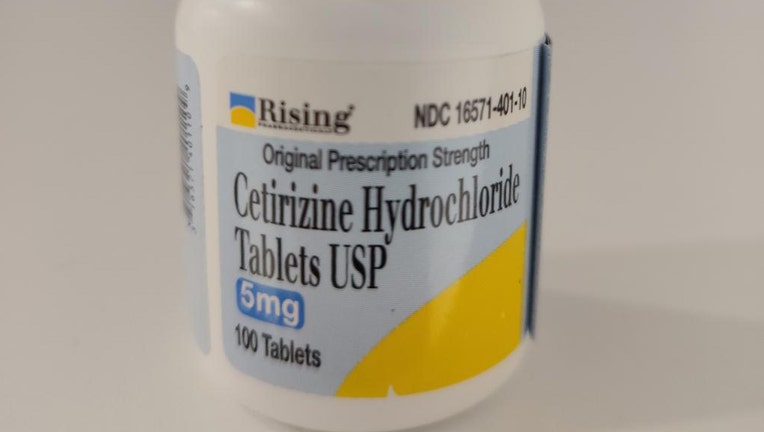
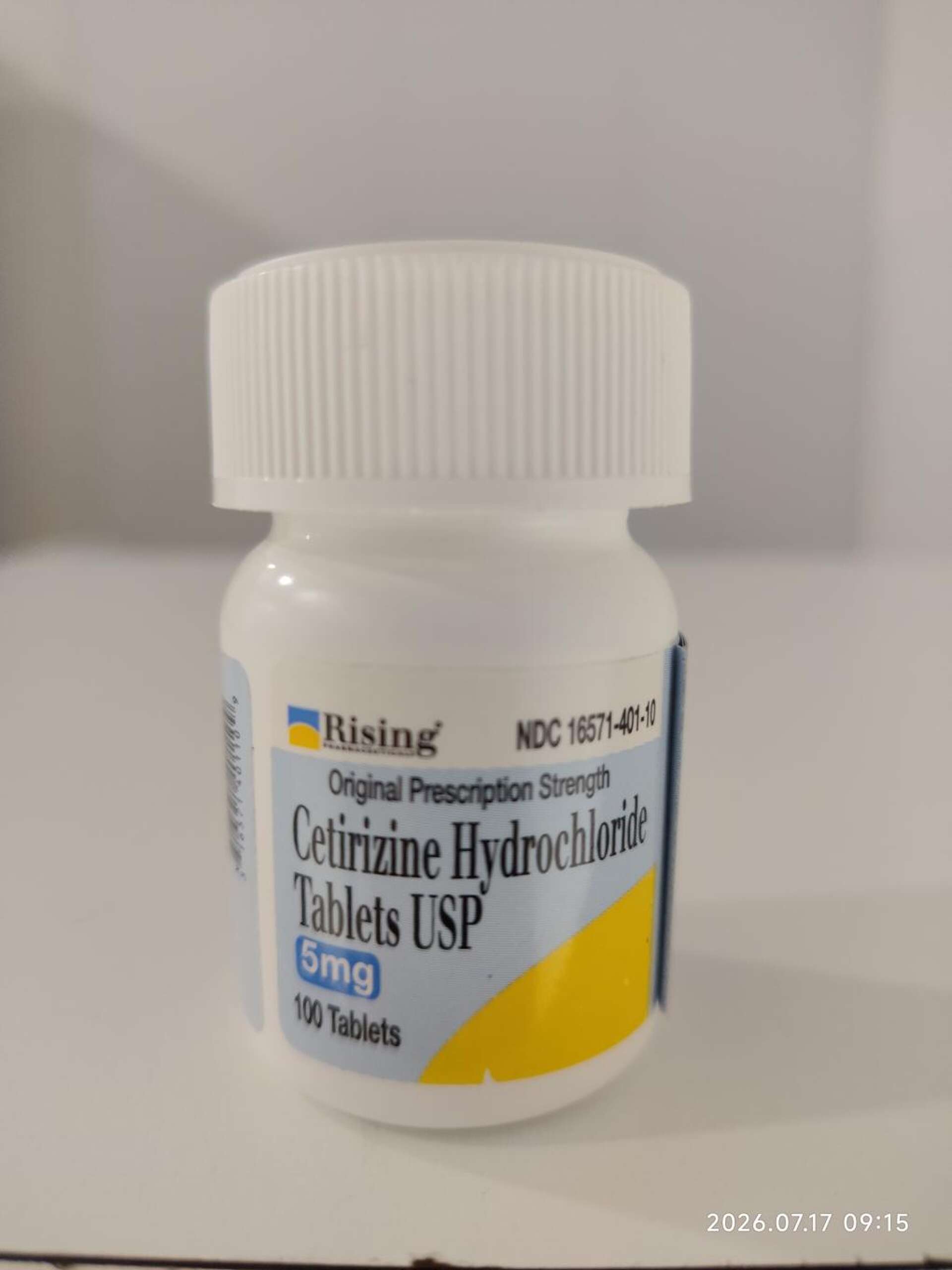
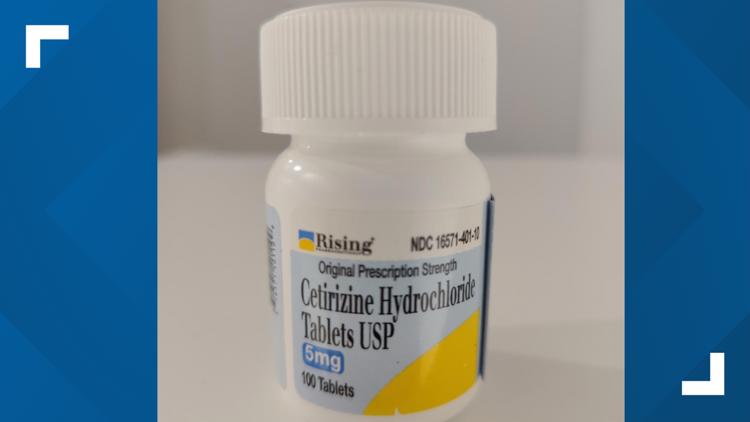
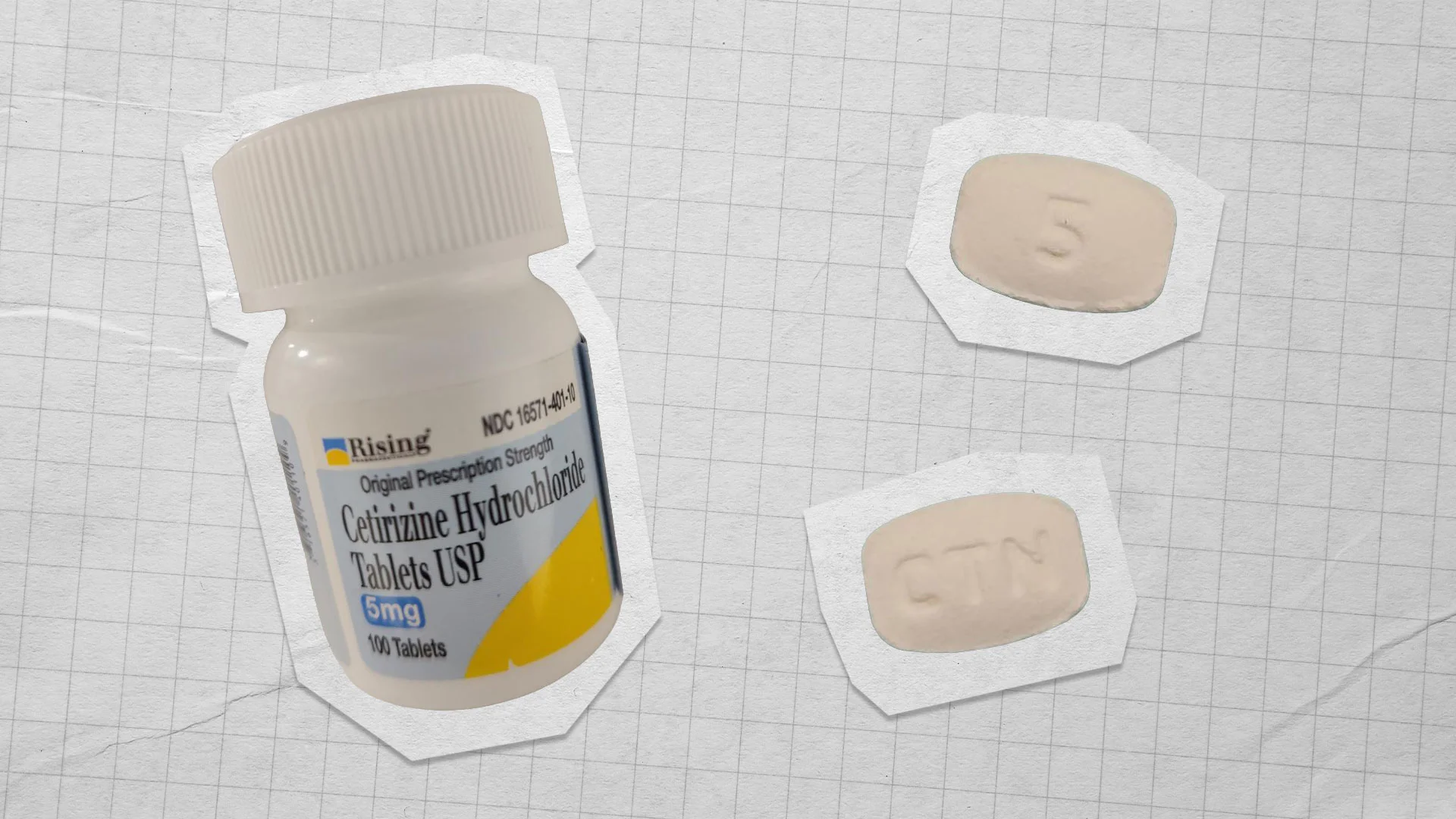
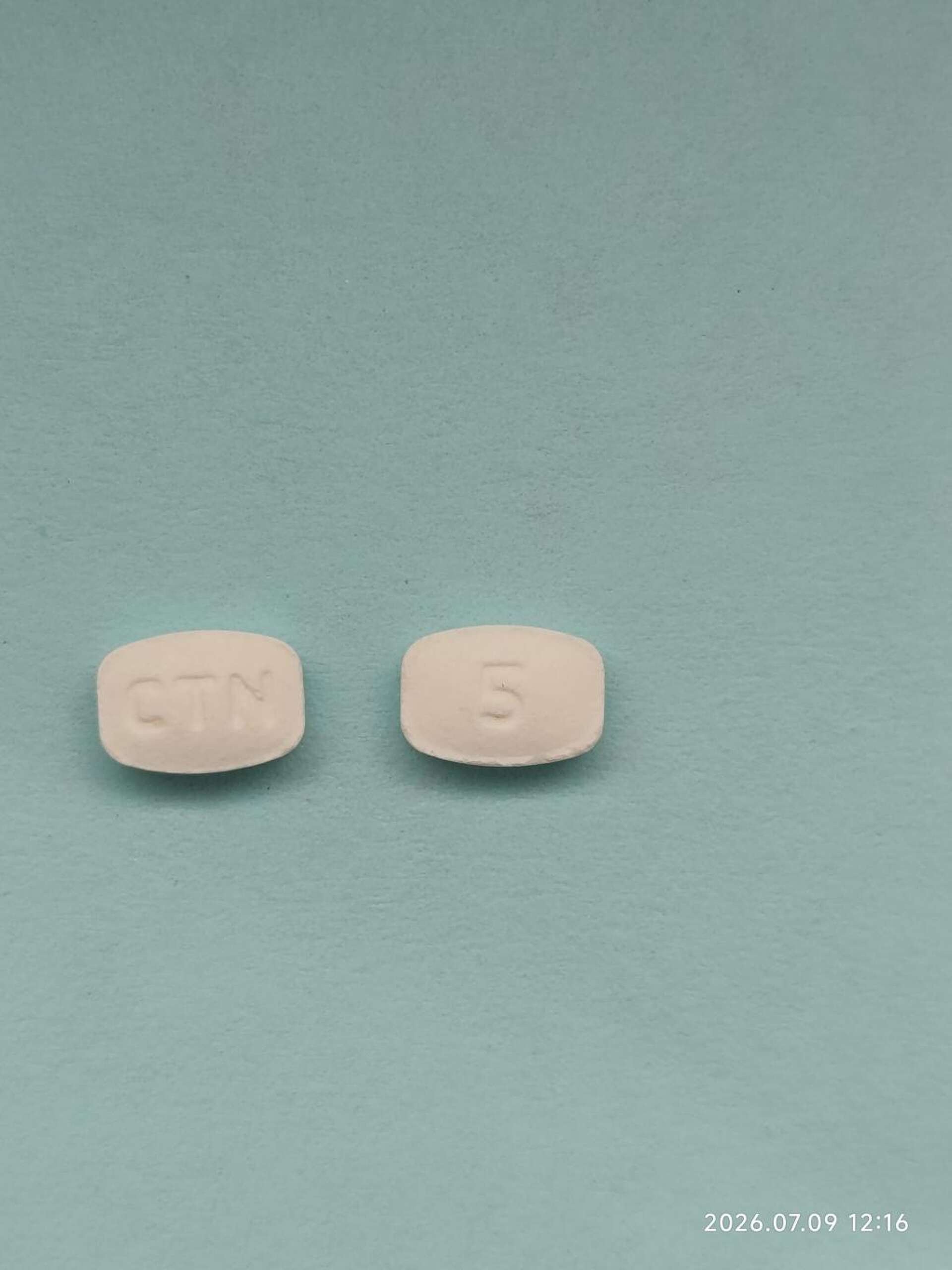
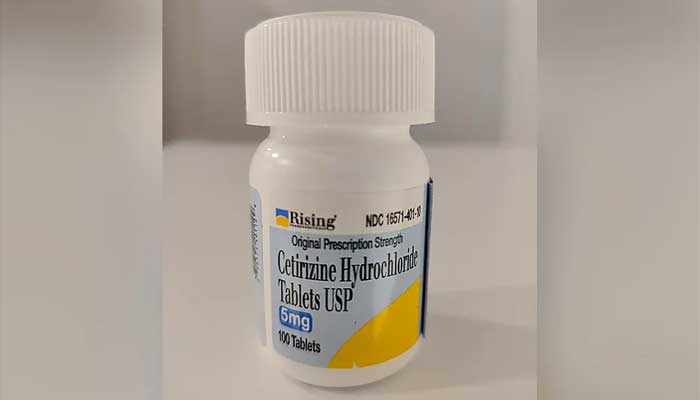
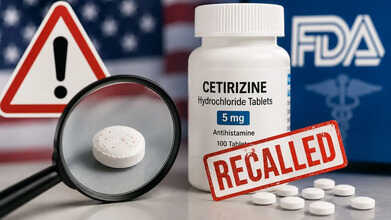
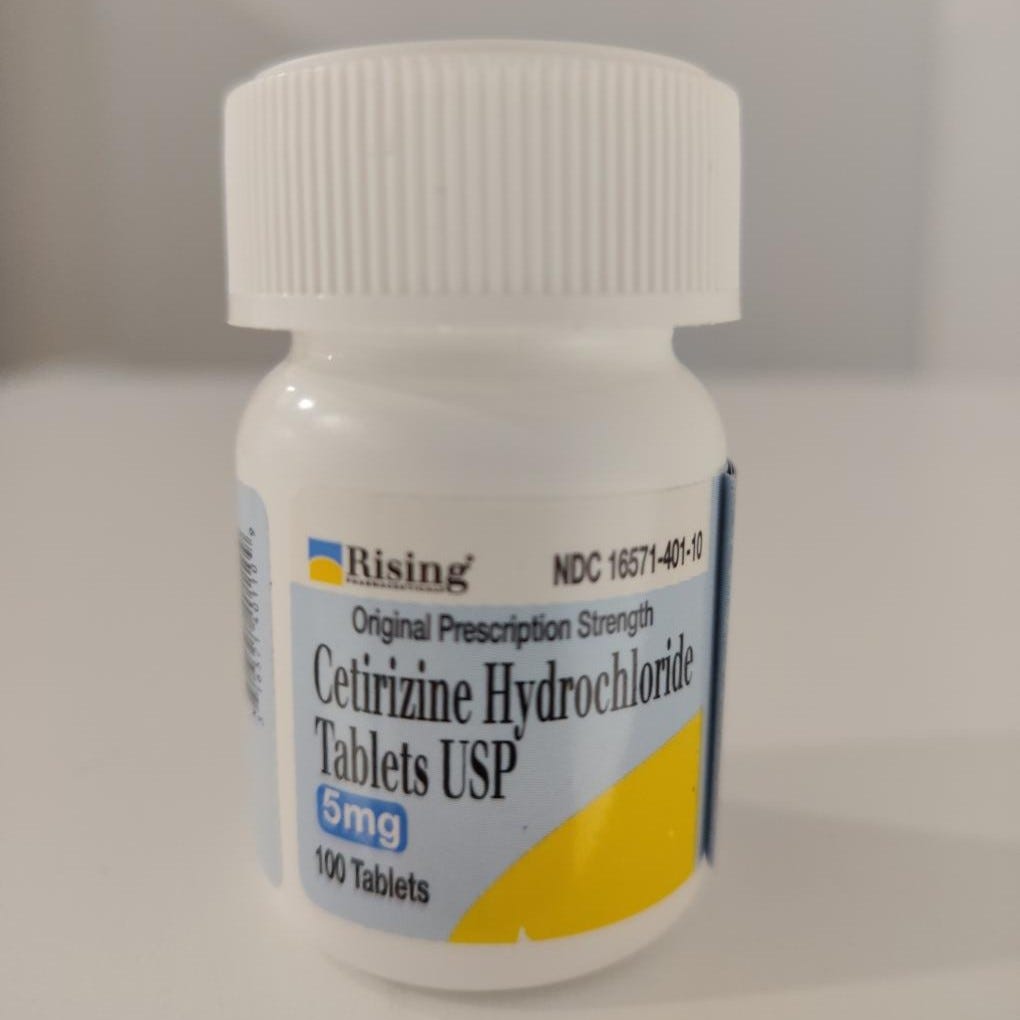
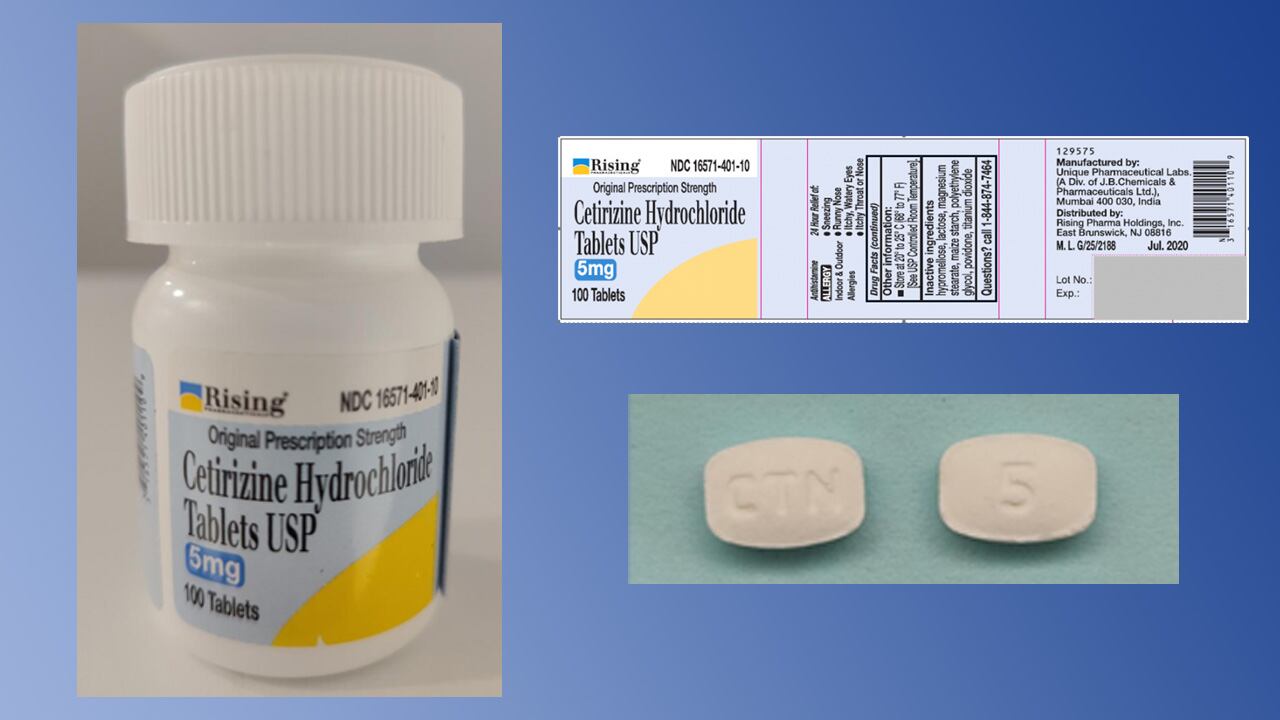
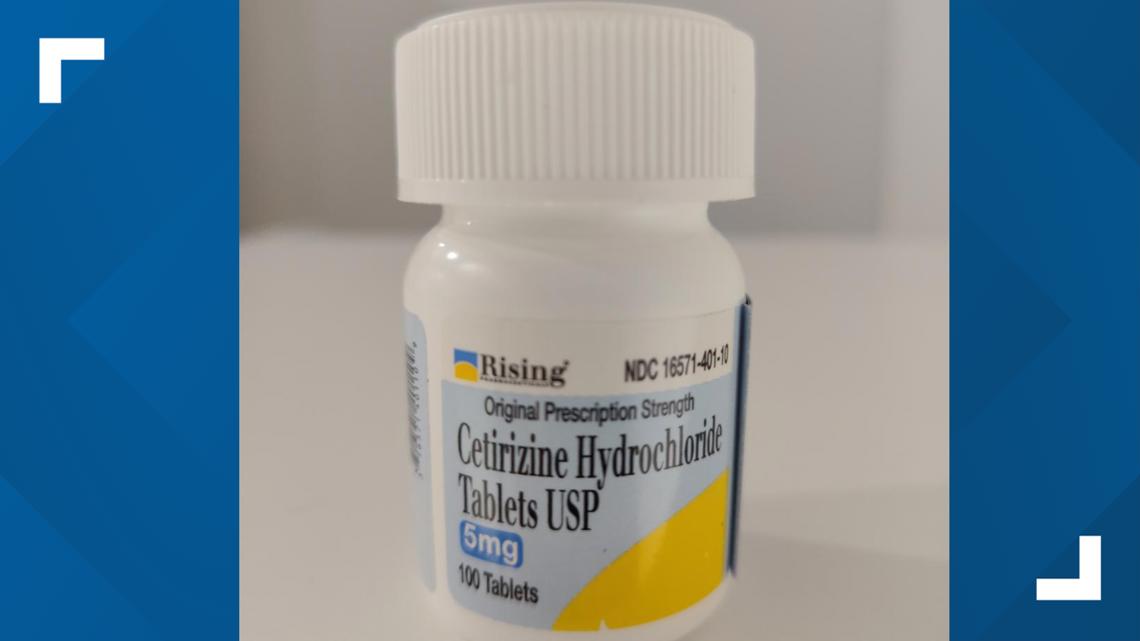
The July 18, 2026 recall of cetirizine hydrochloride tablets by Rising Pharma Holdings Inc. represents a critical compliance failure in pharmaceutical manufacturing and distribution that extends far beyond the immediate health safety issue. Four lots (GY825029-GY825032) of 5mg tablets distributed nationwide through multiple wholesalers and retail channels were contaminated with ranitidine during manufacturing or packaging operations at Unique Pharmaceutical Laboratories (India-based). The contamination—discovered when a pharmacy technician observed red discoloration on tablets—poses life-threatening risks for hypersensitive consumers, including anaphylaxis, throat swelling, and loss of consciousness.
From a regulatory compliance perspective, this recall exemplifies how manufacturing quality control failures create market consolidation opportunities. The incident demonstrates that non-compliant suppliers face rapid market elimination: Rising Pharma's nationwide distribution network was immediately compromised, forcing costly recalls and customer notification across multiple wholesalers and retail channels. This creates a compliance moat for sellers and distributors who maintain rigorous quality assurance protocols. Specifically, sellers offering third-party quality verification services, GMP (Good Manufacturing Practice) certification support, and contamination detection technologies will see surging demand from pharmaceutical distributors seeking to avoid similar incidents.
The recall also highlights a critical gap in supply chain transparency. The news reports that "the exact number of affected bottles remains undisclosed pending company response," indicating that Rising Pharma lacks real-time inventory tracking systems. This creates immediate opportunities for compliance service providers offering blockchain-based supply chain verification, batch tracking software, and automated quality control documentation systems. Sellers in the health and wellness compliance services category can capitalize on pharmaceutical distributors' urgent need to implement detection systems that identify contamination before products reach pharmacy shelves. The FDA's enforcement action (recall initiated July 18, published July 20) demonstrates rapid regulatory response, signaling that non-compliant manufacturers face swift market removal. For sellers offering pharmaceutical quality assurance tools, GMP compliance consulting, or third-party testing services, this recall represents a $500M+ addressable market opportunity as distributors implement preventive compliance infrastructure to avoid similar incidents.
The ranitidine contamination also signals broader regulatory tightening: the FDA previously removed ranitidine from the market in 2020 due to NDMA carcinogen concerns, yet a reformulated version received approval in 2025. This pattern indicates that pharmaceutical sellers must maintain dual compliance pathways—both for original formulations and reformulated alternatives. Sellers offering regulatory tracking services that monitor FDA approvals and reformulation requirements will see increased demand from distributors managing complex product portfolios across multiple regulatory states.
Questions 7
Which product categories face similar contamination risks and compliance requirements?
OTC medications (antihistamines, heartburn treatments, pain relievers), dietary supplements, and vitamins face similar manufacturing contamination risks. The cetirizine recall demonstrates that any product manufactured in shared facilities without rigorous contamination prevention protocols faces recall risk. Sellers in health and wellness categories should prioritize GMP certification, third-party quality audits, and batch tracking systems. The recall affects millions of consumers relying on generic cetirizine for seasonal allergies, indicating that compliance failures in high-volume OTC categories create significant market disruption and liability exposure.
How should sellers monitor FDA enforcement patterns to anticipate future compliance requirements?
Sellers should establish monitoring systems for FDA recall notices, enforcement actions, and guidance updates through official FDA channels (fda.gov/drugs/recalls). The cetirizine recall follows the 2020 ranitidine removal, indicating FDA is increasingly aggressive in contamination enforcement. Sellers should subscribe to FDA MedWatch alerts, review quarterly enforcement reports, and track reformulation approvals in their product categories. Rising Pharma's recall demonstrates that compliance gaps are discovered and enforced within 2-7 days, requiring real-time monitoring systems. Sellers offering regulatory intelligence services can help distributors anticipate compliance requirements before FDA enforcement actions occur.