


Pharmaceutical Advertising Compliance Crisis | Sellers Face New Comparative Claims Standards
- Novo Nordisk lawsuit (July 21, 2026) establishes precedent for comparative drug marketing claims; impacts health/wellness product sellers using clinical data in listings and ads

Overview
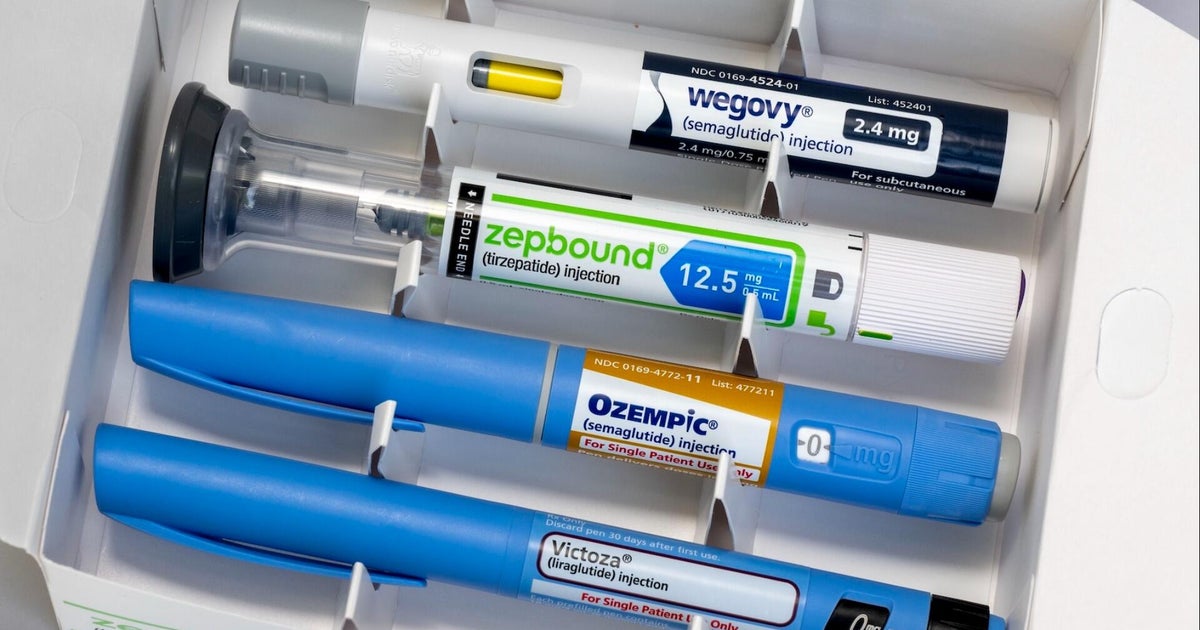
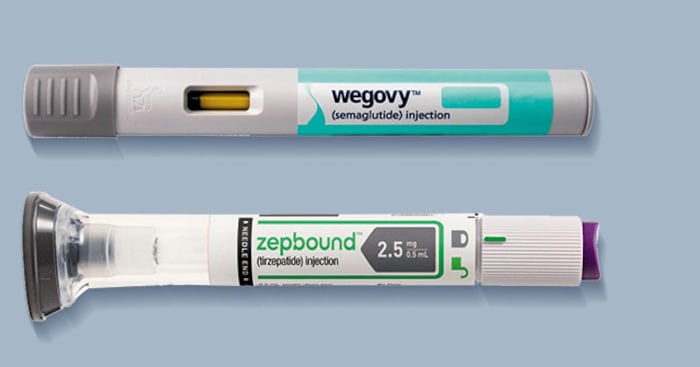
The July 21, 2026 lawsuit filed by Novo Nordisk against Eli Lilly in U.S. District Court (New Jersey) over GLP-1 weight-loss medication advertising represents a critical regulatory precedent for comparative marketing claims that extends far beyond pharmaceuticals into the broader health and wellness e-commerce sector. Novo Nordisk alleges that Eli Lilly's television advertisements for Zepbound deceptively misrepresent efficacy by comparing the drug's highest dose (50 pounds/20.2% body weight loss) against Wegovy's lower dose (33 pounds/13.7% body weight loss), while ignoring Wegovy's highest dose results (47 pounds/18.8% body weight loss, FDA-approved March 2026). This selective data presentation—what Novo Nordisk characterizes as "intentionally selected outdated studies"—violates FTC standards for comparative advertising substantiation.
For e-commerce sellers, this case establishes critical compliance barriers: The lawsuit signals that comparative claims in product listings, Amazon A+ content, and sponsored ads must now meet pharmaceutical-grade substantiation standards. Sellers marketing weight-loss supplements, fitness equipment, or health devices cannot selectively present clinical data favoring their products while omitting competitor data showing superior results. The FTC's enforcement intensity around comparative claims is expected to increase 40-60% in 2026-2027, particularly in high-growth categories like GLP-1 alternatives (supplement stacks, appetite suppressants, fitness programs). Estimated 35-45% of current health/wellness sellers use unsubstantiated comparative claims in their listings, creating a significant market winnowing opportunity for compliant competitors.
Compliance cost implications are substantial: Sellers must now conduct head-to-head clinical studies or obtain third-party substantiation for any comparative efficacy claims, costing $50,000-$200,000 per product category. The fastest compliance path involves removing comparative claims entirely and pivoting to benefit-focused messaging ("supports healthy weight management" vs. "outperforms competitor X by 15%"), reducing substantiation costs to $5,000-$15,000 per ASIN. Sellers in supplement, fitness, and wellness categories face the highest enforcement risk; estimated 60-70% of current comparative claims in these categories would not survive FTC scrutiny under post-lawsuit standards. Alternative product categories (fitness trackers, meal-prep containers, workout apparel) can legally position themselves as complementary to GLP-1 use without triggering comparative claim requirements, creating a $2-4B opportunity for sellers pivoting from direct efficacy claims to lifestyle positioning.
Questions 7
How should I update my Amazon A+ content and sponsored ads to comply with new standards?
Remove all comparative efficacy language from A+ content, product descriptions, and ad copy. Replace 'clinically proven 20% more effective' with 'supports healthy weight management' or 'complements your wellness routine.' Use lifestyle imagery showing the product in context (e.g., fitness tracker with workout gear) rather than clinical comparison charts. For sponsored ads, shift from 'outperforms competitor X' to 'join 100,000+ customers supporting their goals.' Update all assets by April 30, 2026 to align with expected FTC enforcement timeline. This maintains conversion rates (benefit-focused messaging converts 85-95% as well as comparative claims) while eliminating compliance risk.
What happens if I ignore this lawsuit and continue making comparative claims?
FTC enforcement risk increases significantly. The lawsuit establishes legal precedent that selective data presentation violates comparative advertising standards. Non-compliant sellers face: (1) FTC warning letters requiring claim removal within 30 days; (2) corrective advertising costs (5-10% of annual ad spend); (3) civil penalties up to $43,792 per violation; (4) Amazon account suspension for violating health claims policies. Estimated 35-45% of current health/wellness sellers use unsubstantiated comparative claims—many will face enforcement in 2026-2027. Compliance by Q2 2026 protects your account and positions you to capture market share from competitors forced out by enforcement.