


Apple Watch Patent Verdict Signals Strict IP Enforcement | Wearable Sellers Face Compliance Risk
- $634M judgment upheld; ITC import ban on blood oxygen models; sellers must audit health tech accessories for patent infringement exposure


Overview
The $634 million patent infringement verdict against Apple represents a watershed moment in IP enforcement for wearable health technology, with direct implications for cross-border e-commerce sellers. On November 2025, U.S. District Judge James V. Selna upheld Masimo's patent victory and rejected Apple's motions for a new trial, cementing a six-year legal campaign that fundamentally reshapes how courts interpret "patient-monitoring devices" under patent law. The ruling is particularly significant because Judge Selna rejected Apple's narrow interpretation of Masimo's pulse oximetry patent, instead adopting a broader everyday meaning that extends patent protection beyond conventional medical equipment to consumer smartwatches. This interpretive shift creates a compliance moat for patent holders and eliminates a common defense strategy for tech companies.
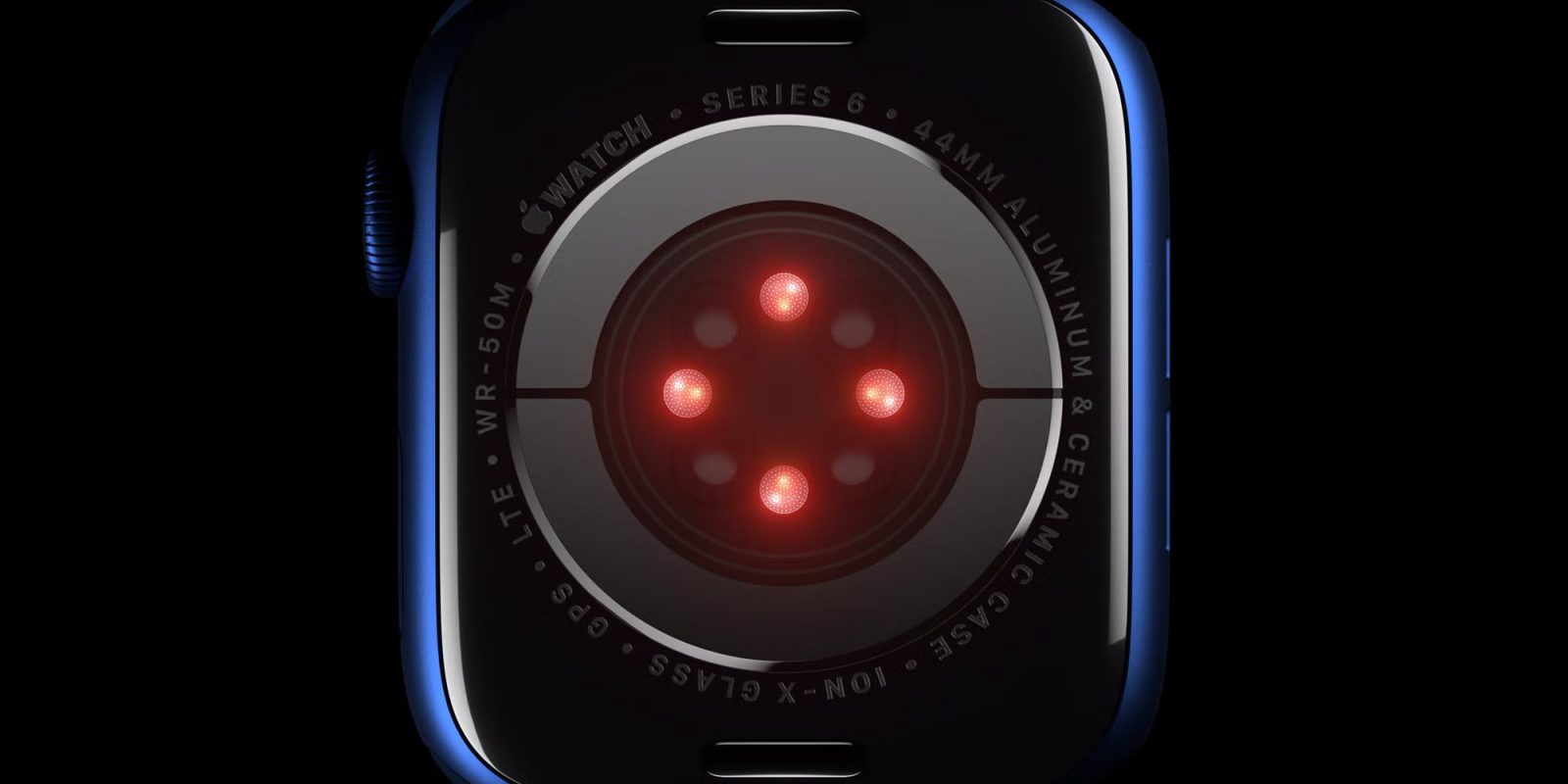
The compliance barrier is now substantially higher for wearable sellers. The 2023 International Trade Commission ruling already triggered a US import ban on Apple Watch models with blood oxygen monitoring, forcing Apple to disable features and redesign products to process sensor data on paired iPhones. For e-commerce sellers, this signals that courts will enforce health-monitoring patents aggressively: Masimo asserted 25+ patents in the dispute, with the majority found invalid, yet the core pulse oximetry patent survived all challenges. Sellers importing or reselling Apple Watch accessories, third-party health monitoring bands, or compatible smartwatch devices must now conduct patent clearance audits. The $634 million penalty—one of the largest tech IP awards in recent litigation—demonstrates that courts view health tech IP violations as severe, with damages calculated on total product sales rather than isolated infringing features.
For sellers, the fastest compliance path involves product redesign or feature removal, mirroring Apple's strategy. Rather than licensing Masimo's technology (which failed for Apple), sellers can: (1) source non-infringing pulse oximetry sensors from licensed manufacturers like Philips or GE Healthcare; (2) disable blood oxygen features on imported smartwatches and market them as fitness trackers instead; or (3) pivot to non-health-monitoring wearables (smartbands, activity trackers without biometric sensors). The compliance cost varies by strategy: feature removal requires minimal investment but reduces product appeal; licensed sensor integration adds $15-40 per unit but enables full functionality. Sellers in the US market face the highest enforcement risk due to ITC jurisdiction, while EU sellers have more flexibility pending regional patent enforcement. The ruling also creates a service gap: patent clearance tools for wearable accessories are underserved, presenting opportunities for compliance-as-a-service providers to audit product listings and flag infringing features before import.
Questions 8
What are the financial implications of this verdict for sellers' margins and pricing?
The verdict creates three cost scenarios for sellers: (1) Feature removal: $0-5 per unit cost, but 10-20% reduction in product appeal and pricing power; (2) Licensed sensors: $15-40 per unit cost, maintaining full functionality and pricing; (3) Litigation risk: potential damages of 2-3x product cost if sued for infringement. For a seller importing 10,000 smartwatches annually at $50 wholesale cost, feature removal saves $0-50K but may reduce sales by 15-20% ($75-100K revenue loss). Licensed sensors add $150-400K annual cost but preserve margins. The verdict also increases compliance costs: patent audits ($2-5K per product line), customs documentation ($500-1K per shipment), and potential legal fees if challenged. Sellers should model these scenarios: if your current margin is 30-40%, feature removal preserves margins but hurts sales; licensed sensors compress margins to 20-25% but maintain volume. The break-even point is typically at 5,000+ units annually, where licensing becomes economically justified.
Could this verdict trigger similar enforcement against other wearable patent holders?
Yes, the verdict sets a precedent that courts will interpret health-monitoring patents broadly and award substantial damages. Other patent holders in wearable health tech (Philips, GE Healthcare, Medtronic) may now pursue similar litigation against sellers and manufacturers. The ruling also signals that ITC import bans are an effective enforcement mechanism, likely encouraging more patent holders to file ITC complaints. For sellers, this means the compliance landscape for wearables will tighten significantly over the next 12-24 months. Sellers should expect: (1) more aggressive patent enforcement by medical device companies; (2) higher licensing costs as patent holders gain leverage; (3) increased customs scrutiny of wearable imports. The strategic implication is to shift toward non-health-monitoring wearables (fitness trackers, smartbands, GPS watches) or to invest in licensed sensor technology now before licensing costs increase. Sellers with diversified wearable portfolios will be better positioned than those relying solely on health-monitoring features.