




Tesla Grok AI in Japan Drives In-Vehicle Commerce Opportunity | Sellers Can Capture Location-Based Shopping Demand
- July 21 rollout enables GPS-linked shopping reminders and voice-activated purchasing; creates new channel for food, automotive accessories, and convenience products in Japanese market





Overview
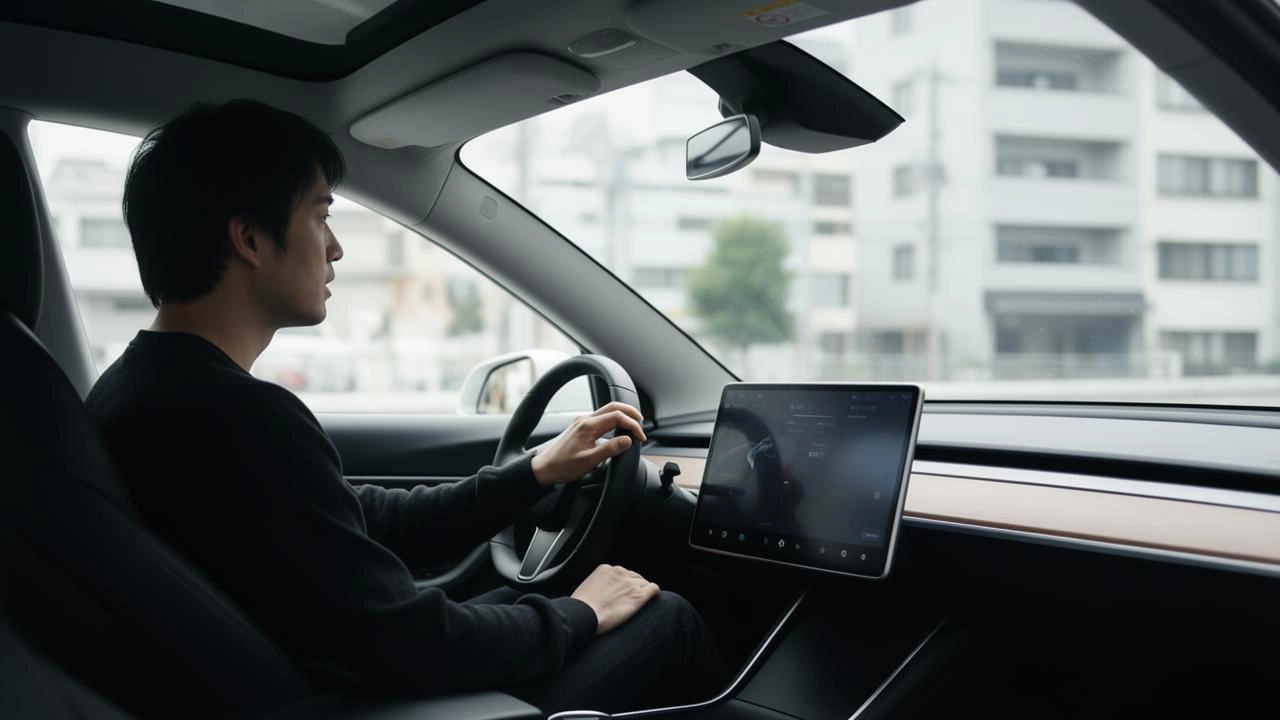
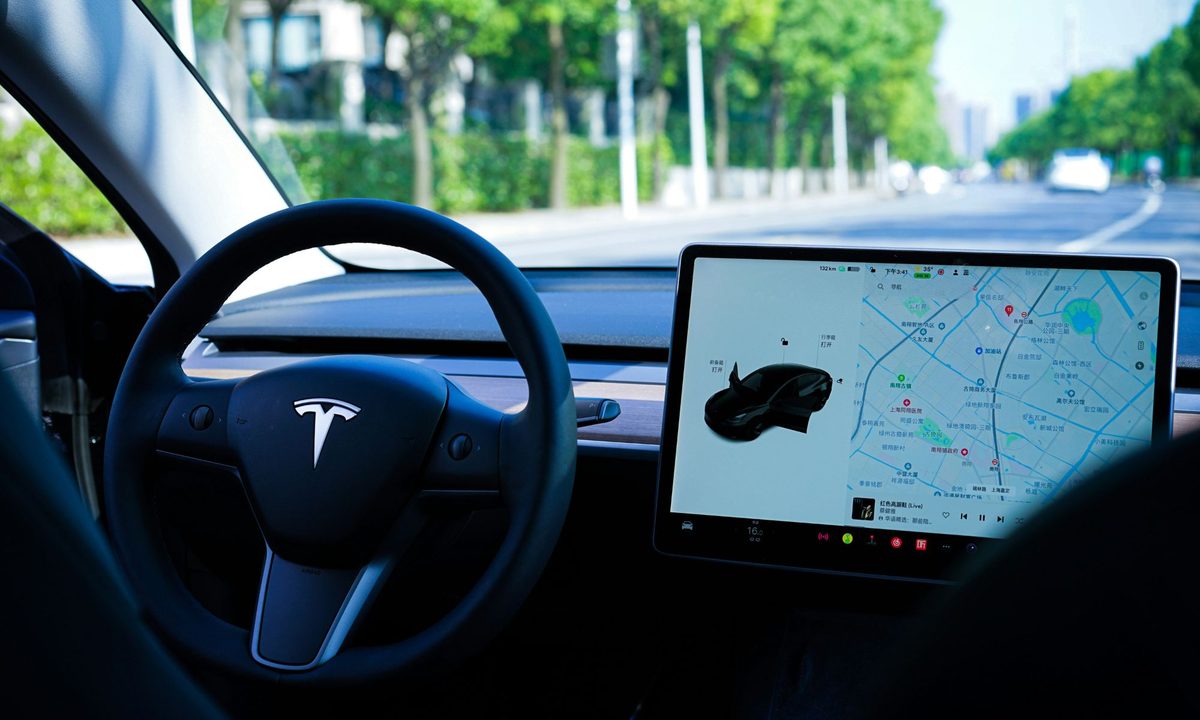
Tesla's July 21 rollout of Grok AI to Japanese vehicles represents a fundamental shift in how consumers discover and purchase products while driving—a previously untapped commerce moment. Unlike traditional voice assistants limited to Q&A exchanges, Grok leverages real-time natural language processing and GPS-linked task management to transform vehicle context into shopping behavior. When a driver says "I'm hungry—find a kid-friendly restaurant with parking within 10 minutes," Grok doesn't just answer; it integrates navigation, location data, and passenger attributes to deliver actionable commerce recommendations with direct purchasing pathways.
The AI Automation Opportunity for E-Commerce Sellers: This launch creates three immediate automation wins. First, sellers can deploy AI-powered product recommendation engines that integrate with navigation APIs to surface relevant products at decision moments—food delivery services, automotive accessories, convenience items—based on vehicle location and driver behavior patterns. Second, dynamic pricing automation becomes viable: AI can adjust prices in real-time based on proximity to competitors, inventory levels, and demand signals from Grok queries. Third, voice commerce fulfillment requires automated order routing to nearest fulfillment centers; sellers using 3PL networks can implement AI-driven logistics optimization to ensure sub-30-minute delivery windows for location-triggered purchases.
Data-Driven Insights & Competitive Intelligence: Grok's contextual understanding reveals hidden shopping patterns—the "milk at supermarket" reminder exemplifies location-based purchasing intent that traditional e-commerce platforms miss. Sellers can use AI sentiment analysis on Grok conversation logs (with privacy compliance) to identify unmet product needs in specific geographic zones. For example, if Grok receives 500+ queries about "kid-friendly dining" in Tokyo's Shibuya district during July-August, sellers can identify demand for family-oriented food products, children's entertainment subscriptions, or travel accessories in that micromarket. Predictive analytics can forecast which product categories will spike based on traffic patterns, weather, and seasonal events—enabling sellers to pre-position inventory in regional fulfillment centers 2-3 weeks before demand peaks.
Market Context: Japan's high receptivity to advanced in-vehicle technology (noted in the announcement) signals strong consumer adoption velocity. Tesla's shift toward recurring revenue models based on software and connected services means Grok will expand to additional markets (US, EU) within 6-12 months. Early-mover sellers who optimize for voice commerce and location-based purchasing in Japan can establish competitive moats before the feature saturates other markets. The "transform travel time from lost time into usable time" positioning directly targets impulse purchasing behavior—a $40-60B annual opportunity in automotive-adjacent commerce globally.
Questions 7
What compliance and privacy considerations apply to Grok-based commerce?
Sellers must comply with Japan's APPI (Act on Protection of Personal Information) when accessing location data and conversation context from Grok. EU sellers preparing for Grok expansion must ensure GDPR compliance for any personal data processing. Key requirements: (1) explicit user consent for location tracking and purchase history analysis; (2) data minimization—collect only location/intent data necessary for recommendations; (3) transparent privacy policies explaining how Grok data informs product suggestions. Non-compliance risks include ¥100M+ fines in Japan and €20M+ in EU. Sellers should audit data handling practices and implement privacy-by-design principles before launching Grok integrations.
When should sellers expect Grok to expand beyond Japan?
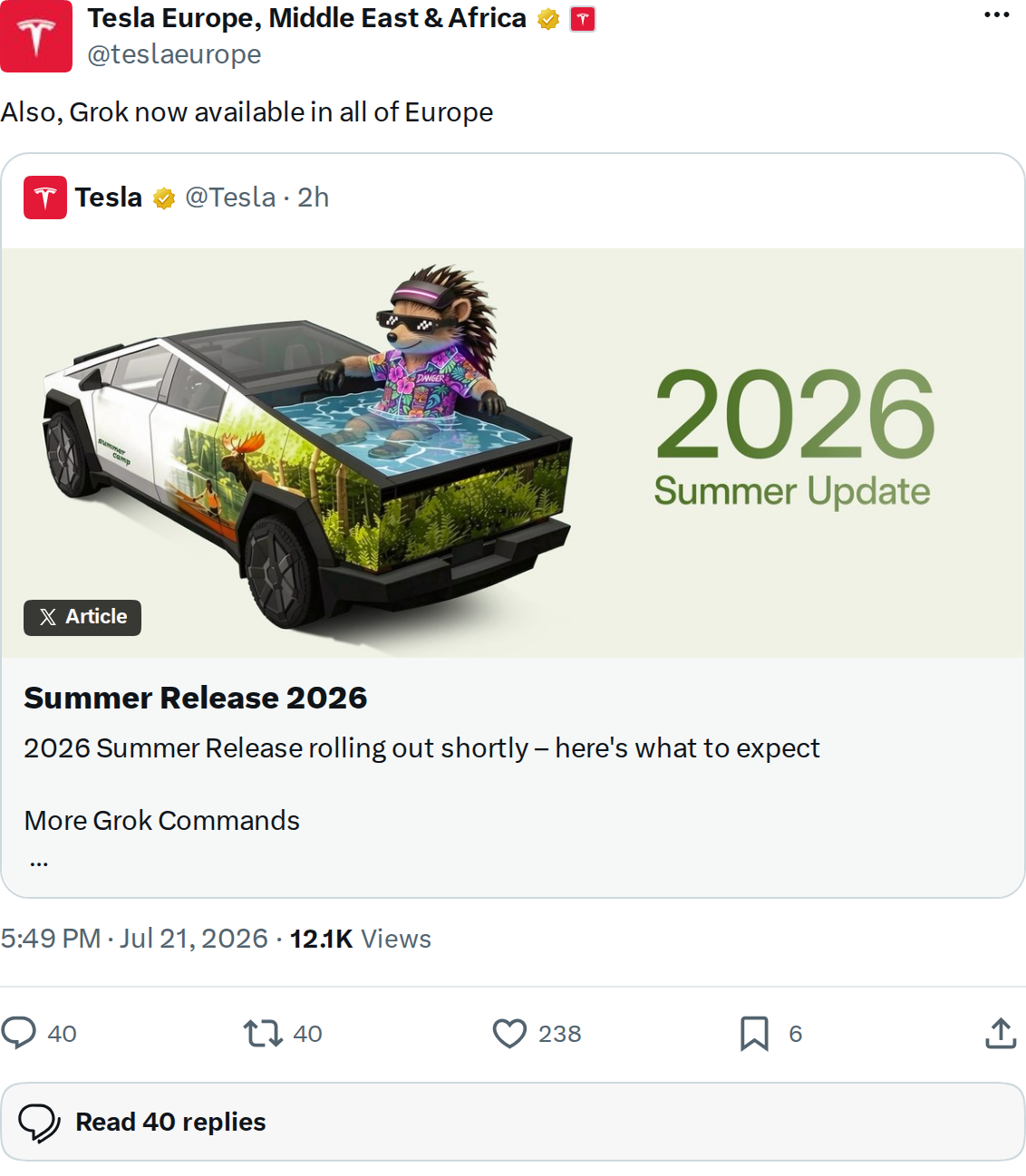
Tesla's announcement emphasizes Japan as a "strategic milestone" in shifting toward recurring software revenue models, signaling planned expansion. Industry patterns suggest 6-12 month rollout cycles: US market likely receives Grok in Q1-Q2 2025, followed by EU markets in Q2-Q3 2025. Sellers who establish competitive advantages in Japan now—optimized product data, voice commerce integrations, location-based fulfillment networks—can scale to 50M+ potential users across US and EU markets with minimal additional investment. First-mover advantage in voice commerce typically lasts 12-18 months before market saturation; sellers should prioritize Japan optimization immediately to capture this window.