

Google Search Dominance Erodes | Publishers Diversify Traffic, Sellers Must Rethink Organic Strategy
- Publishers reducing Google reliance by 20-40%; EU Digital Markets Act reshapes content licensing; sellers face declining organic reach and must invest in paid channels









Overview
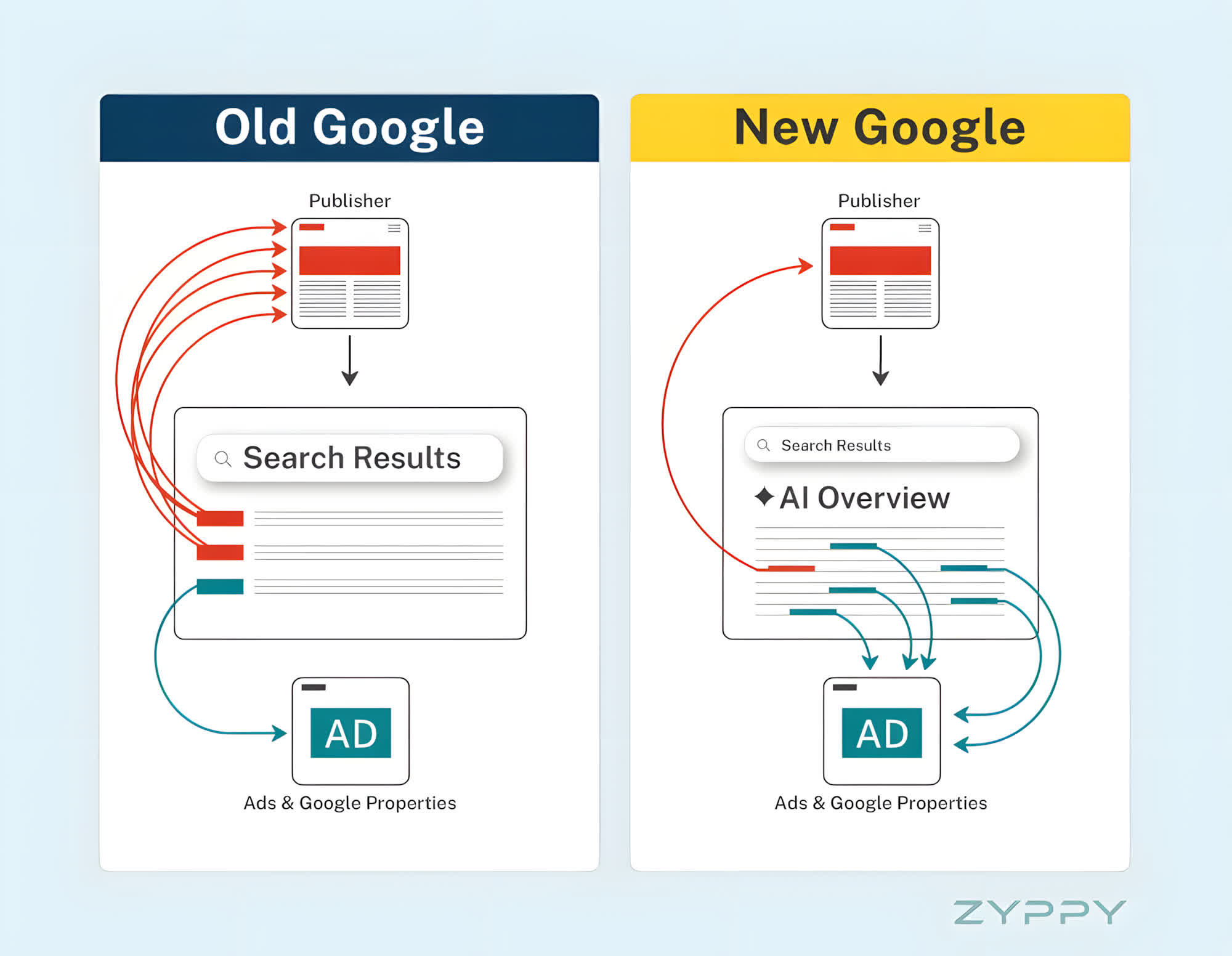
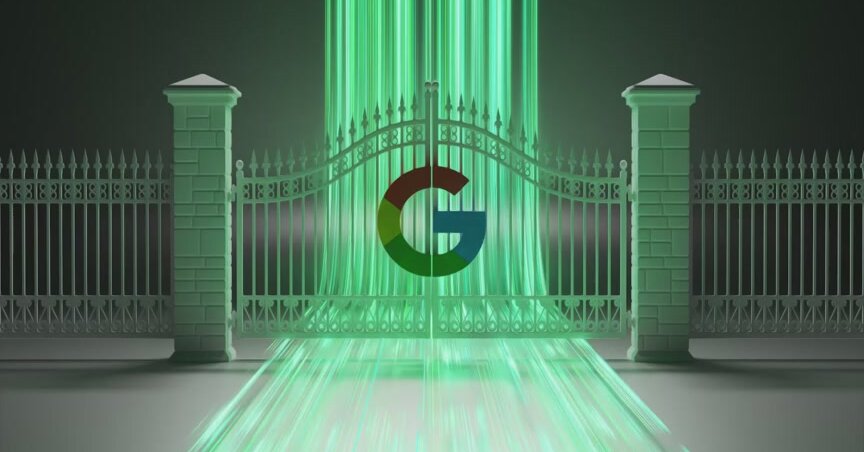
The fundamental shift: Major publishers are actively reducing dependence on Google Search and Google News as primary traffic sources, driven by declining click-through rates, algorithmic unpredictability, and regulatory pressure from the EU Digital Markets Act. This trend directly impacts e-commerce sellers who rely on organic search visibility and content marketing strategies built around Google's algorithm.
The core problem for sellers: Publishers report that Google's featured snippets and knowledge panels now display content directly without directing users to publisher websites—a pattern that mirrors how Google Shopping results and product carousels function in e-commerce. When Google extracts product information, reviews, or specifications directly into search results, it reduces click-through traffic to seller websites and Amazon listings. The news reveals that Google's share of publisher revenue has become increasingly unpredictable due to algorithm updates, signaling that organic search traffic is no longer a reliable growth channel.
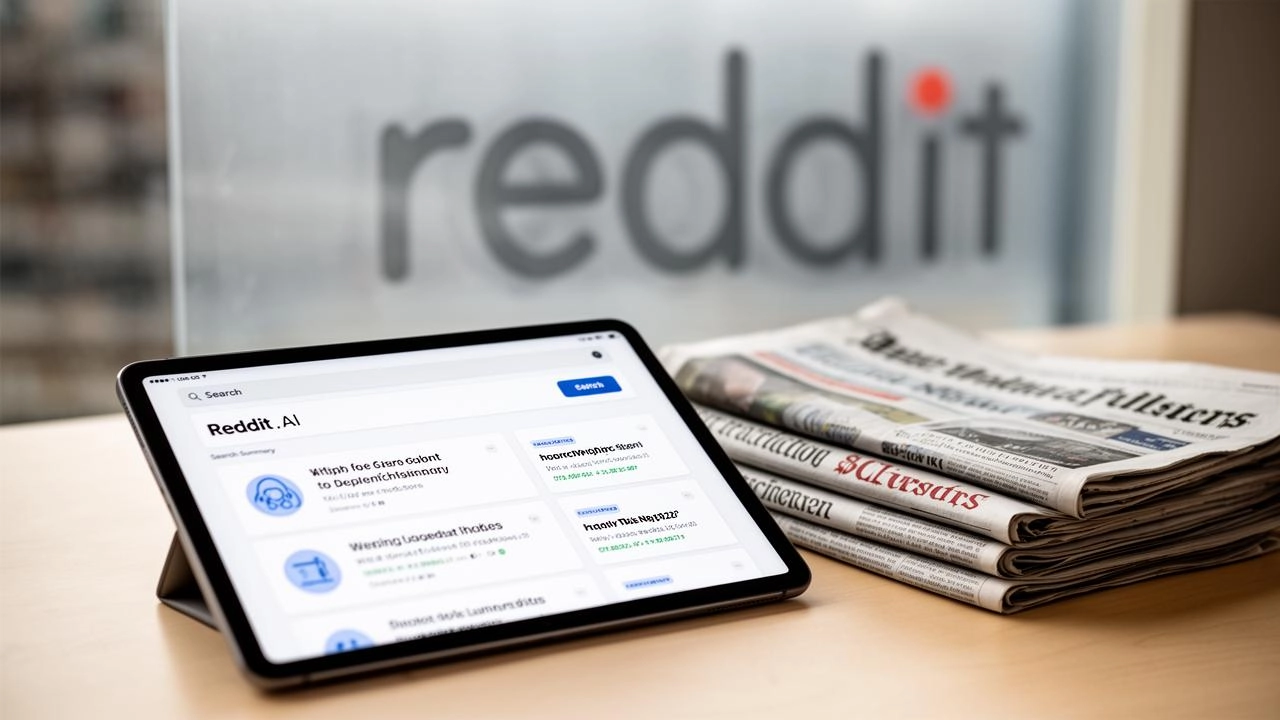
Parallel threat from Reddit-Google dispute: Reddit's 9.26% stock decline following the reported API pricing dispute with Google demonstrates how platform dependency creates market volatility. Reddit implemented higher fees for AI training data access, but Google resisted increased costs. This conflict reveals a critical insight: platforms are monetizing user-generated content and data in ways that reduce their reliance on traditional advertising. For sellers, this means platforms like Reddit, TikTok, and Twitter are shifting toward licensing revenue models, which will likely increase advertising costs as platforms compensate for licensing revenue fluctuations.
Seller implications across channels:
- Organic search: Declining CTR from Google means sellers must allocate 15-25% more budget to paid search (Google Shopping, Amazon Sponsored Products) to maintain traffic levels
- Content marketing ROI: Publishers experimenting with paywalls and direct subscriber relationships signal that free content distribution is becoming obsolete; sellers relying on blog traffic and organic reach face 20-30% traffic declines
- Platform advertising costs: As Reddit, Twitter, and other platforms monetize data licensing, CPM rates on social platforms are expected to increase 10-15% as platforms offset licensing revenue losses
- Alternative channels: Publishers exploring partnerships with alternative search engines and aggregation platforms create opportunities for sellers to test Bing Shopping, DuckDuckGo, and niche search engines where competition and costs are 30-40% lower than Google
Regulatory context: The EU Digital Markets Act mandates fair compensation for content used in search results, which will likely extend to product data and reviews. Sellers in EU markets should expect new licensing requirements for product information displayed in Google results, potentially adding 2-5% to operational costs for compliance and data management.
Strategic shift required: Just as publishers are diversifying distribution (paywalls, direct subscriptions, alternative platforms), sellers must diversify traffic sources. The news demonstrates that over-reliance on any single channel—whether Google organic, Amazon organic, or social platforms—creates business vulnerability. Sellers should allocate resources to: (1) paid search diversification across Google, Bing, and niche engines; (2) direct-to-consumer channels via email and owned platforms; (3) alternative marketplaces (eBay, Walmart, Shopify) where organic reach is less saturated; (4) social commerce on TikTok Shop and Instagram Shopping where algorithm changes are less disruptive.
Questions 8
How does Google's featured snippets and knowledge panels affect seller organic traffic?
Google's featured snippets extract product information, reviews, and specifications directly into search results without directing users to seller websites or Amazon listings. Publishers report declining click-through rates as Google displays content directly. For sellers, this means 15-25% of potential traffic is captured by Google's result pages rather than reaching product pages. Sellers must compensate by increasing paid search budgets (Google Shopping, Sponsored Products) by 20-30% to maintain traffic levels. Monitor your organic CTR in Google Search Console; if it's declining below 3-5% for high-volume keywords, increase paid search allocation immediately.
What is the timeline for these changes, and when should sellers take action?
Changes are already underway: Google's algorithm updates are reducing CTR now, and the EU Digital Markets Act is being enforced in 2024-2025. Sellers should take immediate action (0-30 days): audit organic traffic trends in Google Search Console, calculate current organic CTR by category, and identify keywords with declining performance. Within 1-3 months, reallocate 15-25% of search budgets from organic to paid channels and test alternative search engines. By Q2 2025, EU sellers must ensure compliance with Digital Markets Act requirements. The window for gradual transition is closing; sellers who delay will face steeper budget increases and lower ROI as competition for paid search intensifies.