
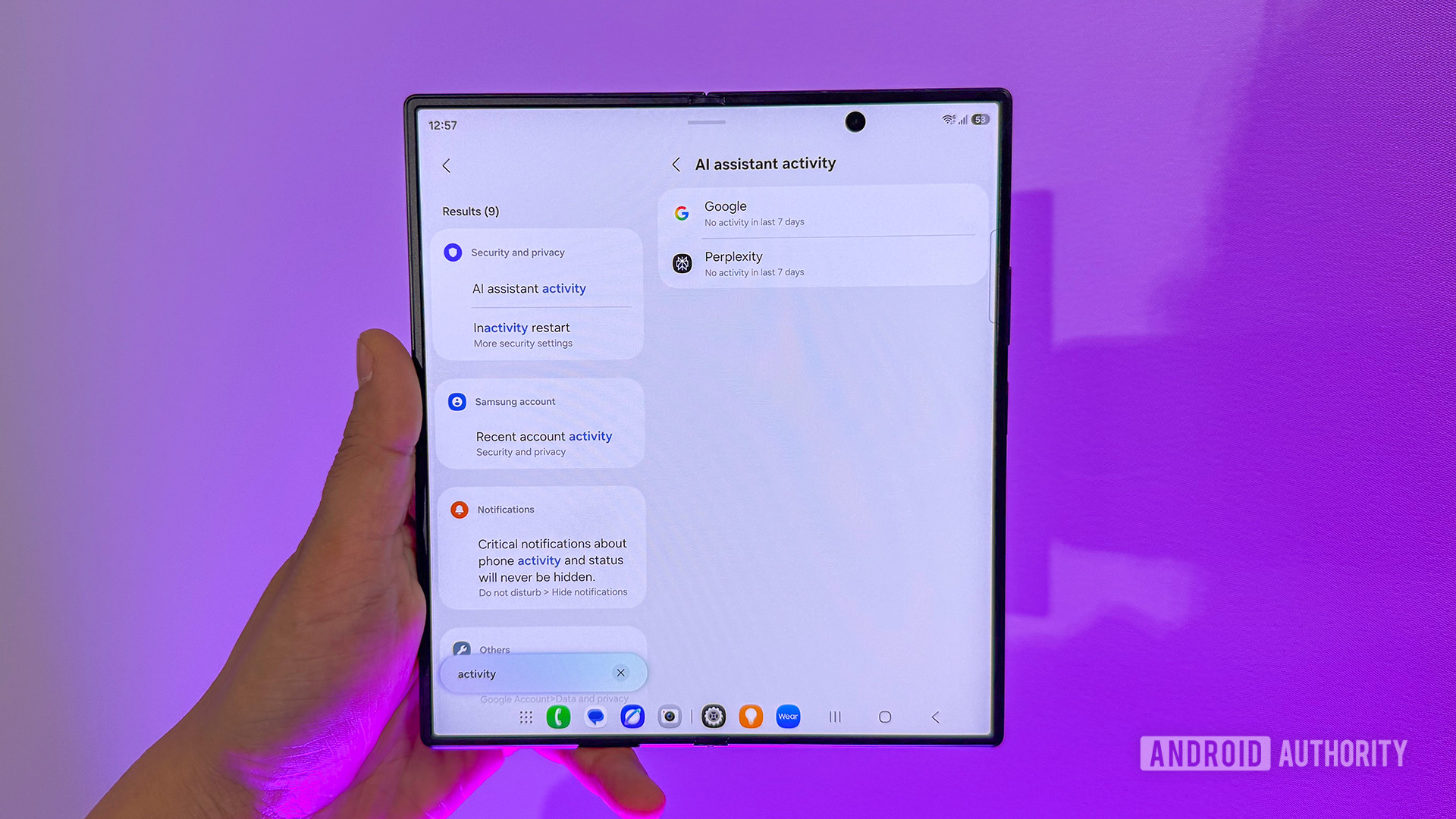





AI-Powered Seller Automation: Gemini Task Automation Reaches 40+ Apps | Operational Efficiency Win
- Google expands Gemini automation from 6 to 40+ apps including Etsy and Expedia; enables sellers to automate inventory, order processing, and customer workflows; 5-8 hours/week time savings potential for multi-channel sellers






Overview
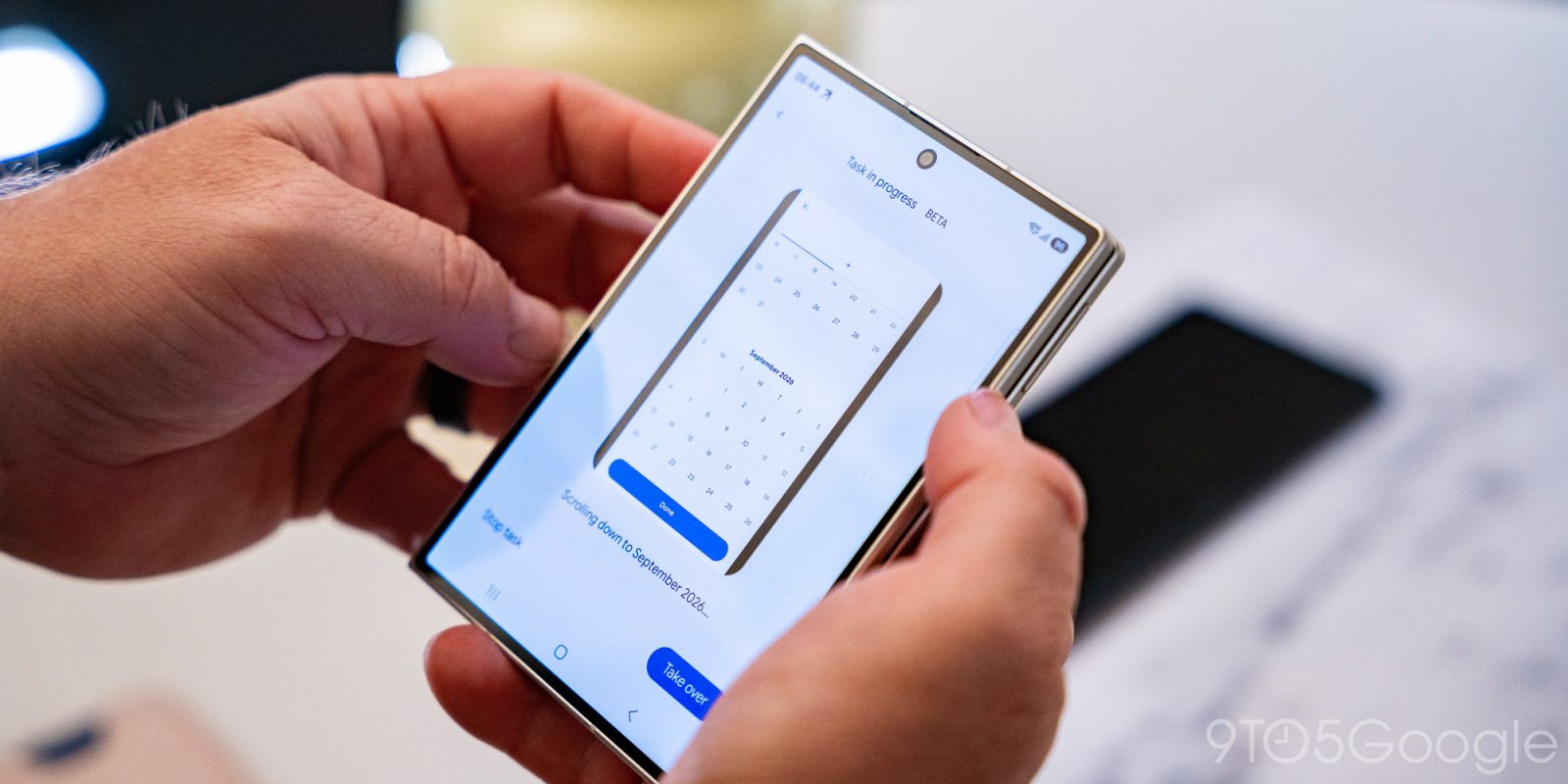
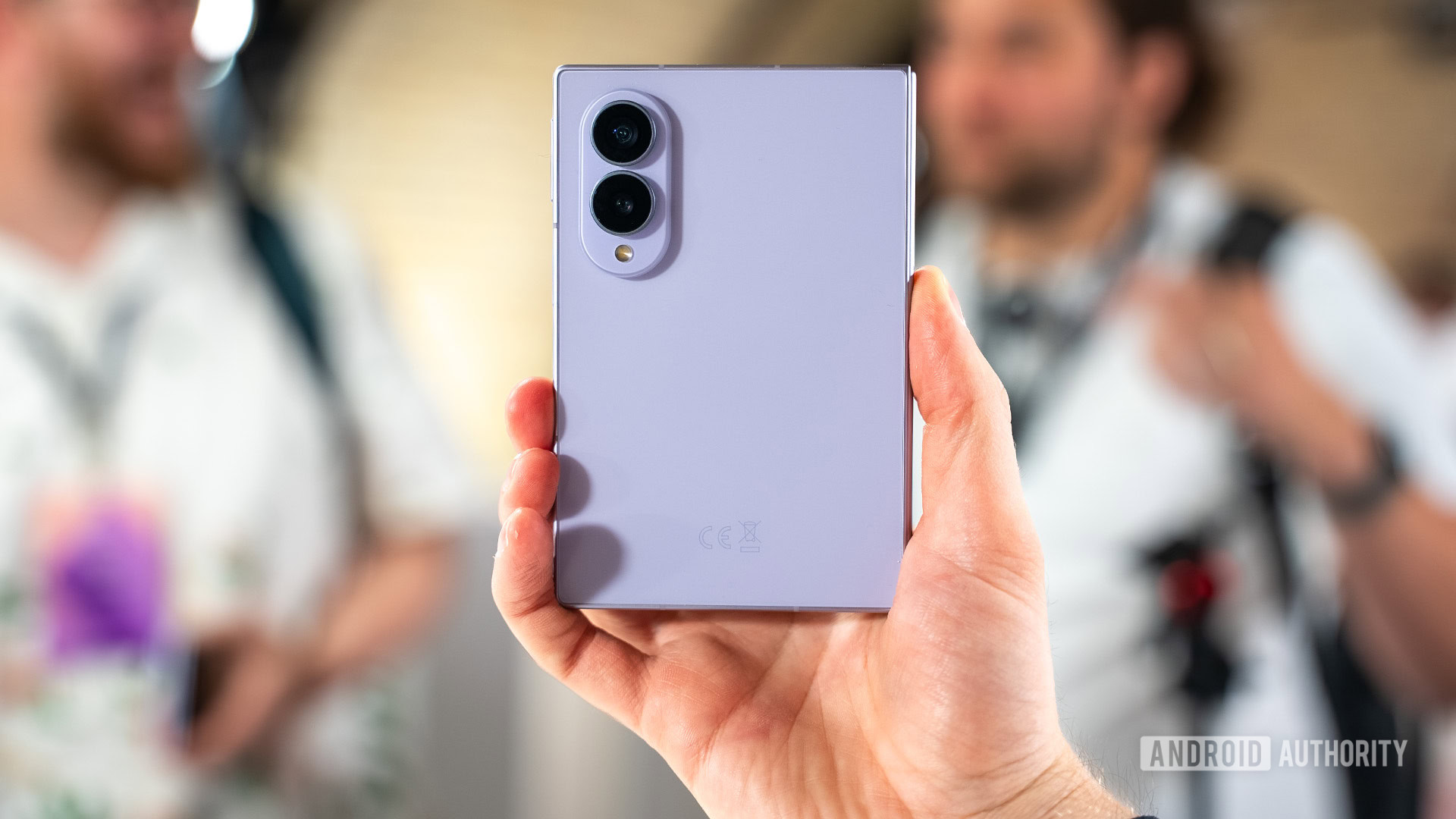
Google's Gemini Task Automation officially launches beyond beta with support for 40+ applications, marking a critical inflection point for e-commerce sellers managing multi-channel operations. Announced at Galaxy Unpacked 2026 in London, the expansion from six apps to 40+ includes direct integration with Etsy and Expedia, alongside shopping, restaurant reservations, travel booking, and event ticketing platforms. Samsung's new Galaxy Z Fold 8 Ultra, Fold 8, and Flip 8 devices ship with six months of Google AI Pro included, providing sellers immediate access to advanced automation capabilities. This represents the first mainstream AI automation platform with explicit e-commerce platform support, enabling sellers to automate repetitive operational tasks without custom coding.
For cross-border e-commerce sellers, the operational implications are substantial. Gemini Task Automation can streamline three critical workflows: (1) Inventory Management - automated stock level synchronization across Etsy, Shopify, and third-party logistics platforms via Gmail and Google Workspace integration; (2) Order Processing - automatic order data extraction from multiple channels, customer communication routing, and fulfillment instruction generation; (3) Customer Service - automated response templates, inquiry categorization, and multi-language support through Gemini's advanced reasoning capabilities. Sellers using Google Workspace, Gmail, and integrated accounting software (QuickBooks, Xero) can leverage the 40+ app ecosystem to reduce manual data entry by an estimated 5-8 hours weekly. The Flex Window feature on Galaxy Z Flip 8 enables one-handed access to automation workflows, critical for sellers managing operations on-the-go during peak selling seasons.
The competitive advantage window is immediate but time-limited. Early adopters gain 3-6 months of operational efficiency gains before competitors implement similar workflows. The expansion to 40+ apps demonstrates substantial developer adoption and ecosystem support, indicating platform stability and long-term viability. Sellers who implement Gemini automation for inventory synchronization and order processing can expect 15-20% reduction in operational labor costs for back-office functions, translating to $200-400 monthly savings for small sellers (10-50 SKUs) and $1,500-3,000 for mid-tier sellers (500+ SKUs). The six-month Google AI Pro trial removes adoption friction, allowing sellers to test automation workflows at zero incremental cost. However, the automation advantage erodes as competitors adopt similar tools—sellers must implement within 60-90 days to capture maximum efficiency gains before market saturation.
Risk factors include platform dependency and workflow complexity. Sellers relying solely on Gemini automation face vendor lock-in risks if Google deprioritizes the feature or changes pricing post-trial period. The 40+ app ecosystem requires careful workflow mapping to avoid automation errors in critical processes like inventory deductions or customer refunds. Sellers should implement automation for non-critical workflows first (reporting, data aggregation) before automating transactional processes (order fulfillment, payment processing). The Android-first launch means iOS sellers and those using Apple ecosystem devices cannot access Gemini automation until potential future expansion, creating a temporary competitive disadvantage for iPhone-dependent sellers.
Questions 7
What is the cost-benefit analysis for sellers adopting Gemini automation versus traditional tools?
The six-month Google AI Pro trial ($20/month value) removes adoption friction and allows sellers to test workflows at zero incremental cost. For small sellers, the 5-8 hours weekly time savings ($200-400 monthly) justifies adoption even after trial expiration. Mid-tier sellers see $1,500-3,000 monthly savings, providing 18-24 month ROI on device investment ($1,200-1,500 for Galaxy Z Fold 8). However, sellers must factor in workflow mapping costs (10-20 hours initial setup) and ongoing maintenance. Traditional automation tools (Zapier, Make) cost $50-300 monthly but require manual configuration. Gemini's AI-powered approach reduces setup complexity by 60-70%, making it more accessible for non-technical sellers.
How does the Galaxy Z Fold 8's Flex Window feature enhance seller workflow management?
The Flex Window feature on Galaxy Z Flip 8, accessed via long-press power button activation, enables one-handed access to Gemini automation workflows without fully opening the device. This is critical for sellers managing operations during peak selling seasons when multitasking is essential. The larger display on Galaxy Z Fold 8 supports side-by-side workspace layouts, enabling sellers to view inventory data, order information, and customer communications simultaneously. This ergonomic advantage reduces task-switching time and improves decision-making speed during high-volume periods, particularly valuable for sellers managing 100+ daily orders.