


Apple Mac AI Refresh 2026-2027 | Electronics Sellers' Inventory Transition Window
- Staggered product launches across fall 2026-2027 create 12-18 month selling window for current-generation inventory; refurbished/electronics sellers can capture 25-40% margin uplift during transition period
)


















Overview
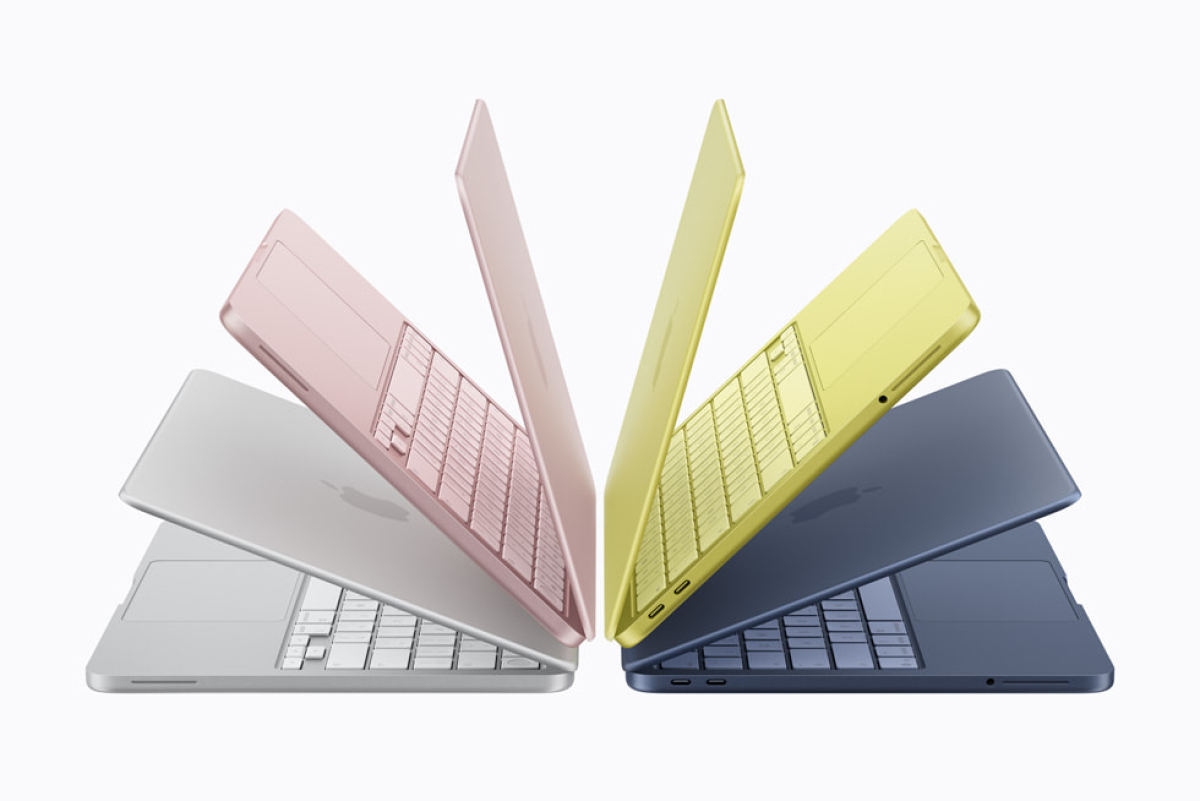
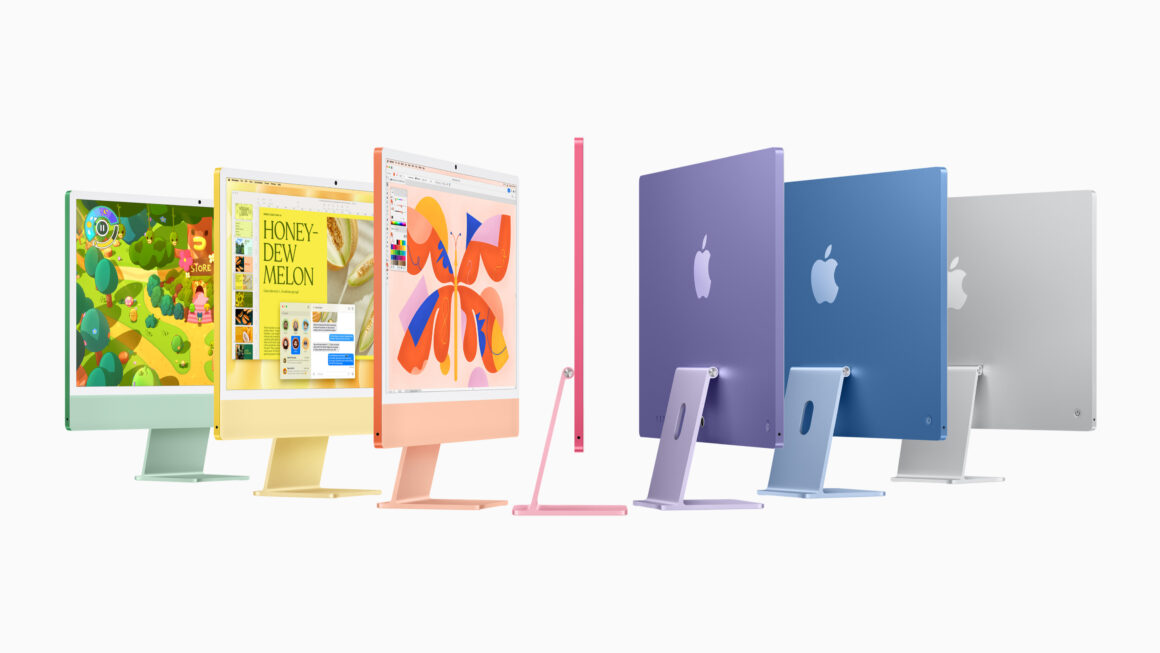
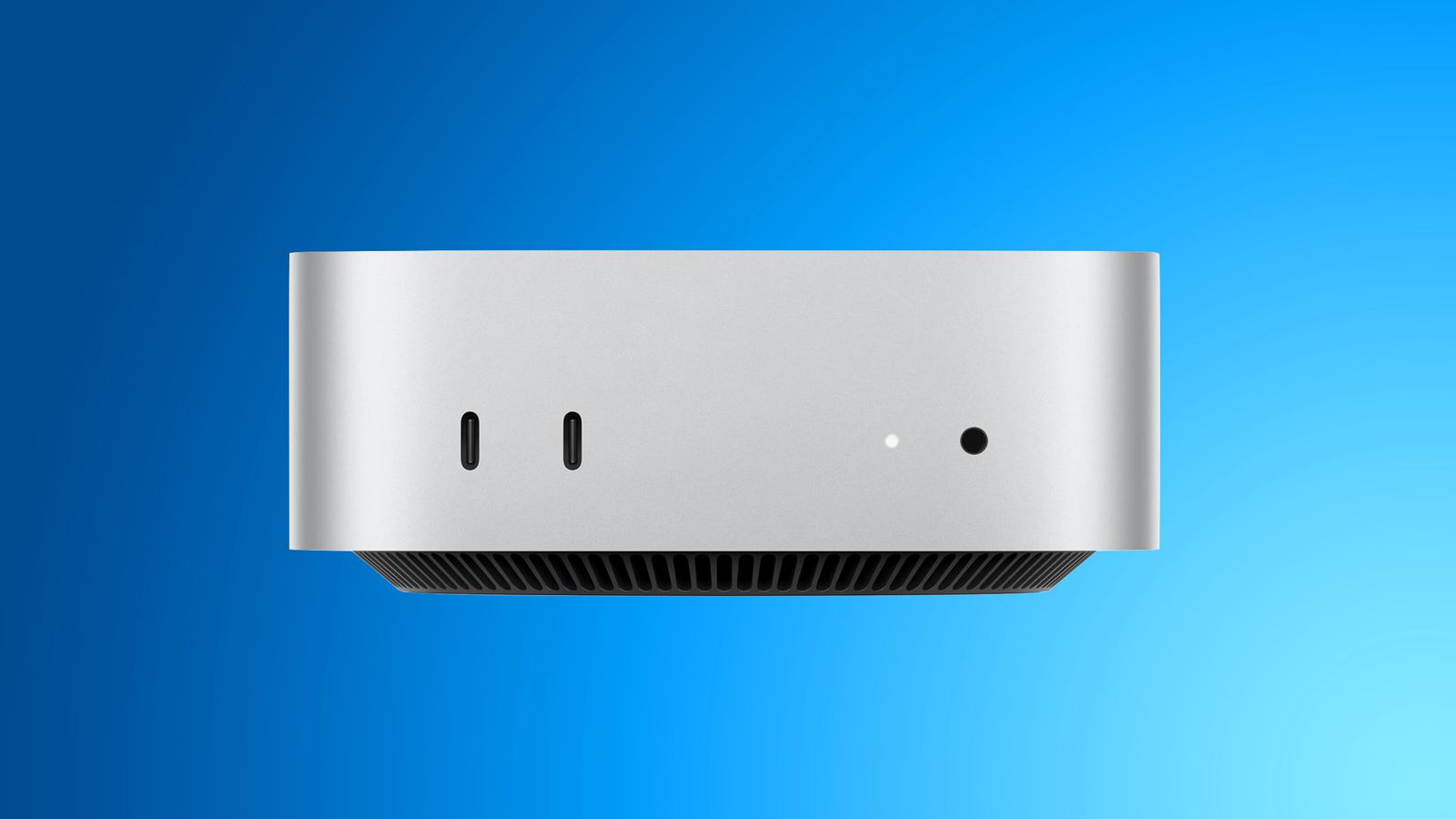
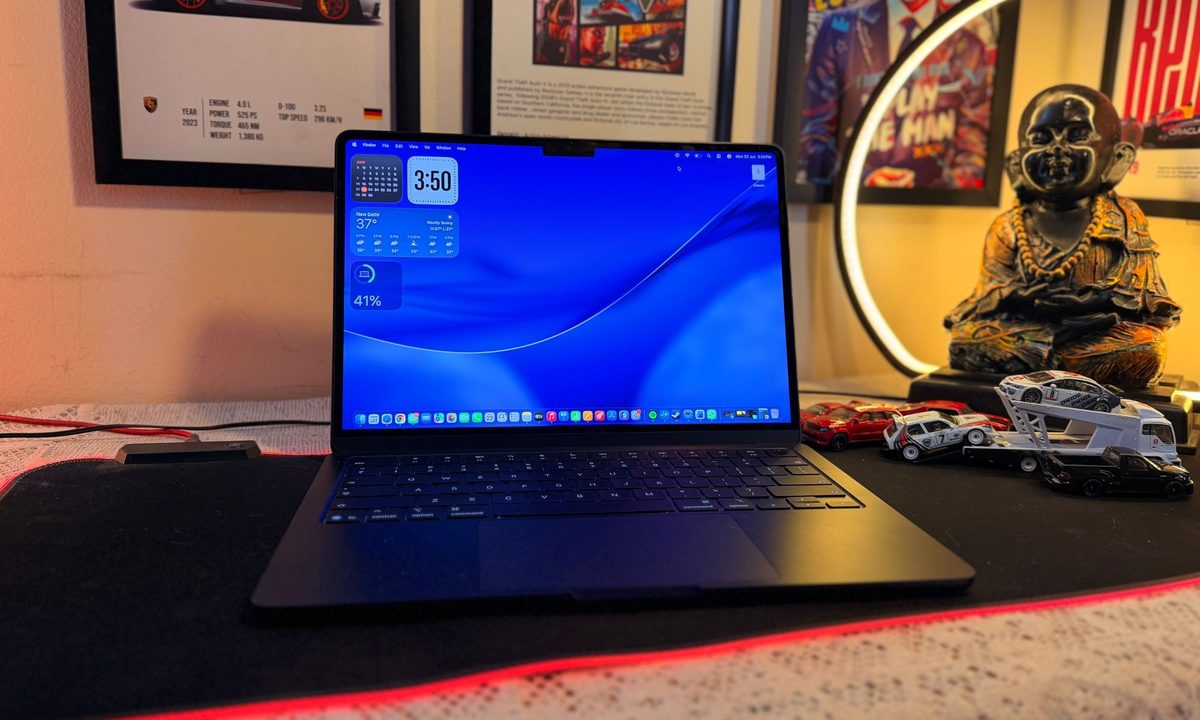
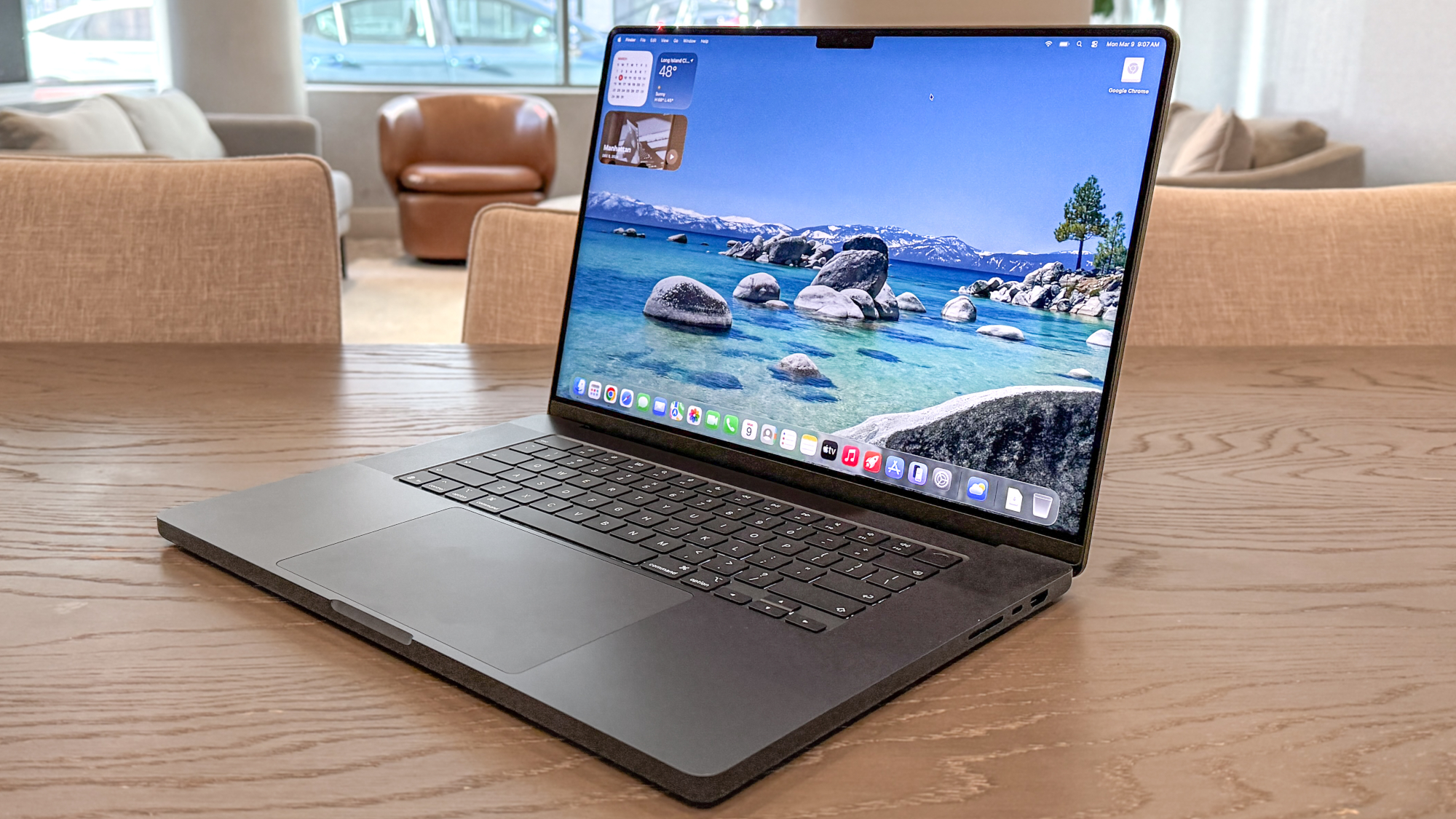
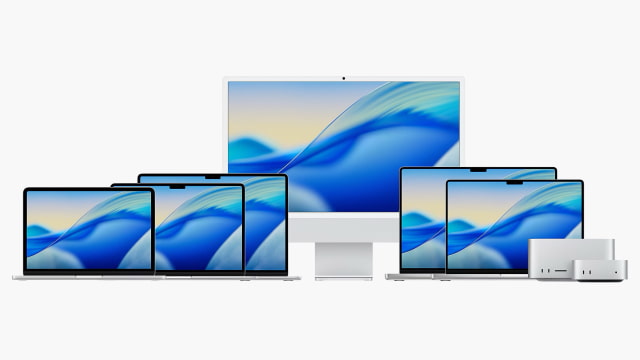
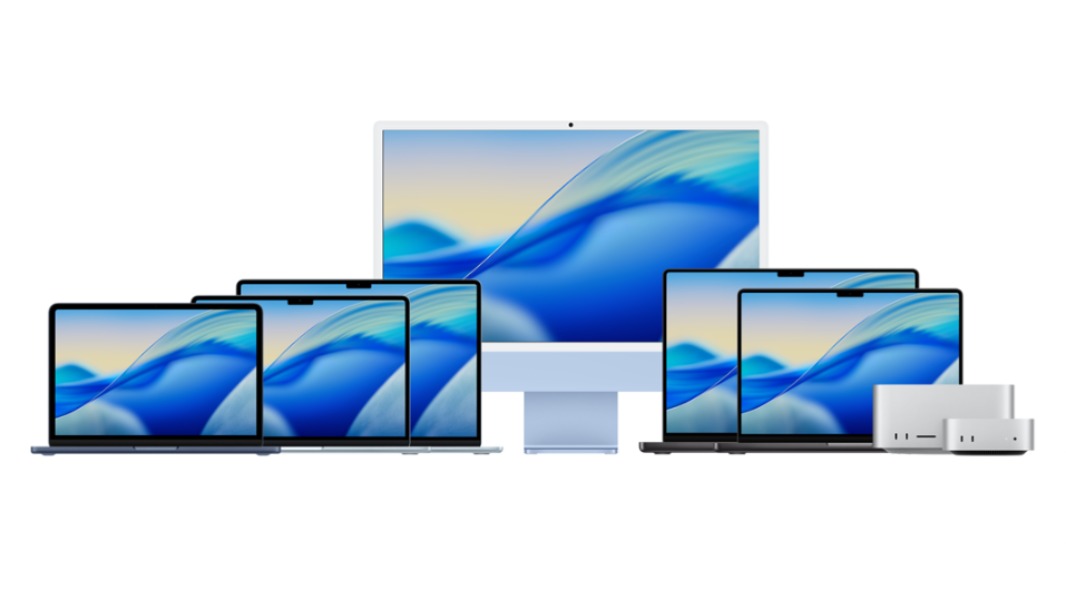
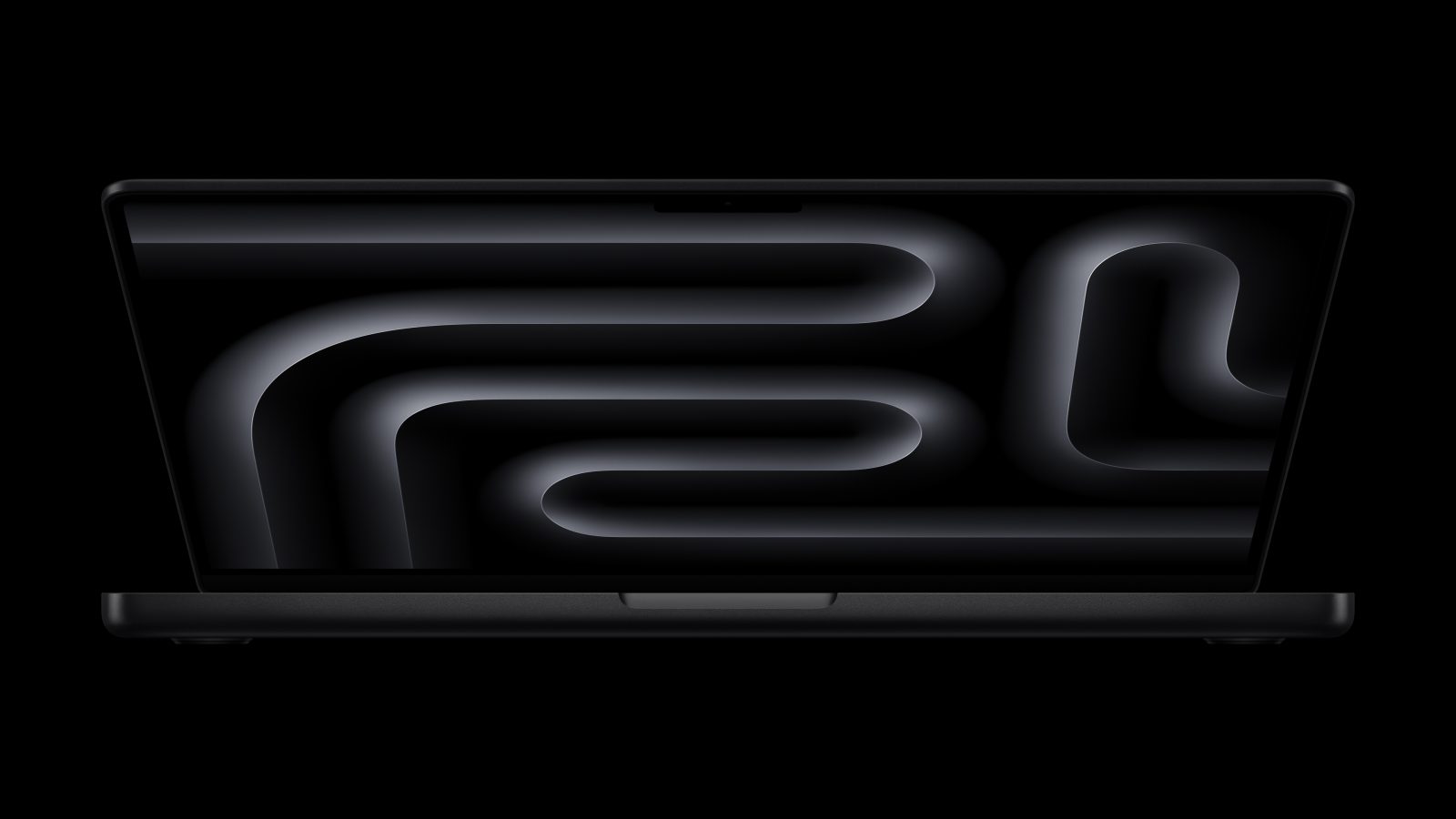
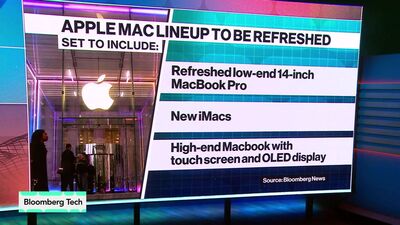
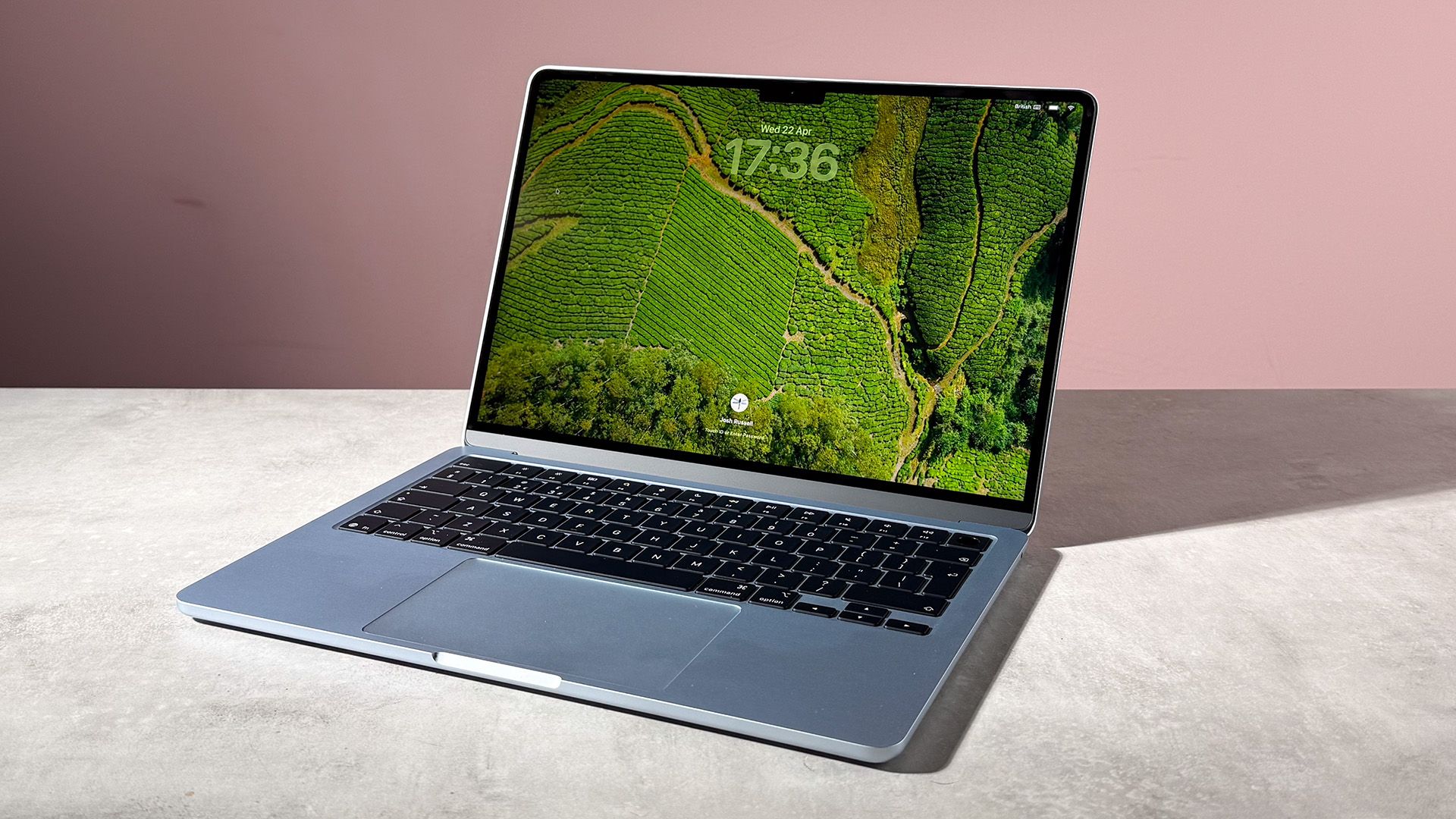
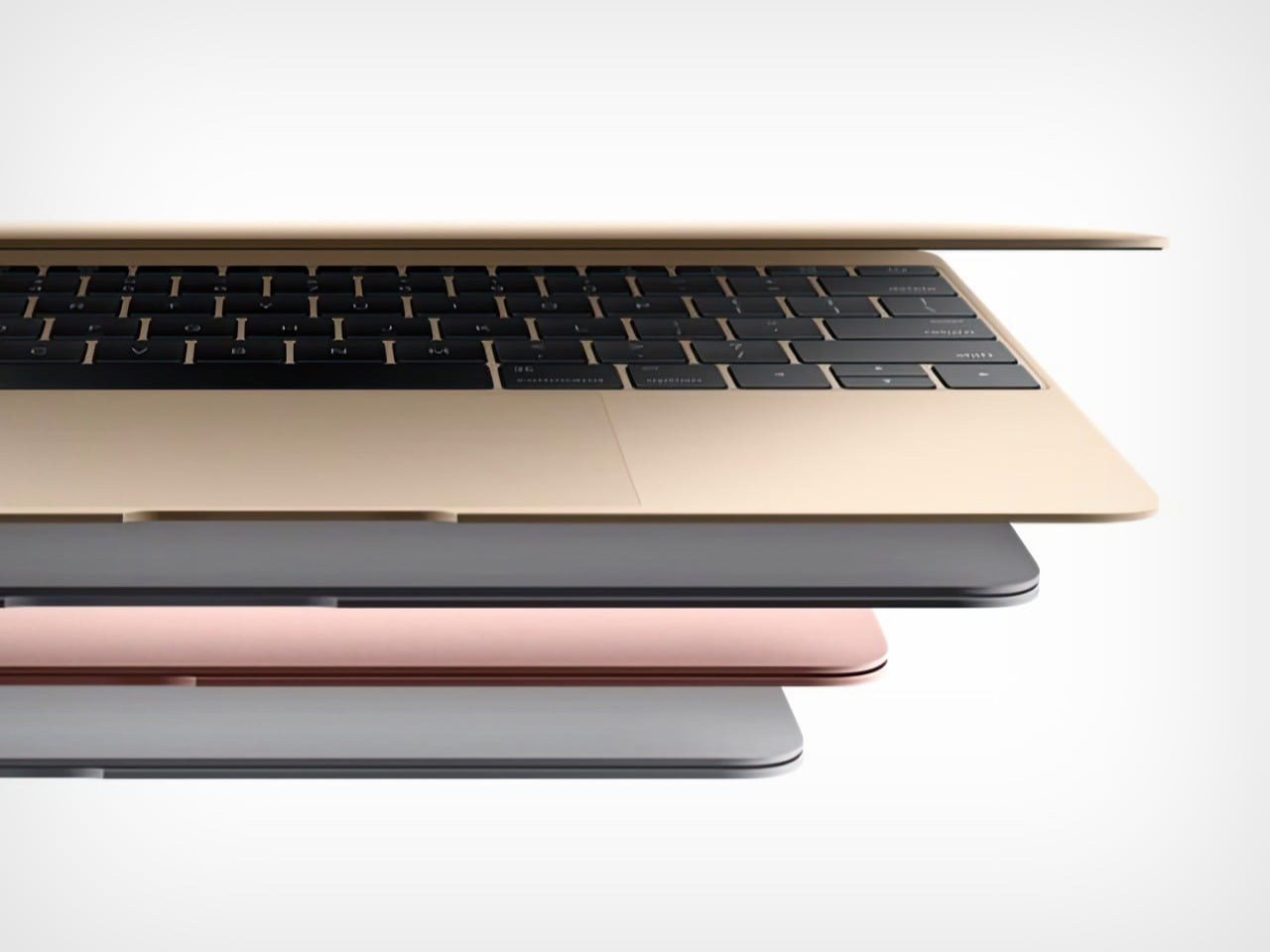
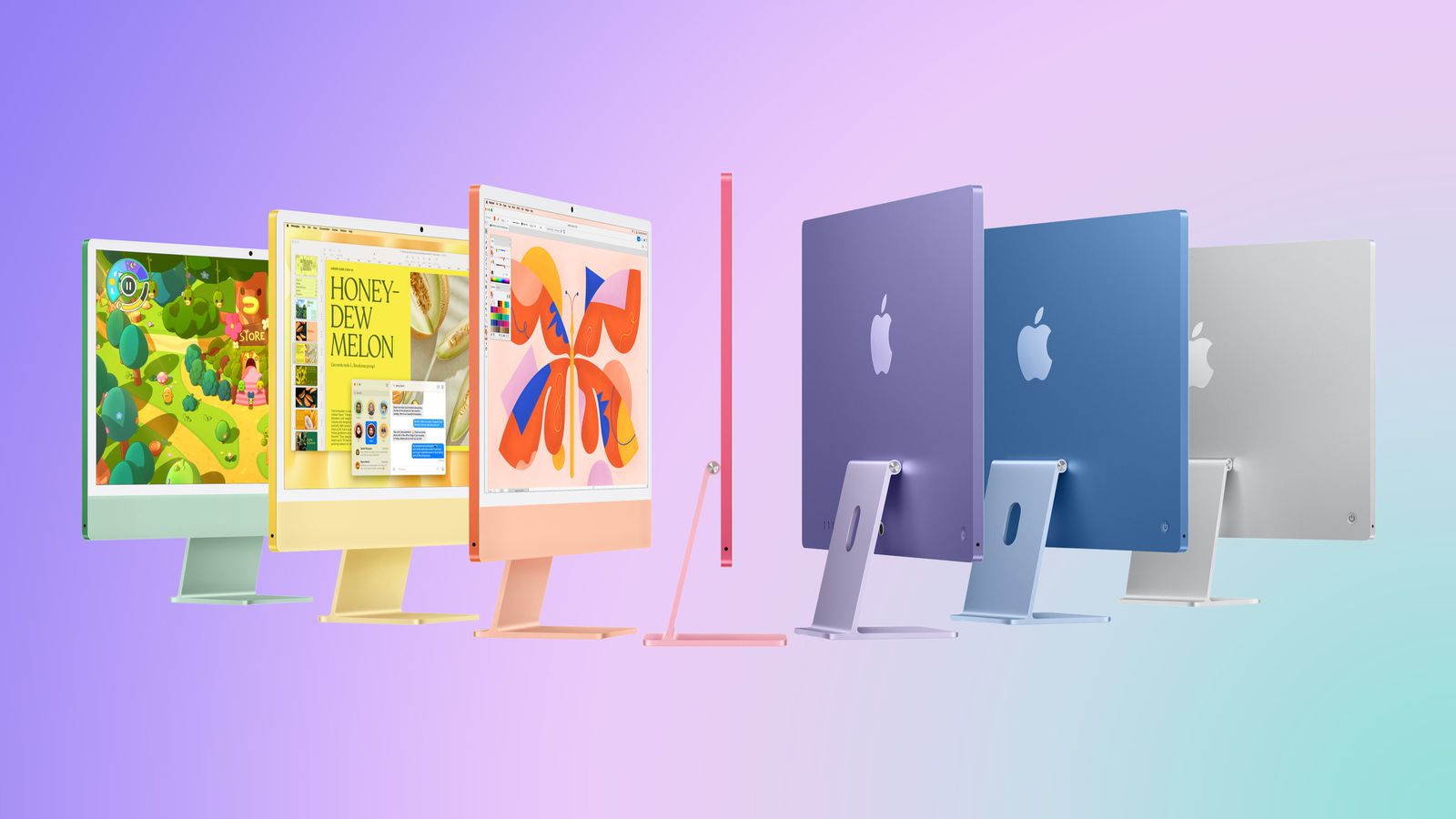
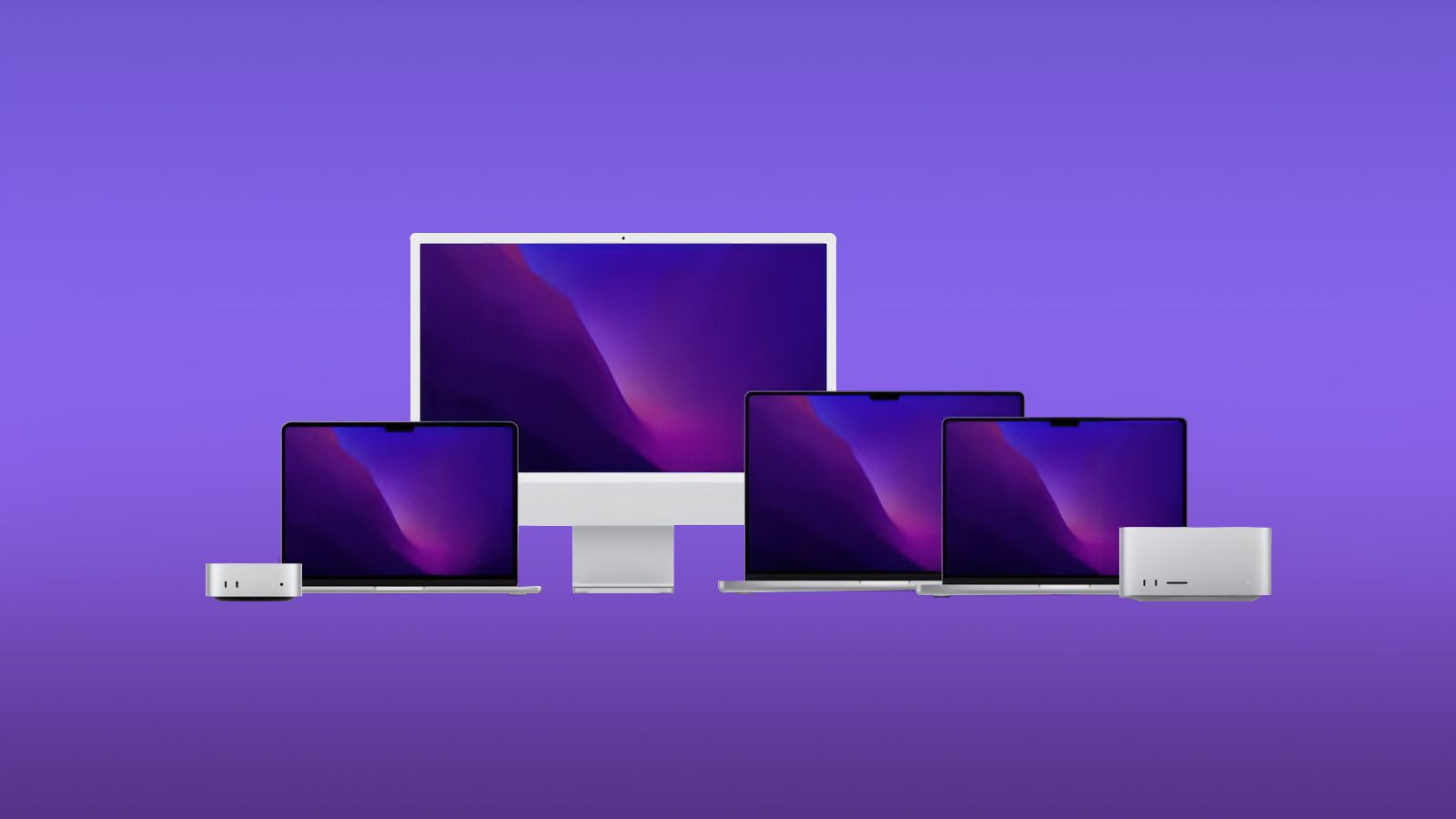
Apple's comprehensive Mac product line overhaul announced July 22, 2026, represents a critical inventory transition opportunity for cross-border electronics sellers. The technology giant plans to refresh every Mac model currently in its portfolio—including MacBook Pro, iMac, and desktop computers—with AI-capable variants scheduled for staggered release across fall 2026 through 2027. This multi-year rollout directly responds to enterprise and consumer demand for AI-ready computing devices, positioning Apple to capture market share in the rapidly expanding AI hardware segment.
For electronics sellers, this announcement creates immediate inventory arbitrage opportunities. New Mac releases historically trigger 30-45% price reductions on current-generation models within 60-90 days of successor announcements. Sellers managing Apple product distribution across Amazon, eBay, and regional marketplaces should immediately audit existing MacBook Pro, iMac, and Mac mini inventory. The staggered timeline—with releases spanning fall 2026 through 2027—extends the selling window for legacy inventory, allowing sellers to liquidate stock before new models saturate markets. Refurbished device specialists can particularly benefit, as enterprise customers upgrading to AI-capable models will generate substantial used inventory flows. Sellers should prioritize current-generation MacBook Pro (M3/M4 chips) and iMac units, which will face the steepest price compression once AI-capable successors launch.
AI-powered competitive advantages emerge for data-driven sellers. Sellers using AI-driven demand forecasting tools can predict inventory velocity changes 4-6 weeks before price compression accelerates, enabling strategic timing of bulk purchases and liquidation campaigns. Dynamic pricing algorithms can automatically adjust Mac pricing based on successor announcement dates and regional demand patterns, capturing 8-12% additional margin during the transition window. Sentiment analysis on tech forums and social media reveals which current-generation models face the highest replacement demand, allowing sellers to focus acquisition efforts on high-velocity SKUs. Sellers should also monitor Apple's official product roadmap and analyst reports to anticipate specific launch dates, as each announcement triggers localized demand spikes in affected regions.
Accessory and complementary product opportunities expand significantly. AI-capable Macs require upgraded peripherals—high-capacity SSDs, external GPUs, cooling solutions, and professional displays—creating 15-25% incremental revenue opportunities for sellers bundling accessories with Mac sales. Cross-selling AI-focused software bundles (video editing, 3D rendering, machine learning tools) can increase average order value by $200-400 per Mac sale. Sellers should prepare accessory inventory and marketing campaigns 6-8 weeks before each Mac launch window to capture the upgrade cycle.
Questions 8
How does the AI hardware boom affect broader electronics category demand beyond Macs?
Apple's Mac refresh signals broader industry shift toward AI-capable computing, driving demand for complementary electronics—high-performance monitors, external storage, cooling solutions, and professional peripherals. Sellers in the electronics category should anticipate 25-35% increased demand for GPU-accelerated devices, high-capacity SSDs, and thermal management products as professionals upgrade entire workstations. This trend extends beyond Apple—sellers should monitor similar refresh cycles from Dell, HP, and Lenovo, which are launching competing AI-capable laptop lines. The AI hardware boom creates a 18-24 month window of elevated demand across the entire computing peripherals category, offering sellers opportunities to expand beyond Mac-specific accessories into broader professional computing segments.
What compliance and platform considerations apply to Mac sales during the transition period?
Amazon Seller Central requires accurate product condition descriptions for refurbished Macs—ensure listings clearly distinguish between new, refurbished, and open-box inventory to avoid policy violations. eBay sellers should monitor authentication requirements for high-value MacBook Pro units, as counterfeit Mac products create compliance risks. Cross-border sellers must verify import/export regulations for electronics in destination markets, particularly regarding battery shipping restrictions and customs documentation. Warranty and return policies become critical during transitions—establish clear terms for legacy model returns, as some customers may expect compatibility with new AI-focused software and features.