


Autonomous Logistics Aircraft Halo | Next-Gen Last-Mile Delivery Opportunity for E-Commerce Sellers
- Unmanned aircraft technology signals shift toward autonomous fulfillment; sellers should monitor regulatory approvals and evaluate integration with 3PL networks by Q2 2025

Overview
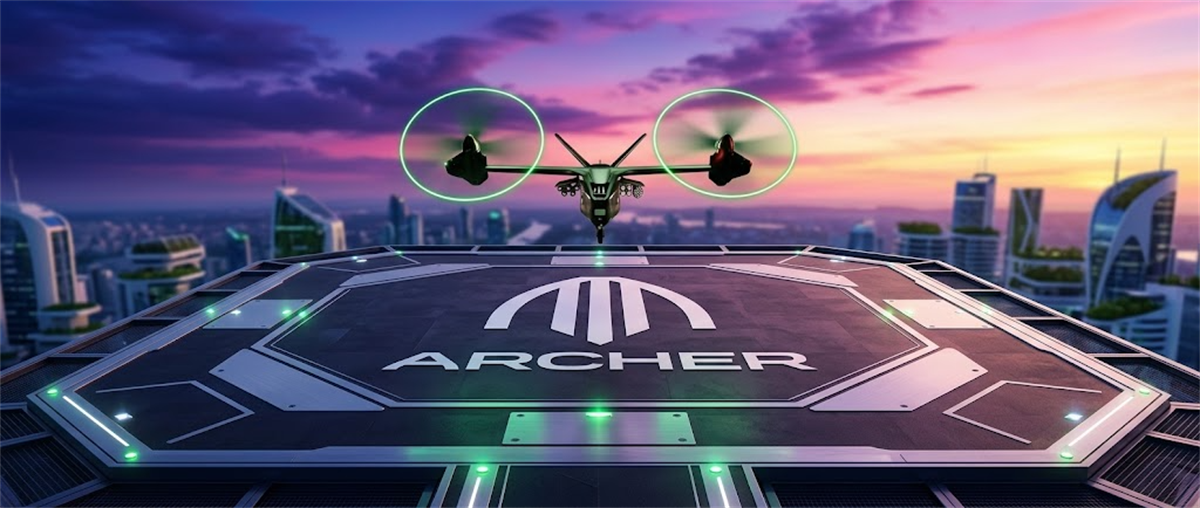
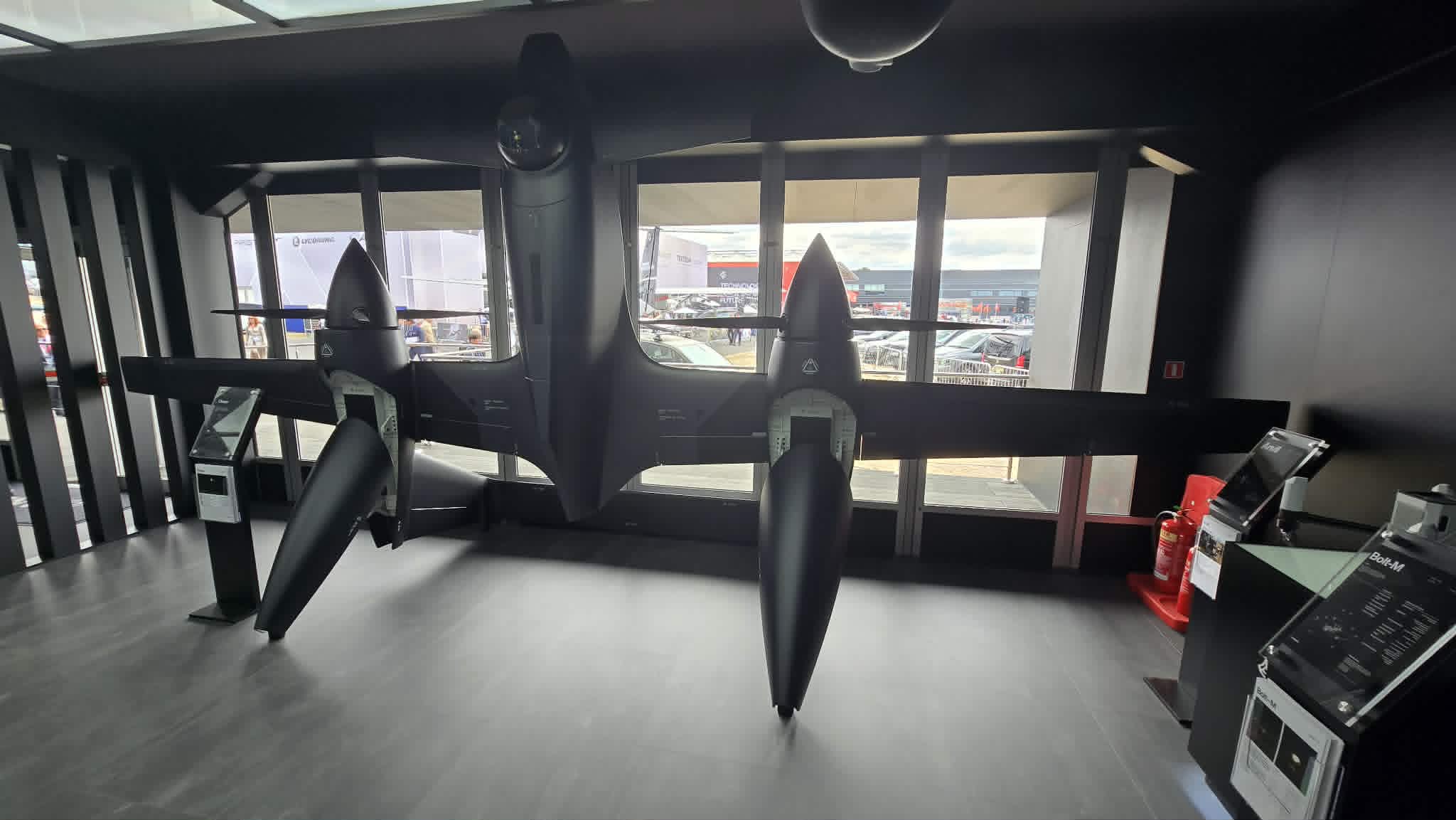
The Archer Aviation and Anduril partnership announcement regarding the Halo autonomous aircraft represents a significant inflection point in commercial logistics infrastructure that will reshape fulfillment economics for cross-border e-commerce sellers over the next 3-5 years. While the specific technical specifications and deployment timeline remain limited in available reporting, the announcement signals accelerating investment in unmanned aerial logistics systems designed to reduce last-mile delivery costs—currently representing 50-60% of total fulfillment expenses for most e-commerce operations.
Strategic Logistics Implications for Sellers: The Halo aircraft's autonomous, unmanned design addresses the industry's most pressing cost challenge: last-mile delivery labor and vehicle expenses. Current air freight costs average $3-8 per kilogram for express delivery, while ground last-mile delivery ranges $5-15 per package depending on density and location. Autonomous aircraft could theoretically reduce these costs by 30-40% through elimination of pilot labor, reduced fuel consumption via optimized routing, and 24/7 operational capability. For sellers shipping high-value, time-sensitive products (electronics, luxury goods, perishables), this represents potential margin expansion of 2-4 percentage points.
Warehouse Positioning and Inventory Strategy: The emergence of autonomous logistics creates new warehouse location optimization opportunities. Rather than concentrating inventory in centralized mega-fulfillment centers, sellers should begin evaluating distributed micro-fulfillment networks positioned near autonomous aircraft hubs. This shift favors sellers who can maintain 2-3 week inventory buffers in regional 3PL facilities rather than relying on single-point-of-failure centralized warehousing. For sellers currently using Amazon FBA, this technology threatens Amazon's fulfillment cost advantage—expect Amazon to accelerate its own autonomous logistics investments, potentially triggering FBA fee restructuring within 12-18 months.
Sourcing and Supply Chain Optimization: Autonomous aircraft deployment will initially favor high-value, low-weight product categories: electronics accessories ($50-500 per unit), luxury cosmetics, jewelry, and specialized components. Sellers should prioritize sourcing these categories from suppliers with proximity to anticipated autonomous logistics hubs (likely major metropolitan areas and regional distribution centers). The technology enables viable dropshipping models for previously uneconomical product categories, potentially disrupting traditional 3PL economics.
Regulatory and Competitive Timeline: Full commercial deployment requires FAA approval (estimated 2-3 years), creating a critical window for early-mover sellers to establish partnerships with logistics providers investing in autonomous infrastructure. Sellers should monitor Archer Aviation's regulatory filings and begin conversations with 3PL providers about autonomous aircraft integration plans. The competitive advantage will accrue to sellers who establish supply chain positioning before autonomous logistics becomes commoditized.
Questions 8
Should sellers consider dropshipping models for high-value products given autonomous logistics?
Yes, autonomous aircraft make dropshipping economically viable for previously uneconomical high-value categories. Current dropshipping economics fail for items over $200 due to air freight costs; autonomous systems reduce these costs by 30-40%, enabling profitable dropshipping at $300-500+ price points. Sellers should pilot dropshipping partnerships with suppliers near anticipated autonomous hubs, starting with electronics accessories and luxury goods. This model reduces inventory carrying costs and capital requirements while maintaining margin expansion potential from autonomous logistics cost savings.
What is the total landed cost impact of autonomous aircraft for cross-border sellers?
For sellers shipping electronics from Asia to US via air freight, current landed costs average $8-12/unit (including tariffs, handling, last-mile). Autonomous aircraft could reduce air freight component by 30-40% ($2.40-4.80/unit savings), lowering total landed cost to $3.20-9.60/unit. This 25-35% cost reduction enables margin expansion or competitive pricing advantages. However, benefits only materialize post-2027 when autonomous systems achieve commercial scale. Sellers should model autonomous logistics scenarios in 3-5 year financial projections.