



AI Data Center Crisis Drives Platform Fee Increases | Sellers Face 8-15% Cost Surge Through 2025
- Data center supply constraints and energy cost pressures will increase marketplace hosting fees and AI tool costs for cross-border sellers; 12-18 month component lead times create service availability risks














)

Overview
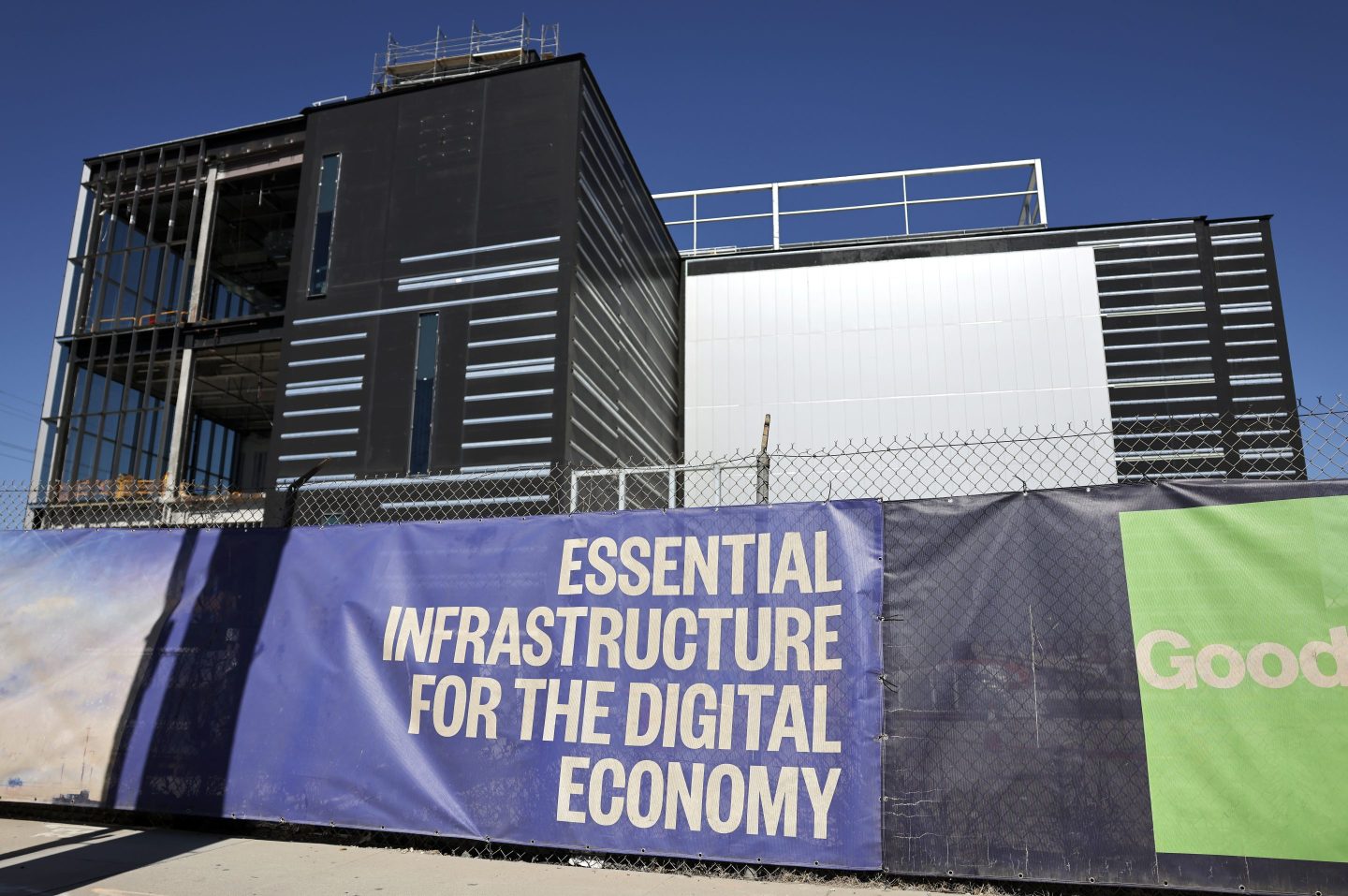
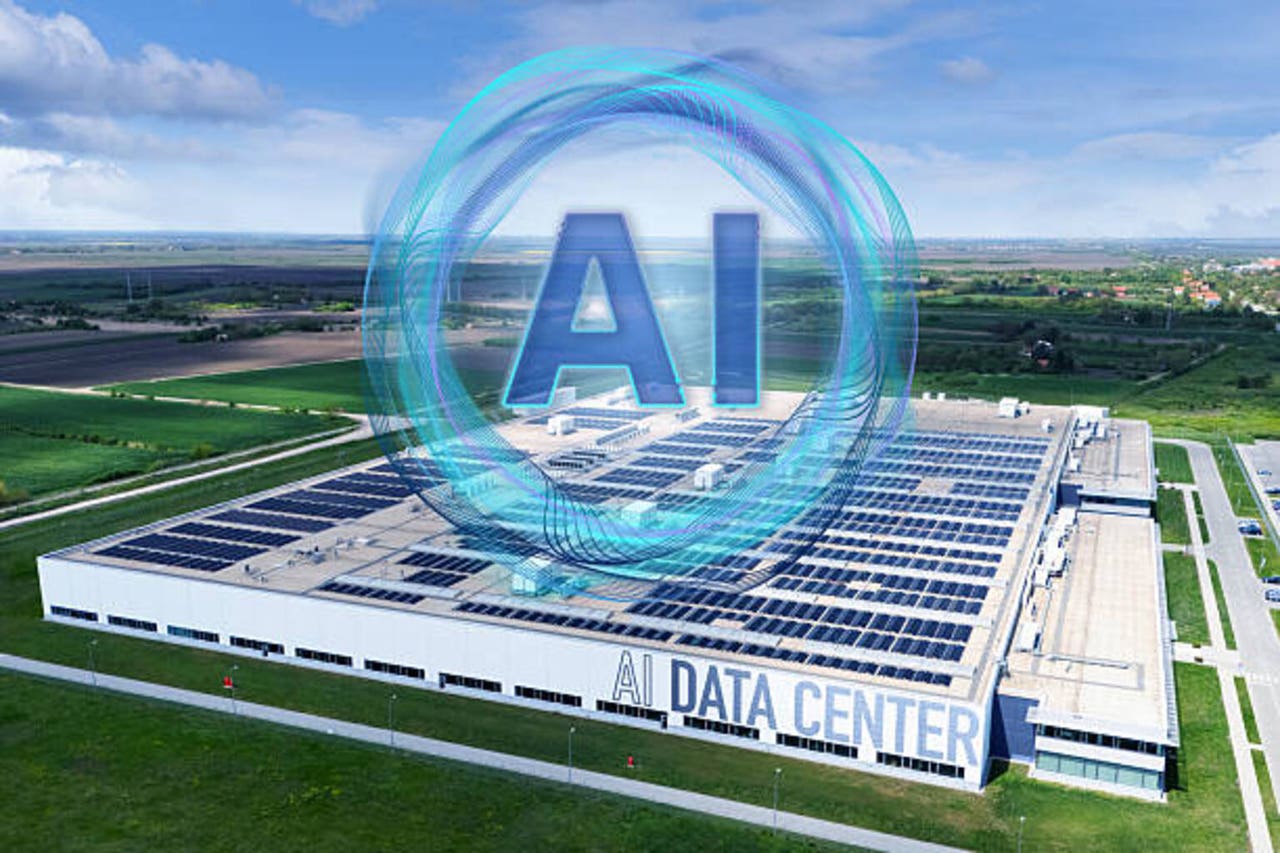
The convergence of explosive AI demand, geopolitical semiconductor restrictions, and energy cost pressures is creating a critical infrastructure crisis that will directly increase operational costs for e-commerce sellers through 2025. According to industry reports, data center operators face unprecedented constraints: AI workload requirements have surged dramatically while chip export controls have fragmented the global supply ecosystem, creating 12-18 month lead times for critical components. Simultaneously, major U.S. utilities have joined a Trump administration pledge to limit AI-driven electricity rate increases, signaling that energy costs remain a significant concern despite regulatory intervention.
For cross-border sellers, this infrastructure squeeze translates into three immediate cost pressures: First, marketplace platforms (Amazon, Shopify, eBay) will likely pass increased data center capital expenditures to merchants through higher hosting fees, storage costs, and service tier pricing—potentially 8-15% increases by mid-2025. Second, AI-powered seller tools for inventory management, demand forecasting, and customer service automation will face price increases as SaaS providers absorb higher cloud infrastructure costs. Third, regional service disparities will emerge as geopolitical restrictions limit data center buildout in certain regions, creating latency issues and potential service degradation for sellers in Asia-Pacific and EU markets.
The automation opportunity is immediate: Sellers dependent on AI-driven operations face a critical window to optimize infrastructure costs NOW before fee increases take effect. This means: (1) Auditing current cloud service usage and identifying redundant AI tool subscriptions that can be consolidated, (2) Migrating to edge-computing solutions or hybrid cloud models that reduce data center dependency, (3) Implementing local inventory management systems that reduce reliance on cloud-based demand forecasting during peak periods, and (4) Negotiating multi-year platform agreements before Q2 2025 fee adjustments. Data-driven sellers can use predictive analytics to model cost scenarios across different platform combinations and identify which marketplaces will experience the steepest fee increases based on their infrastructure investments.
The competitive intelligence angle is critical: Sellers who proactively shift to AI tools with lower infrastructure footprints (edge-based analytics, on-premise inventory systems, local fulfillment optimization) will gain 6-12 month cost advantages over competitors who wait for fee increases to force migration. The 12-18 month component lead times mean platform operators are already making infrastructure decisions for 2025-2026 operations—sellers who understand these constraints can anticipate which platforms will face service limitations and diversify accordingly. This creates a narrow window (immediate through Q1 2025) for sellers to lock in current pricing and optimize their technology stack before the infrastructure crisis fully materializes in operational costs.
Questions 8
Should I shift inventory to different fulfillment models to reduce infrastructure dependency?
Yes—diversifying fulfillment models reduces infrastructure risk and cost exposure. Consider shifting 20-30% of inventory to 3PL providers with their own data center infrastructure, reducing your platform dependency by equivalent percentages. Hybrid fulfillment (combining FBA with 3PL and merchant-fulfilled options) provides flexibility to shift volume away from expensive platforms during peak cost periods. Regional fulfillment centers in low-cost areas (Mexico, Eastern Europe) can reduce data center dependency by 40-50% while maintaining competitive shipping times. This diversification strategy protects against platform fee increases and service disruptions while improving overall operational resilience through 2025.
How will the Trump administration's utility pledge affect my data center costs?
The pledge to limit AI-driven electricity rate increases will moderate energy cost growth but won't eliminate it entirely. Utilities are implementing efficiency improvements and renewable energy integration, which typically reduce rate increases by 30-50% compared to uncapped scenarios. However, supply chain constraints on cooling systems and power infrastructure remain the primary cost driver—energy represents only 20-30% of total data center costs. The pledge signals regulatory support for AI infrastructure, which may accelerate data center buildout and eventually increase competition among providers, potentially lowering costs by 2026. For immediate planning, assume energy costs will increase 3-5% annually through 2025 rather than the 8-12% increases that would occur without the pledge.