



Apple Upgrade Leasing Shifts Device Financing | Critical Payment Risk for Sellers
- Apple transitions from ownership to 24-36 month leases with Klarna partnership; device locking on missed payments creates secondary market liability for electronics resellers











Overview
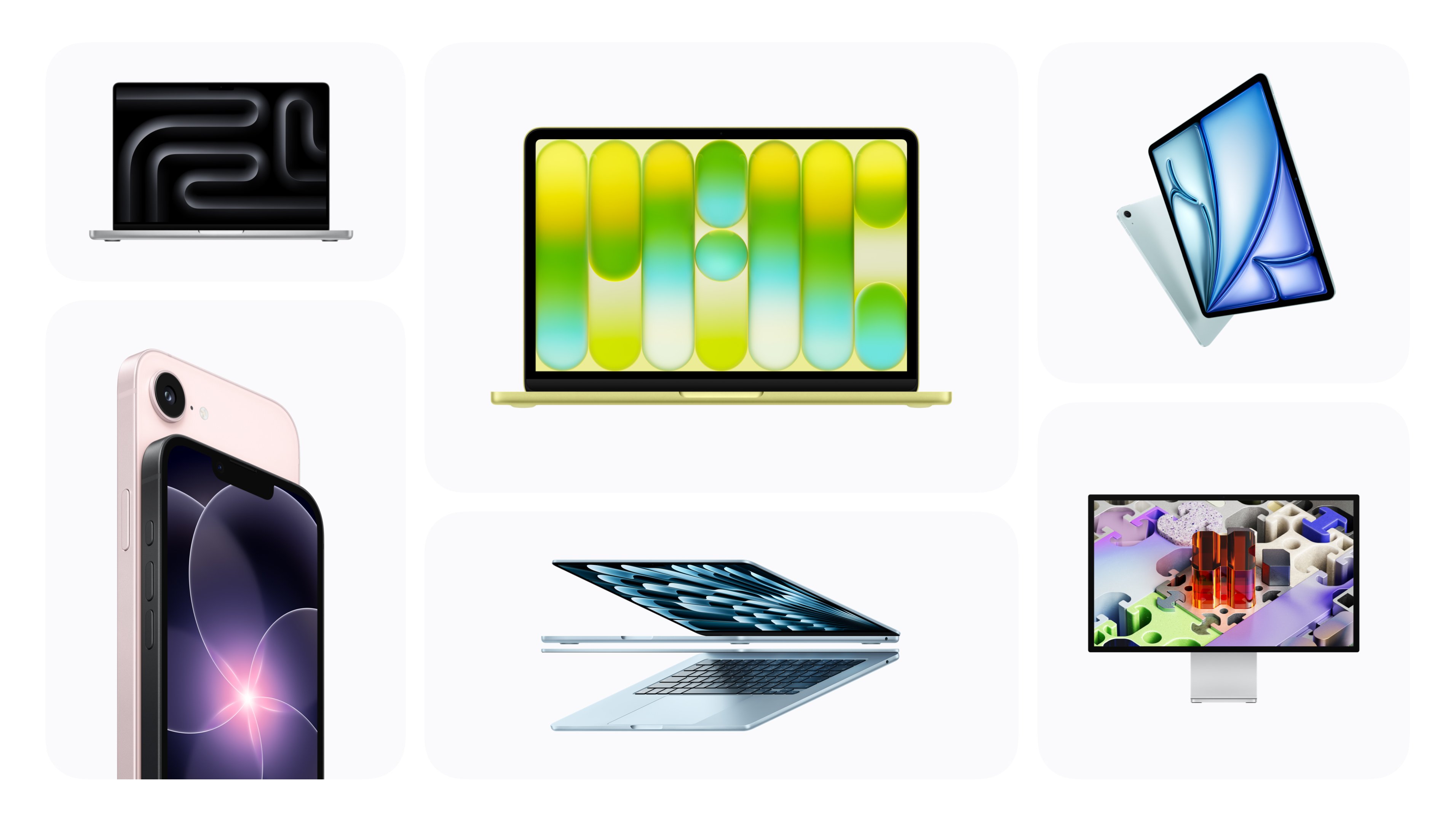
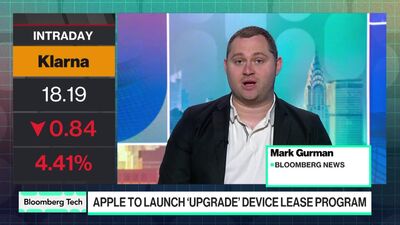
Apple's shift from device ownership to a leasing model represents a fundamental restructuring of consumer electronics financing that directly impacts cross-border sellers and resellers. The company is replacing its iPhone Upgrade Program with a new Apple Upgrade leasing contract extending to iPhones (24-month terms), Macs (36-month terms), iPads, and Apple Watches, partnering with Klarna to offer lower monthly payments. Unlike the previous model where customers owned devices outright after 24 months, the new lease structure mirrors car leasing—customers pay only depreciation plus interest, never own the device, and face balloon payments or mandatory upgrades every 2-3 years.
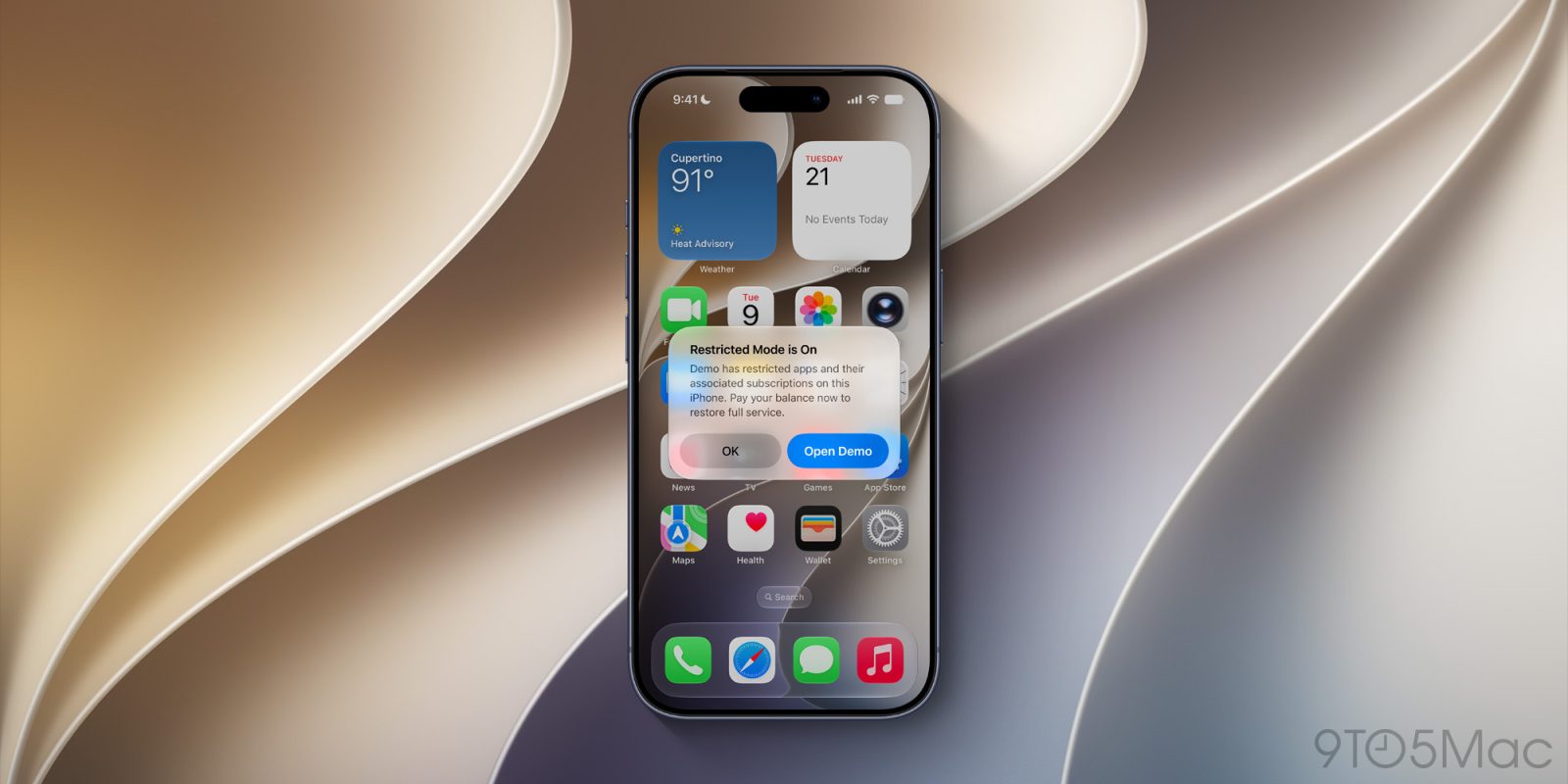
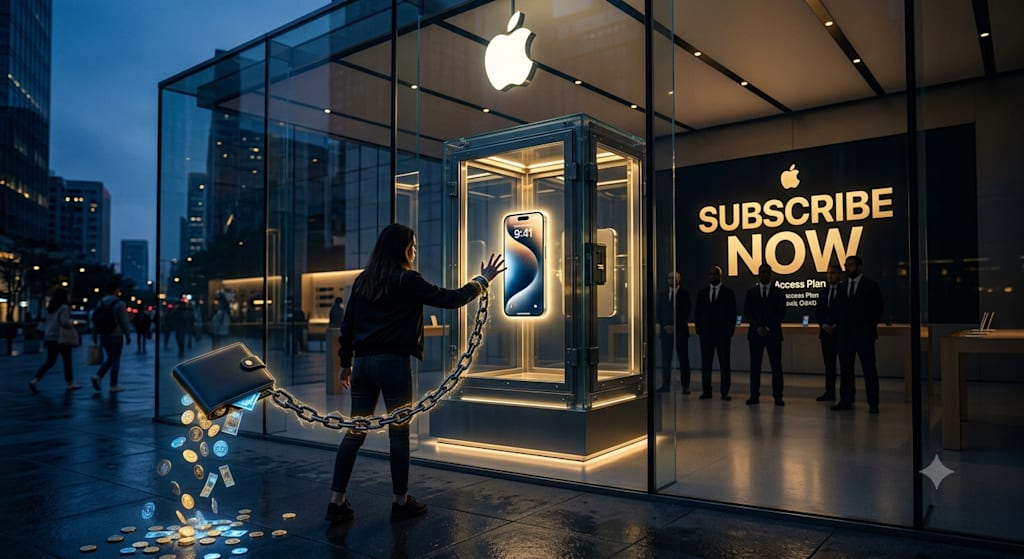
The payment enforcement mechanism creates immediate operational risks for sellers. Apple has implemented a Partner Finance Lock system within iOS 27 that activates "Restricted Mode" when customers miss payments, blocking access to most applications while maintaining only a limited allowlist (Phone, Settings, Wallet, Health, App Store, Messages, Home). Critically, this restriction persists even after device erasure or restoration, and locked devices cannot be resold, transferred, or dismantled without resolving the underlying financing obligation. This creates significant liability for sellers acquiring inventory from sources where Apple Upgrade financing may be involved—devices locked due to payment defaults become unsellable without resolution of the financing contract.
For electronics resellers and cross-border sellers, this policy fundamentally changes inventory sourcing and secondary market dynamics. Sellers purchasing iPhones through Apple Upgrade for business purposes must maintain consistent payment schedules to avoid service interruptions. More critically, the secondary market for iPhones is now constrained by the Partner Finance Lock system—devices cannot be resold if they're financed through Apple Upgrade and the customer defaults. This creates a new category of "locked inventory" that has zero resale value until the financing obligation is cleared. The enforcement is more aggressive than traditional carrier financing, which typically allows grace periods before restrictions. Sellers must now verify device payment status before acquisition and establish clear policies regarding financed device inventory, adding compliance complexity to electronics sourcing operations.
The recurring lease model also signals a shift in consumer purchasing behavior that affects demand for refurbished and secondary market devices. If customers enter mandatory upgrade cycles every 2-3 years rather than owning devices outright, the supply of used iPhones entering the secondary market will increase significantly—but only from non-financed purchases. This creates a bifurcated market: devices purchased outright remain available for resale, while financed devices are locked and unavailable. Sellers must adjust inventory strategies to account for this supply constraint and the increased compliance burden of verifying financing status on every acquisition.
Questions 8
What happens if a customer misses a payment on an Apple Upgrade device?
Apple activates Restricted Mode through its Partner Finance Lock system, blocking access to most applications while maintaining only Phone, Settings, Wallet, Health, App Store, Messages, and Home. The restriction persists even after device erasure or restoration, and the device cannot be resold, transferred, or dismantled without resolving the financing obligation. This enforcement is more aggressive than traditional carrier financing, which typically allows grace periods. For sellers, this means any device acquired from a customer with missed payments becomes unsellable inventory with zero resale value until the financing is cleared. Sellers should establish verification protocols before acquisition to avoid acquiring locked devices.
Which financing provider is partnering with Apple for the Upgrade program?
Klarna is Apple's primary financing partner for the Apple Upgrade program, offering lower monthly payments for iPhone, Mac, iPad, and Apple Watch purchases. Klarna determines its own policies for triggering payment restrictions rather than Apple setting a fixed number of missed payments. This means Klarna's default policies will directly impact when devices are locked and become unsellable. Sellers should monitor Klarna's payment terms and default policies, as they will affect the availability of financed inventory in the secondary market. The partnership extends to 24-month terms for mobile devices and 36 months for computers and tablets.