




Gaming Hardware Collapse & Subscription Growth | Seller Opportunity in Post-Launch Normalization
- US gaming market contracts 21% YoY to $4.5B; hardware crashes 62% while subscriptions grow 7%, signaling major inventory and category strategy shifts for electronics sellers
Overview
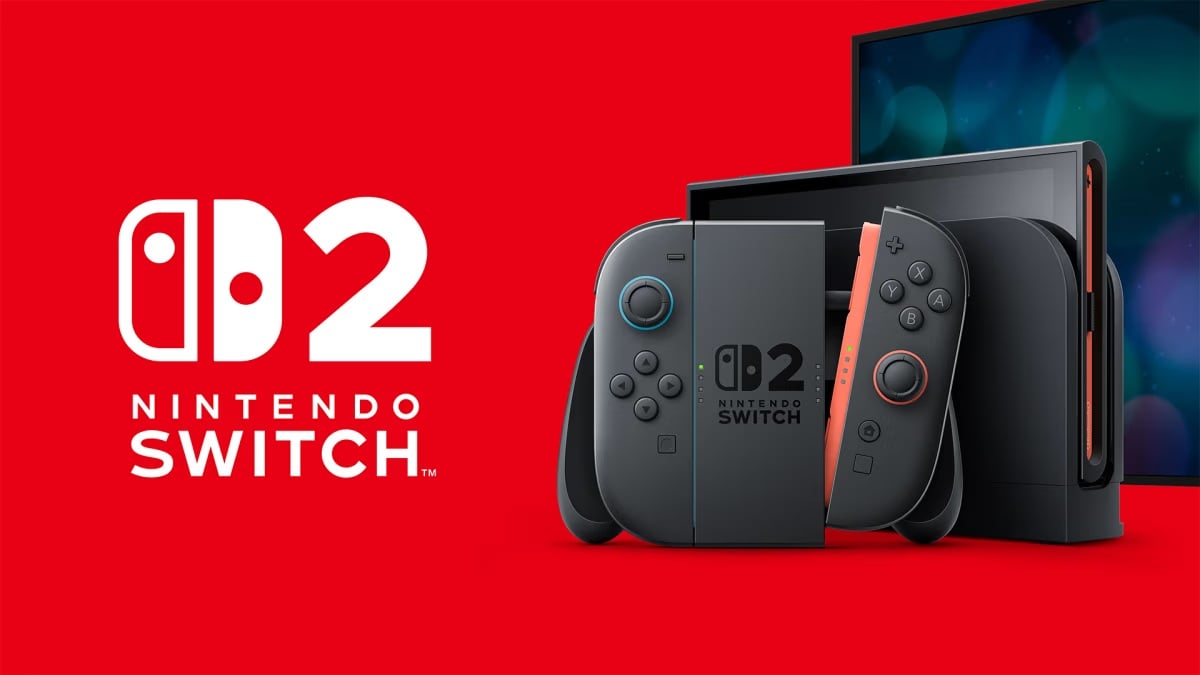
The US video game market experienced a dramatic 21% spending contraction in June 2026 ($5.7B to $4.5B YoY), driven primarily by Nintendo Switch 2's post-launch normalization after its June 2025 debut. Hardware spending collapsed 62% ($1B to $383M), while accessory sales fell 21% ($294M to $232M). Critically, subscriptions were the only growth segment, rising 7% YoY, signaling a fundamental shift in consumer gaming preferences away from hardware purchases toward recurring digital services. Year-to-date 2026 spending stands at $27.5B, down 1% from 2025's pace, indicating sustained market softness beyond the June anomaly.
For cross-border e-commerce sellers, this data reveals three critical opportunities and risks. First, the 62% hardware collapse creates a buyer's market for gaming console inventory—sellers holding Switch 2, PS5, or Xbox Series X/S stock face margin compression and extended holding periods. PlayStation 5 specifically declined 19% YoY, suggesting aging console demand is weakening. Sellers should aggressively liquidate legacy hardware inventory through Amazon, eBay, and Shopify before Q3 2026 to avoid storage fee penalties and obsolescence. Second, the 21% accessory decline ($62M loss) signals reduced attach-rate purchasing; gaming peripheral sellers (controllers, headsets, charging docks) must pivot from hardware-bundled sales to standalone value propositions. Third, the 7% subscription growth is the only bright spot—sellers can capitalize by promoting game pass subscriptions, digital content bundles, and service-based offerings through affiliate marketing and sponsored listings on Amazon and Shopify.
The broader market context matters for inventory planning. The Nintendo Switch 2's June 2025 launch created an artificial demand spike that normalized by June 2026—a classic post-launch sales cliff. Sellers who over-indexed on Switch 2 accessories during the launch window now face inventory bloat. Content spending (software, DLC, subscriptions) fell only 12% despite hardware's 62% crash, indicating consumers are shifting from hardware purchases to digital content consumption. This suggests sellers should reduce physical gaming product SKUs and increase digital/subscription-based offerings. The 1% YoY decline in year-to-date spending (vs. 21% June decline) indicates the market is stabilizing, but at a lower baseline—sellers should expect sustained softness in hardware categories through Q3 2026 before potential holiday recovery.
Questions 7
Why did US gaming hardware spending collapse 62% in June 2026?
The Nintendo Switch 2's June 2025 launch created an artificial demand spike that normalized by June 2026, a typical post-launch sales cliff. Hardware spending fell from $1B to $383M as consumers completed their Switch 2 purchases and retailers cleared launch inventory. This is a cyclical pattern—new console launches drive 12-18 month demand spikes followed by sharp normalization. Sellers holding excess Switch 2 or legacy console inventory should liquidate immediately through Amazon and eBay to avoid Q3 storage fees.
Which gaming product categories should sellers focus on given the market contraction?
Subscriptions are the only growth segment, rising 7% YoY while all other categories declined. Sellers should pivot from physical hardware and accessories toward digital content bundles, game pass promotions, and subscription affiliate marketing. Content spending (software, DLC, subscriptions) fell only 12% despite hardware's 62% crash, indicating consumers still purchase digital products. Sellers on Amazon and Shopify should increase sponsored listings for subscription services and reduce SKUs for aging console accessories.