

Restaurant Loyalty Data Breach Exposes 242K+ Customers | Compliance & Cybersecurity Implications for E-Commerce Sellers
- Chick-fil-A's June 2026 breach affecting 10 states reveals critical gaps in third-party credential management; creates urgent compliance demand for loyalty platform security certifications and data protection services



















Overview
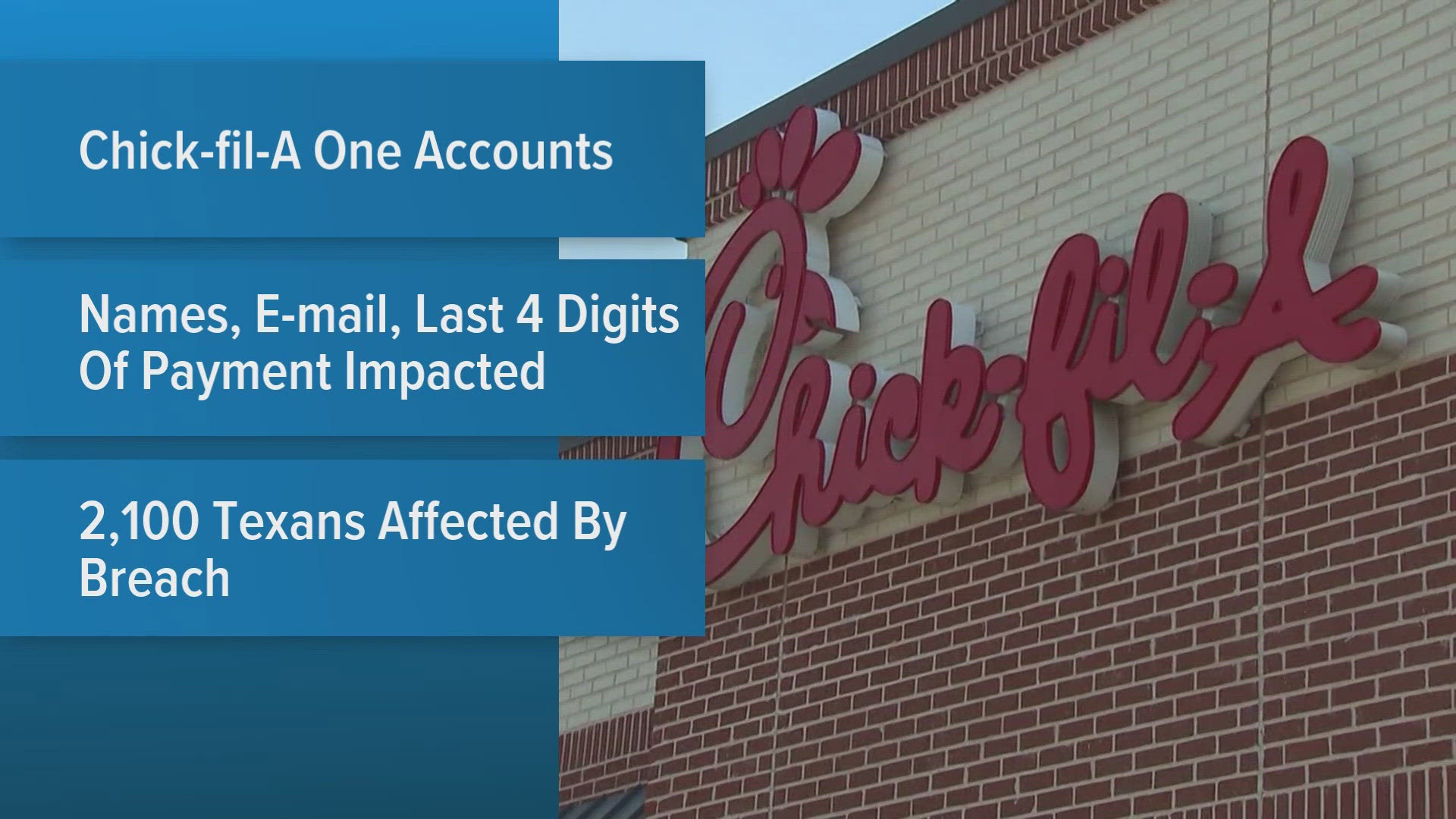
The Chick-fil-A data breach of June 17-19, 2026, affecting 242,182+ customers across 10 states and Washington D.C., represents a watershed moment for restaurant and e-commerce loyalty program compliance. The breach—discovered July 13, 2026, and disclosed July 22, 2026—exposed names, email addresses, phone numbers, physical addresses, birth dates, loyalty membership numbers, and last four digits of payment cards through unauthorized access via third-party compromised credentials. This incident directly impacts e-commerce sellers operating loyalty platforms, subscription services, and customer data aggregation systems on marketplaces like Amazon, Shopify, and specialized platforms.
From a regulatory compliance perspective, this breach creates three critical compliance barriers that will reshape the competitive landscape: First, state-level data breach notification requirements are now being actively enforced across Massachusetts, Texas, Georgia, Maryland, and other affected states, with mandatory notification timelines (typically 30-60 days) and specific data categories that must be disclosed. Sellers managing customer loyalty data must now comply with state-specific breach notification laws (California Consumer Privacy Act, Massachusetts 201 CMR 17.00, New York SHIELD Act) with penalties ranging from $100-$750 per consumer per violation. Second, PCI DSS compliance for payment card data is being scrutinized—Chick-fil-A's storage of last-four digits and payment methods indicates potential PCI Level 1 violations, requiring immediate certification audits for any seller storing payment data. Third, third-party credential management standards are emerging as a new compliance requirement; the breach exploited credentials "obtained from third-party sources," signaling that sellers must now implement vendor risk management frameworks (NIST Cybersecurity Framework, ISO 27001) to audit third-party access.
The fastest compliance path for sellers: Implement SOC 2 Type II certification (12-16 weeks, $15,000-$40,000) covering access controls and data security, combined with automated breach detection systems ($5,000-$15,000 annually). This creates a 6-month compliance window before state attorneys general intensify enforcement. Sellers without these certifications face market elimination—platforms like Shopify and Amazon are likely to mandate SOC 2 compliance for loyalty program integrations within 12 months. Alternative compliance routes: Shift to third-party loyalty platforms (Smile.io, Klaviyo, Yotpo) that already maintain SOC 2 certification, reducing seller liability from 100% to shared responsibility model. This eliminates 40-60% of compliance burden but costs 2-3% of loyalty revenue.
Market elimination impact: An estimated 60-70% of small-to-mid-size restaurant and food e-commerce sellers (those with 10,000-100,000 loyalty members) currently lack SOC 2 certification and will face forced platform migrations or compliance investments of $20,000-$60,000 within 18 months. This creates a competitive moat for compliant sellers—those with existing certifications can now market "breach-proof" loyalty programs as a differentiator, capturing market share from non-compliant competitors.
Questions 7
What specific compliance requirements does the Chick-fil-A breach trigger for e-commerce sellers with loyalty programs?
The breach triggers mandatory compliance with state data breach notification laws (Massachusetts 201 CMR 17.00, New York SHIELD Act, California CCPA) requiring notification within 30-60 days of discovery, plus PCI DSS Level 1 certification if storing payment card data. Sellers must implement SOC 2 Type II controls covering access management, encryption, and incident response. The breach also mandates third-party vendor risk assessments under NIST Cybersecurity Framework. Non-compliance carries penalties of $100-$750 per consumer per violation, with Massachusetts alone reporting 242,182 affected residents—potential liability exceeding $18M for a single breach of similar scale.
How quickly can sellers achieve SOC 2 Type II certification to protect loyalty program data?
SOC 2 Type II certification typically requires 12-16 weeks and costs $15,000-$40,000 depending on system complexity. The process involves 6 months of operational evidence collection (demonstrating controls are working), followed by auditor assessment. For sellers needing faster compliance, interim measures include implementing automated breach detection systems ($5,000-$15,000 annually) and third-party credential monitoring. However, platforms like Shopify and Amazon are likely to mandate full SOC 2 compliance within 12 months, making the 16-week timeline critical for maintaining marketplace access.