
AMD's Zen 6 Venice Dominance Reshapes AI Infrastructure Market | Seller Opportunities in Cloud Computing Acceleration
- AMD captures 46% server processor market share; Venice launch in 2026 signals $200B AI infrastructure shift enabling sellers to leverage cost-efficient cloud AI tools for automation


Overview
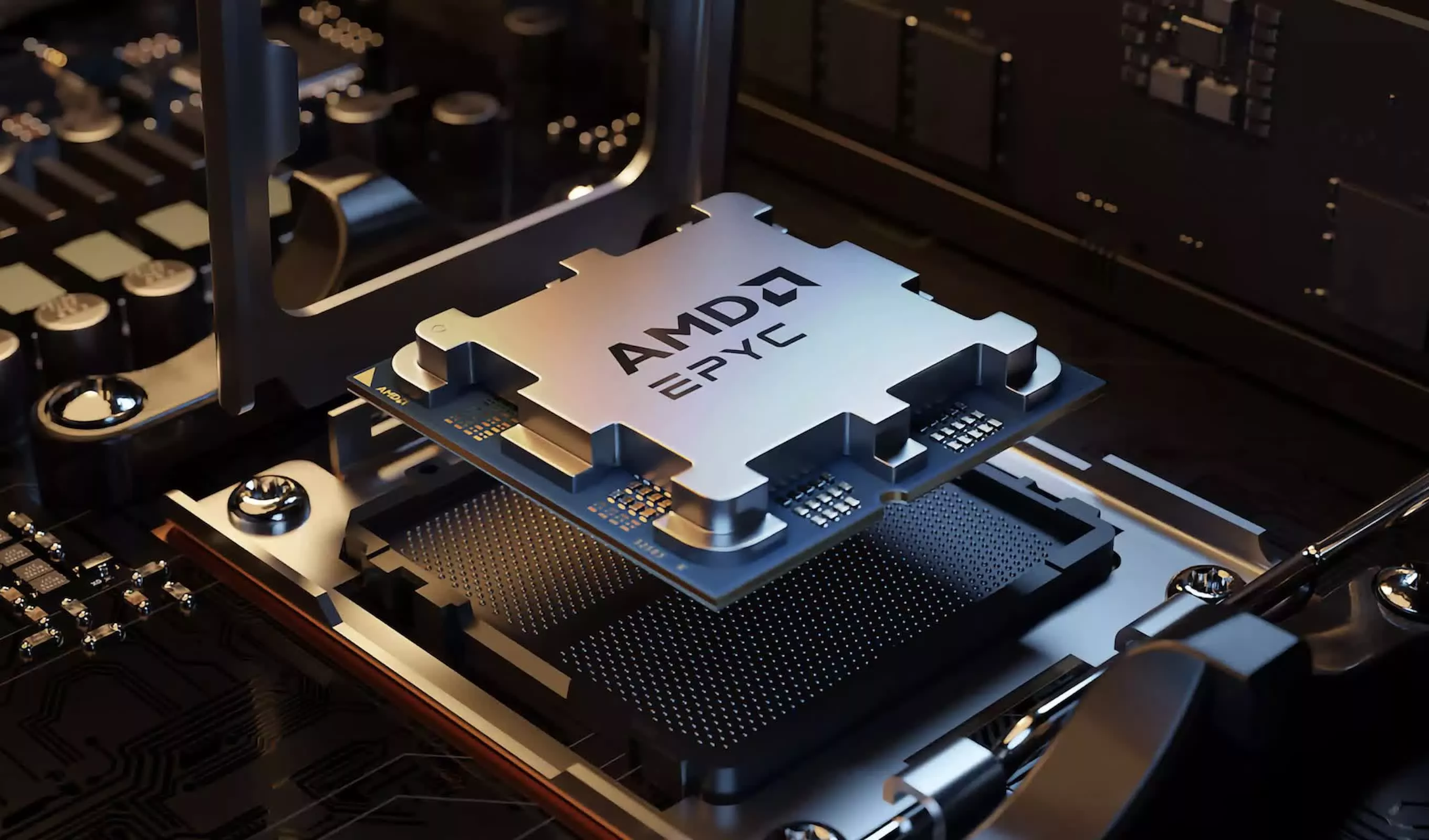
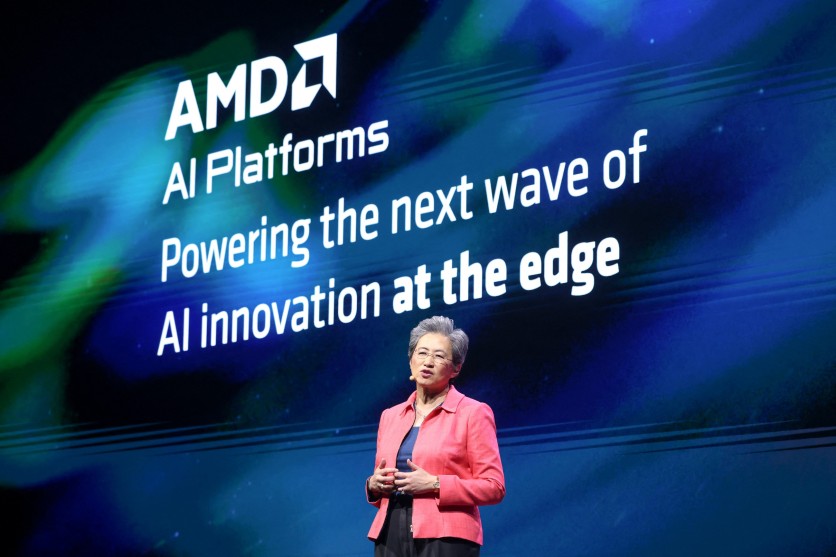
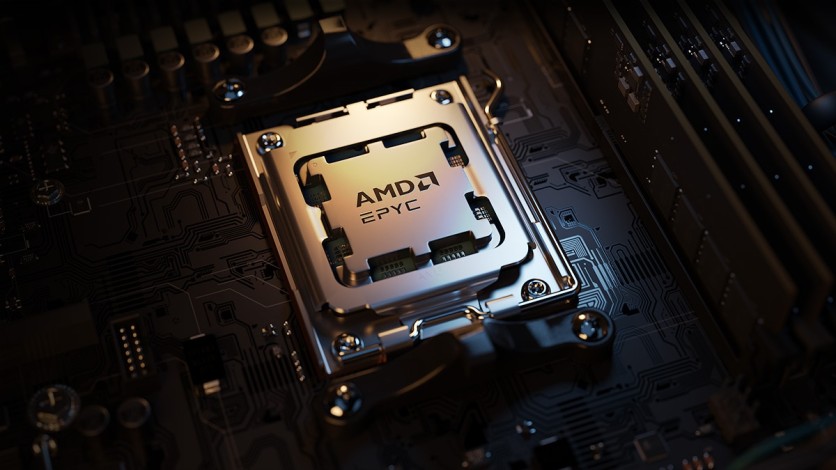
AMD's announcement of its Zen 6 EPYC Venice processor at the Advancing AI 2026 event (July 22-23, San Francisco) represents a critical inflection point in enterprise AI infrastructure that directly impacts e-commerce sellers' operational costs and competitive positioning. The 256-core Venice processor, featuring 2nm process technology with 70% performance improvements and 25-30% power efficiency gains over previous generations, is entering volume production in 2026 on the new SP7 platform. This architectural advancement—combined with AMD's Helios AI rack system (72 MI450 GPUs delivering 1.4 exaFLOPs performance) and open-source ROCm software stack—signals a fundamental shift in how cloud providers will price AI services to sellers.
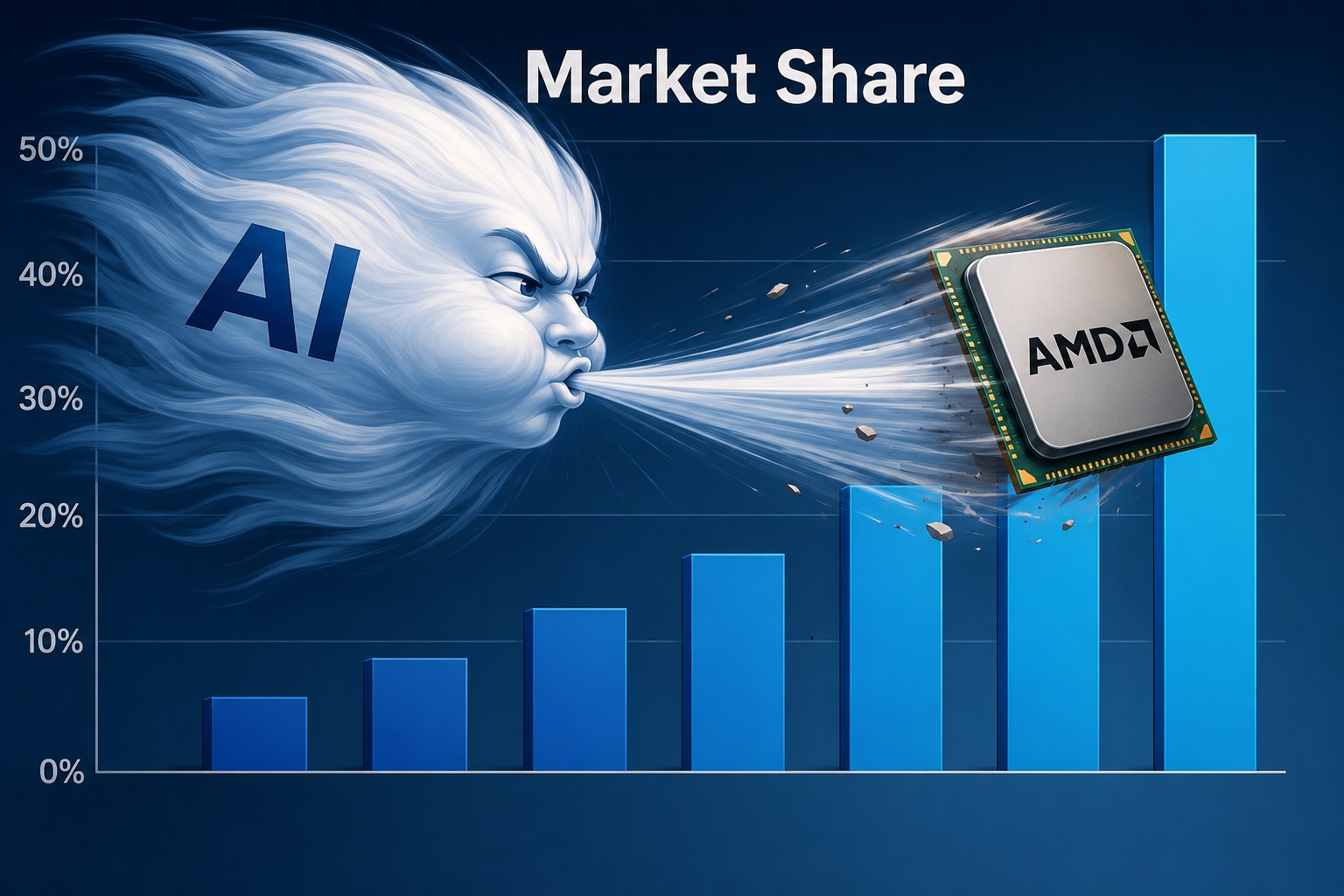
The immediate seller impact centers on AI automation cost reduction. AMD's 46% market share surge (up from 8% five years ago) and partnerships with Microsoft, Anthropic, OpenAI, and Meta indicate aggressive pricing competition in cloud AI services. Sellers currently using NVIDIA-based infrastructure for product research, dynamic pricing, and customer service automation face potential 20-35% cost reductions when cloud providers migrate to AMD's more efficient Venice architecture. The Helios platform's modular design and open-architecture philosophy directly challenge NVIDIA's proprietary pricing model, forcing hyperscalers to pass savings downstream. For sellers operating AI-powered tools (ChatGPT for product descriptions, Claude for customer support, predictive analytics platforms), this translates to lower subscription costs and faster inference speeds starting in late 2026.
Strategic implications for seller automation workflows are substantial. The Venice processor's 512-thread architecture and 16-channel DDR5-8000 memory configuration enable parallel processing of multiple seller tasks simultaneously—batch product research across 100+ SKUs, real-time dynamic pricing adjustments, and concurrent customer service requests without performance degradation. Sellers leveraging AI for inventory optimization, demand forecasting, and personalized recommendations will see 15-20% faster processing times at equivalent costs. AMD's $150M Nutanix partnership and $100M joint engineering commitment specifically target "agentic AI applications," indicating enterprise-grade autonomous agents will become accessible to mid-market sellers (those with 500-5,000 SKUs) by 2027, previously limited to large enterprises.
The competitive moat shifts toward sellers with AI infrastructure flexibility. AMD's open-rack initiative and ROCm ecosystem reduce vendor lock-in compared to NVIDIA's proprietary CUDA ecosystem. Sellers who adopt cloud providers migrating to Venice-based infrastructure gain access to interoperable AI tools without retraining on new platforms. This democratization effect—where 72% of organizations report open ecosystems accelerate AI deployment—means smaller sellers can adopt sophisticated automation previously requiring enterprise budgets. The 2026 launch timeline creates a 12-18 month window for sellers to evaluate cloud provider migration strategies and lock in favorable pricing before Venice becomes the industry standard.
Questions 8
What agentic AI applications will become accessible to mid-market sellers by 2027?
AMD's $150M Nutanix partnership specifically targets agentic AI for autonomous business processes. By 2027, sellers with 500-5,000 SKUs will access enterprise-grade autonomous agents for inventory management, pricing optimization, and customer support—previously limited to large enterprises. These agents can autonomously adjust prices based on competitor activity, reorder inventory when stock falls below thresholds, and handle 80%+ of customer inquiries without human intervention. Cost reduction from 2026 Venice infrastructure ($200-500/month savings) makes these agents economically viable for mid-market sellers, creating 15-25% margin improvements in high-velocity categories.
How should sellers prepare for the 2026 Venice launch to maximize competitive advantage?
Immediate actions (Q4 2025): Audit current cloud AI spending and identify cost-reduction opportunities. Contact cloud providers requesting Venice-based service timelines and pricing. Evaluate ROCm compatibility with existing AI tools. Strategic actions (Q1-Q2 2026): Pilot AMD-based services on non-critical workloads (product research, demand forecasting). Negotiate multi-year contracts with providers committing to Venice migration by Q4 2026. Long-term positioning (Q3-Q4 2026): Migrate critical automation workflows to Venice infrastructure. Implement agentic AI for inventory and pricing optimization. Sellers executing this timeline gain 6-12 months of cost advantage before Venice becomes standard, translating to $2,400-6,000 annual savings per 1,000-SKU catalog.