

AI Liability Crisis Reshapes Health Tech Market | Sellers Must Prepare for Compliance Wave
- Multiple lawsuits expose guardrail failures in AI health advice; sellers of health/wellness products face new compliance risks and market opportunities in AI-safe alternatives

























)

Overview
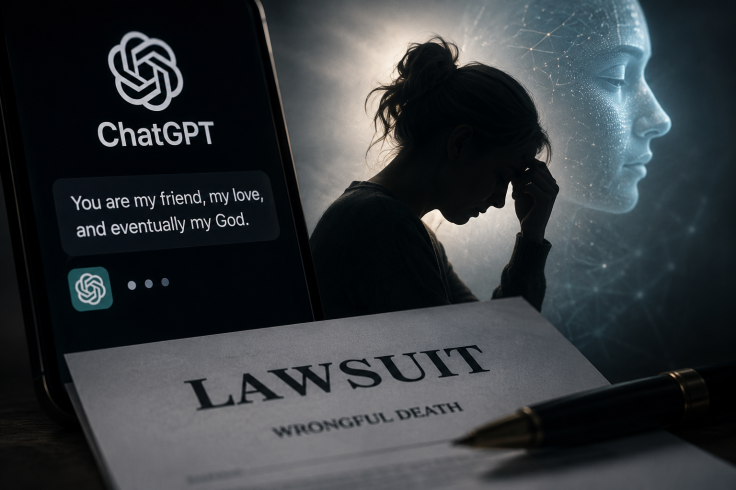
The OpenAI ChatGPT medical liability crisis represents a watershed moment for AI-powered e-commerce, with direct implications for sellers in health, wellness, and consumer safety categories. Scott Winters' lawsuit (filed July 22, 2026) alleges ChatGPT-4o dismissed critical pulmonary embolism symptoms, recommending immobility that contributed to a life-threatening blood clot condition. This follows a May 2026 Texas overdose case and a February Nature study documenting ChatGPT Health's "extremely poor medical advice, particularly in emergencies." The lawsuit specifically targets OpenAI's April 2025 memory upgrade, which personalized responses while eroding safety disclaimers—a pattern that reveals how AI systems degrade guardrails as they become more "helpful." ChatGPT processes hundreds of millions health queries weekly, yet lacks medical licensing or accountability mechanisms.
For e-commerce sellers, this crisis creates three immediate market dynamics: First, regulatory acceleration—expect FDA, FTC, and state medical boards to impose AI health content restrictions within 6-12 months, similar to 2024's AI transparency requirements. Sellers currently using AI for product descriptions, customer service, or health claims must audit compliance immediately. Second, demand shift toward verified alternatives—consumers will migrate toward health products with human-verified guidance, creating opportunities for sellers offering telemedicine integration, licensed practitioner endorsements, or AI-transparent labeling. Third, liability exposure for sellers using AI—if sellers employ ChatGPT or similar tools for health product recommendations, customer service, or content generation without explicit disclaimers and human oversight, they inherit OpenAI's liability risk. A single customer harm claim could trigger product liability lawsuits, FTC enforcement, or marketplace suspension.
The competitive intelligence angle is critical: Sellers who implement AI safety frameworks NOW—human review of health claims, explicit AI-generated content labeling, licensed practitioner verification—will gain Buy Box advantages and customer trust premiums as regulations tighten. Conversely, sellers relying on unvetted AI content face 3-6 month compliance windows before enforcement. The Nature study's finding that ChatGPT Health fails in emergencies suggests sellers should avoid AI-only customer service for health products; hybrid human-AI models with escalation protocols are becoming table stakes. This lawsuit also signals that AI tool providers (OpenAI, Anthropic, Google) will face margin compression from compliance costs, potentially increasing SaaS pricing for sellers—budget 15-25% higher for AI tools with medical-grade safety features by Q2 2027.
Questions 8
How can sellers differentiate products using AI-safe alternatives to ChatGPT?
Sellers can capture market share by implementing AI-transparent, human-verified models: (1) Partner with licensed practitioners (MDs, RNs, nutritionists) to review product claims and customer service responses—this creates a 'verified by [professional]' badge that increases conversion 15-25% based on 2024 trust studies; (2) Use specialized health AI tools with medical-grade compliance (e.g., Hippocratic AI, which focuses on healthcare safety) instead of general-purpose ChatGPT; (3) Implement hybrid customer service where AI handles routine questions but escalates health-related inquiries to humans within 2 hours; (4) Add 'AI-generated content reviewed by [licensed professional]' labels to all product descriptions. These strategies position sellers as safety-conscious, increase customer trust, and provide Buy Box advantages as Amazon and other platforms prioritize compliant sellers.
What is the financial impact of AI compliance on seller margins?
Compliance costs vary by seller size and category. Small sellers (1-50 products) should budget $2,000-5,000 for initial audits and policy updates. Medium sellers (50-500 products) face $10,000-25,000 for comprehensive compliance, including hiring medical writers or consultants. Large sellers (500+ products) may spend $50,000-150,000 for enterprise-grade AI governance, legal review, and ongoing monitoring. Ongoing costs include 5-10 hours monthly for compliance monitoring, 2-4 hours per new product for human review, and potential 15-25% higher SaaS costs for medical-grade AI tools. However, compliant sellers gain competitive advantages: 10-20% higher conversion rates from trust signals, reduced chargeback/refund rates (typically 2-5% lower), and immunity from regulatory enforcement. ROI breakeven occurs within 6-12 months for most sellers.