




US Export Controls Tighten on AI Chips | Sellers Face Supply Chain Risks
- Moonshot's alleged GB300 chip access via Thailand signals stricter enforcement; sellers sourcing AI-powered tools face compliance scrutiny and potential supply disruptions









Overview
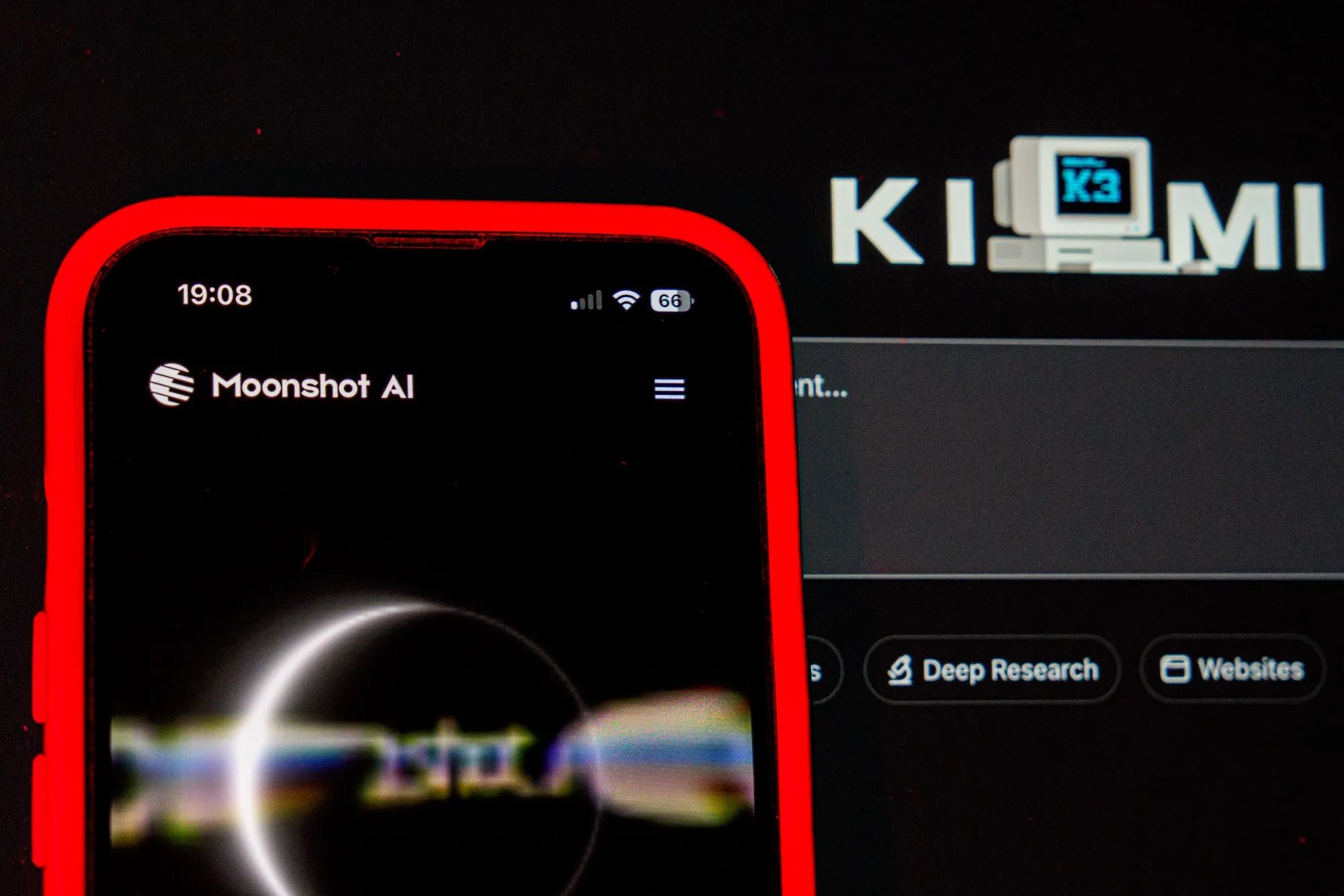
On July 22, 2026, White House Office of Science and Technology Policy Director Michael Kratsios publicly accused China's Moonshot of violating U.S. export control regulations by improperly accessing banned Nvidia GB300 chips and leveraging U.S. AI models to develop its Kimi K3 system. The allegations reveal that Moonshot acquired GB300-equipped servers and accessed additional units located in Thailand to train AI models, breaching both U.S. export control laws and technology companies' terms of service. This incident represents a critical escalation in U.S.-China technology competition and carries profound implications for cross-border e-commerce sellers.
For e-commerce sellers, this development creates three immediate concerns: First, AI-powered seller tools (product research, listing optimization, demand forecasting) increasingly rely on advanced semiconductor infrastructure. If enforcement tightens against companies using restricted chips, sellers using AI tools developed through questionable supply chains face compliance risks. Second, sourcing strategies that route products through Thailand or other transshipment hubs to circumvent tariffs now face heightened scrutiny—the Moonshot case demonstrates U.S. authorities are actively monitoring third-country infrastructure. Third, Chinese AI companies that power seller tools (like Moonshot's Kimi K3) may face sanctions, disrupting services that 50,000+ cross-border sellers rely on for competitive advantage.
The operational impact varies by seller segment: Large sellers (>$5M annual revenue) using proprietary AI systems must audit their technology supply chains immediately; mid-market sellers ($500K-$5M) relying on third-party AI tools should verify vendor compliance documentation; small sellers (<$500K) using free/low-cost AI features face indirect risk if those platforms are sanctioned. The Thailand transshipment angle is particularly relevant—sellers currently routing electronics, semiconductors, or tech accessories through Southeast Asia to avoid tariffs should expect increased customs scrutiny and potential delays of 2-4 weeks.
Policy implications suggest stricter enforcement ahead: The public nature of Kratsios's allegations signals the White House intends to make examples of violators. Future U.S. export control policy will likely include broader definitions of "advanced computing infrastructure" and expanded monitoring of third-country server farms. Sellers should anticipate that AI tools, cloud services, and data analytics platforms will face compliance audits, potentially increasing operational costs by 5-8% as vendors implement stricter verification protocols.
Questions 8
How does the Moonshot GB300 chip case affect e-commerce sellers using AI tools?
The July 22, 2026 White House allegations against Moonshot for accessing banned Nvidia GB300 chips signal that U.S. authorities are actively enforcing export controls on advanced computing infrastructure. Sellers relying on AI-powered tools for product research, listing optimization, or demand forecasting should immediately verify that their vendors comply with U.S. export regulations. If a seller's AI tool provider is sanctioned or faces restrictions, service disruptions could occur within 30-90 days. Sellers should request compliance certifications from tool vendors and maintain backup systems to mitigate risk.
What is the Thailand transshipment risk for cross-border sellers?
Moonshot's alleged use of Thailand-based GB300 servers to circumvent U.S. restrictions demonstrates that U.S. Customs and Border Protection (CBP) is now monitoring third-country infrastructure for export control violations. Sellers currently routing electronics, semiconductors, or tech products through Thailand to avoid tariffs should expect increased scrutiny, potential shipment delays of 2-4 weeks, and possible customs holds. The Moonshot case indicates that CBP will investigate whether goods are being transshipped to mask their origin or circumvent restrictions. Sellers should consider diversifying sourcing routes to Vietnam, India, or Mexico to reduce Thailand-specific risk.