

US-China AI IP Sanctions Risk | Export Controls Tighten on Tech Sellers
- Nvidia Blackwell chip export restrictions escalate; Treasury threatens sanctions on Chinese AI firms; compliance costs for tech sellers shipping to Asia expected to rise 15-25% by Q4 2025










Overview
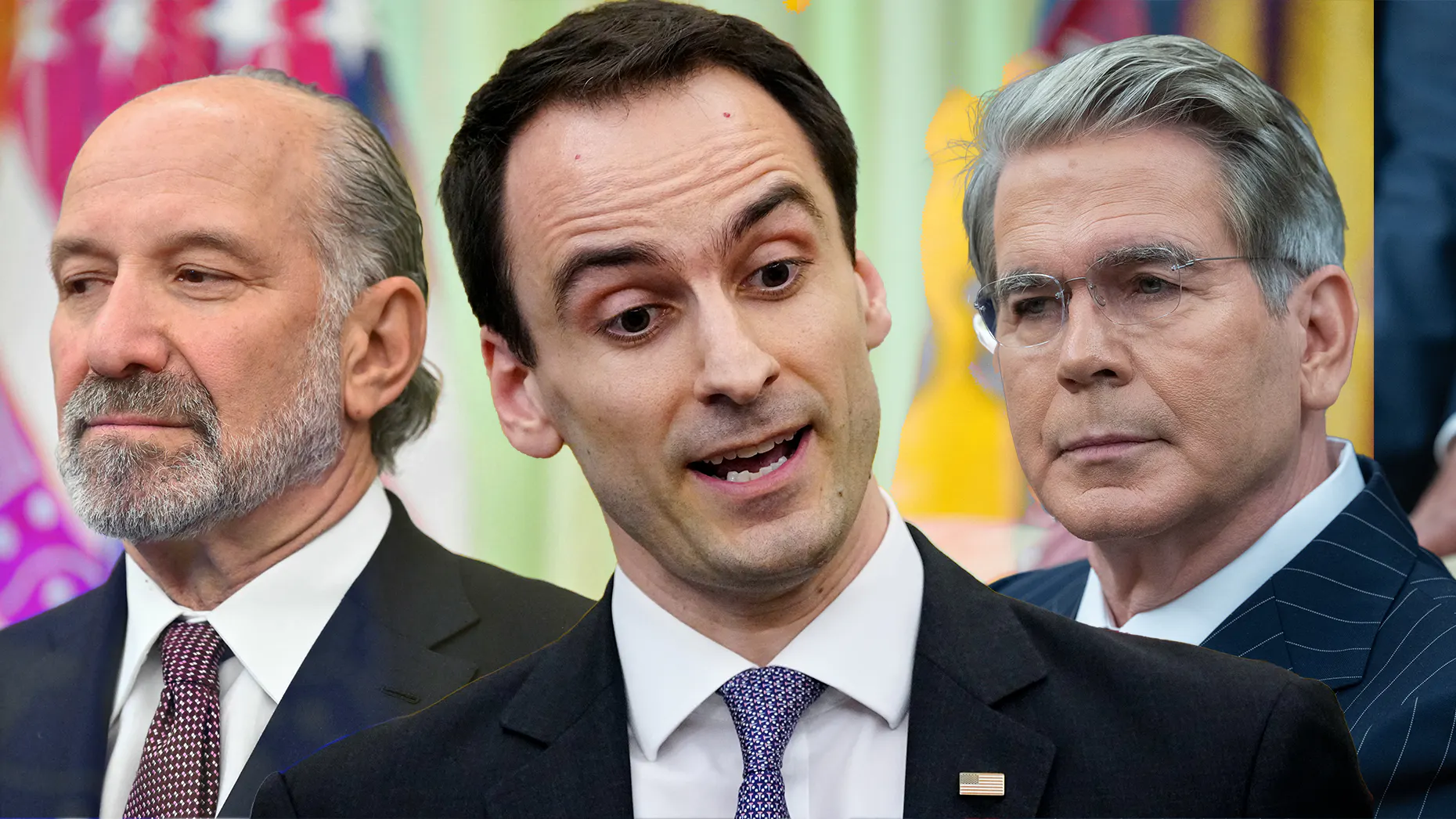
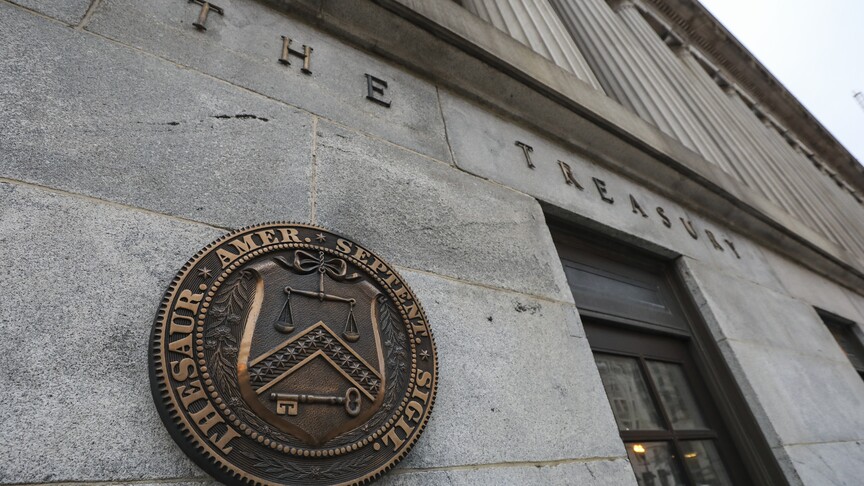
The escalating US-China AI intellectual property dispute creates immediate compliance barriers for cross-border tech sellers. White House adviser Michael Kratsios accused Moonshot AI of conducting "large-scale" IP theft from Anthropic's Claude, using distillation techniques to replicate capabilities and gaining unauthorized access to restricted Nvidia GB300 Grace Blackwell servers—violating US export controls implemented in 2022. Treasury Secretary Scott Bessent explicitly threatened sanctions "on the table" for Chinese companies engaging in "industrial-scale distillation attacks," while Commerce Department officials investigate potential Nvidia Blackwell chip export violations. This represents a critical regulatory inflection point for sellers.
The compliance moat is forming rapidly. Sellers exporting AI-related hardware, software, or components to China face heightened scrutiny under expanded export control regimes. The Nvidia Blackwell restrictions—already limiting chip availability to Chinese entities—now carry potential sanctions risk for any seller facilitating unauthorized access or circumventing controls. Estimated timeline: enforcement actions likely within 3-6 months (before September Trump-Xi discussions). Sellers in electronics, semiconductors, and software categories shipping to China, Hong Kong, or Southeast Asia must immediately audit supply chains for restricted components. Non-compliance penalties could reach $300,000+ per violation under Export Administration Regulations (EAR).
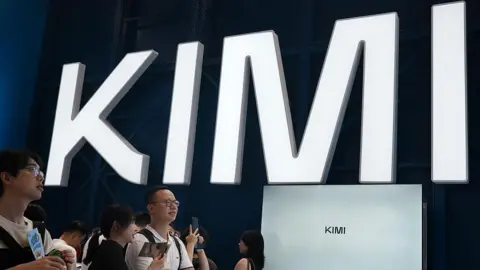
Regulatory fragmentation creates service opportunities. Nvidia CEO Jensen Huang's counter-narrative—warning against "science fiction" AI fears and advocating for rapid adoption—signals the Trump administration remains divided on AI regulation intensity. This uncertainty creates demand for compliance consulting, export documentation services, and supply chain auditing tools. Sellers currently using generic logistics providers face 20-30% higher compliance costs versus those with dedicated export control expertise. The July 27 Kimi K3 open-source release by Moonshot AI may accelerate Chinese adoption of alternative AI models, reducing demand for Western AI services but increasing demand for localized compliance solutions in Asia-Pacific markets. Sellers should expect 4-8 week delays for export licenses on sensitive tech categories and budget $5,000-15,000 for compliance audits per product line.
Questions 7
How do US export controls on Nvidia Blackwell chips affect sellers shipping tech to China?
Sellers exporting **Nvidia Blackwell GPUs** or systems containing restricted components to China, Hong Kong, or designated entities now face heightened compliance scrutiny under expanded Export Administration Regulations (EAR). The Commerce Department is actively investigating potential violations, with penalties reaching $300,000+ per unauthorized shipment. Sellers must obtain export licenses (4-8 week processing) and verify end-user compliance before shipping. Any seller using third-party logistics providers should confirm they have dedicated export control expertise—non-compliant shipments can be seized and result in criminal liability for company officers.
What is the timeline for new sanctions against Chinese AI companies?
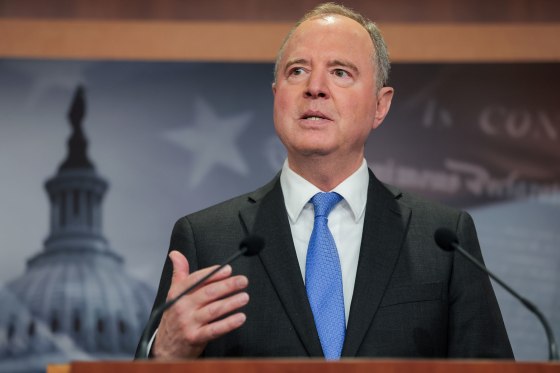
Treasury Secretary Scott Bessent stated sanctions are "on the table" for Chinese firms conducting "industrial-scale distillation attacks" on American IP. Based on the pattern of prior enforcement (Huawei sanctions took 6-12 months from announcement to implementation), sellers should expect enforcement actions within 3-6 months, likely before September Trump-Xi diplomatic discussions. This creates immediate urgency for sellers with Chinese customers or supply chain partners to audit relationships and document compliance. Any seller with existing contracts to Chinese AI companies should consult legal counsel on potential liability exposure.