


Generic Drug Tariffs 100% by 2028 | Cross-Border Sellers Face Supply Crisis
- Effective August 2028, imported generics face 100% duty escalating to 200% by 2029; India/China sourcing becomes unviable; small-to-mid sellers lose 40-60% margins on pharmaceutical products

















Overview
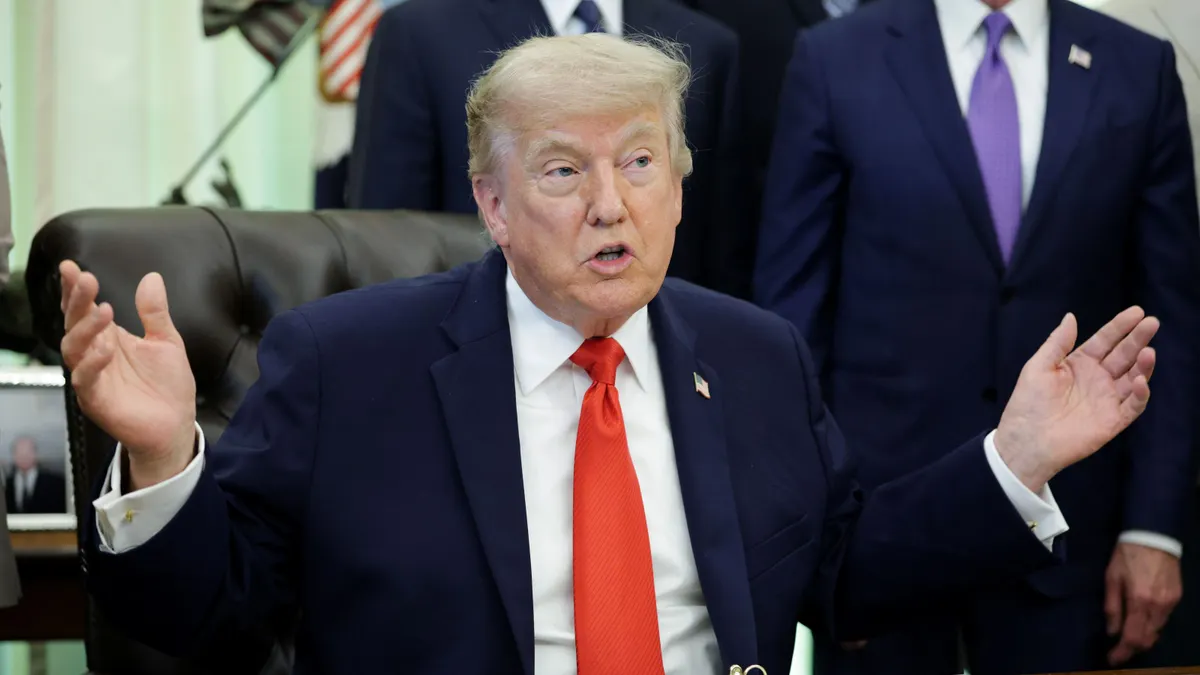
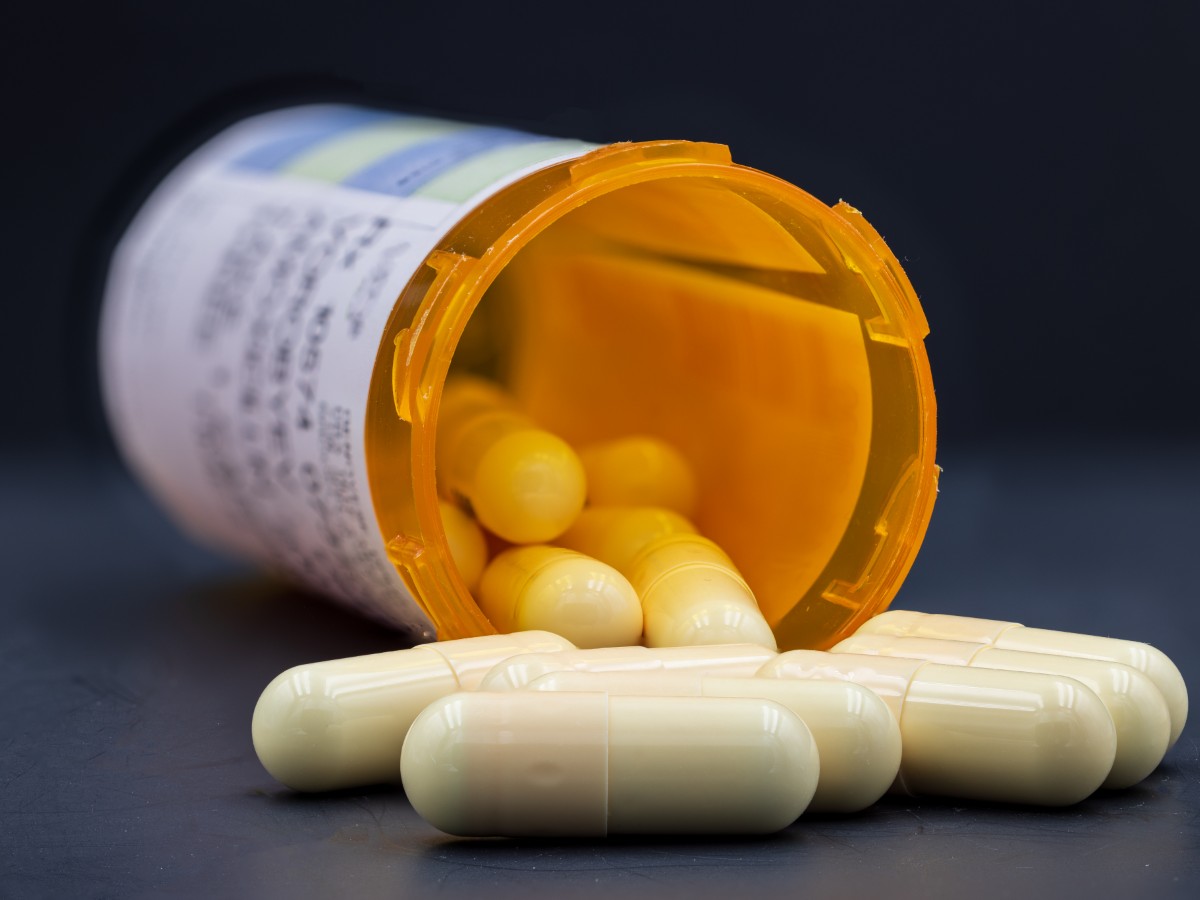
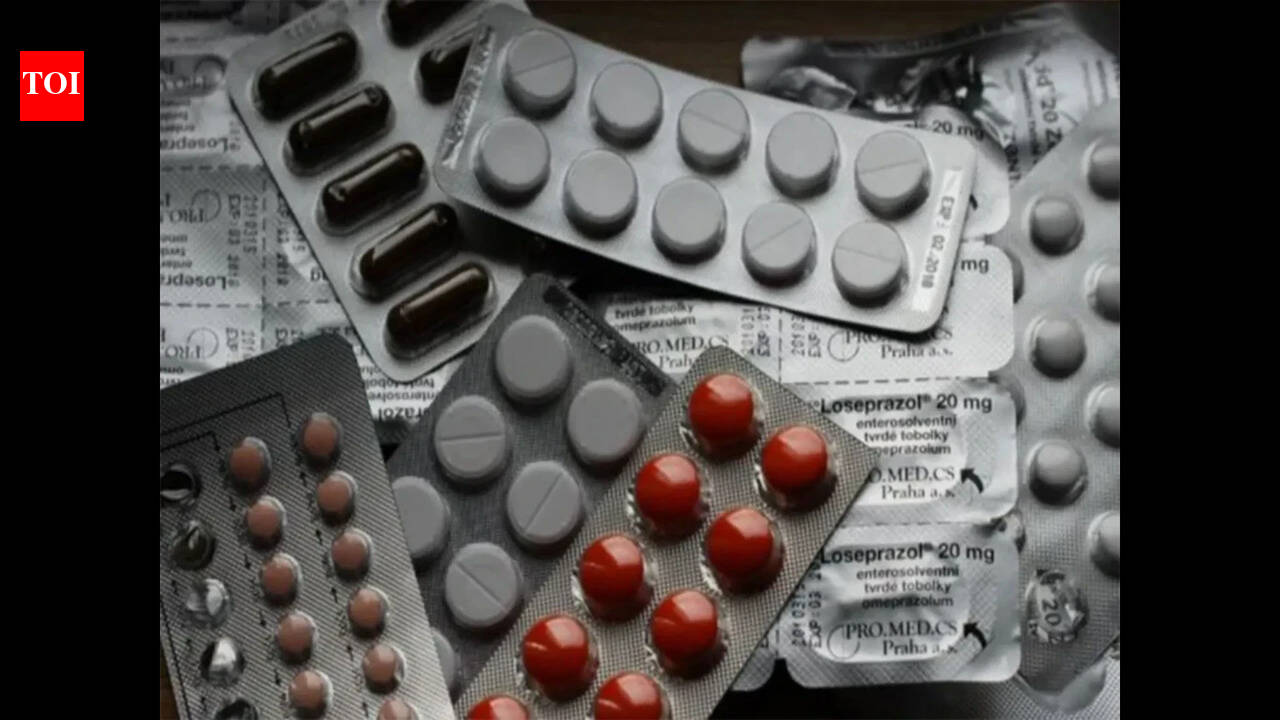
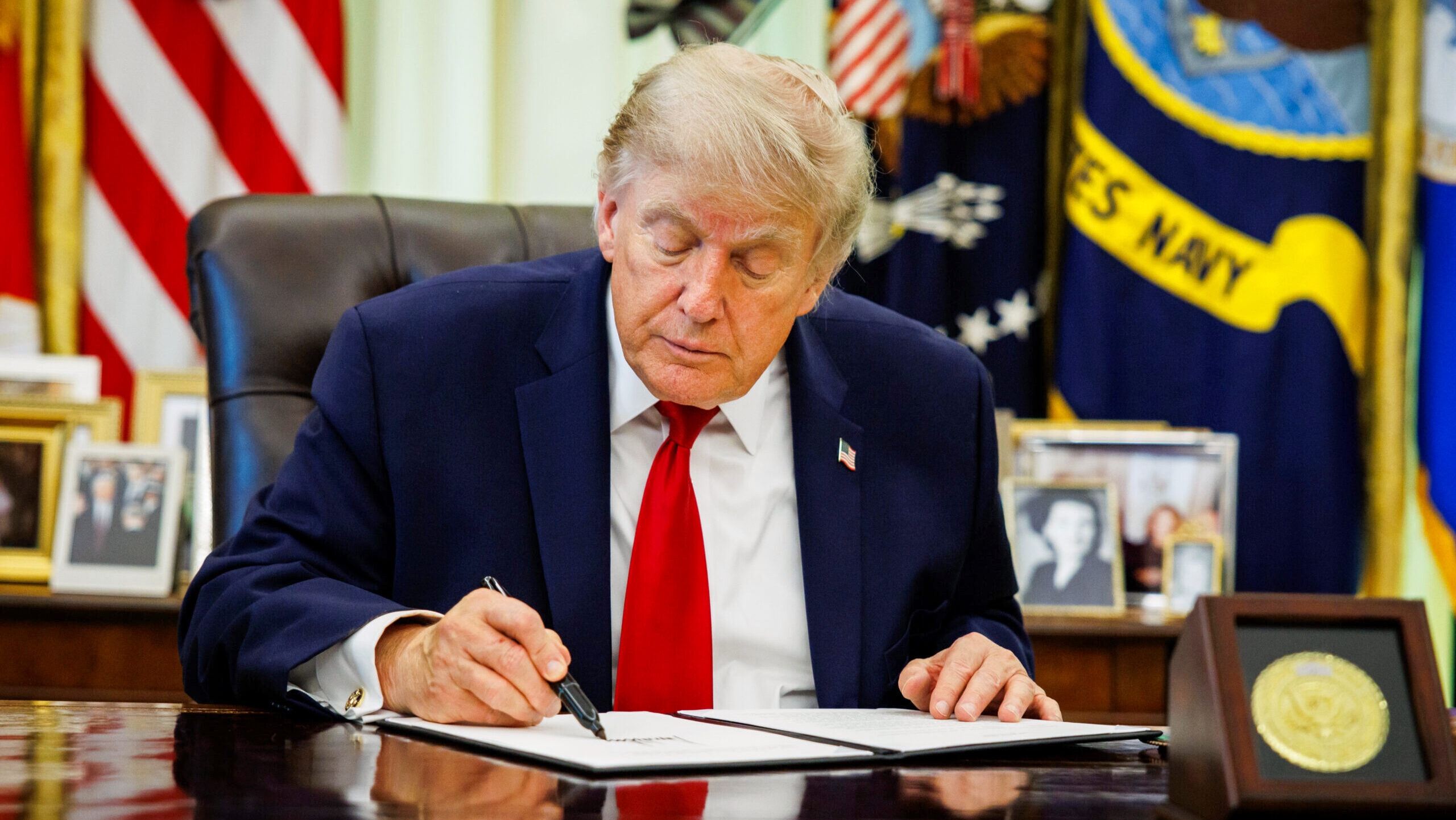
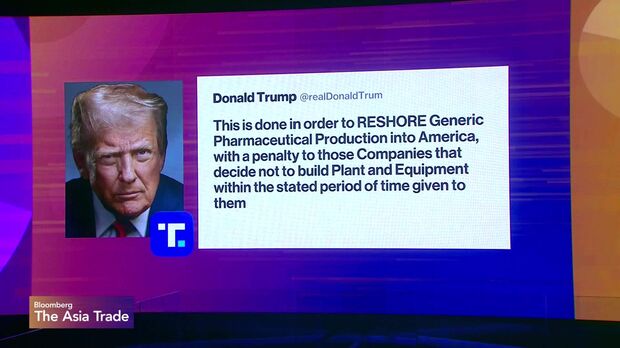
Trump administration's phased tariff policy on imported generic drugs represents a seismic shift in pharmaceutical trade policy with direct implications for cross-border e-commerce sellers. Announced July 21, 2026, the policy imposes a 100% tariff on generic drug imports effective August 2028, escalating to 200% by August 2029. This creates an immediate 24-month window for sellers to restructure supply chains before tariffs effectively double product costs. Generic drugs represent 90% of US prescriptions but only 20% of pharmaceutical spending, making them critical for price-sensitive consumer segments. India supplies approximately 50% of US generic medicines while China supplies 80% of active pharmaceutical ingredients, meaning sellers sourcing from these regions face complete supply chain disruption.
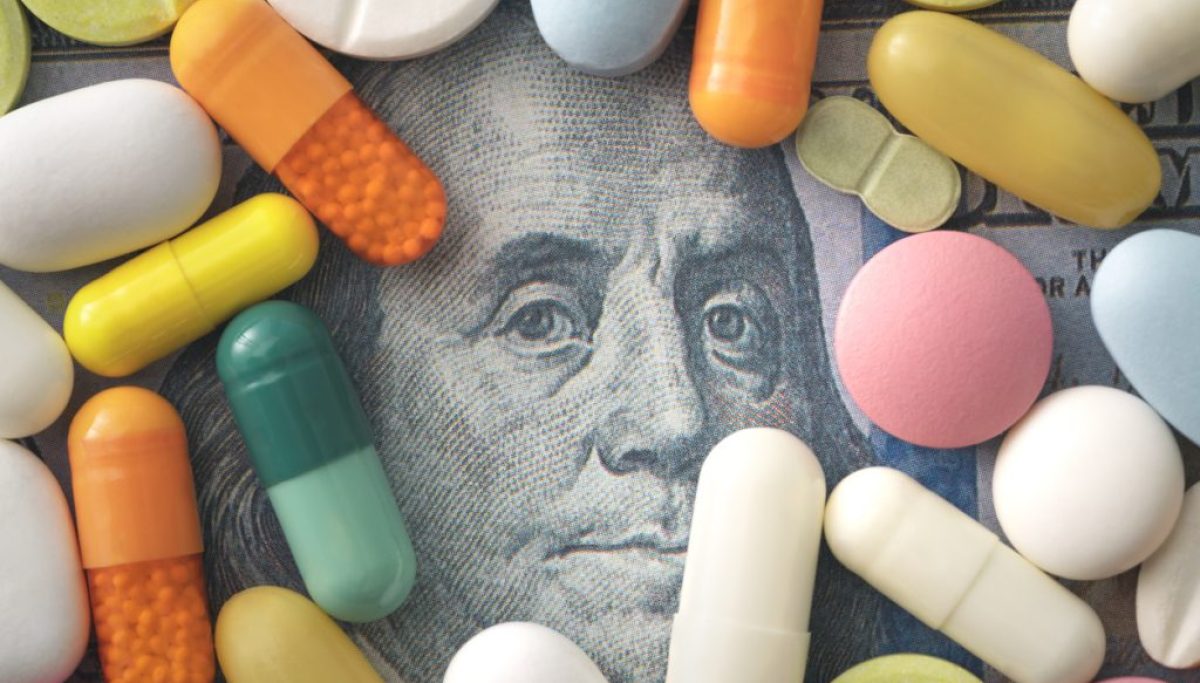
For cross-border e-commerce sellers, the tariff structure creates three distinct operational scenarios. Small and mid-sized sellers (annual pharmaceutical sales $100K-$5M) currently sourcing from India/China face margin compression of 40-60% if they absorb tariff costs, or forced price increases of 50-100% if passed to consumers. The 100% duty effectively doubles landed costs—a $4 generic medication becomes $8 at import, making it economically unviable against brand-name alternatives ($157 per unit). Large sellers with $5M+ annual pharmaceutical revenue can negotiate domestic manufacturing partnerships or establish 3PL relationships with US-based producers, but require 12-18 months and $500K-$2M capital investment to execute. The two-year implementation window (August 2026 to August 2028) provides planning time but insufficient runway for most sellers to establish domestic sourcing without significant operational disruption.
Strategic sourcing alternatives emerge as the primary competitive advantage. Sellers who establish relationships with US-based generic manufacturers or contract manufacturers in tariff-exempt countries (Mexico under USMCA, certain Caribbean nations under CBI) can maintain margin structures. India's pharmaceutical stocks fell 1.3% immediately following the announcement, signaling market recognition that Indian exporters will lose US market share. Domestic US generic manufacturers like Sandoz, Teva, and Mylan face increased demand but also capacity constraints—existing US production capacity cannot absorb 90% of current import volumes within 24 months. This creates a temporary supply shortage window (2028-2030) where sellers with pre-established domestic relationships gain competitive advantage. Sellers without domestic sourcing alternatives face three choices: exit the pharmaceutical category entirely, absorb 40-60% margin compression, or raise consumer prices 50-100% and accept demand destruction.
Compliance complexity and policy uncertainty create additional risk factors. The Association for Accessible Medicines and patient advocacy groups are actively lobbying for policy modifications, suggesting the tariff structure may change before August 2028 implementation. Previous Trump tariff policies raised prices for core goods by 3.1% (Federal Reserve data through February 2025), but pharmaceutical tariffs could exceed this due to supply concentration. Sellers must monitor legislative developments quarterly and maintain flexibility in sourcing commitments. The policy's actual impact depends on implementation details—potential exemptions for critical medicines, small-business carve-outs, or phased implementation could alter the timeline. However, the 24-month window is insufficient for most sellers to wait for policy clarification; immediate action on domestic sourcing exploration is required.
Questions 8
How should I adjust my inventory and sourcing strategy before August 2028?
Immediately conduct a sourcing audit to identify which generic medications you source from India and China (the primary tariff-affected regions). For high-volume SKUs (top 20% of sales), begin exploring domestic US sourcing alternatives and USMCA-compliant Mexican suppliers by Q4 2026. For lower-volume SKUs, consider discontinuing if domestic sourcing costs exceed brand-name alternatives. Build inventory of tariff-exempt products and establish relationships with 3PL providers who have domestic pharmaceutical distribution networks. Monitor the Federal Register monthly for tariff policy updates and legislative exemptions. By Q2 2027, you should have finalized sourcing decisions for 80% of your pharmaceutical SKUs. Avoid building excess inventory of tariff-affected products after Q2 2027, as you'll face margin compression when tariffs take effect in August 2028. Consider shifting marketing focus to higher-margin product categories (vitamins, supplements, wellness products) that face lower tariff exposure.
What are the competitive advantages for large sellers versus small sellers under this tariff policy?
Large sellers with $5M+ annual pharmaceutical revenue can negotiate directly with US manufacturers, establish contract manufacturing agreements, and absorb the $500K-$2M capital investment required for domestic sourcing. They can also negotiate volume discounts that offset tariff impacts. Small sellers (under $2M annual revenue) lack negotiating power with manufacturers and cannot absorb capital investment costs. They face three choices: exit the category, raise prices and accept demand destruction, or absorb margin compression. Mid-sized sellers ($2M-$5M revenue) can explore 3PL partnerships with US-based pharmaceutical distributors, but face higher per-unit costs than large sellers. The tariff policy effectively consolidates market share toward large sellers and domestic manufacturers, disadvantaging small cross-border sellers who currently rely on India/China sourcing.