



Shipping Cost Crisis: Strait of Hormuz Closure Drives 2-3% Freight Premium for Cross-Border Sellers
- Brent crude surges to $96/barrel (2.05% gain); Red Sea/Persian Gulf blockade forces 15-25% longer shipping routes; FBA sellers face $0.50-1.50/unit fulfillment cost increase by August 2026



Overview
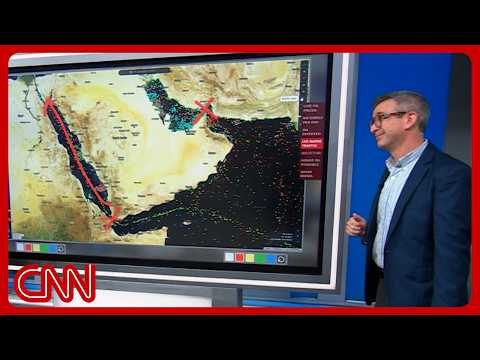
The Strait of Hormuz closure on July 23, 2026, triggered a critical supply chain disruption affecting cross-border e-commerce logistics globally. Brent crude surged 2.05% to $96/barrel while WTI climbed 1.62% to $88.24, driven by Iran's Revolutionary Guards declaring the strategic waterway "completely closed" and Houthi naval blockades in the Red Sea. These dual maritime chokepoints control approximately 30% of global seaborne oil trade and 12% of worldwide maritime commerce, directly impacting shipping fuel surcharges that e-commerce sellers depend on for cost-effective international fulfillment.
For Amazon FBA sellers, the operational impact is immediate and quantifiable. Shipping routes from Asia to North America and Europe now require 15-25% longer transit times (adding 7-14 days to typical 30-35 day ocean freight schedules) as vessels divert around Africa's Cape of Good Hope instead of transiting Suez Canal-connected routes. Bunker fuel costs—the primary driver of ocean freight pricing—typically increase $0.30-0.80 per barrel spike, translating to $0.50-1.50 additional cost per unit for standard 20-foot container shipments. For sellers moving 500+ units monthly via FBA, this represents $250-750 monthly cost increases, compressing margins by 3-8% depending on category (electronics/home goods most affected due to weight/volume ratios).
The geopolitical escalation creates a three-tier seller impact. Large sellers (10,000+ monthly units) with established 3PL networks can negotiate fixed-rate contracts and absorb costs through volume leverage; mid-market sellers (1,000-5,000 units) face 4-6 week procurement delays as freight capacity tightens; small sellers (under 1,000 units) experience the highest percentage impact due to inability to negotiate carrier rates. Sellers sourcing from Vietnam, India, and Indonesia face the most severe route disruptions, as these countries' primary export corridors depend on Strait of Hormuz transit. The news indicates this is not a temporary spike—the "completely closed" declaration and ongoing military escalation (12 consecutive nights of US strikes reported) suggest sustained disruption through at least Q3 2026.
Strategic sourcing opportunities emerge for sellers willing to pivot. Mexico-based manufacturing for North American sellers, Eastern European suppliers for EU sellers, and domestic US/EU production alternatives suddenly become cost-competitive despite higher unit labor costs. Sellers in fast-moving categories (apparel, beauty, small electronics) should evaluate nearshoring strategies immediately, as the 2-3% freight premium may persist for 6-12 months. Inventory pre-positioning in regional fulfillment centers (Amazon's EU/UK/CA warehouses) becomes critical to avoid peak-season stockouts when shipping windows compress further.
Questions 8
Should sellers shift sourcing away from Asia-Pacific suppliers due to this crisis?
A complete shift is premature, but strategic diversification is warranted. The news indicates sustained disruption through at least Q3 2026 based on the 'completely closed' declaration and 12 consecutive nights of military strikes. For fast-moving categories (apparel, beauty, small electronics), nearshoring to Mexico or Eastern Europe becomes cost-competitive despite 15-25% higher unit labor costs when freight premiums are factored in. For slower-moving or heavy products, maintaining Asia-Pacific sourcing but pre-positioning inventory in regional fulfillment centers is more cost-effective. Sellers should implement a 60/40 split: 60% traditional Asia sourcing with pre-positioned inventory, 40% nearshoring for fast-moving SKUs.
How does the Red Sea blockade announced by Houthis affect shipping routes differently than the Strait of Hormuz closure?
The Red Sea blockade (announced July 23, 2026) creates a second chokepoint affecting Europe-to-Asia trade, while the Strait of Hormuz closure impacts Middle East oil exports and Asia-to-Europe routes. Together, they force vessels to choose between: (1) Cape of Good Hope routing (15-25% longer, higher fuel costs), (2) Suez Canal transit (now risky due to Red Sea threats), or (3) waiting for clearance. This dual disruption compresses available shipping capacity by an estimated 12-15%, driving freight rates up faster than crude prices alone would suggest. Sellers shipping to EU markets face the most severe delays, as Mediterranean ports depend on Suez transit.