




Google's AI Cost Crisis Threatens Seller Tools | What Changes Next
- Google's tens of millions per AI model training iteration may force cost-cutting in seller-facing features, impacting Google Ads and Shopping optimization for 2M+ cross-border sellers








Overview
Google faces unprecedented financial pressure as artificial intelligence development costs spiral exponentially, with industry estimates suggesting tens of millions of dollars per advanced model training iteration. The company's massive investments in GPU hardware, specialized AI researcher recruitment, and data center infrastructure for Gemini development and product integration are consuming capital at unprecedented rates, creating a critical inflection point for the tech giant's resource allocation strategy.
For cross-border e-commerce sellers, this development carries direct and measurable implications. Google's advertising platforms (Google Ads, Google Shopping) and merchant tools rely heavily on AI-powered optimization features that sellers depend on for product visibility, bid management, and audience targeting. These AI-driven features—including automated bidding strategies, smart shopping campaigns, and product recommendation algorithms—currently provide competitive advantages for sellers managing multi-channel inventory. If profitability pressures force Google to implement cost-cutting measures, sellers face three primary risks: (1) reduced investment in new seller-facing AI features, potentially slowing innovation in optimization tools; (2) changes to advertising algorithm performance as Google reallocates resources from platform optimization to core AI R&D; and (3) potential pricing adjustments to Google Ads and Shopping services as the company seeks to offset AI infrastructure costs.
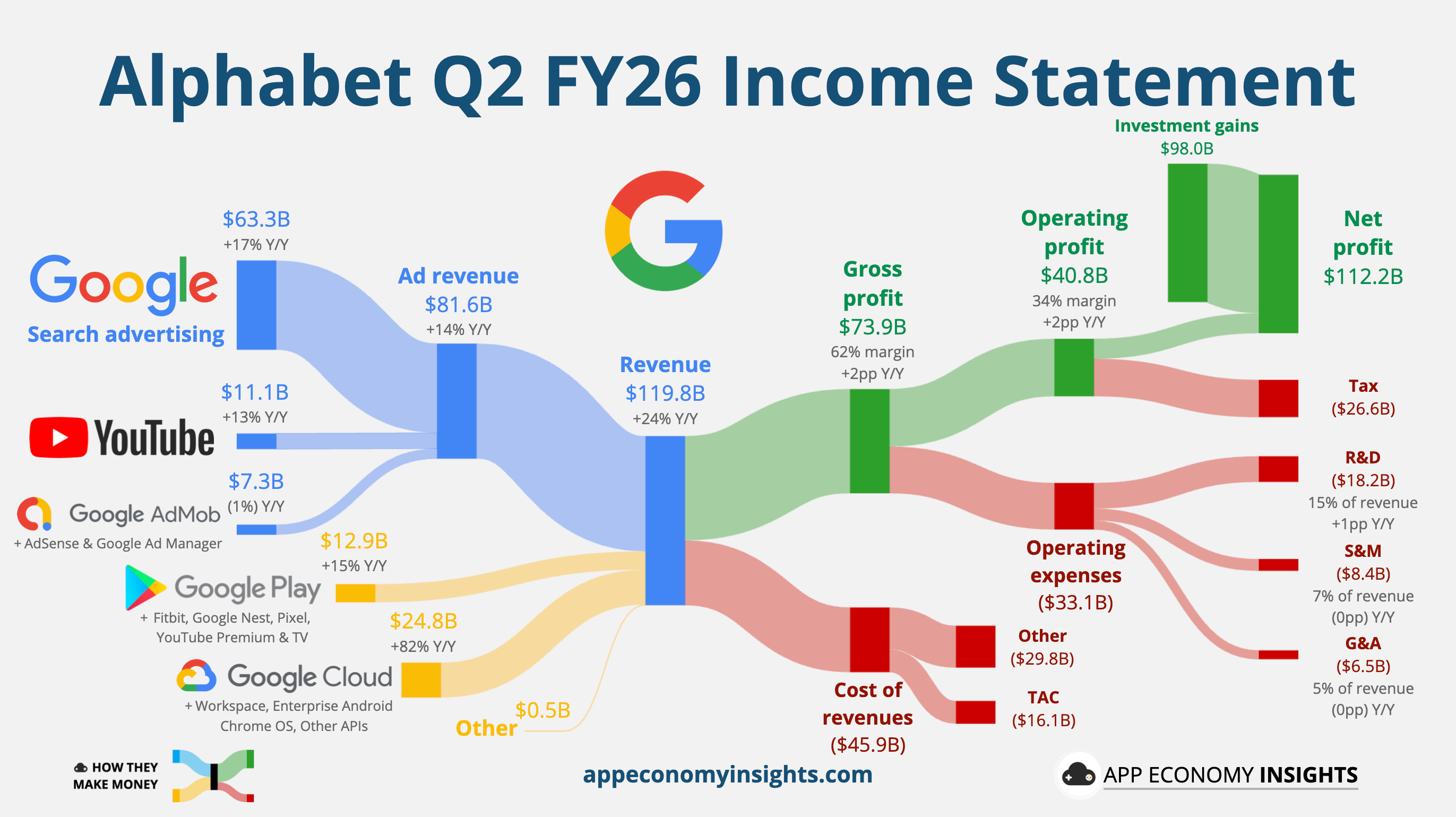
The competitive AI race with OpenAI and Microsoft intensifies Google's pressure to maintain technological leadership, but the company's core advertising business—which generates the majority of revenue offsetting AI investments—remains profitable. However, market observers anticipate Google will pursue efficiency improvements in operational areas, which could include reduced feature development cycles for merchant tools, slower rollout of new Shopping features, and potential consolidation of seller-facing services. Sellers should monitor three critical areas: (1) changes to Google Shopping feed requirements and product listing optimization features; (2) adjustments to Google Ads pricing models and bid strategy automation; and (3) updates to Google Merchant Center tools and reporting capabilities. The company's historical pattern of maintaining strong cash reserves suggests aggressive AI spending will continue, but the pace of seller-focused feature development may decelerate, requiring sellers to optimize current tools more aggressively and diversify advertising spend across Amazon Ads, Microsoft Advertising, and platform-native tools.
Questions 7
Should I reduce my Google Ads budget and shift to other platforms?
Not immediately, but diversification is prudent. Google's core advertising business remains highly profitable and continues offsetting AI investments, meaning Google Ads will likely remain competitive. However, the news suggests feature innovation may slow, potentially reducing the competitive advantage of Google's automated tools versus Amazon Ads and Microsoft Advertising. Consider maintaining 60-70% of current Google Ads spend while testing 20-30% allocation to Amazon Ads (which has its own AI optimization) and 10-15% to platform-native tools. This hedges against potential algorithm changes while capturing growth in alternative channels. Reassess allocation quarterly based on ROAS performance.
What specific Google Merchant Center features might be affected by cost-cutting?
Google Merchant Center tools relying on AI—including product feed optimization recommendations, automated attribute suggestions, and performance analytics powered by machine learning—face potential slowdowns in enhancement cycles. The news indicates Google may prioritize core AI R&D over seller-facing tool development, meaning new features for feed management, inventory synchronization, and listing quality improvements could be delayed. Sellers should document current feature performance baselines now and prepare to optimize manually if automated recommendations become less frequent. Focus on mastering existing tools like feed rules, product data validation, and performance reports before new features arrive.