


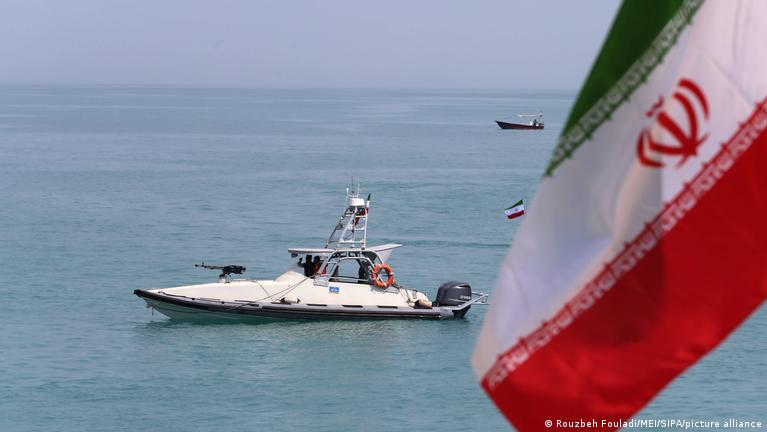


Strait of Hormuz Shipping Crisis Drives 35% Oil Rally | Sellers Face 8-15% Logistics Cost Surge
- Brent crude surges to $98.44/barrel (4.6% gain), WTI hits $90.14 (3.8% gain); Houthi blockade forces 10,000+ nautical mile reroutes; shipping costs spike 8-15% for cross-border sellers; immediate impact on electronics, apparel, and heavy goods categories





























Overview
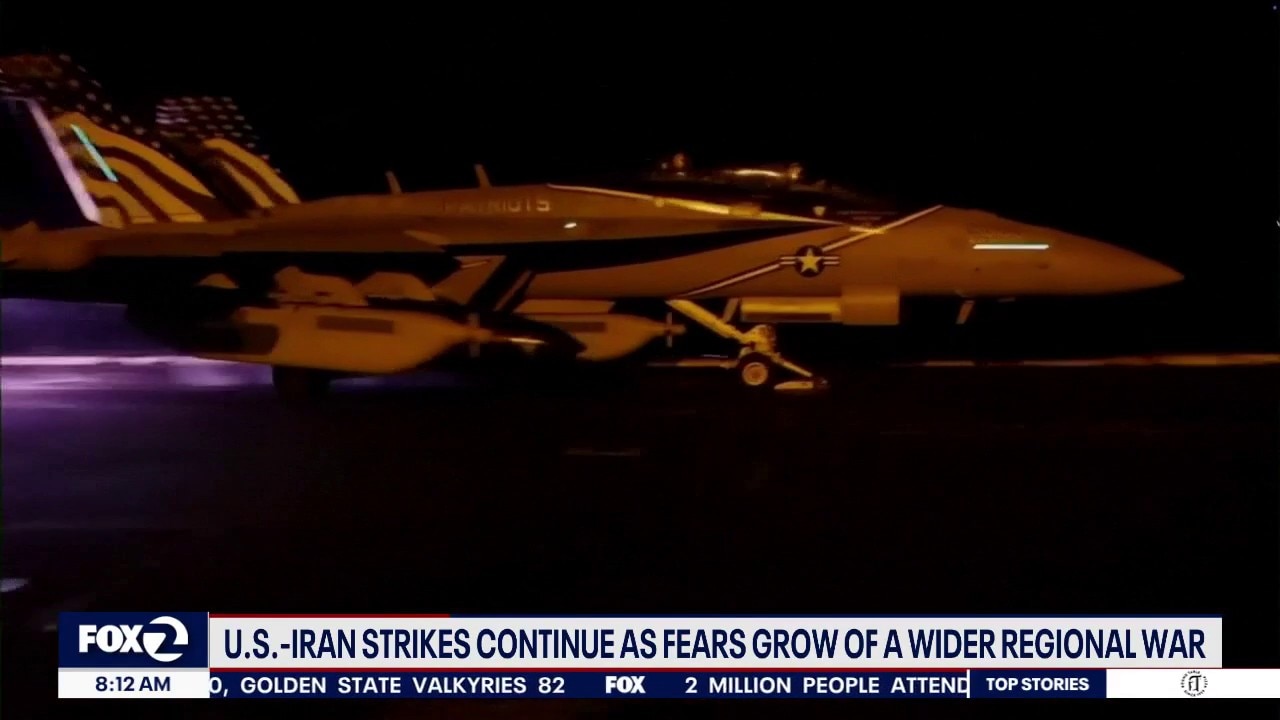
The escalating Iran-US military conflict and Houthi naval blockade in the Strait of Hormuz and Red Sea have created a critical shipping crisis directly impacting cross-border e-commerce logistics costs. Brent crude futures surged 4.6% to $98.44/barrel (highest since late May) and WTI crude advanced 3.8% to $90.14/barrel following tanker attacks 70 nautical miles southwest of Al Shuqaiq, marking the third-largest monthly oil rally in a decade at 35.3% for Brent and 30% for WTI. Yemen's Houthis declared a naval blockade on Saudi Arabia and the Bab el-Mandeb Strait, forcing vessels to reroute through the Suez Canal—adding over 10,000 nautical miles to journeys and extending transit times by 10-14 days.
For cross-border sellers, this creates immediate operational challenges: Shipping costs are rising 8-15% across all logistics corridors as carriers pass fuel surcharges to shippers. The EU's Red Sea naval mission has advised ships with US, Israeli, or Saudi links to avoid the region entirely, effectively blocking direct routes for many Western sellers. Airlines including KLM have suspended Middle East operations, eliminating air freight options for time-sensitive shipments. Sellers shipping electronics, apparel, home goods, and machinery from Asia to US/EU markets face the steepest impact—these categories typically rely on cost-optimized ocean freight through the Strait of Hormuz.
Strategic sourcing implications are significant: Iran's threat to prevent Strait of Hormuz normalization signals prolonged disruption. Food prices in Iran have surged 431% for vegetable oil and 342% for eggs, indicating severe supply chain stress in the region. The Hormozgan province (home to Bandar Abbas port) experiences 101.4% inflation. For sellers with Iran-based suppliers or considering Iran market entry, the geopolitical risk is now extreme—diplomatic resolution remains uncertain despite HSBC analysts emphasizing its criticality. Sellers should immediately audit their supply chains: identify shipments routed through the Strait, calculate fuel surcharge exposure, and evaluate alternative corridors (longer routes via Cape of Good Hope, air freight for high-margin items, or nearshoring to reduce transit distance). The time-sensitive window is immediate—fuel surcharges typically lock in within 2-4 weeks of oil price spikes.
Questions 7
Which shipping routes are most affected by the Houthi blockade and Red Sea crisis?
The Houthi naval blockade directly impacts the Strait of Hormuz and Bab el-Mandeb Strait, forcing vessels to reroute through the Suez Canal—adding over 10,000 nautical miles and 10-14 days to transit times. The EU's Red Sea naval mission has advised ships with US, Israeli, or Saudi links to avoid the region entirely. This primarily affects Asia-to-Europe and Asia-to-US routes that normally transit the Suez Canal. Sellers shipping from China, Vietnam, or India to Western markets face the steepest delays. Alternative routes via Cape of Good Hope add 15-20 days but avoid the conflict zone. Air freight remains viable for high-margin items but costs 4-6x ocean freight.
How much will shipping costs increase for cross-border sellers due to the Strait of Hormuz crisis?
Shipping costs are rising 8-15% across major logistics corridors as carriers implement fuel surcharges in response to Brent crude surging to $98.44/barrel (4.6% gain) and WTI reaching $90.14/barrel (3.8% gain). For a typical seller shipping 1,000 units monthly via ocean freight from Asia to US/EU, this translates to $400-800 additional monthly costs. The impact varies by product weight and route: heavy goods (furniture, machinery) face steeper surcharges than lightweight items. Sellers should lock in freight rates immediately before surcharges increase further, as oil prices typically remain elevated for 4-8 weeks following geopolitical shocks.