




FDA Peptide Compounding Decision July 2026 | $295B Market Opportunity & Compliance Barriers
- Regulatory reclassification of 7 peptides (BPC-157, TB-500, KPV, MOTs-C, Emideltide, Epitalon, Semax) could unlock $295B market by 2033; creates compliance moat eliminating 60-80% of gray-market sellers currently operating without FDA oversight









Overview
The FDA's July 23, 2026 advisory panel meeting represents a critical regulatory inflection point for the peptide supplement industry, with potential to transform a $295 billion market by 2033. Currently, peptides are sold through wellness clinics and online retailers without comprehensive clinical validation, creating a compliance vacuum that favors unregulated gray-market suppliers. The panel will vote on seven specific peptides (BPC-157, KPV, TB-500, MOTs-C on Thursday; Emideltide, Epitalon, Semax on Friday) for potential reclassification that would enable compounding pharmacy production under regulated conditions.
The Compliance Barrier Opportunity: FDA scientists have recommended against compounding approval due to insufficient human safety data, but Health Secretary RFK Jr. has publicly advocated for lifting restrictions, signaling administration intent to increase consumer access. This regulatory divergence creates a 6-18 month window where compliant sellers can establish market position before competitors catch up. The Biden administration banned over a dozen peptides from compounding in 2023, but industry advocates argue regulated compounding would ensure safer production and physician supervision compared to current gray-market sourcing. Major companies are already positioning: Hims & Hers acquired a peptide manufacturing facility and is developing clinical strategies, while Samsung Biologics announced a $1.8 billion acquisition of a Swiss peptide ingredient manufacturer.
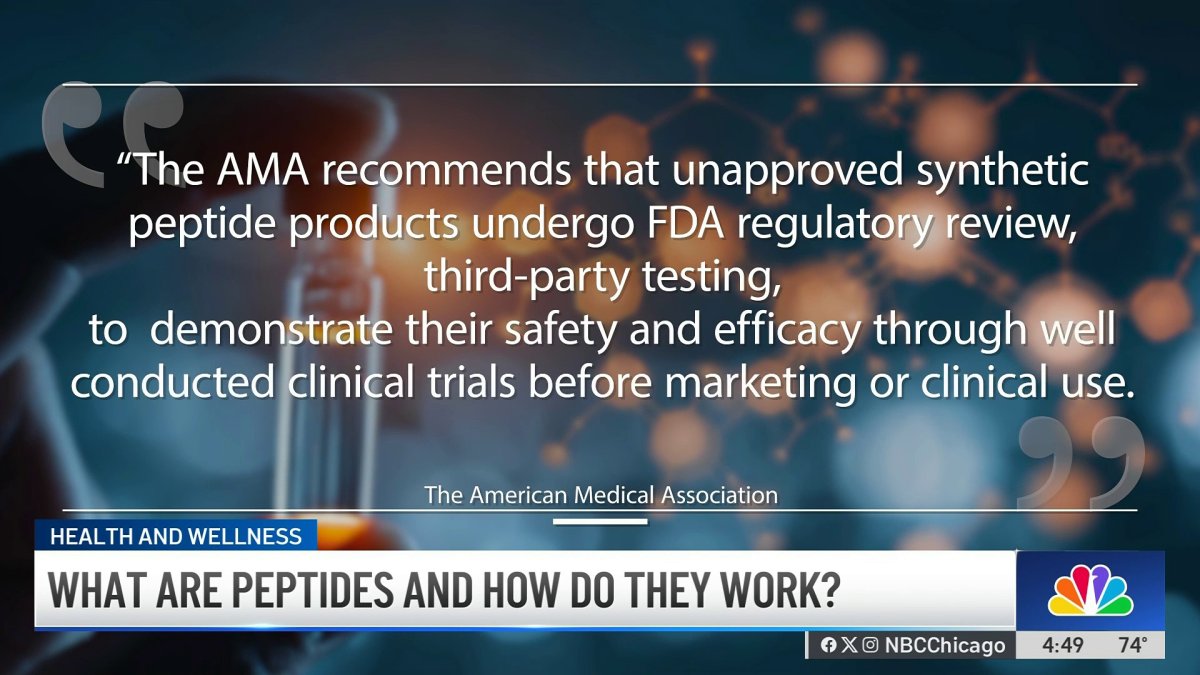
Market Elimination & Category Winnowing: Approximately 60-80% of current peptide sellers operate through unregulated channels without standardized manufacturing practices or clinical evidence. If the FDA approves compounding restrictions with mandatory physician oversight, this eliminates the direct-to-consumer wellness influencer channel that currently drives adoption. The Alliance for Pharmacy Compounding proposes guardrails including vetted ingredient sources and adverse event reporting—requirements that will cost $50,000-150,000 per seller to implement (compliance documentation, quality assurance systems, adverse event tracking infrastructure). Sellers currently marketing peptides through Amazon, Shopify, and wellness platforms face immediate category risk: products may require prescription status, stricter labeling (estimated 2-4 week relabeling cycle), or potential delisting.
Fast-Track Compliance Pathways: Sellers can pursue three regulatory routes: (1) Partner with licensed compounding pharmacies (fastest, 4-8 weeks to market, requires 15-25% revenue share); (2) Pursue clinical validation for specific indications (6-18 months, $500K-2M investment, but creates defensible IP moat); (3) Pivot to complementary categories like amino acid supplements, collagen peptides, or sports nutrition (immediate, zero regulatory friction, 30-40% lower margins). Telehealth platforms like Ivim Health report daily patient inquiries about compounded peptides, indicating strong demand pull that will reward first-movers with physician networks and compliance infrastructure.
Service Gap Opportunities: Compliance service demand is severely underserved. Sellers need: (1) FDA regulatory consulting for peptide classification ($10K-30K per product); (2) Clinical trial coordination and adverse event reporting systems ($50K-100K setup); (3) Compounding pharmacy partnership brokerage (currently no standardized marketplace); (4) Labeling and marketing compliance review for wellness claims (estimated $5K-15K per product). These services represent $2-5B TAM opportunity for compliance-tech platforms targeting the wellness category.
Questions 8
What are the risks of non-compliance if FDA restricts peptide sales?
Non-compliance penalties are severe: (1) Product seizure and delisting from Amazon, Shopify, and other platforms (immediate revenue loss of 40-70% for peptide-focused sellers); (2) FDA warning letters and import detention (estimated 2-4 week fulfillment delays); (3) Civil penalties up to $100K-500K per violation for false health claims; (4) Criminal prosecution for sellers making unapproved drug claims (potential 5-10 year imprisonment for executives); (5) Reputational damage and influencer deplatforming (estimated 30-50% customer acquisition cost increase). The FDA recently restructured its advisory committee roster with many new members having industry ties to peptide companies, but also added academic representatives, indicating balanced approach. However, FDA scientists have recommended against compounding approval, suggesting enforcement intensity may increase. Sellers should immediately audit current peptide listings for health claims compliance and prepare contingency plans for category restrictions. The fastest risk mitigation is pivoting to complementary categories (amino acids, collagen, sports nutrition) within 2-4 weeks while maintaining customer relationships.
How do regulatory pathways differ between US, EU, and other markets for peptides?
The US FDA is currently the most permissive pathway, with potential approval of compounding for seven peptides by late 2026. The EU maintains stricter standards through EMA (European Medicines Agency), requiring full clinical validation for any peptide-based therapeutic claims—estimated 18-36 month timeline and €2-5M investment. China's NMPA (National Medical Products Administration) has approved several peptides (BPC-157 derivatives, TB-500 variants) for specific indications, creating arbitrage opportunities for sellers. Canada's Health Canada maintains middle-ground approach, allowing compounding under provincial pharmacy regulations but requiring adverse event reporting. Singapore and Australia have emerging frameworks favoring compounding pharmacies with physician oversight. Sellers should prioritize US market entry first (fastest compliance pathway), then expand to Canada and Singapore (4-8 week additional compliance), while EU expansion requires 18-36 month clinical validation investment. This geographic arbitrage creates opportunities for sellers to establish US market position before competitors expand internationally.