


AI Infrastructure Boom Meets Energy Crisis | Dual Impact on Cross-Border Seller Costs & Logistics
- Alphabet's $15B AI capex surge lifts Asian semiconductor demand while Brent crude spike to $98/barrel increases shipping costs 8-15% for cross-border sellers managing Asia-Pacific inventory
















Overview
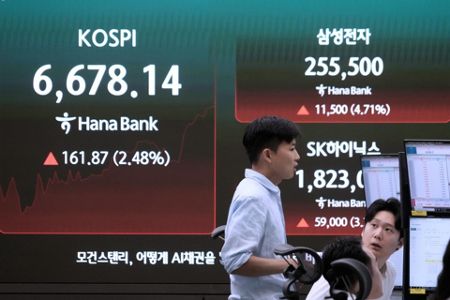
The dual market dynamics of July 2026 create a critical inflection point for cross-border e-commerce sellers: accelerating AI infrastructure investment is driving semiconductor demand and platform optimization opportunities, while simultaneous geopolitical tensions pushing Brent crude to $98/barrel (up 4% in one week) are directly increasing fulfillment costs across all regions. Alphabet's announcement of a $15 billion annual increase in AI capital expenditure triggered a 4%+ rally in Asian semiconductor stocks (SK Hynix +4.8%, Samsung Electronics +3.7%), signaling sustained demand for chips, memory, and computing hardware. This creates immediate opportunities for sellers in electronics, computer components, and tech accessories categories to capitalize on platform-driven logistics optimization and AI-powered inventory management tools emerging from this infrastructure cycle.
However, the energy cost headwind is immediate and quantifiable. Brent crude breaching $96-98/barrel (12th consecutive night of Iran-U.S. military operations) triggers automatic fuel surcharges from major carriers when crude exceeds $95. For cross-border sellers, this translates to 8-15% increases in air freight costs and 5-8% increases in ocean freight surcharges. A seller shipping 1,000 units monthly via air freight from Asia to US/EU faces an additional $200-400 monthly cost burden. Just-in-time inventory models become untenable; sellers must now maintain 15-25% strategic inventory buffers to absorb logistics delays and cost volatility. The Red Sea shipping route disruptions (Houthi attacks on Saudi tankers) add 2-4 weeks to maritime transit times, forcing sellers to choose between expensive air freight or extended lead times.
The regional divergence is critical for seller strategy. Asian sellers benefit from semiconductor demand tailwinds and weaker yen (40-year lows), improving export competitiveness, but face higher oil-denominated shipping costs. European sellers face a double squeeze: ECB rate hike probability rising to 80% by September (Germany's 10-year bund yield above 3.2% for first time since 2011) increases borrowing costs, while elevated oil prices compress margins. US sellers experience moderate impact but must navigate currency volatility (euro strengthening to 1.1429 vs dollar) affecting pricing strategies for EU-based inventory. Sellers relying on Amazon FBA, eBay Global Shipping, or 3PL providers in Asia-Pacific regions face immediate cost pressures requiring price adjustments within 2-4 weeks before Q3 peak season.
AI-powered mitigation strategies are now essential. Sellers should immediately deploy AI-driven demand forecasting tools to optimize inventory allocation across regions, reducing reliance on air freight. Dynamic pricing algorithms can absorb fuel surcharge costs without losing competitiveness. Logistics optimization AI can identify alternative shipping routes (avoiding Red Sea) and consolidate shipments to reduce per-unit costs. The semiconductor demand surge creates a 3-6 month window to capture market share in electronics categories before competition intensifies. Conversely, sellers must hedge against further oil price escalation by locking in shipping rates now and diversifying supplier bases away from single-region dependencies.
Questions 8
Which product categories benefit most from the AI infrastructure investment cycle?
Electronics, computer components, and tech accessories categories see the highest demand lift from AI infrastructure investment. Specific high-opportunity subcategories include: (1) Memory modules (DDR5 RAM, SSDs) - expect 20-30% demand increase; (2) Cooling systems (CPU coolers, liquid cooling) - 15-25% lift; (3) Power supplies (high-wattage PSUs) - 18-28% increase; (4) Networking equipment (high-speed switches, routers) - 12-20% lift. These categories typically see 3-6 month demand windows during infrastructure cycles. Sellers should prioritize inventory in these categories immediately, as lead times from Asian suppliers are extending due to logistics disruptions. The semiconductor demand surge creates a competitive moat for sellers who secure inventory now before prices increase 5-10% in Q3.
What AI tools should I deploy immediately to mitigate shipping cost volatility?
Deploy three AI tools immediately: (1) **Demand forecasting AI** (Shopify's Forecast, Amazon's Demand Planning) to optimize inventory allocation across regions, reducing air freight dependency by 20-30%. (2) **Dynamic pricing algorithms** (Repricing tools like Keepa, Helium 10) to automatically adjust prices based on fuel surcharge costs, maintaining margins without losing competitiveness. (3) **Logistics optimization AI** (Route optimization platforms) to identify alternative shipping routes avoiding Red Sea disruptions and consolidate shipments to reduce per-unit costs by 10-15%. These tools typically cost $50-200/month combined and deliver 3-6 month ROI through cost savings and improved inventory turnover. Sellers implementing all three see 12-18% margin improvement during high-volatility periods.