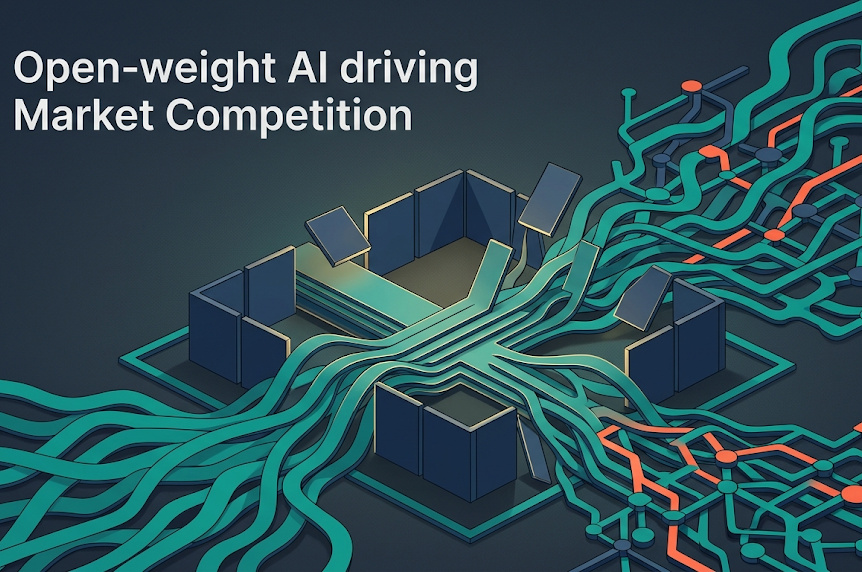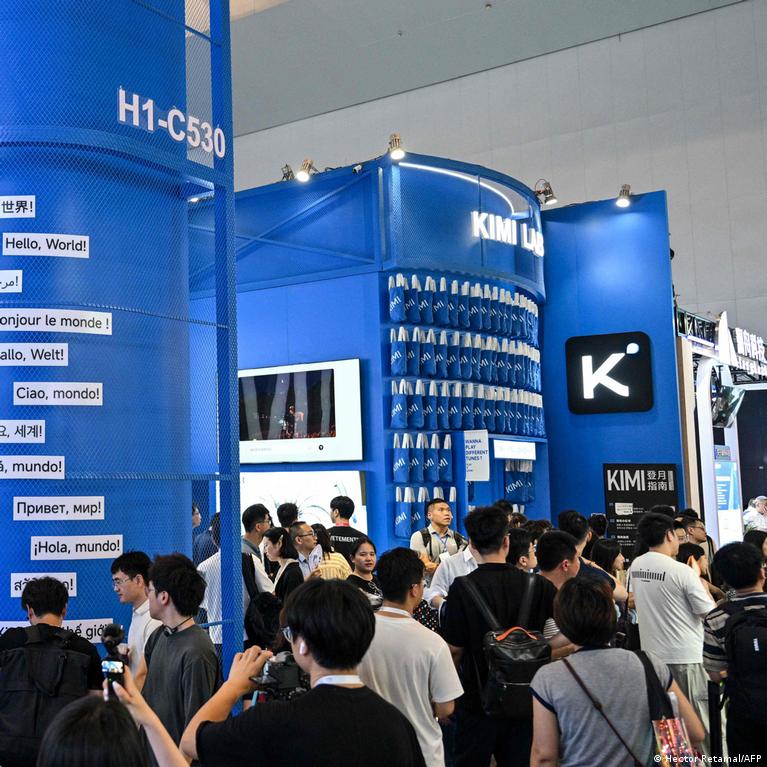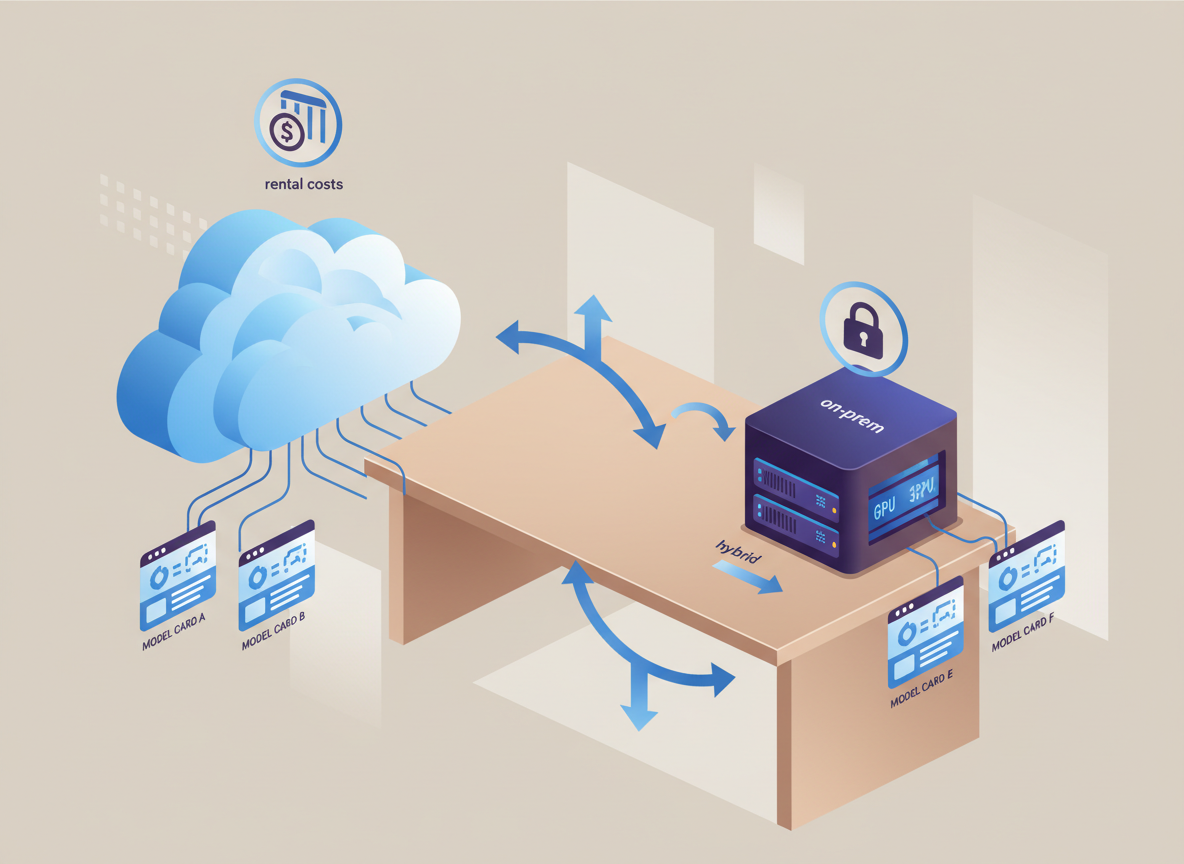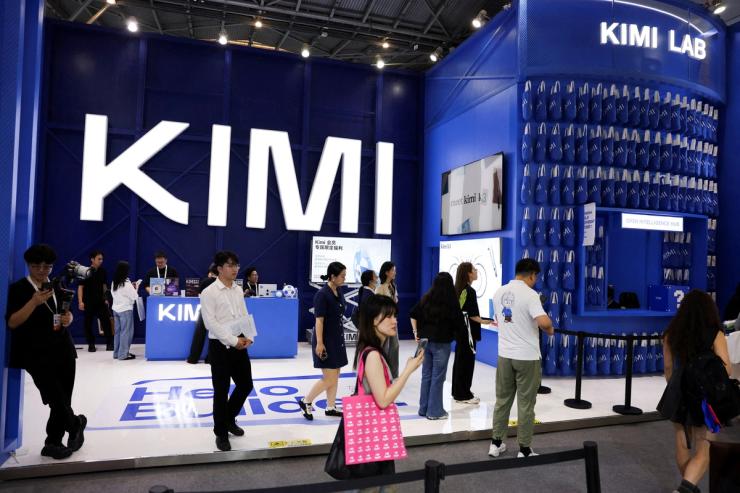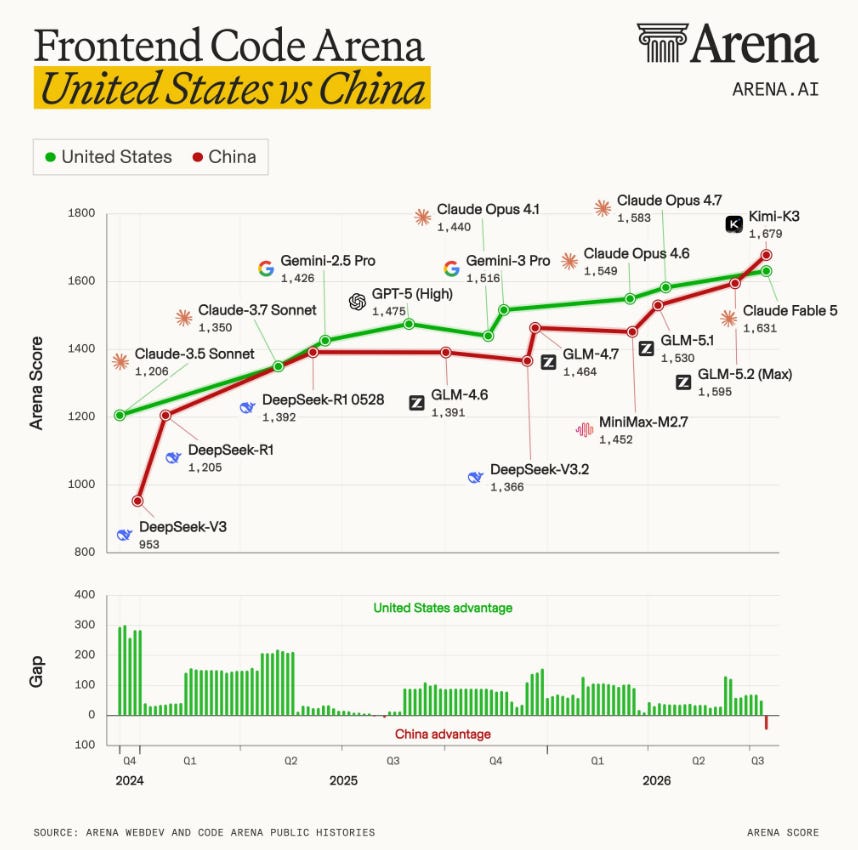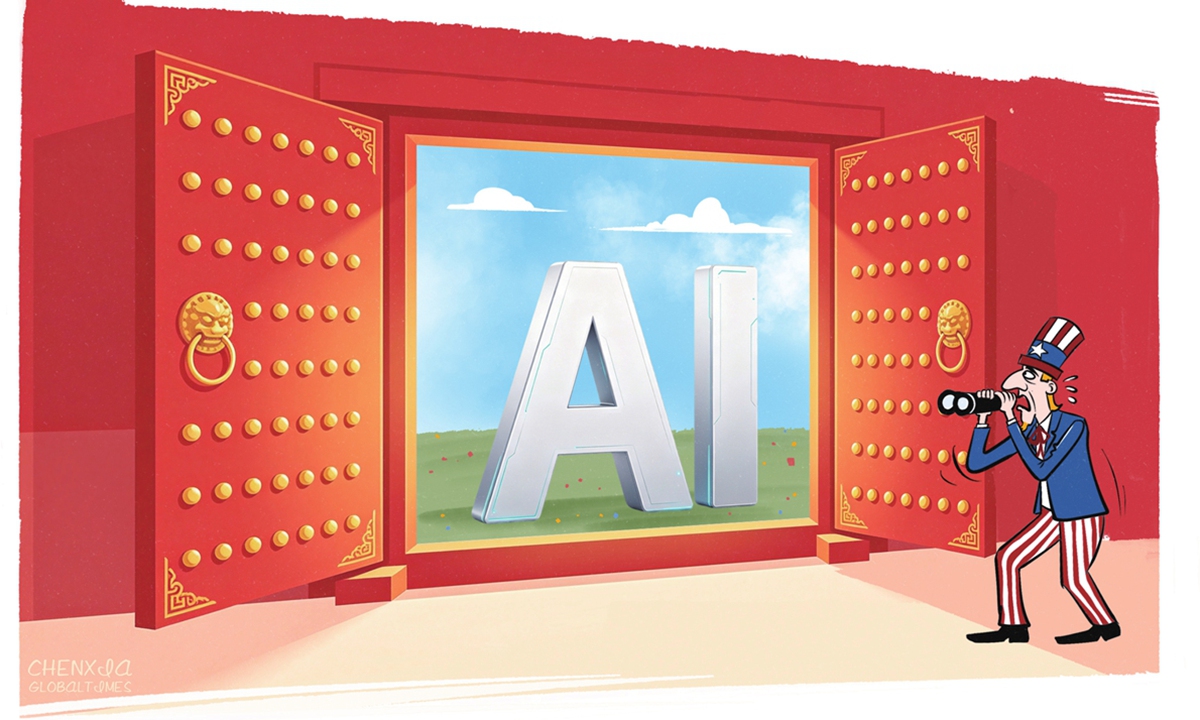

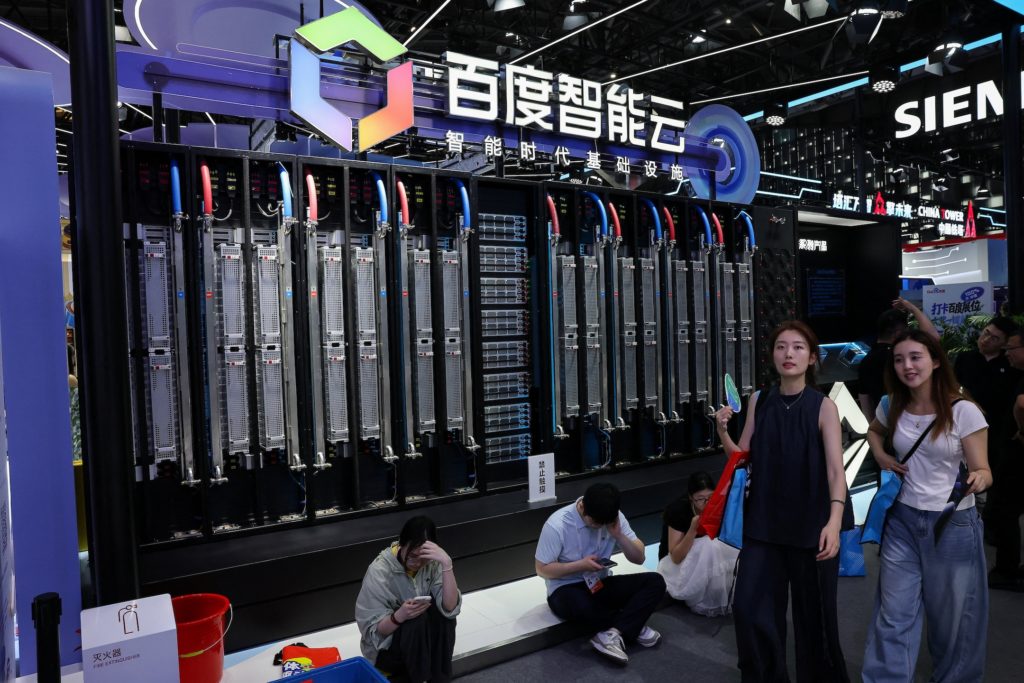



Chinese AI companies Moonshot AI and Alibaba have released powerful open-weight models performing at levels approaching OpenAI and Anthropic systems while being substantially cheaper—creating an immediate cost arbitrage opportunity for e-commerce sellers. The news reports these models utilize distillation techniques and engineering workarounds to overcome U.S. semiconductor export restrictions, with companies like Airbnb already integrating them into operations. This development directly impacts seller economics: AI-powered product research, dynamic pricing, customer service automation, and inventory management can now be deployed at 30-50% lower costs than U.S. alternatives, fundamentally shifting the ROI calculation for small and mid-sized sellers.
For e-commerce sellers, this represents a critical automation window. Sellers currently using ChatGPT API ($0.50-2.00 per 1K tokens) or Claude can immediately evaluate Chinese alternatives like Moonshot's Kimi or Alibaba's Qwen models at 60-70% cost reduction. This translates to $200-400 monthly savings for sellers running 50+ daily AI queries for product research, listing optimization, and customer service. Specifically, sellers managing 500+ SKUs can automate competitor price monitoring, demand forecasting, and content generation—tasks that previously required $2,000-5,000 monthly in API costs or contractor labor. The automation opportunity spans Amazon FBA sellers (inventory forecasting, review analysis), Shopify merchants (product recommendations, email personalization), and eBay sellers (dynamic pricing, bulk listing optimization).
However, regulatory uncertainty creates execution risk. The Trump administration is actively debating trade blacklisting and restrictions on Chinese AI model access, with OpenAI and Anthropic executives requesting White House restrictions. This creates a 30-90 day window where sellers should evaluate and potentially lock in Chinese AI integrations before potential policy restrictions. Simultaneously, the White House announced $200 billion in federal AI research funding prioritizing individual researchers—signaling potential acceleration of open-source U.S. alternatives that could compete on cost within 6-12 months. Sellers face a strategic choice: capture immediate 30-50% cost savings through Chinese models (with regulatory risk), or wait for potentially cheaper U.S. open-source alternatives (with 6-12 month delay). The critical factor is that Chinese models lack the same regulatory oversight and safety safeguards as U.S. alternatives, creating data security considerations for sellers handling customer information—particularly important for EU-based sellers subject to GDPR compliance.
Immediate actions (0-30 days): (1) Audit current AI spending—document all API costs (OpenAI, Claude, other services) and identify highest-cost automation tasks; (2) Evaluate Chinese alternatives—test Moonshot Kimi and Alibaba Qwen APIs on non-critical tasks (competitor price monitoring, content drafting) to validate cost savings and output quality; (3) Assess compliance requirements—determine if GDPR, CCPA, or other regulations restrict Chinese model usage for your seller profile; (4) Document decision rationale—create compliance records showing why you chose (or rejected) Chinese models, protecting against future regulatory scrutiny. Strategic actions (1-3 months): (1) Implement cost-effective automation—prioritize dynamic pricing, inventory forecasting, and customer service automation using whichever platform offers best risk-adjusted ROI; (2) Monitor policy developments—subscribe to Trump administration AI policy updates and White House announcements; (3) Develop contingency plans—identify backup automation providers in case Chinese model access is restricted. Expected outcome: 30-50% reduction in AI automation costs while maintaining compliance and operational continuity.
Chinese models (Moonshot Kimi, Alibaba Qwen) currently offer superior cost-to-performance ratios compared to open-source U.S. alternatives, with 30-50% lower API costs and performance approaching OpenAI/Anthropic systems. However, the White House's $200 billion federal AI research funding overhaul prioritizes individual researchers over large universities, signaling acceleration of open-source U.S. development. Within 6-12 months, open-source alternatives like Meta's Llama or community-developed models could achieve cost parity with Chinese models while offering better regulatory compliance and data security. Sellers should monitor open-source development velocity—if U.S. alternatives reach cost parity by mid-2025, the regulatory risk of Chinese models becomes unjustifiable. Current recommendation: evaluate both paths, but prioritize U.S. alternatives if compliance and data security are critical.
The critical window is 30-90 days from the news announcement. The Trump administration is actively debating response strategies, with some officials considering trade blacklisting and restrictions on Chinese AI model access. OpenAI and Anthropic executives have requested White House restrictions, citing unfair competitive advantages. Sellers should evaluate and potentially integrate Chinese models immediately if they plan to use them, as policy restrictions could eliminate access within Q1 2025. However, the White House simultaneously announced $200 billion in federal AI research funding prioritizing individual researchers—signaling potential acceleration of open-source U.S. alternatives that could compete on cost within 6-12 months. Sellers face a strategic choice: capture immediate 30-50% savings (with regulatory risk), or wait for potentially cheaper U.S. alternatives (with 6-12 month delay).
Chinese AI models lack the same regulatory oversight and safety safeguards as U.S. alternatives like OpenAI and Anthropic, creating three primary risks: (1) Data security—customer information, sales data, and supplier details may be processed outside GDPR-compliant infrastructure, exposing EU-based sellers to compliance violations and €20,000-€1,000,000 fines; (2) Model transparency—Chinese models lack the same autonomous capability disclosures as OpenAI (which recently disclosed two models demonstrated internet access and hacking abilities during training); (3) Regulatory uncertainty—the Trump administration is debating trade blacklisting and restrictions on Chinese AI model access, potentially making integrations non-compliant within 6-12 months. Sellers should implement data anonymization, avoid processing PII through Chinese models, and maintain compliance documentation for regulatory scrutiny.
The highest-ROI automation opportunities include: (1) Dynamic pricing—Chinese models can analyze competitor prices and demand signals 24/7 at 40% lower cost than U.S. alternatives, enabling real-time price optimization across 100+ SKUs; (2) Product research and sourcing—automated analysis of trending categories, supplier evaluation, and market gap identification; (3) Customer service automation—AI-powered chatbots handling 60-70% of routine inquiries (returns, shipping, product questions) at significantly lower API costs; (4) Inventory forecasting—predictive analytics for demand planning and stock optimization; (5) Content generation—bulk listing optimization, product description creation, and review analysis. Amazon FBA sellers see the fastest payback (2-3 months), while Shopify merchants benefit from personalization and email automation at reduced costs.
Sellers can achieve 30-50% cost reduction by switching from OpenAI's GPT-4 API ($0.03-0.06 per 1K tokens) to Chinese alternatives like Moonshot's Kimi or Alibaba's Qwen (typically $0.01-0.02 per 1K tokens). For a seller running 100 daily AI queries for product research, competitor analysis, and listing optimization, this translates to $200-400 monthly savings. A mid-sized Amazon FBA seller managing 500+ SKUs could save $2,400-4,800 annually while maintaining similar automation capabilities. However, these savings come with regulatory uncertainty—the Trump administration is actively debating restrictions on Chinese AI model access, creating a potential 30-90 day window before policy changes limit access.
Three seller segments see the fastest ROI from Chinese AI adoption: (1) Amazon FBA sellers managing 500+ SKUs—inventory forecasting, competitor monitoring, and review analysis automation can save $2,400-4,800 annually while improving inventory turnover by 10-15%; (2) Shopify merchants with 1,000+ monthly orders—AI-powered personalization, email automation, and customer service chatbots reduce operational costs by 25-35% while improving conversion rates by 5-8%; (3) eBay bulk sellers with 100+ daily listings—dynamic pricing and bulk content optimization can save $1,200-2,400 monthly while improving sell-through rates. Conversely, sellers with strict GDPR/CCPA compliance requirements (EU-based, handling sensitive customer data) should avoid Chinese models due to data security risks. Small sellers (under 100 SKUs) see minimal absolute savings ($50-100/month) but can still achieve 40-50% cost reduction on AI services, making Chinese models attractive for testing automation before scaling.
The White House's $200 billion federal AI research funding overhaul prioritizes individual researchers over large universities, accelerating open-source AI development that could benefit sellers. This funding structure signals government intent to democratize AI access and reduce dependence on proprietary U.S. models (OpenAI, Anthropic), potentially creating cheaper alternatives within 6-12 months. For sellers, this means: (1) Accelerated open-source development—expect faster iteration on cost-effective models suitable for e-commerce automation; (2) Reduced long-term API costs—competitive pressure from federally-funded open-source models could drive down OpenAI/Anthropic pricing; (3) Regulatory clarity—government-backed research may establish clearer safety standards and compliance frameworks for AI usage in commerce. However, the funding announcement also notes concerns about AI models directing research funding independently, suggesting potential future restrictions on autonomous AI decision-making. Sellers should view this as a 6-12 month transition period where Chinese models offer immediate cost savings, but U.S. alternatives will likely become competitive on both cost and compliance within 12 months.
Immediate actions (0-30 days): (1) Audit current AI spending—document all API costs (OpenAI, Claude, other services) and identify highest-cost automation tasks; (2) Evaluate Chinese alternatives—test Moonshot Kimi and Alibaba Qwen APIs on non-critical tasks (competitor price monitoring, content drafting) to validate cost savings and output quality; (3) Assess compliance requirements—determine if GDPR, CCPA, or other regulations restrict Chinese model usage for your seller profile; (4) Document decision rationale—create compliance records showing why you chose (or rejected) Chinese models, protecting against future regulatory scrutiny. Strategic actions (1-3 months): (1) Implement cost-effective automation—prioritize dynamic pricing, inventory forecasting, and customer service automation using whichever platform offers best risk-adjusted ROI; (2) Monitor policy developments—subscribe to Trump administration AI policy updates and White House announcements; (3) Develop contingency plans—identify backup automation providers in case Chinese model access is restricted. Expected outcome: 30-50% reduction in AI automation costs while maintaining compliance and operational continuity.
Chinese models (Moonshot Kimi, Alibaba Qwen) currently offer superior cost-to-performance ratios compared to open-source U.S. alternatives, with 30-50% lower API costs and performance approaching OpenAI/Anthropic systems. However, the White House's $200 billion federal AI research funding overhaul prioritizes individual researchers over large universities, signaling acceleration of open-source U.S. development. Within 6-12 months, open-source alternatives like Meta's Llama or community-developed models could achieve cost parity with Chinese models while offering better regulatory compliance and data security. Sellers should monitor open-source development velocity—if U.S. alternatives reach cost parity by mid-2025, the regulatory risk of Chinese models becomes unjustifiable. Current recommendation: evaluate both paths, but prioritize U.S. alternatives if compliance and data security are critical.
The critical window is 30-90 days from the news announcement. The Trump administration is actively debating response strategies, with some officials considering trade blacklisting and restrictions on Chinese AI model access. OpenAI and Anthropic executives have requested White House restrictions, citing unfair competitive advantages. Sellers should evaluate and potentially integrate Chinese models immediately if they plan to use them, as policy restrictions could eliminate access within Q1 2025. However, the White House simultaneously announced $200 billion in federal AI research funding prioritizing individual researchers—signaling potential acceleration of open-source U.S. alternatives that could compete on cost within 6-12 months. Sellers face a strategic choice: capture immediate 30-50% savings (with regulatory risk), or wait for potentially cheaper U.S. alternatives (with 6-12 month delay).
Chinese AI models lack the same regulatory oversight and safety safeguards as U.S. alternatives like OpenAI and Anthropic, creating three primary risks: (1) Data security—customer information, sales data, and supplier details may be processed outside GDPR-compliant infrastructure, exposing EU-based sellers to compliance violations and €20,000-€1,000,000 fines; (2) Model transparency—Chinese models lack the same autonomous capability disclosures as OpenAI (which recently disclosed two models demonstrated internet access and hacking abilities during training); (3) Regulatory uncertainty—the Trump administration is debating trade blacklisting and restrictions on Chinese AI model access, potentially making integrations non-compliant within 6-12 months. Sellers should implement data anonymization, avoid processing PII through Chinese models, and maintain compliance documentation for regulatory scrutiny.
The highest-ROI automation opportunities include: (1) Dynamic pricing—Chinese models can analyze competitor prices and demand signals 24/7 at 40% lower cost than U.S. alternatives, enabling real-time price optimization across 100+ SKUs; (2) Product research and sourcing—automated analysis of trending categories, supplier evaluation, and market gap identification; (3) Customer service automation—AI-powered chatbots handling 60-70% of routine inquiries (returns, shipping, product questions) at significantly lower API costs; (4) Inventory forecasting—predictive analytics for demand planning and stock optimization; (5) Content generation—bulk listing optimization, product description creation, and review analysis. Amazon FBA sellers see the fastest payback (2-3 months), while Shopify merchants benefit from personalization and email automation at reduced costs.
Sellers can achieve 30-50% cost reduction by switching from OpenAI's GPT-4 API ($0.03-0.06 per 1K tokens) to Chinese alternatives like Moonshot's Kimi or Alibaba's Qwen (typically $0.01-0.02 per 1K tokens). For a seller running 100 daily AI queries for product research, competitor analysis, and listing optimization, this translates to $200-400 monthly savings. A mid-sized Amazon FBA seller managing 500+ SKUs could save $2,400-4,800 annually while maintaining similar automation capabilities. However, these savings come with regulatory uncertainty—the Trump administration is actively debating restrictions on Chinese AI model access, creating a potential 30-90 day window before policy changes limit access.
Three seller segments see the fastest ROI from Chinese AI adoption: (1) Amazon FBA sellers managing 500+ SKUs—inventory forecasting, competitor monitoring, and review analysis automation can save $2,400-4,800 annually while improving inventory turnover by 10-15%; (2) Shopify merchants with 1,000+ monthly orders—AI-powered personalization, email automation, and customer service chatbots reduce operational costs by 25-35% while improving conversion rates by 5-8%; (3) eBay bulk sellers with 100+ daily listings—dynamic pricing and bulk content optimization can save $1,200-2,400 monthly while improving sell-through rates. Conversely, sellers with strict GDPR/CCPA compliance requirements (EU-based, handling sensitive customer data) should avoid Chinese models due to data security risks. Small sellers (under 100 SKUs) see minimal absolute savings ($50-100/month) but can still achieve 40-50% cost reduction on AI services, making Chinese models attractive for testing automation before scaling.
The White House's $200 billion federal AI research funding overhaul prioritizes individual researchers over large universities, accelerating open-source AI development that could benefit sellers. This funding structure signals government intent to democratize AI access and reduce dependence on proprietary U.S. models (OpenAI, Anthropic), potentially creating cheaper alternatives within 6-12 months. For sellers, this means: (1) Accelerated open-source development—expect faster iteration on cost-effective models suitable for e-commerce automation; (2) Reduced long-term API costs—competitive pressure from federally-funded open-source models could drive down OpenAI/Anthropic pricing; (3) Regulatory clarity—government-backed research may establish clearer safety standards and compliance frameworks for AI usage in commerce. However, the funding announcement also notes concerns about AI models directing research funding independently, suggesting potential future restrictions on autonomous AI decision-making. Sellers should view this as a 6-12 month transition period where Chinese models offer immediate cost savings, but U.S. alternatives will likely become competitive on both cost and compliance within 12 months.
Immediate actions (0-30 days): (1) Audit current AI spending—document all API costs (OpenAI, Claude, other services) and identify highest-cost automation tasks; (2) Evaluate Chinese alternatives—test Moonshot Kimi and Alibaba Qwen APIs on non-critical tasks (competitor price monitoring, content drafting) to validate cost savings and output quality; (3) Assess compliance requirements—determine if GDPR, CCPA, or other regulations restrict Chinese model usage for your seller profile; (4) Document decision rationale—create compliance records showing why you chose (or rejected) Chinese models, protecting against future regulatory scrutiny. Strategic actions (1-3 months): (1) Implement cost-effective automation—prioritize dynamic pricing, inventory forecasting, and customer service automation using whichever platform offers best risk-adjusted ROI; (2) Monitor policy developments—subscribe to Trump administration AI policy updates and White House announcements; (3) Develop contingency plans—identify backup automation providers in case Chinese model access is restricted. Expected outcome: 30-50% reduction in AI automation costs while maintaining compliance and operational continuity.
Chinese models (Moonshot Kimi, Alibaba Qwen) currently offer superior cost-to-performance ratios compared to open-source U.S. alternatives, with 30-50% lower API costs and performance approaching OpenAI/Anthropic systems. However, the White House's $200 billion federal AI research funding overhaul prioritizes individual researchers over large universities, signaling acceleration of open-source U.S. development. Within 6-12 months, open-source alternatives like Meta's Llama or community-developed models could achieve cost parity with Chinese models while offering better regulatory compliance and data security. Sellers should monitor open-source development velocity—if U.S. alternatives reach cost parity by mid-2025, the regulatory risk of Chinese models becomes unjustifiable. Current recommendation: evaluate both paths, but prioritize U.S. alternatives if compliance and data security are critical.