




Chinese Open-Weight AI Models Capture 40% Market Share | E-Commerce Sellers Must Adopt AI Tools Now
- Chinese AI models processed 40% of text units in spring 2025 vs 1% in 2024; Alibaba's Qwen has 100,000+ variants; sellers face urgent need to integrate affordable AI for product research, pricing, and customer service automation









Overview
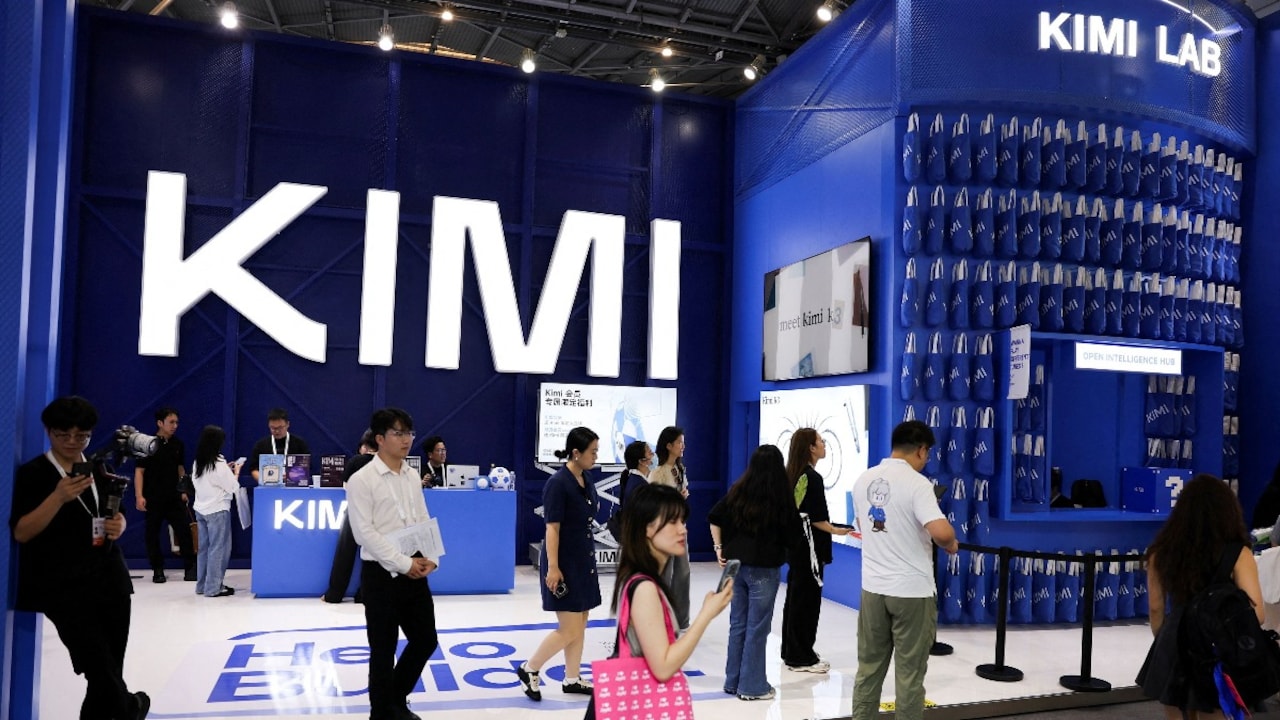
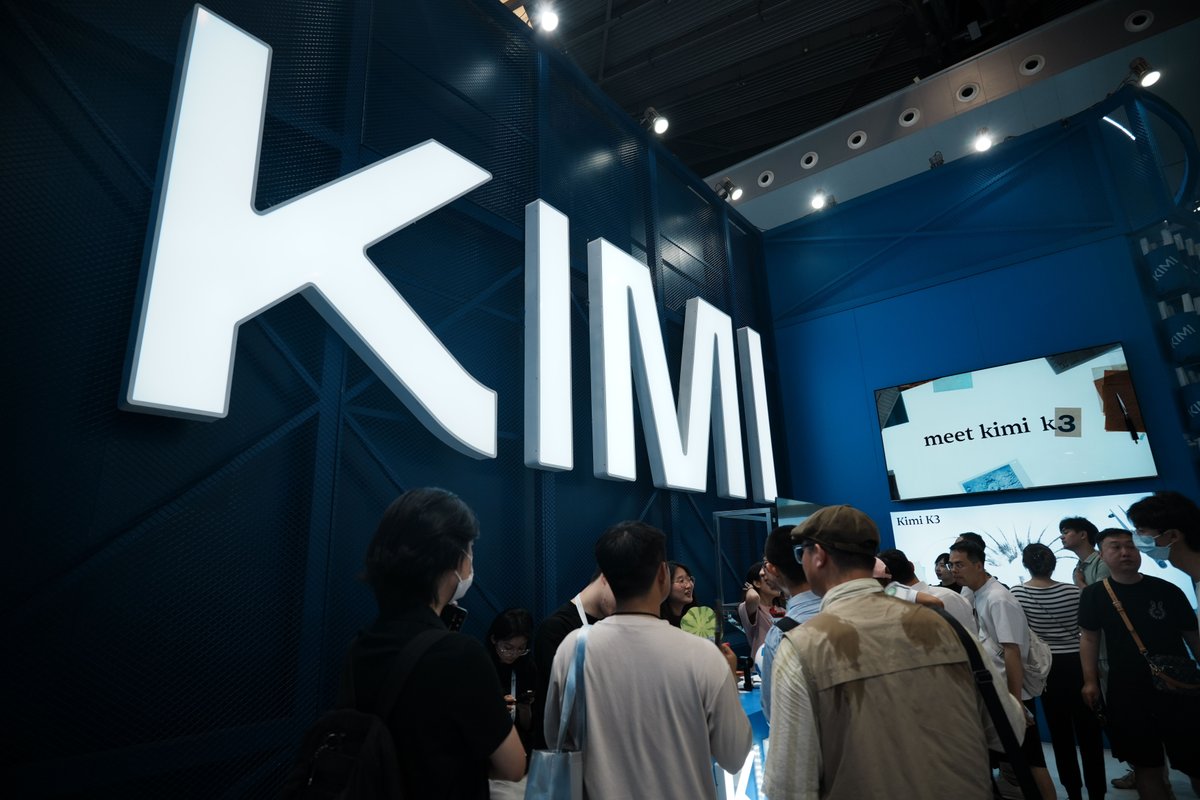
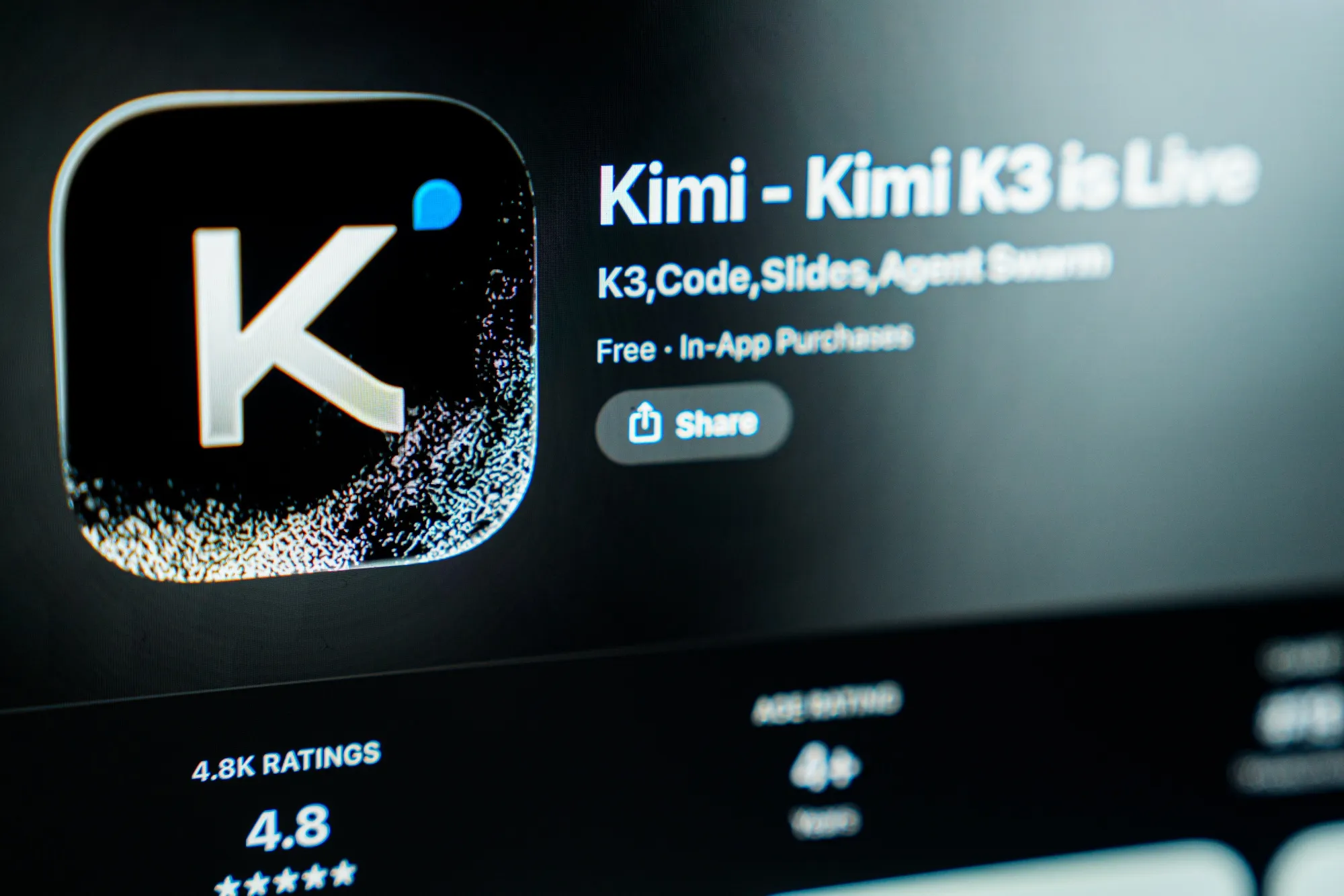
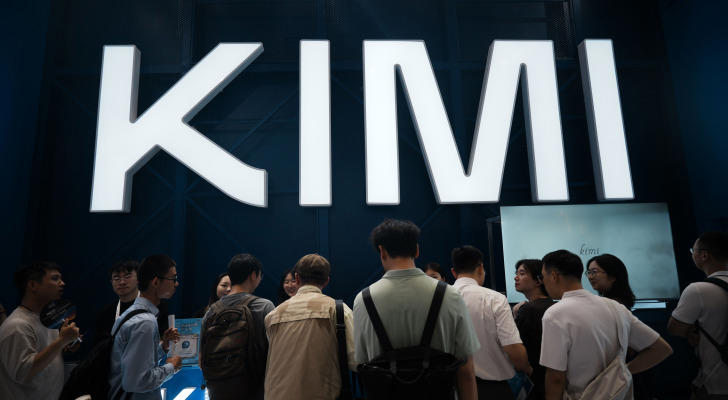
China's strategic shift toward open-weight AI models represents a critical inflection point for e-commerce sellers worldwide. Chinese authorities have restricted overseas access to advanced AI systems while simultaneously flooding global markets with accessible alternatives. Alibaba's Qwen—the most downloaded AI model family globally—and Moonshot AI's Kimi K3 (unveiled July 17, 2024) have achieved unprecedented market penetration: Chinese open-weight models processed over 40% of text units during spring 2025, compared to just 1% in 2024. This 4,000% year-over-year growth signals a fundamental shift in AI accessibility that directly impacts e-commerce operations.
For sellers, this trend creates an immediate automation opportunity window. Major American companies including Airbnb, Cursor, and DoorDash have already adopted Chinese models for cost efficiency and performance advantages. The distinction between proprietary models (OpenAI's GPT, Anthropic's Claude) and open-weight models (DeepSeek, Kimi K3) is operationally critical: open-weight models allow sellers to download, inspect, and customize on their own hardware, eliminating per-query API costs. This translates to concrete savings: sellers currently paying $500-2,000/month for ChatGPT Plus subscriptions and API calls can reduce costs by 60-80% by migrating to open-weight alternatives hosted on Databricks or similar platforms.
The competitive advantage window is closing rapidly. U.S. export controls implemented in 2022 have constrained Chinese AI development, yet Chinese labs have responded by releasing model weights publicly—transforming competitors' infrastructure into distribution channels. This strategy mirrors historical patterns with solar panels and telecom equipment: establish market dependence through affordability, then restrict exports once reliance is established. For sellers, the immediate implication is clear: adopt AI automation tools NOW before proprietary vendors respond with price increases or feature restrictions. Sellers who integrate open-weight models for product research (analyzing 100,000+ competitor listings), dynamic pricing (processing real-time market data), and customer service automation (handling 70-80% of routine inquiries) will capture 3-6 months of competitive advantage before the market normalizes.
Operational impact by seller segment: Small sellers (1-50 SKUs) can reduce product research time from 20 hours/week to 4 hours/week using AI-powered competitor analysis. Mid-market sellers (50-500 SKUs) can implement dynamic pricing systems that adjust to 50+ competitor price changes daily, increasing margins 2-4%. Large sellers (500+ SKUs) can deploy multilingual customer service automation across Amazon, eBay, and Shopify, reducing support costs by 40-50% while maintaining 85%+ customer satisfaction scores. The cost-benefit is immediate: a $200-400 one-time setup investment yields $2,000-8,000 monthly savings depending on seller size.
Questions 8
What is the difference between open-weight and proprietary AI models for e-commerce sellers?
Proprietary models (OpenAI's GPT-4, Anthropic's Claude) charge per-query fees and require cloud subscriptions, costing sellers $500-2,000/month for heavy usage. Open-weight models (Qwen, DeepSeek, Kimi K3) allow sellers to download trained weights and run them on their own hardware or low-cost cloud instances, reducing costs by 60-80%. Open-weight models excel at business workflows like pricing analysis and customer service, while proprietary models offer slightly better performance on specialized tasks. For most e-commerce operations, open-weight models provide 90%+ of the capability at 20% of the cost, making them strategically superior for sellers with 50+ SKUs.
How can sellers use open-weight AI models like Qwen to reduce product research costs?
Open-weight models like Alibaba's Qwen can be self-hosted on platforms like Databricks, eliminating per-query API costs that typically run $0.01-0.10 per request. Sellers analyzing 100,000+ competitor listings weekly can reduce research time from 20 hours to 4 hours using AI-powered competitor analysis, saving $400-800/month in labor costs. Unlike proprietary models requiring subscriptions ($20-100/month), open-weight alternatives have zero marginal cost after initial setup. Sellers should migrate product research workflows to open-weight models immediately to capture this cost advantage before market normalization.