


ECB September Rate Hike Signals 0.25% Increase | Cross-Border Seller Financing Impact
- Market traders expect September 2026 rate hike amid 2.8% eurozone inflation; working capital costs rise 8-15% for European sellers




































Overview
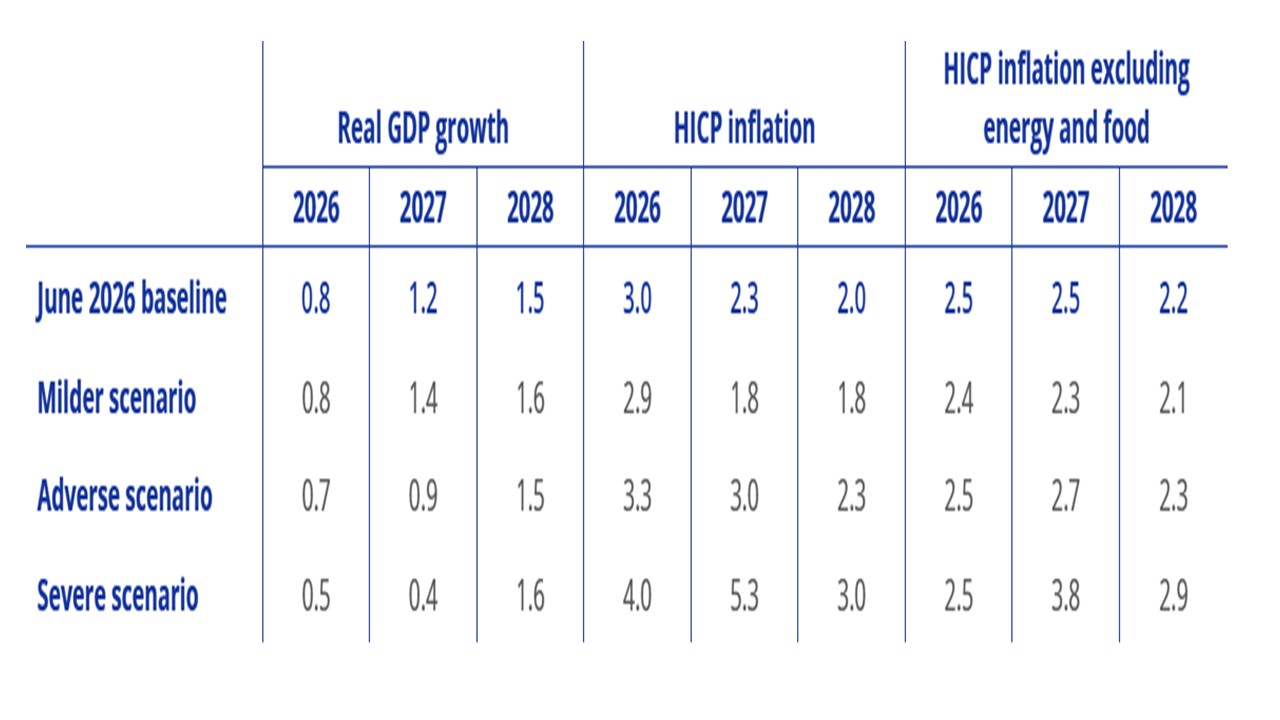
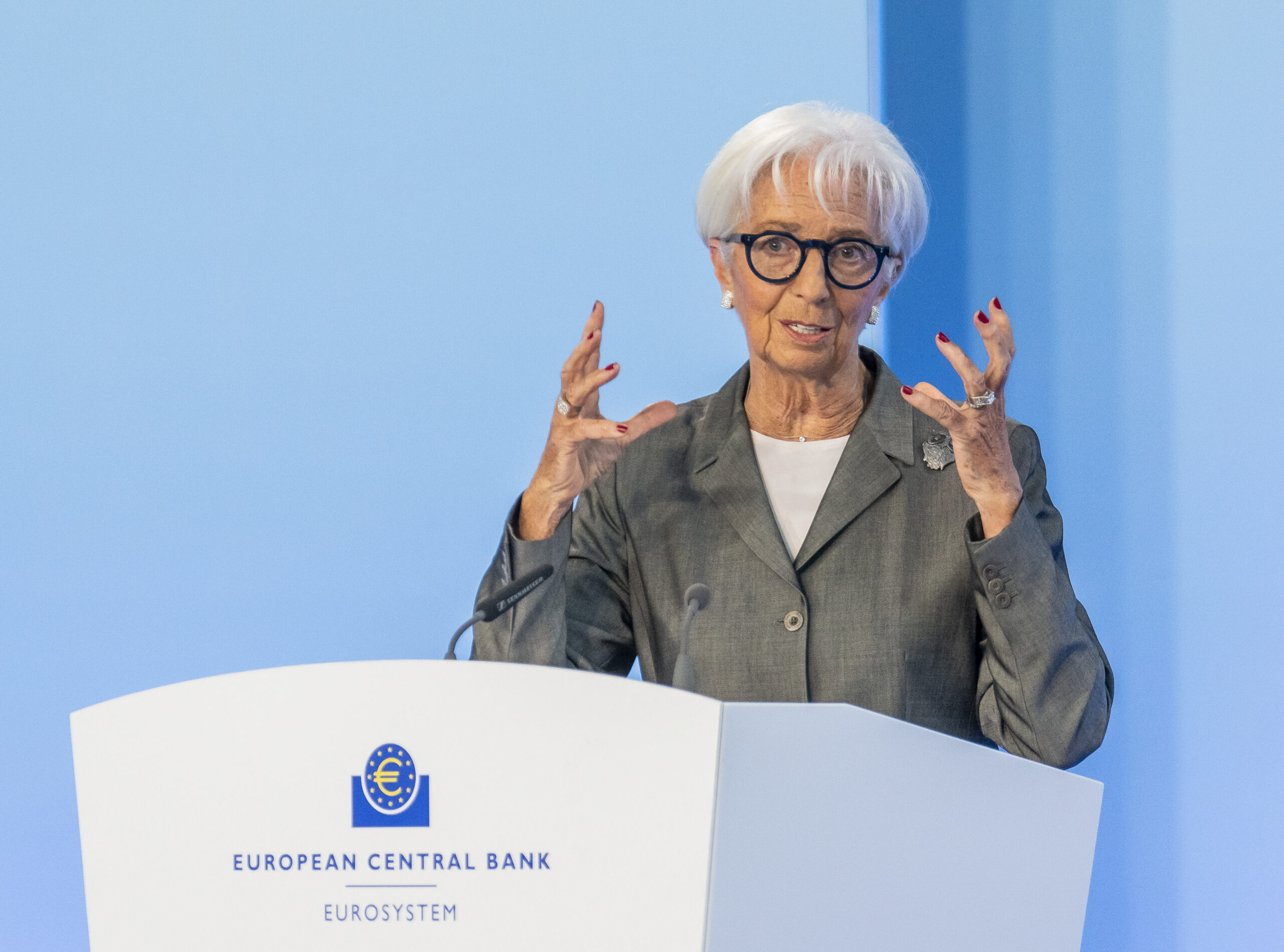
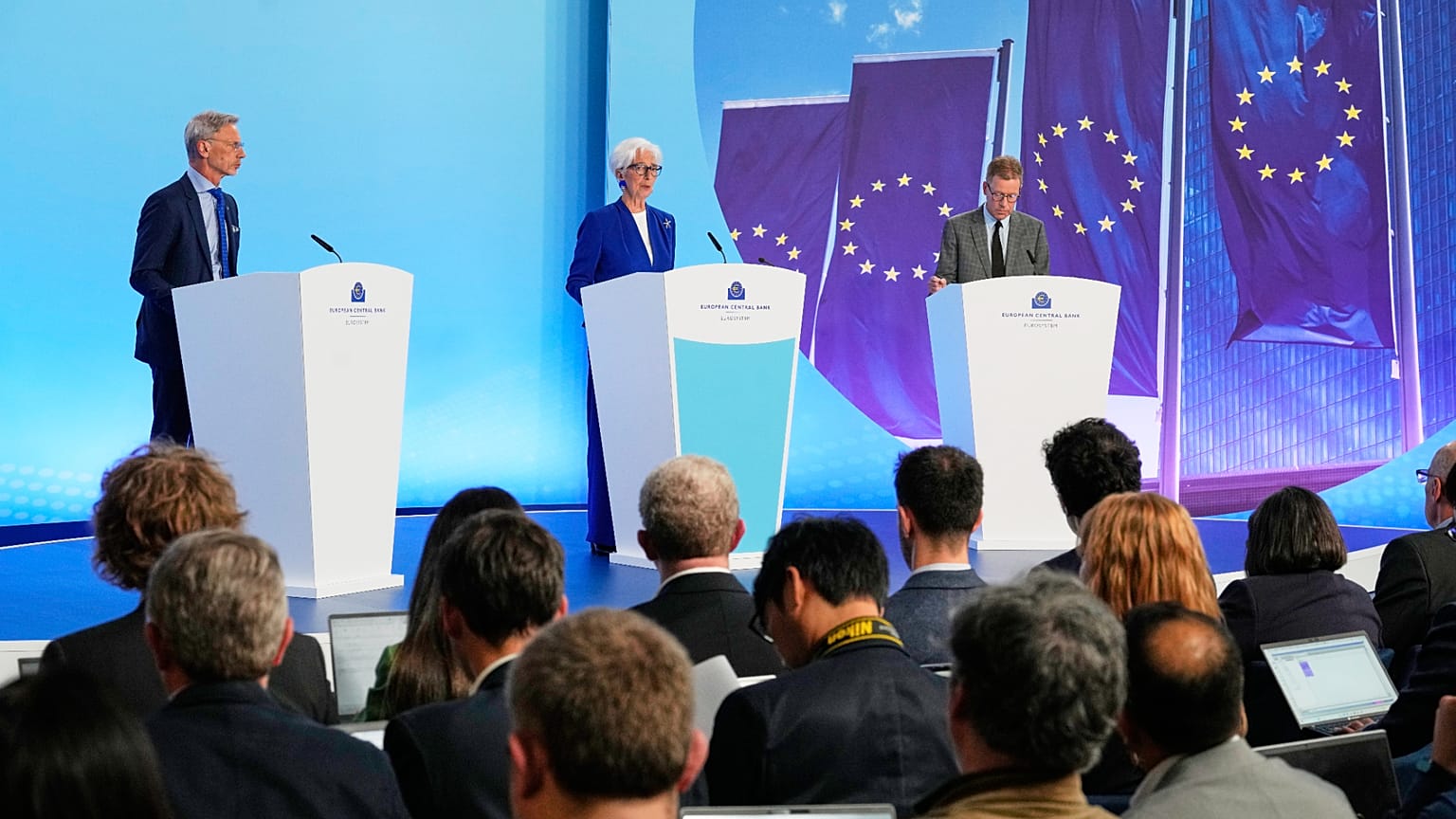
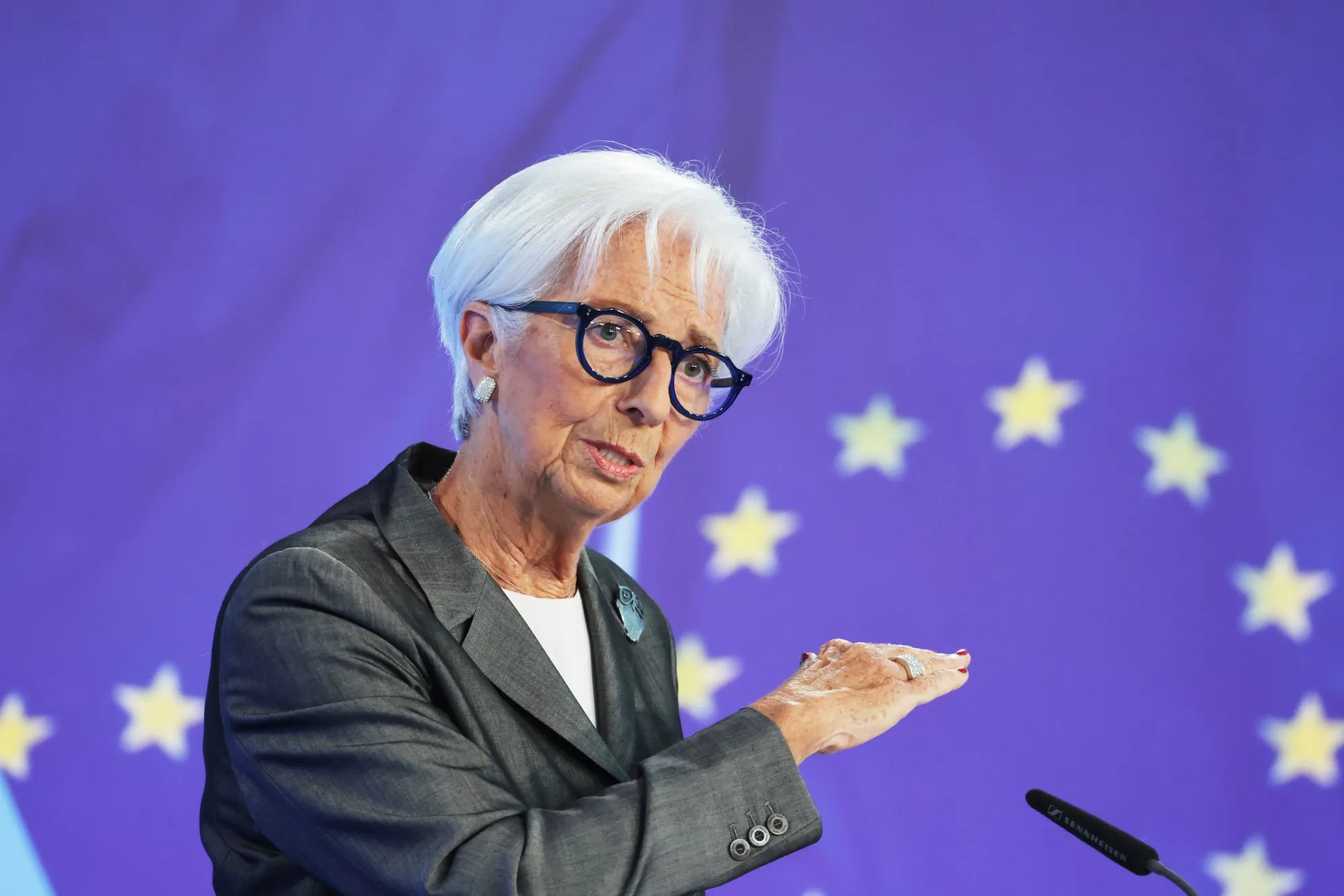
The European Central Bank's July 23, 2026 decision to hold rates at 2.25% masks a critical shift: market traders now expect a 0.25% rate hike in September 2026, according to Aviva Investors and Quilter Cheviot analysts. ECB President Christine Lagarde warned that renewed Middle East hostilities and oil price increases pose "significant upside risks" to eurozone inflation, which eased to 2.8% in June from 3.2% in May but remains well above the ECB's 2% medium-term target through H1 2027. This monetary tightening cycle directly impacts cross-border e-commerce sellers operating in the 27-member eurozone through three critical financial channels.
Working Capital Financing Costs Rise 8-15% for European Sellers: The anticipated September rate hike will increase borrowing costs for inventory financing, trade credit lines, and short-term working capital facilities. Sellers currently accessing euro-denominated financing at 4.5-5.5% APR should expect rates to climb to 4.75-5.75% post-hike, compressing margins by 25-50 basis points on inventory turns. For a mid-sized seller carrying €500K in inventory financed through supply chain loans, this translates to €1,250-2,500 in additional annual financing costs. Invoice factoring and supply chain finance products—increasingly popular among cross-border sellers—will see APR increases of 0.25-0.50%, making early payment discounts less attractive and extending cash conversion cycles by 5-10 days.
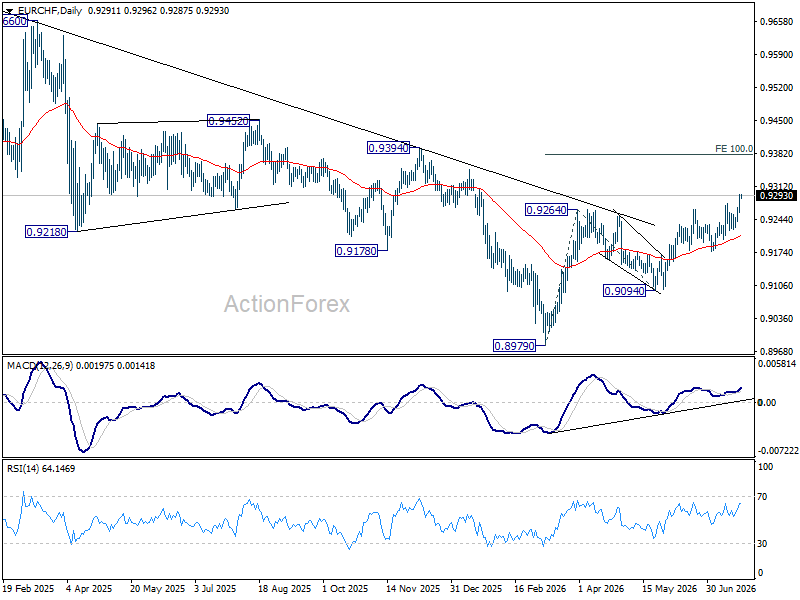
Currency Volatility Creates FX Hedging Costs & Pricing Pressure: The ECB's rate-raising stance throughout 2026 (per Richard Carter, Quilter Cheviot) will strengthen the euro against USD and GBP, benefiting sellers exporting from the eurozone but pressuring those importing goods priced in dollars. EUR/USD volatility is expected to increase 15-25% in the weeks surrounding the September decision, raising hedging costs from 0.15-0.25% to 0.30-0.40% of transaction value for sellers using forward contracts or options. Sellers with significant USD-denominated supplier costs (electronics, apparel, home goods) should lock in FX rates immediately before September, as post-hike volatility will make hedging more expensive. The energy price shock driving inflation (Iran war impact) creates additional currency basis risk, as oil-denominated supply chain costs fluctuate independently of ECB policy.
Consumer Spending Compression Reduces Demand Across 27 EU Markets: Higher ECB rates reduce consumer purchasing power throughout the eurozone by increasing mortgage costs, auto loan rates, and credit card APRs. Historical data shows 0.25% rate hikes reduce consumer discretionary spending by 2-4% within 6-8 weeks, particularly in categories like electronics, apparel, and home goods. Sellers should anticipate Q4 2026 demand softening in price-sensitive categories (budget electronics, fast fashion, home décor) while premium and essential categories (beauty, health, specialty foods) remain more resilient. The ECB's inflation projection of above-2% through H1 2027 signals sustained rate pressure, making this a multi-quarter headwind rather than a temporary adjustment.
Questions 8
How does the ECB's inflation projection through H1 2027 affect my pricing strategy?
The ECB projects inflation above 2% through H1 2027, signaling sustained rate pressure and 2-3 additional hikes likely through 2026-2027. This means your supplier costs will continue rising 2-4% quarterly while consumer purchasing power declines. Strategy: implement dynamic pricing that increases 1-2% quarterly to offset COGS inflation, but avoid aggressive price hikes that trigger demand collapse. For sellers with 30-40% gross margins, a 2% cost increase requires 3-5% price increases to maintain absolute margin dollars. Use Amazon's dynamic pricing tools or Shopify's price optimization apps to test elasticity by category. Lock in supplier contracts with price caps for Q4 2026-Q1 2027 if possible.
Which product categories will see the biggest demand drop from higher ECB rates?
Price-sensitive categories typically see 2-4% demand compression within 6-8 weeks of a 0.25% rate hike: budget electronics (€50-200 price point), fast fashion, home décor, and furniture. Premium and essential categories—beauty, health supplements, specialty foods—remain more resilient. Sellers in discretionary categories should reduce Q4 2026 inventory purchases by 10-15% and shift marketing spend toward higher-margin items. Monitor your category's historical elasticity: if your products have >1.5 price elasticity, expect sharper demand drops. Consider promotional strategies (bundling, loyalty programs) to maintain volume in price-sensitive segments.