




U.S.-China AI Chip Export Controls Tighten | Cross-Border Seller Compliance Urgency
- Escalating export restrictions on semiconductor technology create tariff arbitrage risks for sellers sourcing from China; RASA legislation threatens remote access loopholes affecting cloud-based supply chain operations







Overview
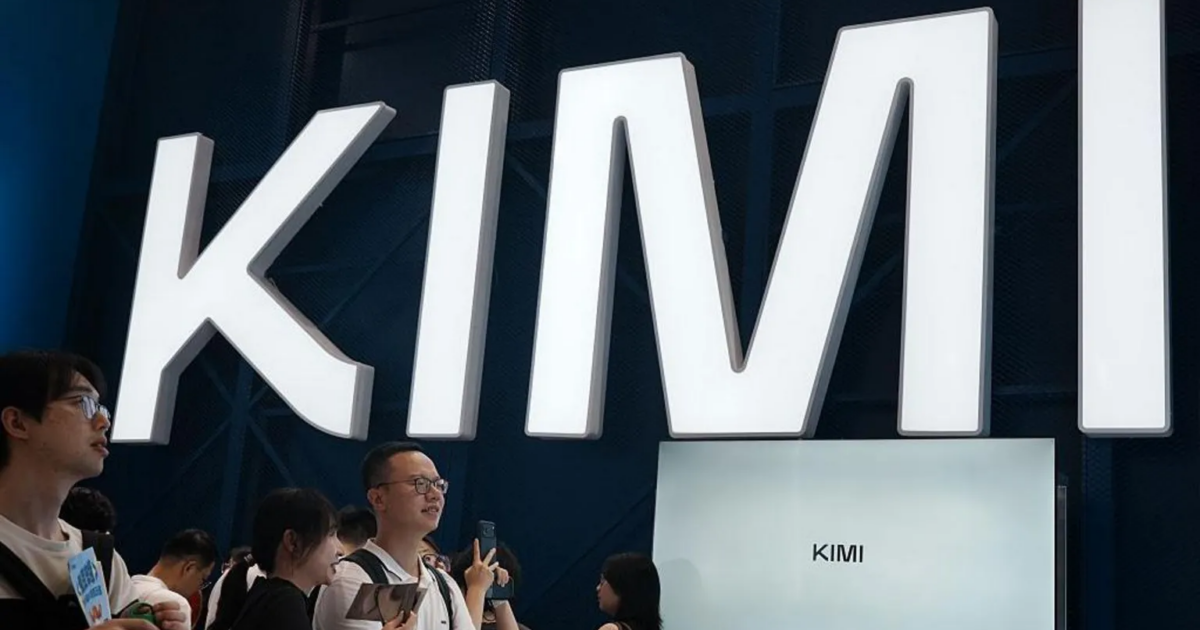
The White House's accusation that Chinese AI company Moonshot circumvented U.S. export controls to access Nvidia's GB300 chips signals a critical escalation in semiconductor trade enforcement that directly impacts cross-border e-commerce sellers. Michael Kratsios, White House Office of Science and Technology Policy director, revealed that Moonshot acquired GB300-equipped servers and accessed systems in Thailand to train its Kimi K3 AI model—a 2.8 trillion-parameter system rivaling OpenAI's GPT-4o. This incident triggers immediate compliance risks for sellers operating in the electronics, AI hardware, and cloud services categories.
The policy enforcement window is narrowing rapidly. Treasury Secretary Scott Bessent threatened Entity List designations and sanctions against Chinese companies conducting IP theft and model distillation operations. More critically, the Remote Access Security Act (RASA), which passed the House in January, seeks to expand controls over remote cloud-based access to critical hardware and software. This legislation directly threatens the sourcing strategies of sellers who rely on cloud-based supply chain visibility, remote inventory management, or third-party logistics providers with computing infrastructure in restricted jurisdictions. For sellers sourcing AI-related products, semiconductors, or cloud infrastructure components from China, the effective date of RASA implementation could trigger tariff reclassifications and compliance costs.
Market access is contracting for Chinese technology suppliers. While the U.S. cleared ten Chinese firms to purchase Nvidia's H200 chips in May 2024, trade officials confirmed very few units actually shipped to China and Hong Kong—indicating enforcement is tightening despite nominal approvals. Chinese technology companies are increasingly pursuing domestically-developed semiconductor alternatives, which creates a two-tier supply chain: restricted U.S. technology (GB300, Vera Rubin systems) and emerging Chinese alternatives (Huawei Ascend, Alibaba chips). For sellers sourcing from China, this bifurcation means supplier diversification is now essential. Sellers relying on Chinese suppliers for AI accelerators, GPU clusters, or edge computing devices face 6-12 month lead time extensions as suppliers transition to domestic alternatives.
Competitive advantage shifts toward sellers with non-China sourcing. Sellers sourcing semiconductors and AI hardware from Vietnam, Taiwan, South Korea, or India now have tariff arbitrage opportunities. These jurisdictions face lower export control scrutiny, enabling faster product launches and lower compliance costs. Small and medium-sized sellers (SMBs) selling AI-related electronics on Amazon, eBay, or Shopify should immediately audit their supply chain for China-origin components and evaluate alternative sourcing within 30 days. Large sellers with established 3PL networks in Southeast Asia can capitalize on the supply chain shift by positioning as compliant alternatives to China-dependent competitors.
Questions 8
What is the timeline for RASA implementation and when should sellers take action?
RASA passed the House in January 2025 and is moving toward Senate consideration. While the exact implementation date is uncertain, sellers should assume enforcement begins within 6-12 months. Immediate actions (0-30 days): Audit supply chains, request BOM documentation, identify China-origin components. Short-term actions (1-3 months): Evaluate alternative suppliers in Vietnam, Taiwan, South Korea, India; update product listings with origin disclosures; implement compliance documentation systems. Medium-term actions (3-6 months): Transition to compliant suppliers; renegotiate contracts with 3PL providers; update cloud infrastructure to remove restricted-jurisdiction components. Long-term actions (6-12 months): Complete supplier transitions; achieve full compliance across product portfolio; establish ongoing compliance monitoring. Sellers who delay action face increasing risks: tariff reclassifications retroactive to January 2025, account suspension on major platforms, and potential sanctions. The window for proactive compliance is closing—sellers should prioritize supply chain audits and alternative sourcing within the next 30 days.
How do platform policies (Amazon, eBay, Shopify) align with U.S. export control enforcement?
Amazon, eBay, and Shopify have implemented compliance frameworks aligned with U.S. export controls. Amazon FBA has restricted electronics categories requiring origin documentation and compliance certifications. eBay requires sellers to disclose product origin and comply with export control regulations in listing descriptions. Shopify's compliance tools flag products with restricted-jurisdiction components and require seller attestations. All three platforms monitor for Entity List violations and can suspend accounts for non-compliance. Sellers should immediately review their account compliance status in Seller Central (Amazon), Seller Hub (eBay), and Shopify Admin. Update product listings to include origin disclosures and compliance certifications. Failure to comply risks account suspension, which could impact 20-40% of revenue for sellers heavily dependent on these platforms. Platforms are increasingly automating compliance checks using AI, so sellers should proactively update their supply chain documentation rather than waiting for platform enforcement actions.