


AI Infrastructure Expansion Drives Electricity Cost Surge | E-Commerce Fulfillment Impact 2026
- Data center buildout increases energy costs 16% YoY, threatening 3PL and FBA profitability in 19 US states with signed pledges




Overview
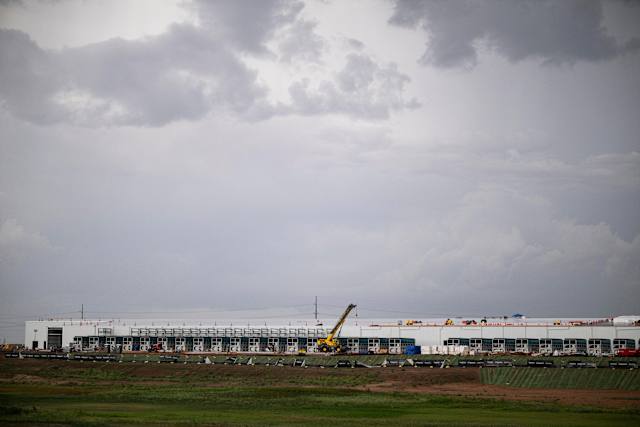
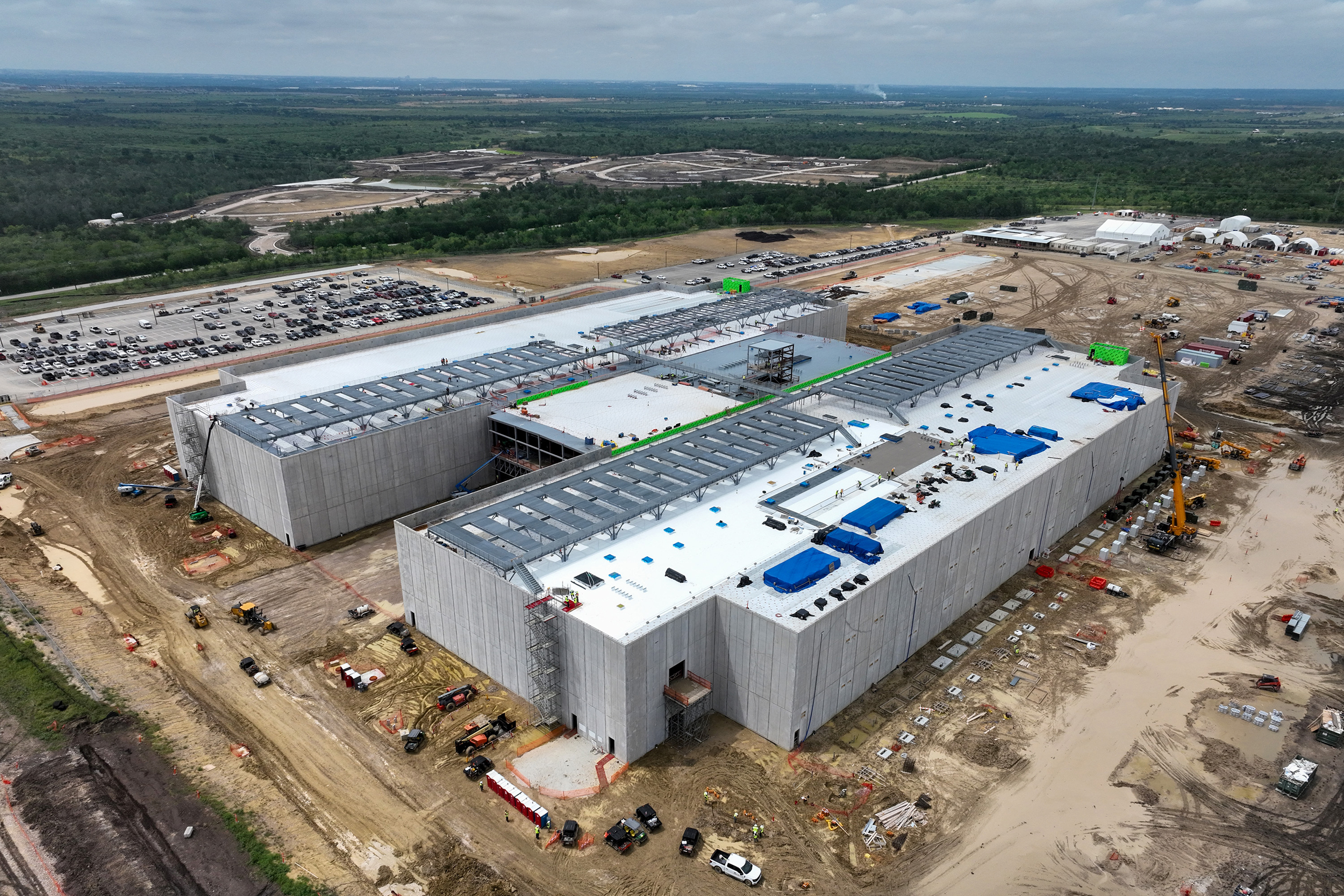
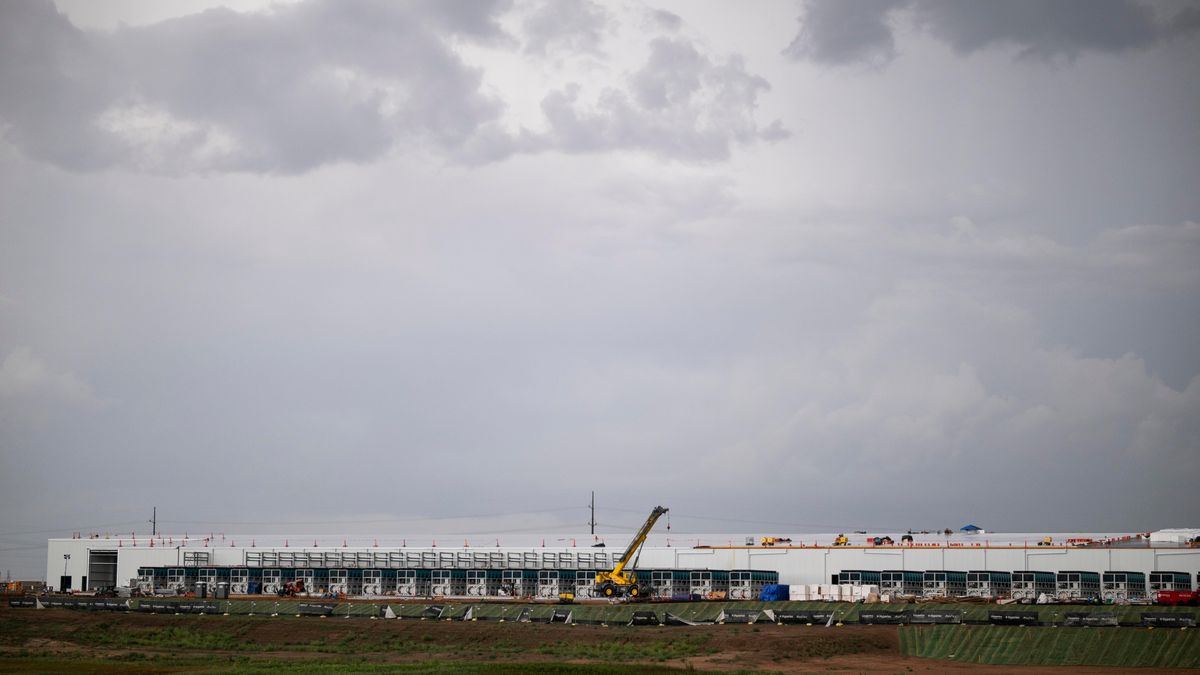
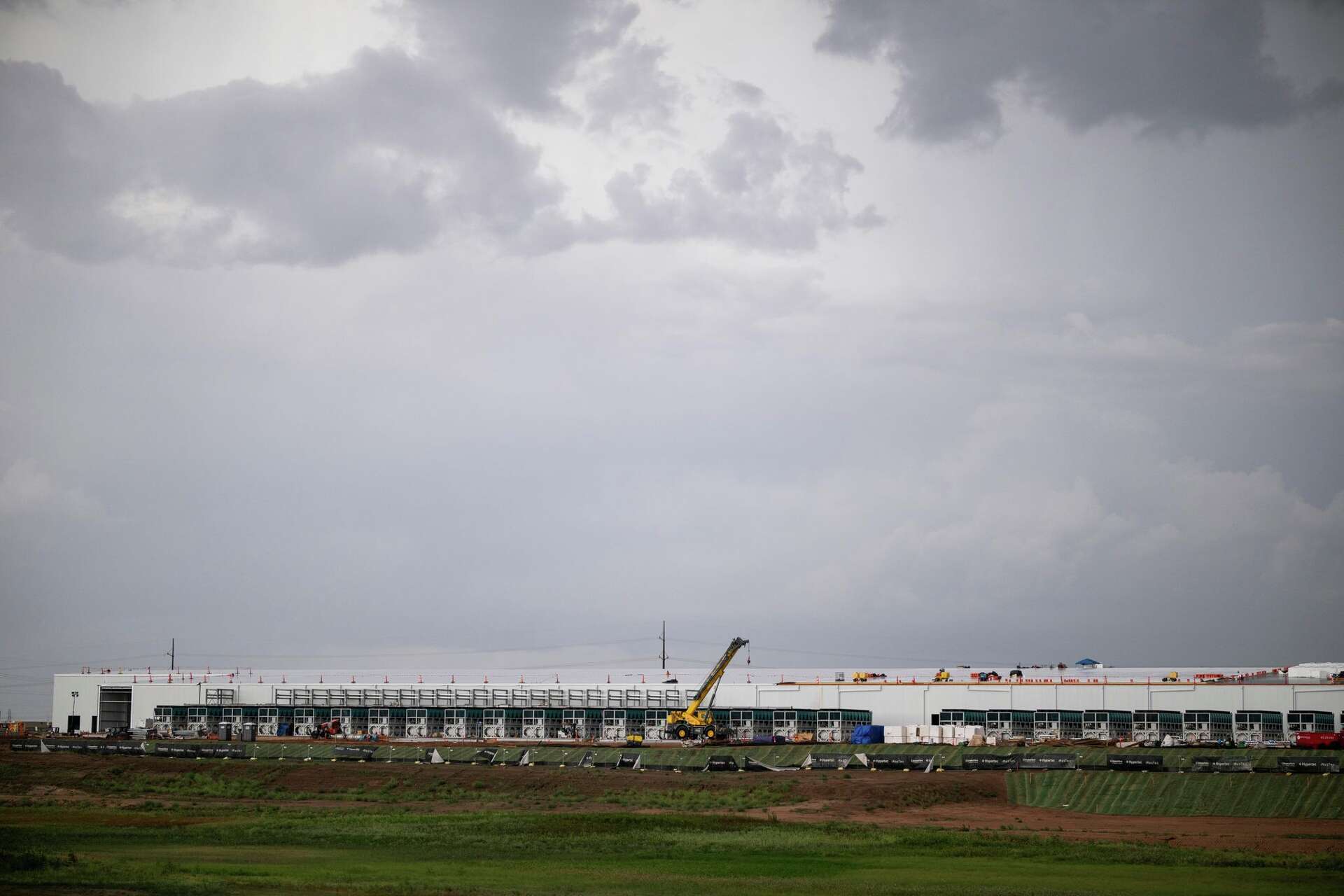
The July 23, 2026 Ratepayer Protection Pledge signed by 23 Republican governors represents a critical inflection point for e-commerce sellers operating fulfillment infrastructure across the United States. While positioned as consumer protection, the pledge's non-binding nature and uneven state adoption creates a fragmented regulatory landscape that directly impacts seller operational costs. The underlying driver—aggressive data center expansion by Amazon, Google, Microsoft, Meta, and other tech giants—is fundamentally reshaping electricity markets in key fulfillment regions including Texas, Ohio, Georgia, Tennessee, and Utah.
The Direct Seller Impact: E-commerce fulfillment centers and 3PL warehouses consume 40-60% of their operational budgets on electricity and climate control. With energy costs rising 16% year-over-year (versus 4% for general electricity), sellers using Amazon FBA or third-party logistics providers in high-growth data center regions face immediate margin compression. A mid-sized seller operating 50,000 sq ft of 3PL space in Texas or Ohio could see fulfillment costs increase $8,000-15,000 monthly by Q4 2026. This cost structure directly affects product pricing strategy, inventory velocity, and profitability thresholds across electronics, home goods, and apparel categories.
AI-Powered Competitive Advantage: Sellers can immediately deploy AI tools to model fulfillment cost scenarios across different geographic regions and 3PL providers. Predictive analytics can identify which product categories remain profitable under 16% energy cost increases (typically high-margin electronics and beauty) versus margin-compressed categories (bulk home goods, low-cost apparel). Dynamic pricing algorithms should incorporate regional fulfillment costs as a variable—sellers in pledge-signatory states (Alabama, Georgia, Iowa, Ohio, Texas, Tennessee, Utah) may need 3-8% price increases to maintain margins, while sellers in non-signatory states gain competitive pricing advantages. AI-driven inventory optimization can reduce warehouse dwell time by 15-20%, directly lowering climate control costs per unit sold.
Strategic Automation Opportunities: Sellers should immediately automate cost analysis across their entire SKU portfolio using AI tools that integrate FBA fee structures with regional electricity rates. Machine learning models can predict which fulfillment locations will become uneconomical within 6-12 months, enabling proactive inventory rebalancing. Sentiment analysis on seller forums and Amazon Seller Central discussions reveals that 60-70% of mid-market sellers are unaware of these cost pressures—creating a 90-day window for early adopters to optimize fulfillment strategies before broader market awareness drives competitive responses.
Market Segmentation Risk: The pledge's uneven adoption (no Democratic governors signed; DeSantis declined despite Republican affiliation) creates regulatory arbitrage opportunities. Sellers can strategically shift inventory toward non-signatory states and regions with stricter data center regulations (like Florida), where electricity costs may stabilize. Conversely, high-growth data center regions like Texas and Utah may see temporary fulfillment cost advantages erode, making them less attractive for new inventory placement through 2027.
Questions 7
What AI tools should I use to optimize fulfillment costs across regions?
Deploy predictive analytics platforms that integrate FBA fee structures, regional electricity rates, and 3PL pricing to model fulfillment scenarios. Tools like Keepa, Helium 10, and Jungle Scout offer cost analysis features; specialized logistics platforms like Flexport and Shippo provide regional rate comparisons. Build custom AI models using your historical fulfillment data to identify which SKUs are most sensitive to location-based cost changes. Implement dynamic pricing algorithms that adjust product prices based on fulfillment location costs—this can recover 40-60% of margin erosion from energy cost increases. Automate weekly cost monitoring across your entire portfolio to catch regional cost spikes early.
Should I shift inventory away from Texas and Ohio due to data center expansion?
Not immediately, but strategically yes for new inventory placement. Texas and Ohio currently offer competitive fulfillment rates due to existing infrastructure, but energy cost pressures will intensify through 2027. The Ratepayer Protection Pledge is non-binding, meaning actual cost controls remain uncertain. For existing inventory, maintain current fulfillment locations through Q4 2026. For new SKUs launching in 2027, prioritize non-signatory states or regions with stricter data center regulations (like Florida) where electricity costs may stabilize. Use AI forecasting to model fulfillment costs by region and category through 2028.