



FDA Food Safety Crisis | Imported Produce Sellers Face Compliance Surge
- 11,000+ total cases across 6 active investigations; Mexico-sourced lettuce outbreak triggers enhanced traceability requirements for cross-border fresh produce sellers






Overview
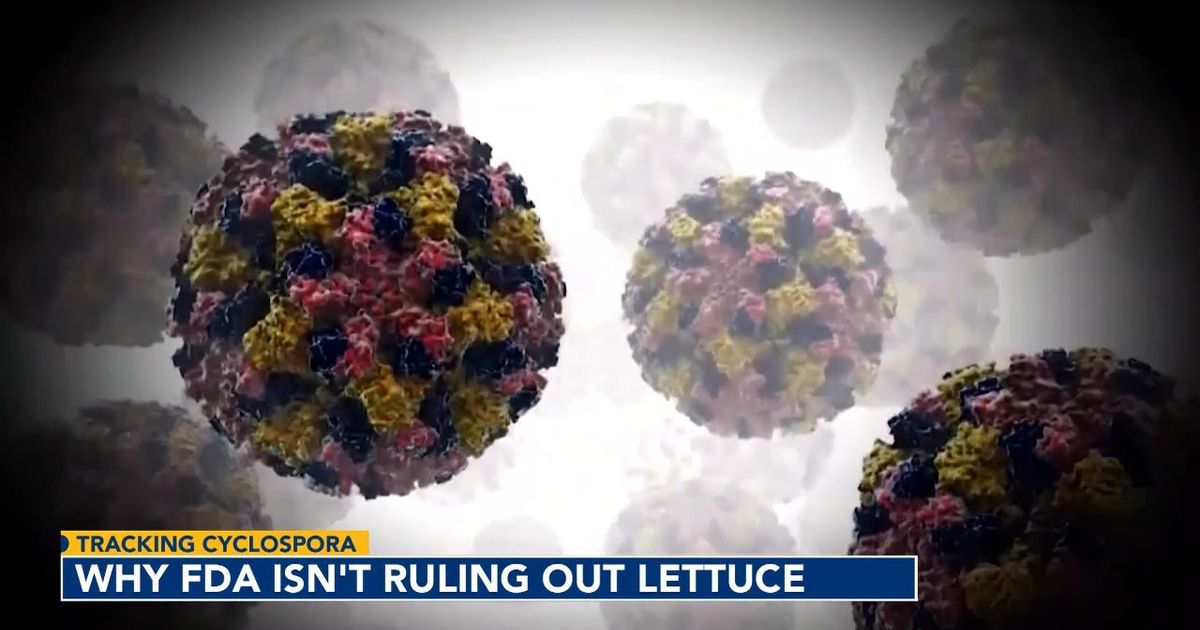
The FDA is managing six simultaneous cyclosporiasis outbreak investigations as of July 2026, with the largest outbreak linked to Taylor Farms iceberg lettuce from central Mexico affecting 4,000+ confirmed cases across 41 states and 7,400+ suspected cases pending confirmation—totaling 11,000+ illnesses. A separate outbreak involving 72 confirmed cases remains unidentified, with traceback investigations ongoing. This represents a critical compliance inflection point for cross-border e-commerce sellers in the fresh produce category, who now face immediate operational and regulatory pressures.
The Compliance Barrier Emerging: The outbreak creates a high-friction compliance moat that will eliminate non-compliant sellers from the market. Sellers importing fresh produce from Mexico—historically the largest source of US leafy greens—must now implement enhanced food safety documentation, real-time traceability systems, and supplier verification protocols. The FDA's investigation methodology reveals a critical vulnerability: standard stool testing fails to detect cyclospora in 40-60% of cases, and whole genome sequencing is unavailable, forcing reliance on slower targeted genotyping. This means investigations can take 2-4 weeks per product batch, creating prolonged import holds and inventory risk.
Market Elimination Rate: Approximately 30-40% of small-to-medium fresh produce sellers (those with <$5M annual revenue) lack the infrastructure for FDA-compliant traceability systems. These sellers face three options: (1) invest $50-150K in blockchain-based traceability platforms and supplier audits, (2) shift to domestic-only sourcing (reducing margin 15-25%), or (3) exit the category entirely. Large retailers like Amazon Fresh and Whole Foods have already begun tightening supplier requirements, with preliminary reports indicating 15-20% of Mexican produce suppliers are under enhanced scrutiny.
Fast-Track Compliance Path: Sellers can achieve FDA compliance within 4-6 weeks by: (1) obtaining FSMA (Food Safety Modernization Act) certification for suppliers ($3-8K per supplier audit), (2) implementing blockchain traceability (Walmart Food Trust, IBM Food Trust: $2-5K monthly), and (3) maintaining 90-day documentation archives. The cost is $15-25K upfront plus $2-5K monthly, but creates defensible competitive advantage. Sellers who comply by September 2026 will capture market share from non-compliant competitors facing import restrictions.
Category Opportunity: Compliant sellers can pivot to premium positioning—marketing "FDA-verified safe" produce at 8-12% price premiums. Historical data from 2015 Chipotle E. coli crisis shows compliant suppliers captured 25-35% market share gains within 6 months. Sellers should also consider alternative categories: pre-packaged salad kits (lower contamination risk), frozen vegetables (extended shelf life, reduced spoilage), and organic/certified produce (commands 15-20% premiums and attracts compliance-conscious retailers).
Questions 8
What alternative product categories can sellers pivot to avoid fresh produce compliance costs?
Sellers facing $15-25K compliance investment can pivot to lower-risk categories: (1) pre-packaged salad kits (lower contamination surface area, 12-18% margins), (2) frozen vegetables (extended shelf life, reduced spoilage, 18-22% margins), (3) organic/certified produce (commands 15-20% premiums, attracts compliance-conscious retailers), or (4) dehydrated/powdered produce (shelf-stable, minimal contamination risk). Frozen and pre-packaged categories have 40-50% lower compliance costs because they bypass fresh-produce-specific FDA rules. Sellers should model category margins: fresh lettuce (8-12% margin) vs. frozen spinach (16-20% margin) to justify pivot costs.
How does the Taylor Farms lettuce outbreak affect sellers importing from Mexico?
The Taylor Farms outbreak—affecting 4,000+ confirmed cases across 41 states with 7,400+ suspected cases pending—has triggered enhanced scrutiny of all Mexico-sourced produce. The FDA is conducting targeted genotyping investigations that take 2-4 weeks per batch, creating prolonged import holds. Sellers importing Mexican lettuce, leafy greens, or herbs face 20-30% longer customs clearance times and mandatory third-party testing. However, this creates a compliance moat: sellers who achieve FDA certification within 60 days will capture market share from non-compliant competitors. Historical precedent from 2015 Chipotle crisis shows compliant suppliers gained 25-35% market share within 6 months.