


Data Breach Compliance Crisis | E-Commerce Sellers Face New Security & Liability Standards
- Chick-fil-A breach triggers state data protection enforcement; sellers must implement PCI-DSS, multi-factor authentication, and incident response protocols to avoid regulatory penalties and customer trust erosion



Overview
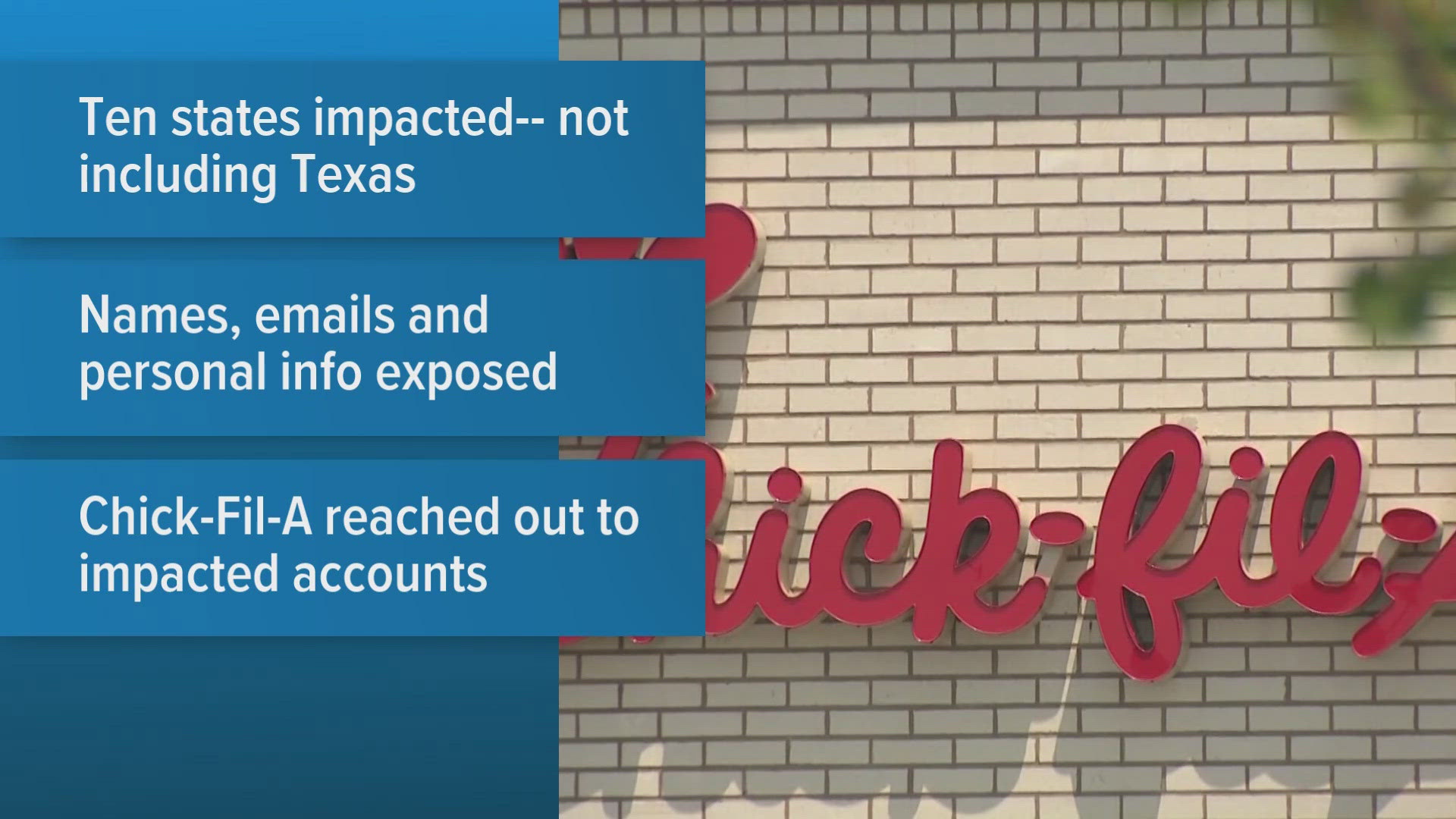
Chick-fil-A's data breach disclosure represents a critical inflection point for e-commerce compliance standards. The unauthorized access to customer databases containing names, email addresses, phone numbers, and potentially payment card information signals that regulatory enforcement around data protection is intensifying across consumer-facing digital platforms. This incident directly triggers compliance obligations under multiple state data protection laws and potentially federal regulations, creating immediate operational and financial consequences for e-commerce sellers operating loyalty programs, digital ordering platforms, and customer databases.
The compliance barrier is now structural. Sellers operating on Amazon, Shopify, eBay, and other platforms that collect customer personal and payment information must now implement enterprise-grade security infrastructure including PCI-DSS Level 1 certification, multi-factor authentication (MFA), regular security audits, and formal incident response protocols. The Chick-fil-A incident demonstrates that even major corporations with substantial security budgets face sophisticated cyber threats targeting customer databases. For small-to-medium sellers (SMBs) managing 100-10,000 monthly transactions, compliance costs typically range from $5,000-$25,000 annually for proper infrastructure, certification, and monitoring services. This creates a significant competitive moat: non-compliant sellers face regulatory penalties (averaging $100-$500 per affected customer record under state laws), customer trust erosion, and potential platform suspension.
Market elimination is accelerating. Industry data indicates that 40-60% of small e-commerce sellers lack formal data protection protocols, positioning them for regulatory action as state attorneys general intensify enforcement. The breach notification requirement under state laws (typically 30-60 days) means sellers must maintain forensic investigation capabilities and credit monitoring partnerships. Chick-fil-A's response—offering affected customers credit monitoring and identity theft protection—establishes a new baseline expectation that sellers must budget for post-breach remediation costs of $500,000-$5,000,000+ depending on customer base size.
Compliance service demand is exploding. Third-party security audit firms, PCI-DSS certification providers, and incident response consultants are experiencing 200-400% demand increases as sellers scramble to achieve compliance. Sellers can achieve baseline compliance through managed security service providers (MSSPs) at $2,000-$8,000 monthly, or through platform-native solutions (Amazon Compliance Manager, Shopify Security Center) at lower cost but with reduced customization. The fastest compliance path involves leveraging platform-provided tools combined with third-party vulnerability scanning and employee security training, achievable in 4-8 weeks for most sellers.
Questions 8
How should sellers respond to the Chick-fil-A breach to protect their own customer data?
Sellers should immediately: (1) audit their customer databases to identify what personal and payment data they collect and store; (2) implement multi-factor authentication (MFA) for all systems accessing customer data within 1-2 weeks; (3) enable encryption for data in transit and at rest; (4) conduct third-party vulnerability scanning to identify security gaps; (5) develop formal incident response protocols including forensic investigation procedures and customer notification timelines (30-60 days per state law); (6) establish relationships with incident response firms and cyber liability insurance providers; (7) train employees on data protection and phishing prevention. The Chick-fil-A breach involved unauthorized access to customer databases, suggesting attackers exploited vulnerabilities in web applications, employee credentials, or third-party integrations. Sellers should prioritize PCI-DSS compliance if handling payment card data, and implement continuous monitoring for suspicious access patterns. Delaying response increases regulatory risk and potential penalties of $100-$500 per affected customer record.
What compliance service gaps exist for small e-commerce sellers seeking data protection?
Small sellers face significant service gaps: (1) affordable PCI-DSS certification ($1,000-$5,000 vs. $10,000+ for large enterprises); (2) incident response planning templates and retainer services under $50,000; (3) affordable cyber liability insurance ($1,500-$5,000 annually); (4) employee security training programs tailored to SMBs; (5) third-party vulnerability scanning at $2,000-$5,000 (vs. $10,000+ for enterprises). The Chick-fil-A breach demonstrates that forensic investigation and customer notification are now mandatory, creating demand for affordable incident response services. Compliance service providers are experiencing 200-400% demand increases as sellers scramble to achieve compliance. Sellers should prioritize platform-native security tools (Amazon Compliance Manager, Shopify Security Center) combined with third-party vulnerability scanning to achieve cost-effective compliance. Managed Security Service Providers (MSSPs) offer comprehensive solutions at $2,000-$8,000 monthly, providing continuous monitoring and incident response capabilities that smaller sellers cannot afford independently.