
Fed Rate Uncertainty Drives 60% PCE Inflation Spike | E-Commerce Seller Cost Crisis
- PCE inflation at 2.7% (double Fed target); 60% of product categories rising 3%+ annually; sellers shifting to price increases from cost absorption


















Overview
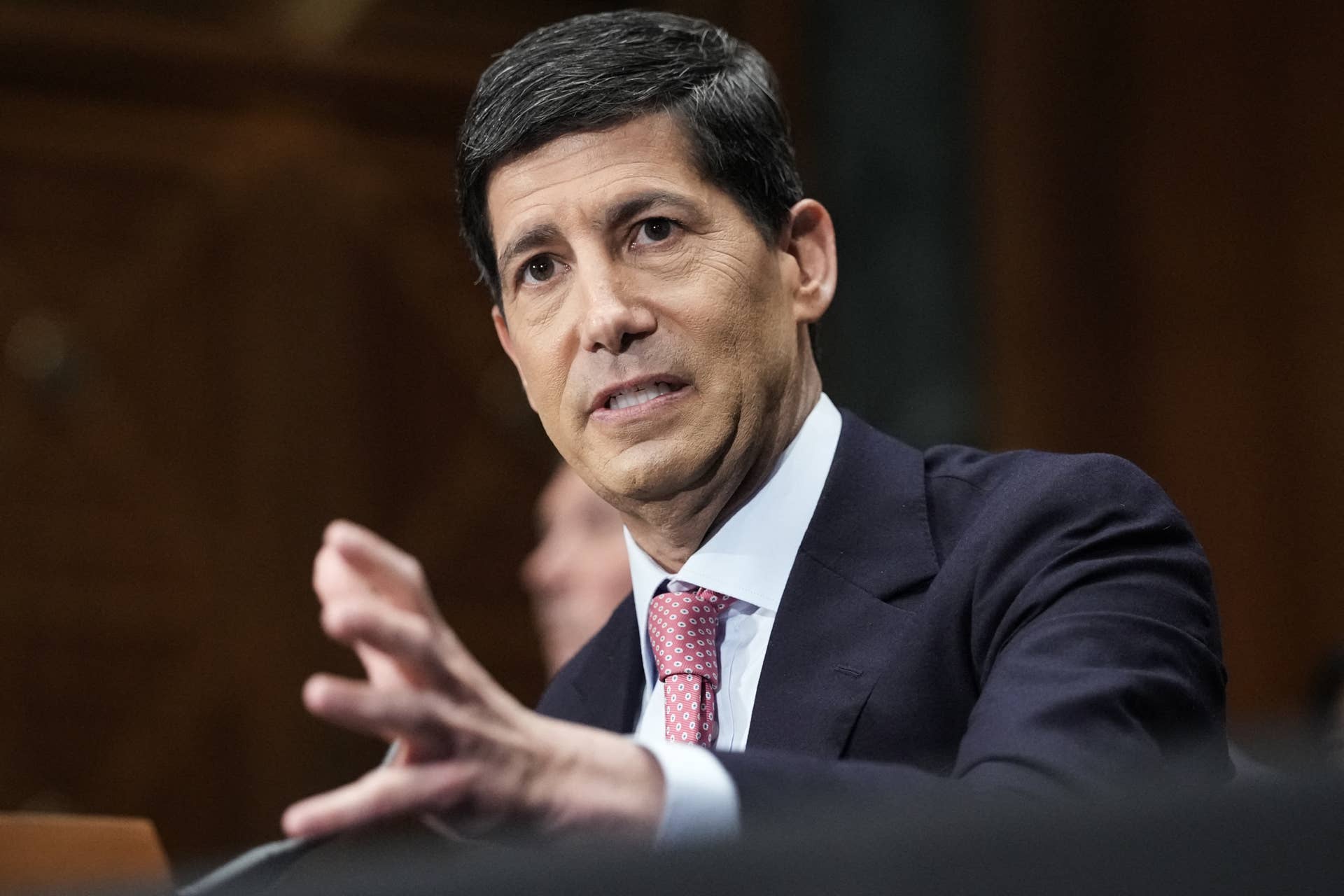
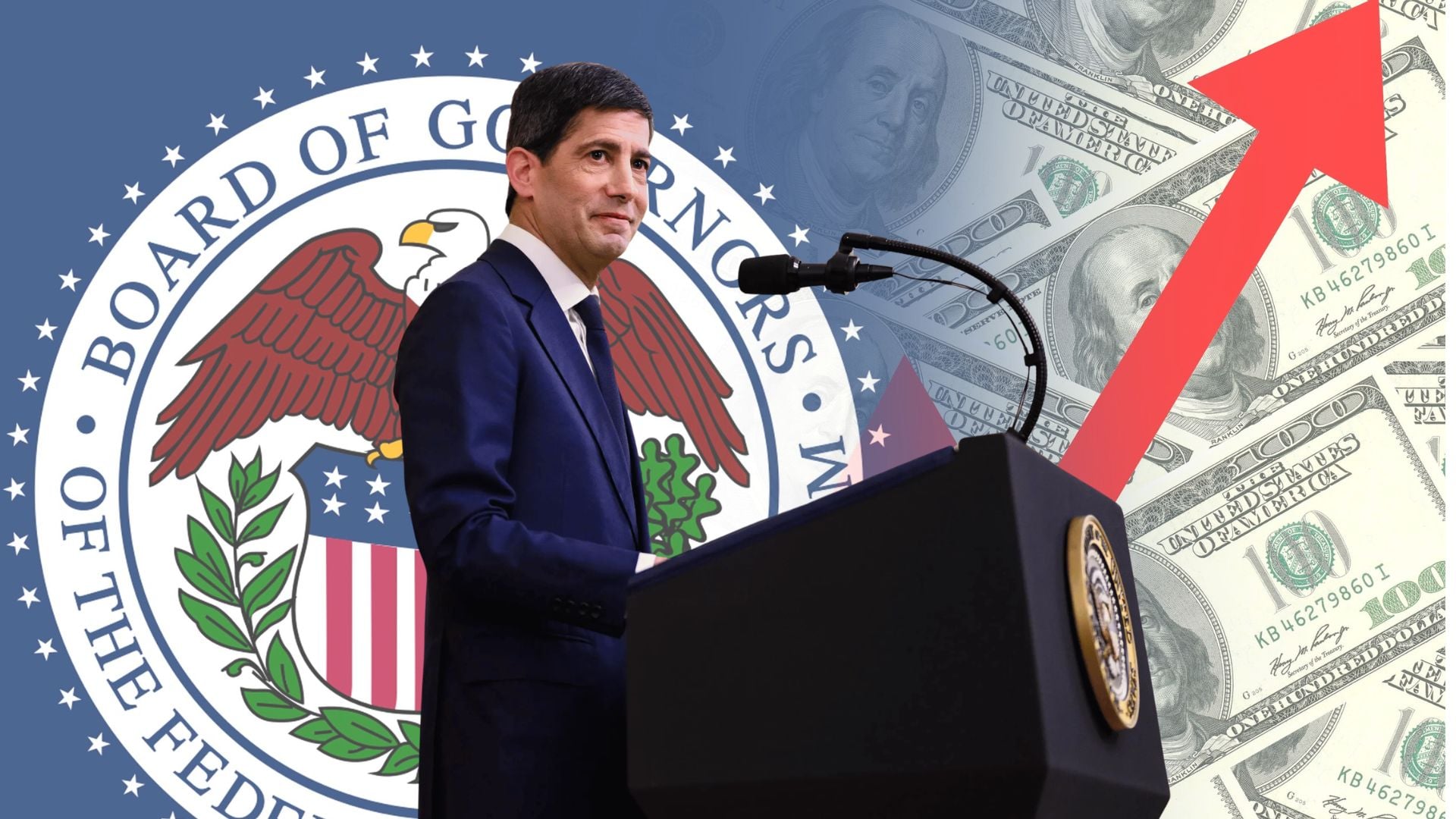
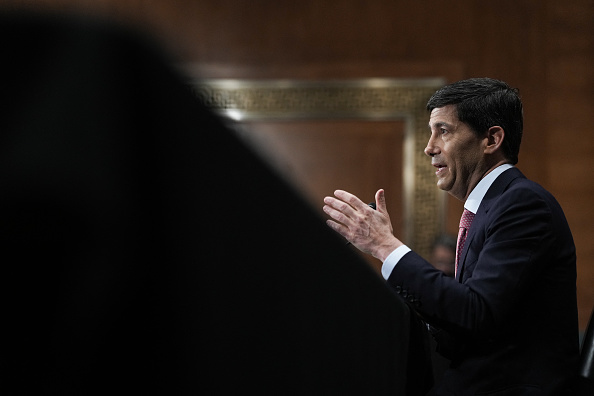
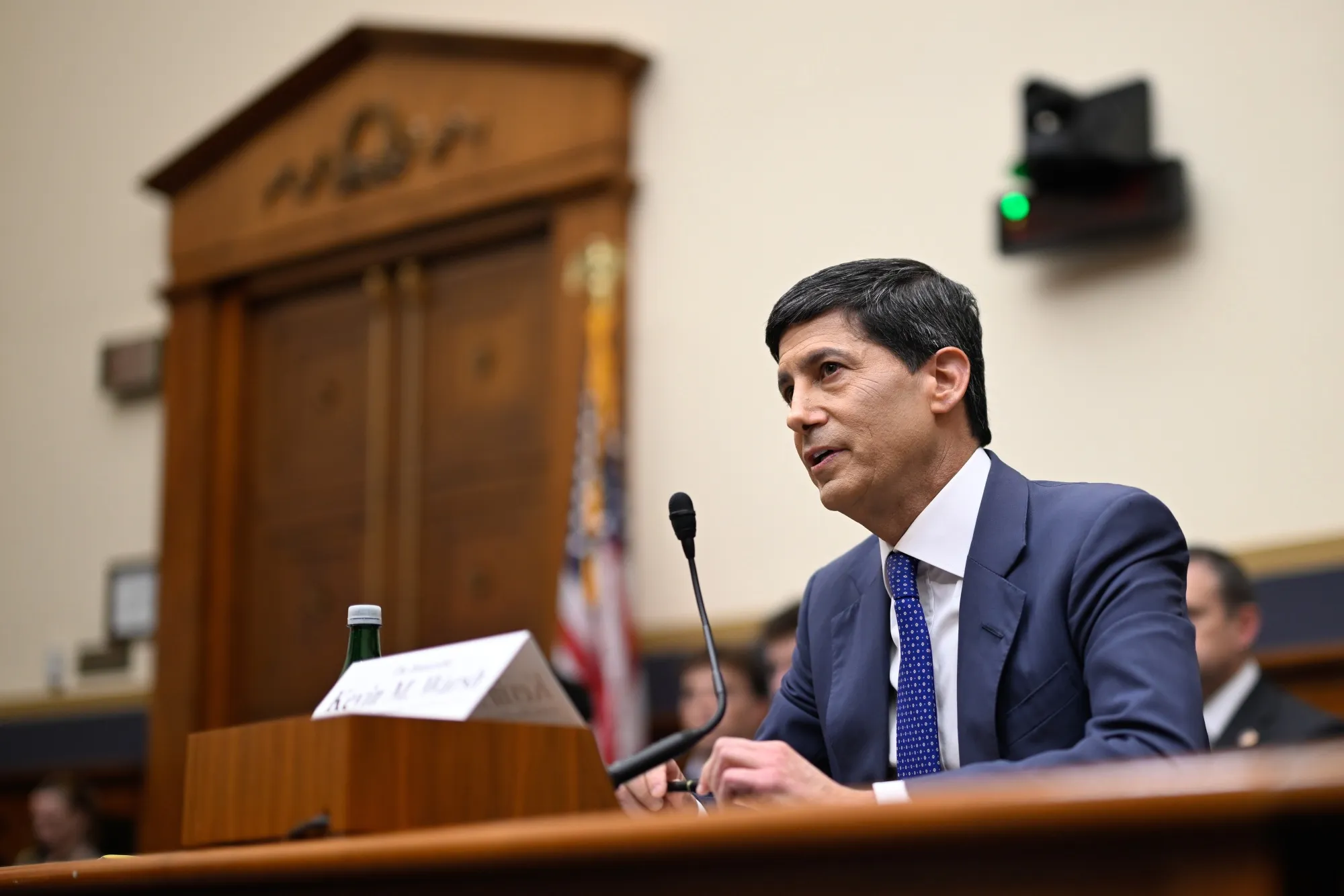
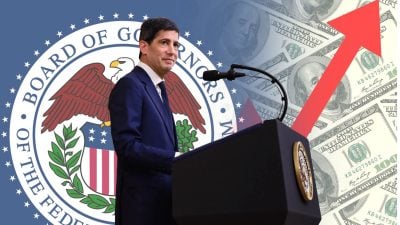
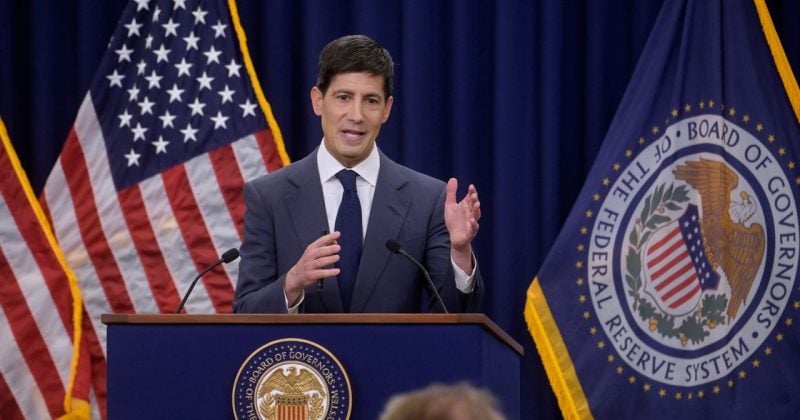
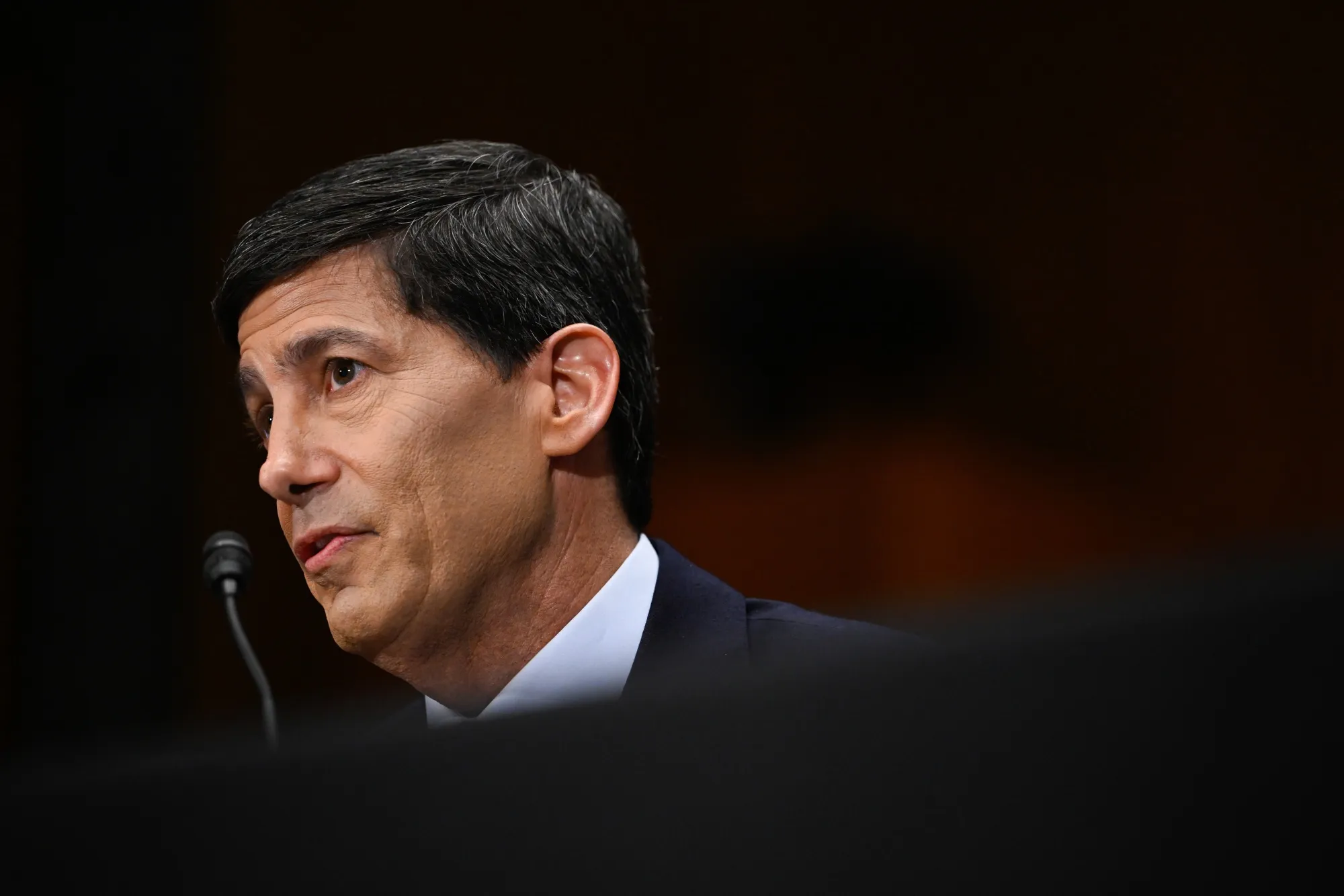
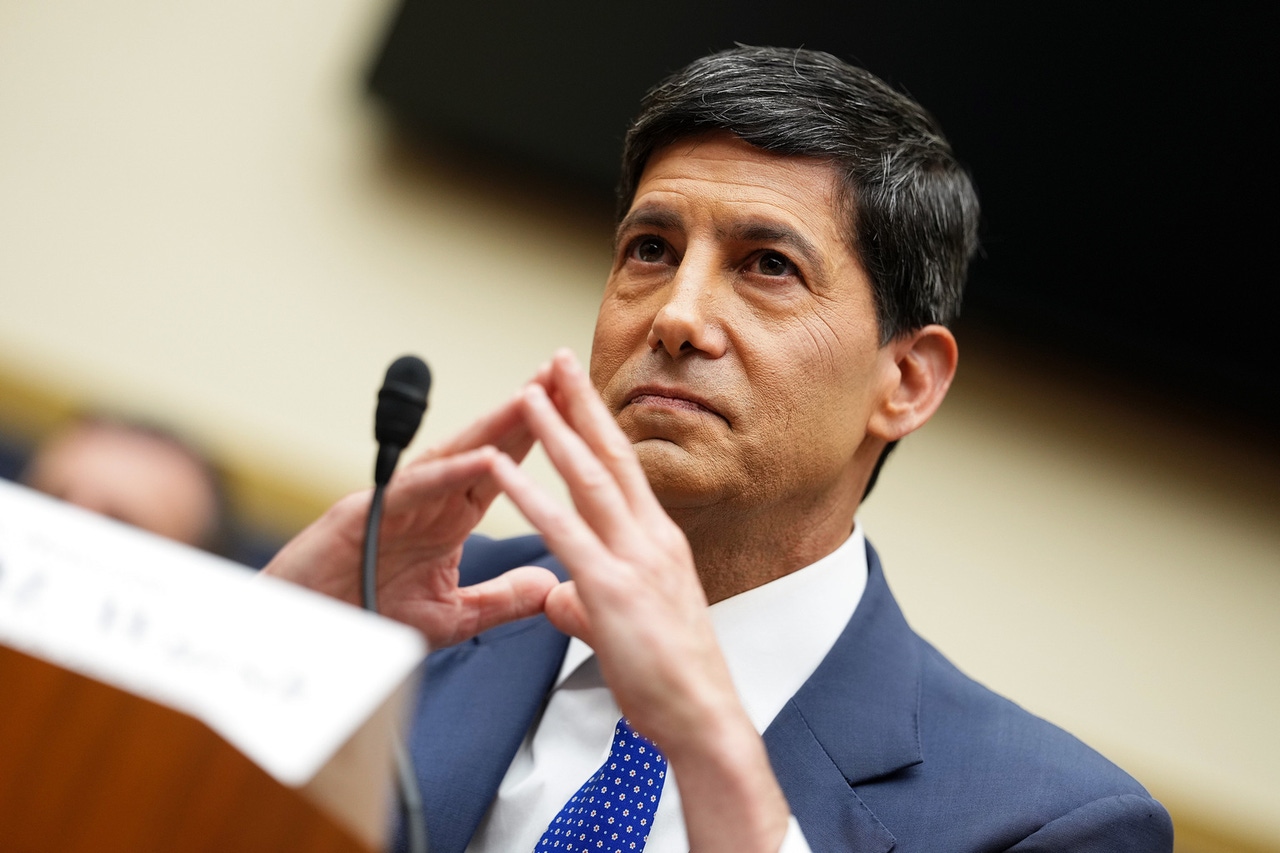
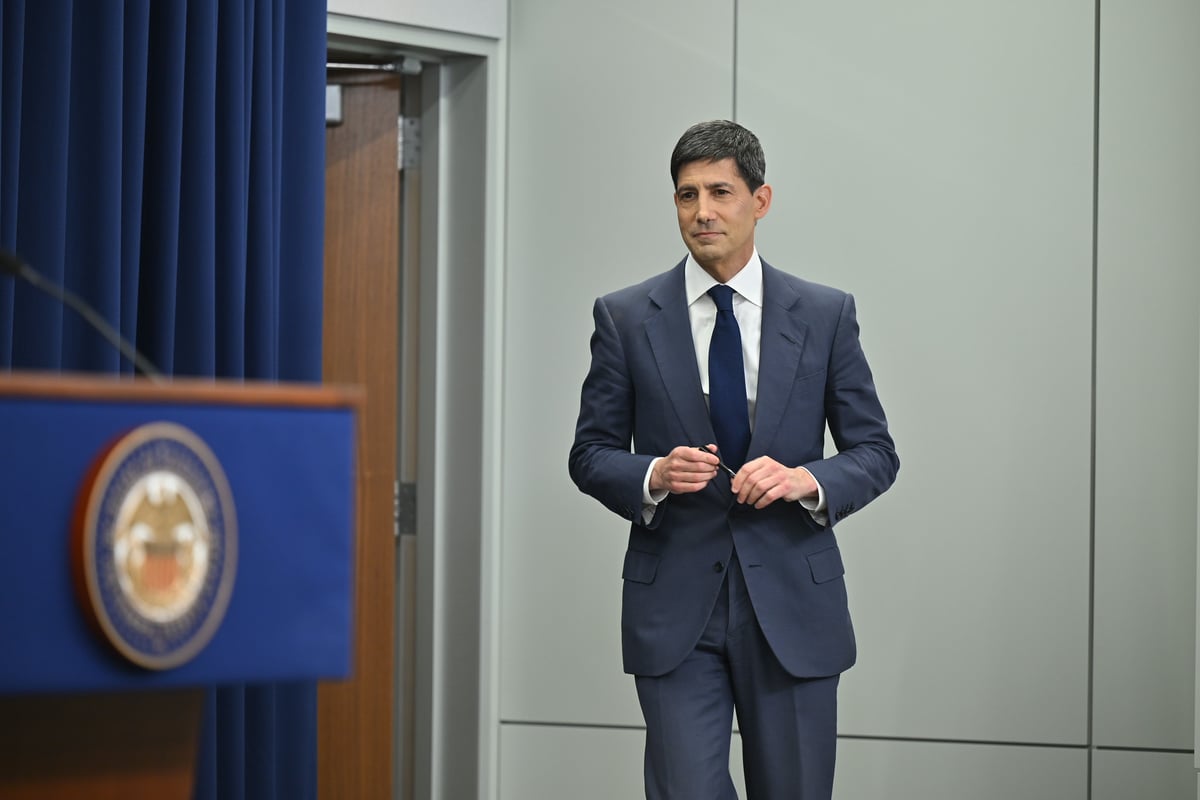
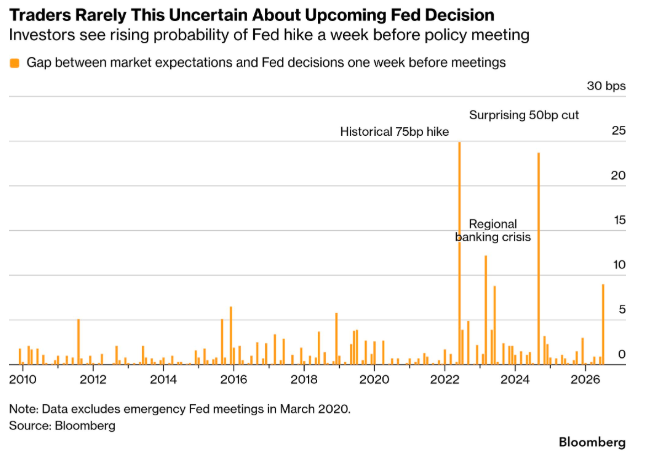
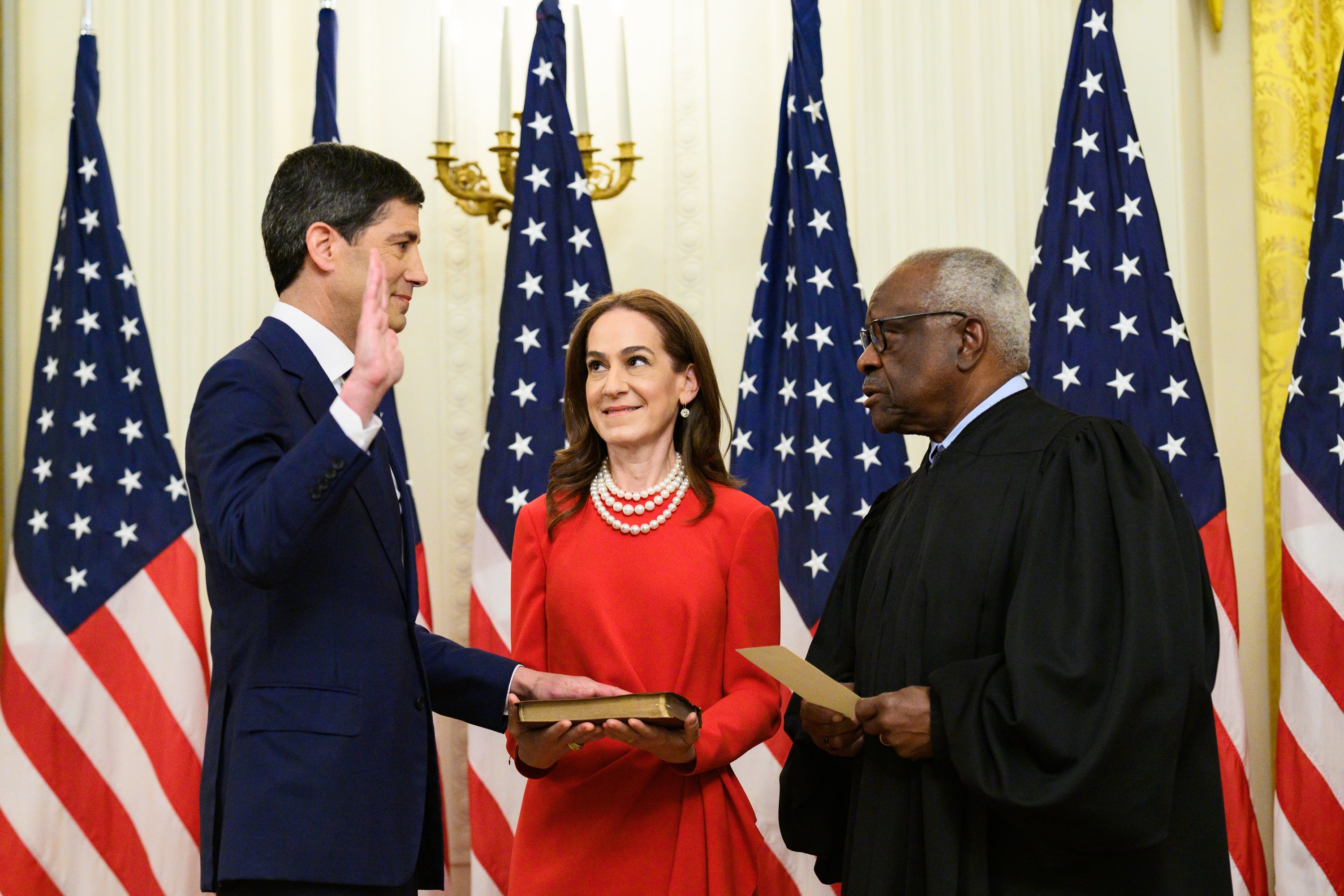
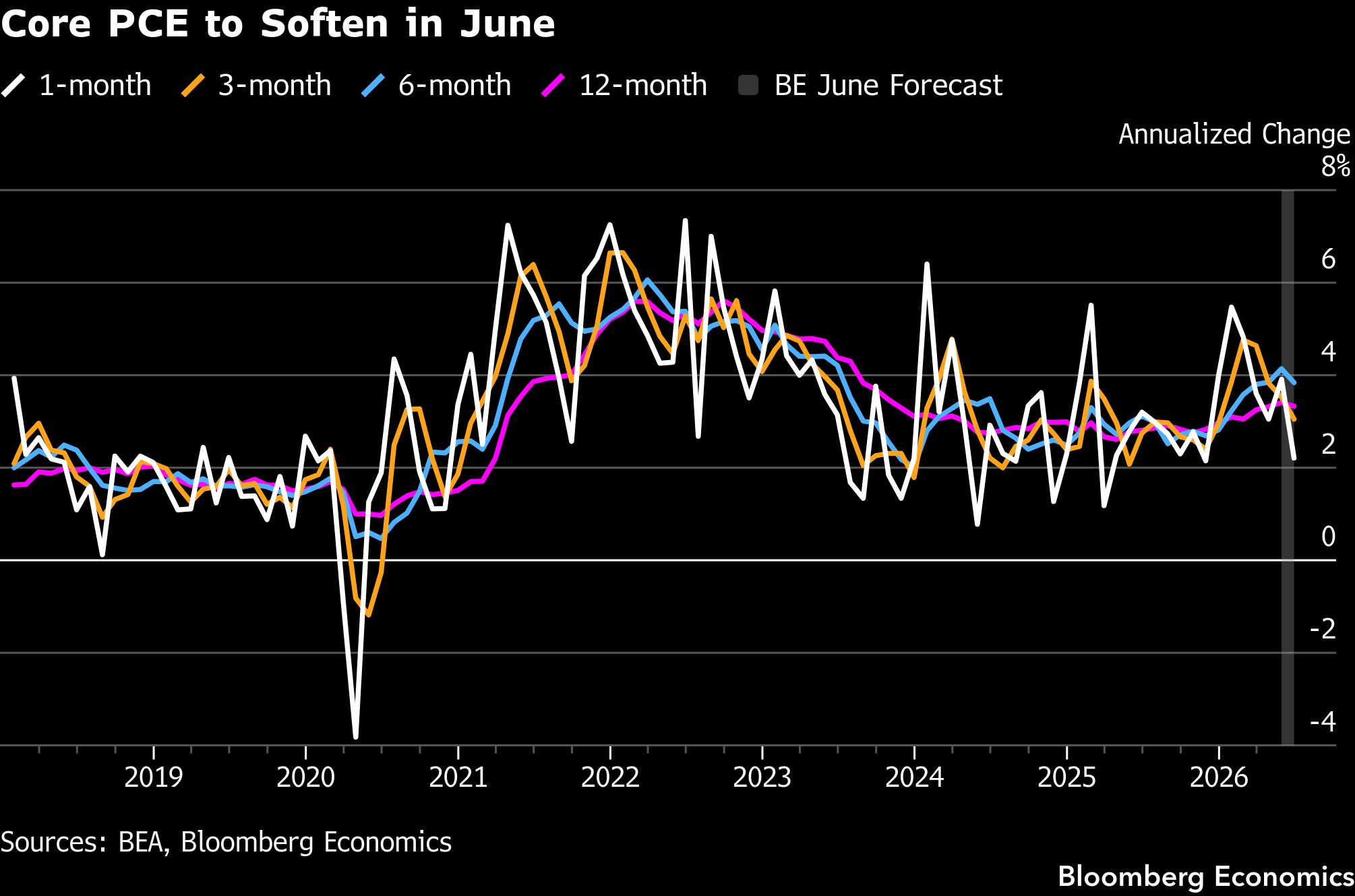
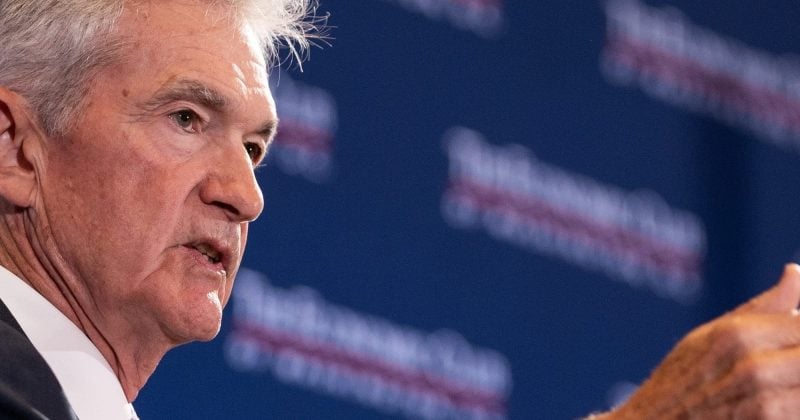
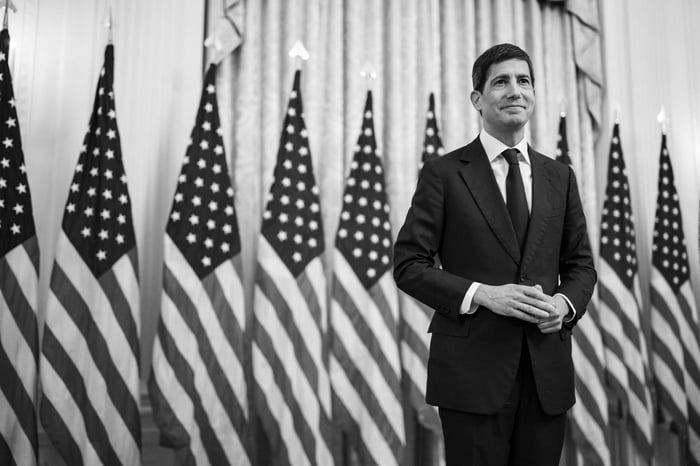
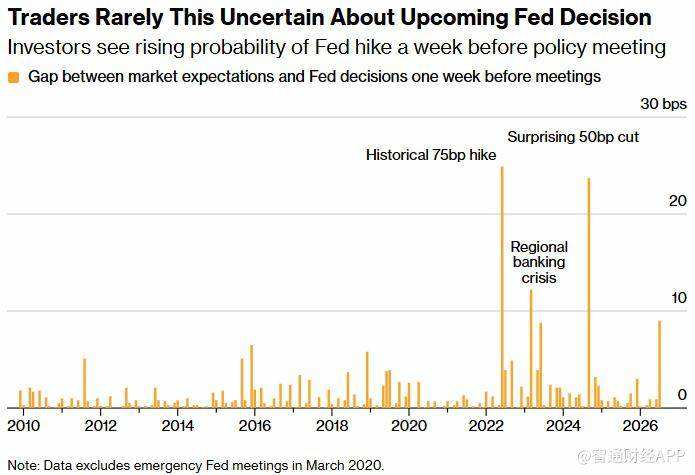
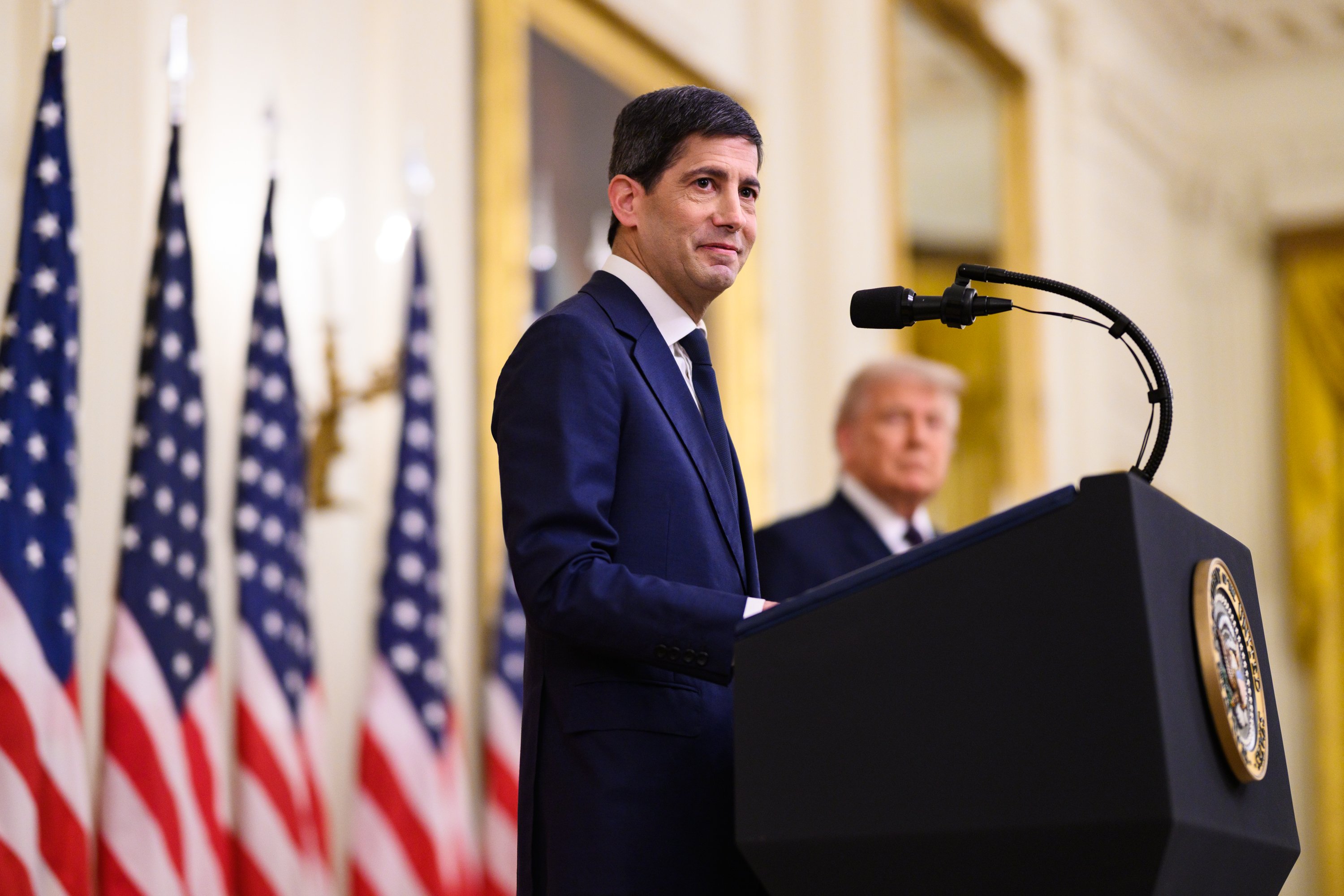
Federal Reserve Chairman Kevin Warsh's refusal to provide explicit rate guidance amid mounting inflation pressures creates significant uncertainty for e-commerce sellers navigating rising operational costs. The Personal Consumption Expenditures (PCE) index rose 2.7% year-on-year in May—double the Fed's 2% target—with Goldman Sachs analysis revealing that approximately 60% of PCE index categories are increasing at annual rates above 3%, compared to a historical average of 37% from 1990-2019. This broad-based inflation affects virtually all product categories on Amazon, eBay, Shopify, and other platforms, forcing sellers to make critical decisions about pricing strategy and inventory management.
The immediate operational impact on e-commerce sellers is severe. With the Fed maintaining interest rates in the 3.50-to-3.75% range through at least July 28-29, 2025, working capital costs for inventory financing have increased substantially. A June survey of corporate finance chiefs ranked inflation as their top concern, with firms indicating they are shifting from absorbing costs to implementing price increases—a critical signal that consumer prices will continue rising across all categories. For Amazon FBA sellers, this translates to higher storage fees (already increased 8-12% in recent years), increased shipping costs from 3PL providers, and compressed margins on fast-moving inventory. Shopify sellers face similar pressures with payment processing fees and fulfillment network costs rising in tandem with broader inflation.
The cumulative purchasing power erosion is substantial: the PCE index is approximately 5.5% higher than it would have been had the Fed maintained its 2% target over the past five years. This creates a critical competitive dynamic—sellers who fail to adjust pricing risk margin compression of 3-8%, while those who raise prices too aggressively face demand destruction, particularly in price-sensitive categories like electronics, apparel, and home goods. Fed Governor Christopher Waller's hawkish stance ("sternly staring at inflation until it melts before our withering gaze is not an option") signals potential rate hikes remain possible, which would further increase inventory financing costs and working capital requirements. Business executives in Cleveland Fed President Beth Hammack's district are actively encouraging rate hikes to curb inflation—a significant shift indicating corporate acceptance of higher borrowing costs to combat price pressures.
For cross-border sellers, the situation is more complex. Rising US interest rates typically strengthen the dollar, making imported goods more expensive and reducing profit margins on products sourced from China, Vietnam, and India. Simultaneously, tariff shocks from the Trump administration (mentioned as a key uncertainty) could add 10-25% to landed costs for electronics, apparel, and home goods categories. Sellers must immediately reassess their sourcing strategies, pricing models, and inventory levels to navigate this dual pressure of inflation and potential tariff increases.
Questions 7
What is the timeline for Fed rate decisions affecting seller costs?
The Fed is expected to maintain rates in the 3.50-3.75% range at its July 28-29, 2025 meeting, but Fed Governor Christopher Waller's hawkish stance suggests rate hikes remain possible if inflation doesn't decline. The critical timeline for sellers is: (1) immediate (next 30 days): audit inventory financing costs and implement pricing adjustments, (2) mid-term (July 28-29): monitor Fed decision for rate hike signals that would increase working capital costs, (3) forward-looking (Q3-Q4 2025): prepare for potential tariff implementation and adjust sourcing strategy. Sellers should set calendar alerts for Fed announcement dates and monitor PCE inflation data releases monthly. If PCE remains above 2.5% in upcoming reports, probability of rate hikes increases significantly, requiring accelerated inventory reduction and pricing strategy adjustments.
How should sellers adjust pricing without losing Buy Box on Amazon?
Amazon's Buy Box algorithm considers competitive pricing, fulfillment method, and seller metrics. During inflationary periods, maintaining Buy Box while raising prices requires strategic approach: (1) implement price increases in 3-5% increments rather than single large jumps, (2) ensure FBA fulfillment is active (Buy Box heavily favors FBA), (3) maintain seller rating above 98% to avoid algorithm penalties, and (4) monitor competitor pricing daily using repricing tools. The news indicates competitors are also raising prices (corporate finance survey shows firms shifting to price increases), so modest increases of 3-5% are unlikely to trigger Buy Box loss if your metrics are strong. Test increases on products with lower price sensitivity first (premium/branded items) before adjusting commodity categories. Use Amazon's pricing intelligence tools in Seller Central to identify optimal price points that balance margin protection with competitive positioning.