






Oil Prices Hit $100 & Fed Rate Hike Fears Surge | Critical Impact on Cross-Border Seller Costs
- Jet fuel costs spike 83%, shipping expenses rise 8-15% for sellers; Amazon/Meta stock drops 4% signal platform investment pullback; 35-38% probability of Fed rate hikes threatens working capital financing













Overview
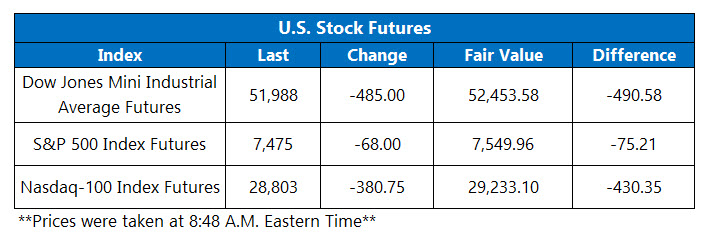
On July 23, 2025-2026, US stock markets experienced a sharp selloff driven by three converging crises that directly threaten cross-border e-commerce seller profitability: surging oil prices, Fed rate hike expectations, and tech capex concerns. Oil prices breached $100/barrel (Brent crude) and $90 WTI following Houthi attacks on Saudi tankers in the Red Sea, while the 10-year Treasury yield jumped to 4.7%—its highest in 18 months. Bond traders now price in a 35-38% probability of Federal Reserve rate hikes at the next meeting, up from 11-12% a week prior. The Nasdaq fell 1.69-2.6%, with Amazon and Meta dropping 4% each, signaling potential pullback in platform investment and advertising budgets.
For cross-border sellers, the immediate operational impact is severe and multi-dimensional. American Airlines reported an 83% increase in jet fuel costs adding $2.2 billion in annual expenses—a direct proxy for air freight rates that sellers rely on for fast-moving inventory (electronics, apparel, beauty products). Shipping costs via DHL, FedEx, and UPS typically increase 8-15% when oil prices spike above $95/barrel, directly compressing margins on time-sensitive categories. Sellers shipping 500+ units monthly via air freight face additional costs of $1,500-3,500 monthly. Ocean freight remains cheaper but slower (30-45 days), forcing sellers to choose between margin compression or inventory velocity loss.
The Fed rate hike scenario poses an even greater threat to seller working capital and financing. With 35-38% probability of a 25-basis-point increase, sellers relying on business credit lines, inventory financing, or Amazon Lending face immediate cost increases of 0.25-0.50% on outstanding balances. For a seller with $100K in working capital financing, this translates to $250-500 additional annual interest expense. More critically, tighter credit conditions typically follow rate hikes, making it harder for smaller sellers (under $500K annual revenue) to access inventory financing—a key lever for scaling on Amazon, eBay, and Shopify. The CBOE Volatility Index rose 2.15 points to 18.79, indicating elevated market uncertainty that historically correlates with reduced consumer spending in discretionary categories (apparel, home goods, electronics).
Seller segments most at risk: (1) Air freight-dependent sellers in fast-fashion, electronics, and seasonal goods; (2) Sellers with variable-rate debt or Amazon Lending exposure; (3) Marketplace sellers relying on platform advertising (Amazon PPC, eBay Promoted Listings) as Amazon and Meta cut capex budgets; (4) Sellers in communication services and tech-adjacent categories facing 4.4% sector losses. Conversely, sellers in essential categories (groceries, health/beauty, home essentials) may see demand resilience—jobless claims fell to 187,000 (lowest since 1969), suggesting labor market strength despite broader headwinds.
Questions 8
How do I monitor these risks and adjust my strategy in real-time?
Set up weekly monitoring dashboards: (1) Freightos Index (freightos.com) for air/ocean freight rates; (2) CME FedWatch tool for Fed rate probability updates; (3) CBOE Volatility Index (VIX) for market sentiment; (4) Carrier fuel surcharge announcements (DHL, FedEx, UPS websites). Create alerts: notify yourself when oil prices exceed $100/barrel, when Fed rate hike probability exceeds 50%, or when your shipping costs increase >5%. Adjust tactics monthly: review Amazon PPC ACOS (target 25-35% during volatility), inventory turnover (target 4-6x annually), and cash conversion cycle (target 30-45 days). Join seller communities (Seller Forums, Reddit r/FulfillmentByAmazon) for real-time peer insights on shipping cost changes and pricing strategies.
Which product categories will be most affected by this market downturn?
Communication services sector led losses with a 4.4% decline, directly impacting sellers in electronics, mobile accessories, and tech gadgets. Discretionary categories (apparel, home goods, consumer electronics) typically see 5-10% demand reduction during market volatility. However, essential categories show resilience: jobless claims fell to 187,000 (lowest since 1969), suggesting strong labor market demand for groceries, health/beauty, and home essentials. Sellers in fast-fashion and seasonal goods face double pressure: higher air freight costs (83% jet fuel increase) plus lower consumer demand. Shift inventory mix toward essential categories; reduce fast-moving discretionary SKUs by 20-30% to preserve cash flow.