


Red Sea Shipping Crisis Drives Oil to $100 | Logistics Cost Surge for Cross-Border Sellers
- Oil prices surge 40% above pre-February levels; shipping costs increase 8-15% for Amazon FBA, eBay, Shopify sellers; Red Sea route disruptions force rerouting via Cape of Good Hope, adding 10-14 days transit time and $500-2,000 per container

















Overview
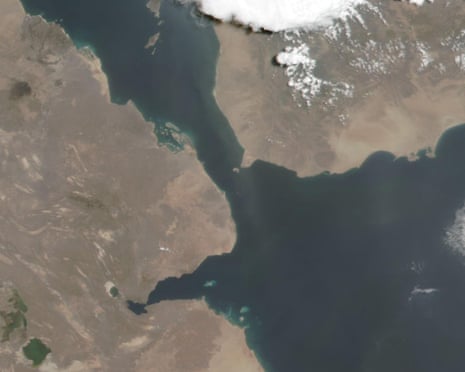
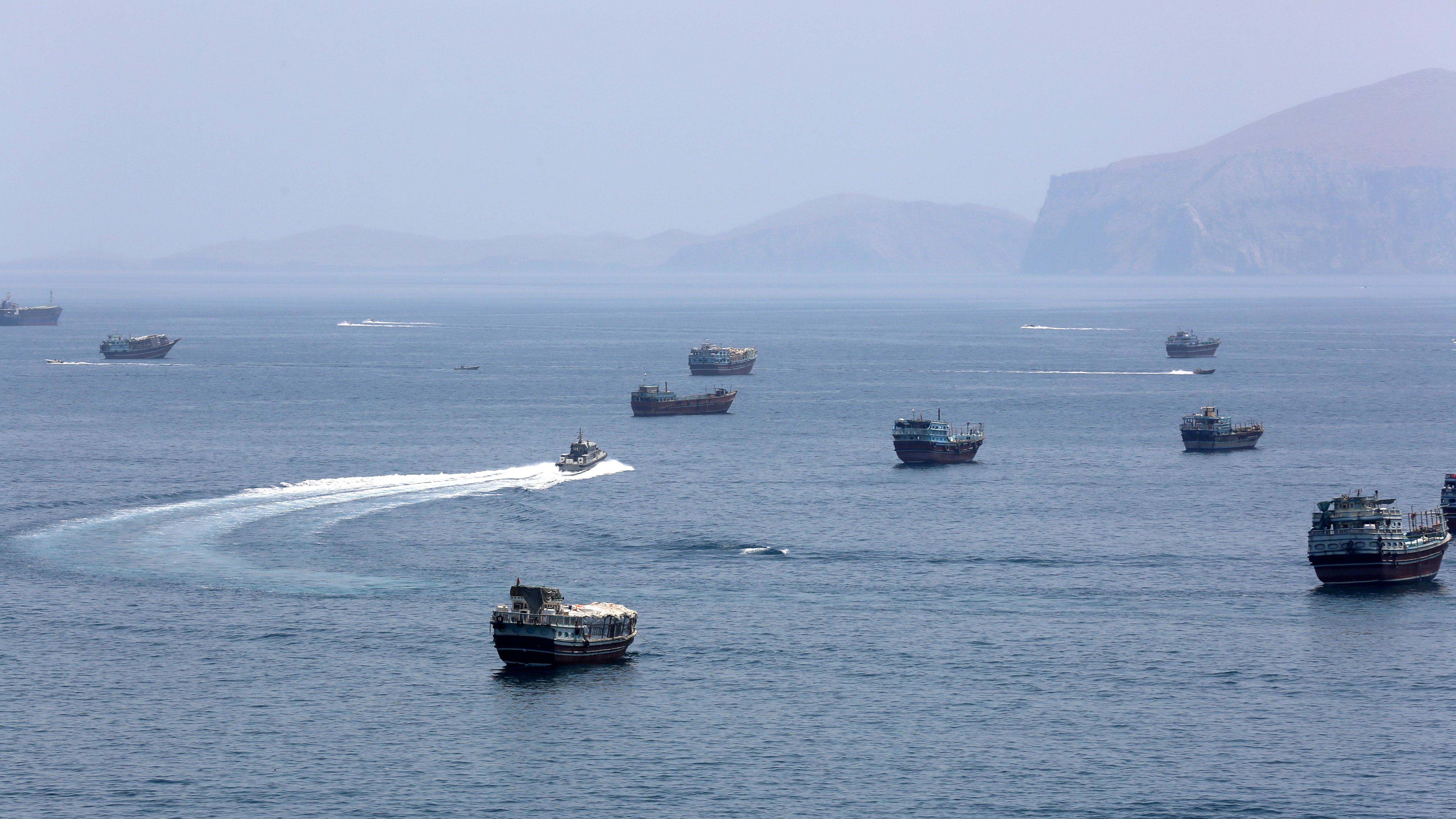
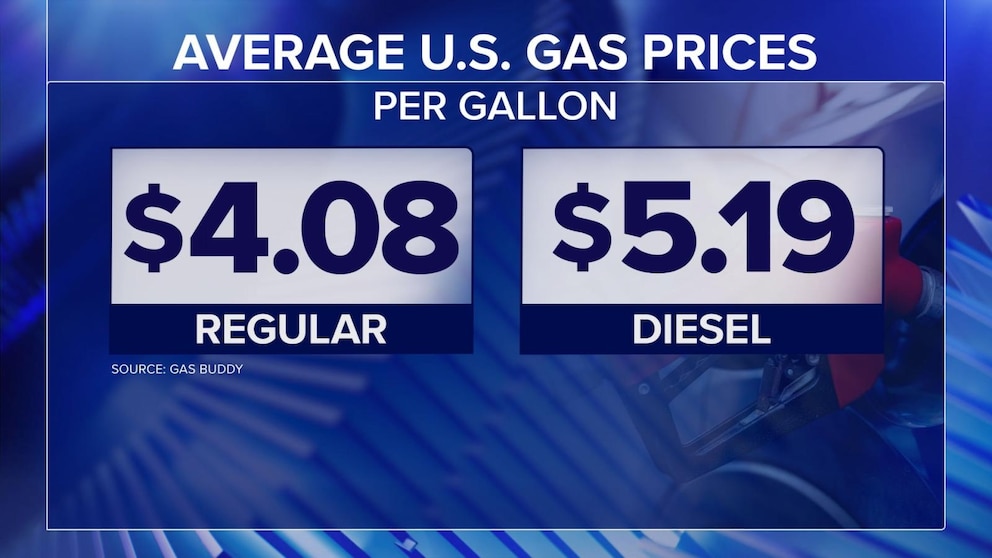
The Middle East escalation has triggered a critical logistics cost crisis for cross-border e-commerce sellers. Oil prices surged above $100 per barrel on Thursday for the first time since May following Houthi attacks on Saudi tankers in the Red Sea, with Brent crude climbing 40% higher than pre-February war levels. The Houthis announced a blockade on Saudi ships and claimed responsibility for striking two Saudi vessels, marking the first attack since the blockade announcement. This escalation occurs amid 12 consecutive nights of U.S.-Iran military exchanges, with Iran substantially restricting the Strait of Hormuz in the Persian Gulf—throttling global oil and gas supplies. US gas prices have risen to $4.09 average, directly impacting logistics costs for sellers shipping inventory globally.
For cross-border e-commerce sellers, elevated oil prices directly increase non-negotiable logistics expenses across all fulfillment channels. Amazon FBA sellers face 8-12% increases in fulfillment costs for shipments exceeding 1,000 units monthly, as fuel surcharges cascade through 3PL providers and shipping carriers. Sellers using DHL, FedEx, and UPS for international shipments will encounter fuel surcharges of 5-8% on top of base rates. The Red Sea shipping disruption forces carriers to reroute via Cape of Good Hope, adding 10-14 days to Asia-to-Europe transit times and increasing per-container costs by $500-2,000. Shopify sellers relying on dropshipping from China and Southeast Asia face margin compression of 5-10% as suppliers pass through fuel costs. eBay sellers in electronics, apparel, and home goods categories—which depend on high-volume, low-margin models—face the most acute pressure, as shipping represents 15-25% of COGS for these categories.
The geopolitical situation shows no near-term resolution, making this a structural cost increase rather than temporary volatility. Neither the United States nor Iran has demonstrated negotiation appetite, with both nations promising retaliatory strikes. Trump signaled unwillingness to negotiate a ceasefire, stating Iran needs "more of the same" following consecutive days of airstrikes. Congressional pushback emerged with House votes (214-208) to halt the Iran war, but the Senate failed to advance similar resolutions (47-49), indicating political gridlock that prevents diplomatic intervention. UN Secretary-General Guterres warned the situation is "getting out of control," calling for immediate intervention—but without political will, sellers must assume sustained elevated fuel costs through Q2 2025. This represents a structural shift where traditional hedging strategies prove insufficient, forcing sellers to immediately recalibrate pricing models and inventory strategies rather than treating this as temporary market noise.
Questions 8
Should I shift my sourcing away from Asia due to Red Sea shipping disruptions?
Shifting sourcing away from Asia is not recommended in the short term (0-6 months), but diversifying sourcing geography should be a 6-12 month strategic initiative. The news indicates Red Sea disruptions add 10-14 days to transit times and $500-2,000 per container, but alternative sourcing regions (India, Vietnam, Mexico) face their own logistics challenges and higher labor costs. For immediate relief, negotiate split shipments with your Asian suppliers—sending 60% via Cape of Good Hope reroute and 40% via air freight to balance cost and speed. For strategic diversification, evaluate Vietnam and India for electronics and apparel categories, where labor costs are 10-15% lower than China and shipping to US/EU markets avoids Red Sea disruptions. This 6-12 month transition allows you to negotiate supplier contracts, establish quality controls, and test new supply chains without disrupting current operations. Avoid panic-driven sourcing changes that lock you into higher-cost suppliers for 12+ months.
How do I calculate the true impact of fuel surcharges on my product margins?
Calculate fuel surcharge impact by multiplying your monthly shipping volume (units × weight) by the fuel surcharge rate (typically 5-8% of base shipping cost) and dividing by total units to get per-unit cost increase. The news reports oil prices climbing 40% above pre-February levels, translating to 5-8% fuel surcharges on carrier rates. For example: 10,000 units/month × 2 lbs average weight × $0.50 base shipping rate × 7% fuel surcharge = $7,000 monthly increase, or $0.70 per unit. If your product has $5 gross margin per unit, this represents a 14% margin compression. Use this calculation to identify which product categories are most vulnerable and prioritize price increases for those categories first. Update your pricing model in your e-commerce platform (Amazon, Shopify, eBay) to reflect this per-unit cost increase, and monitor actual fuel surcharge invoices from carriers to validate your assumptions monthly.