



Air Freight Rates Surge 15-25% as Southwest Cuts Capacity | Seller Logistics Crisis
- Airline fuel costs spike $900M+ in Q2 2026; cargo surcharges expected within 4-8 weeks; sellers must shift to ocean freight or negotiate long-term contracts immediately


-1200x630.jpg)

















Overview
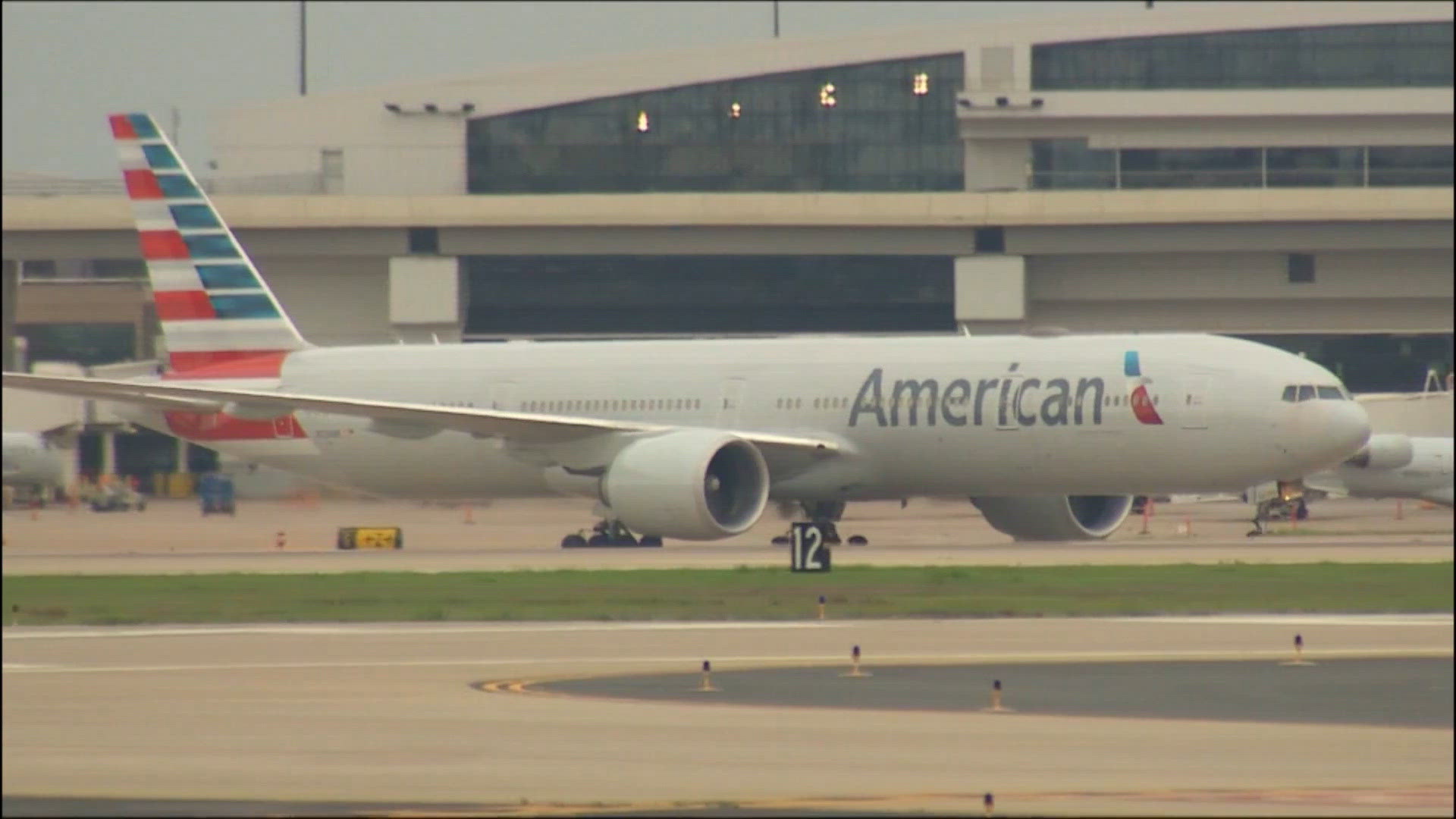
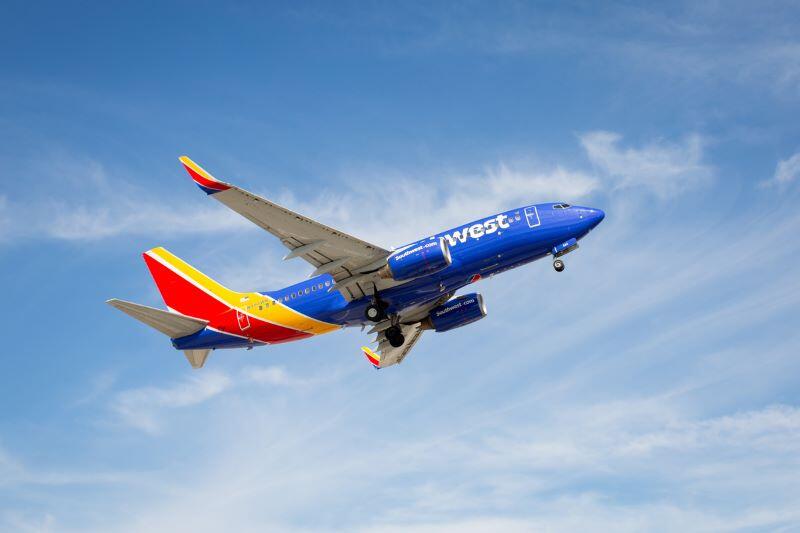
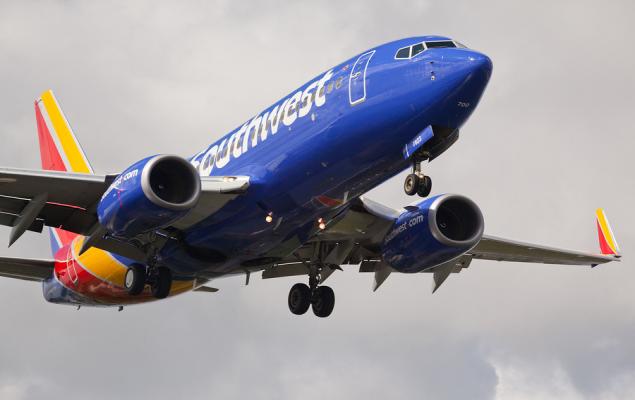
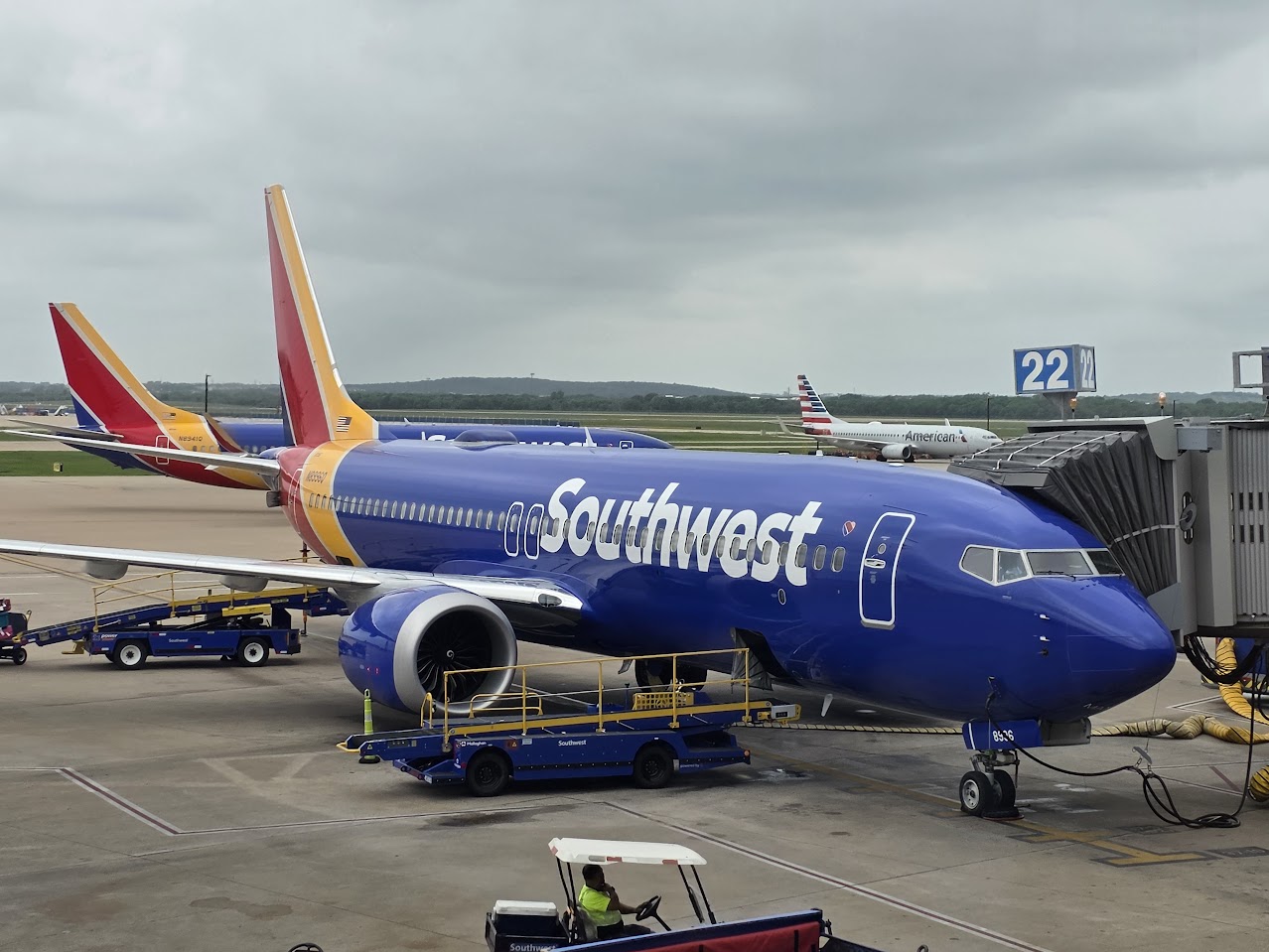
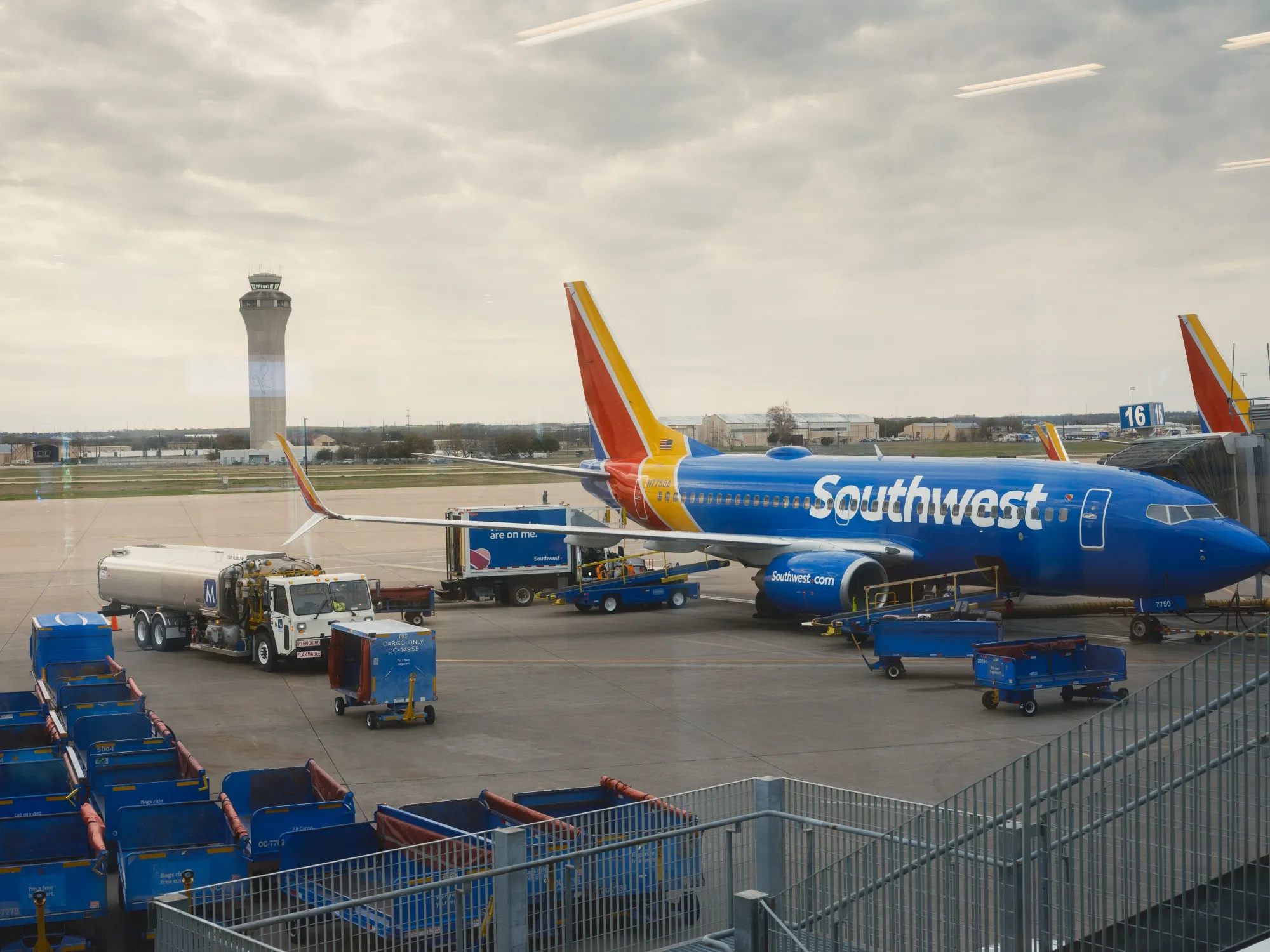
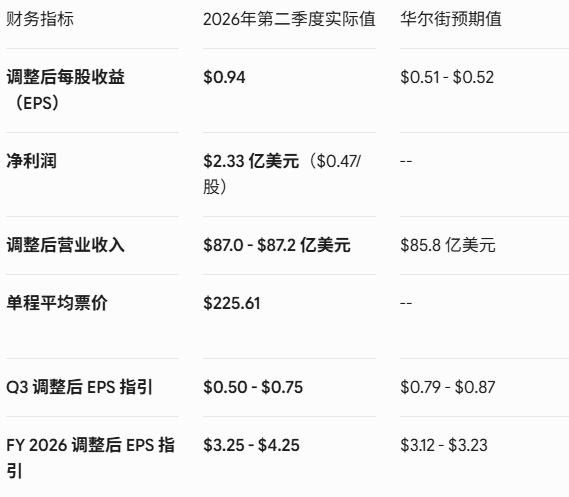
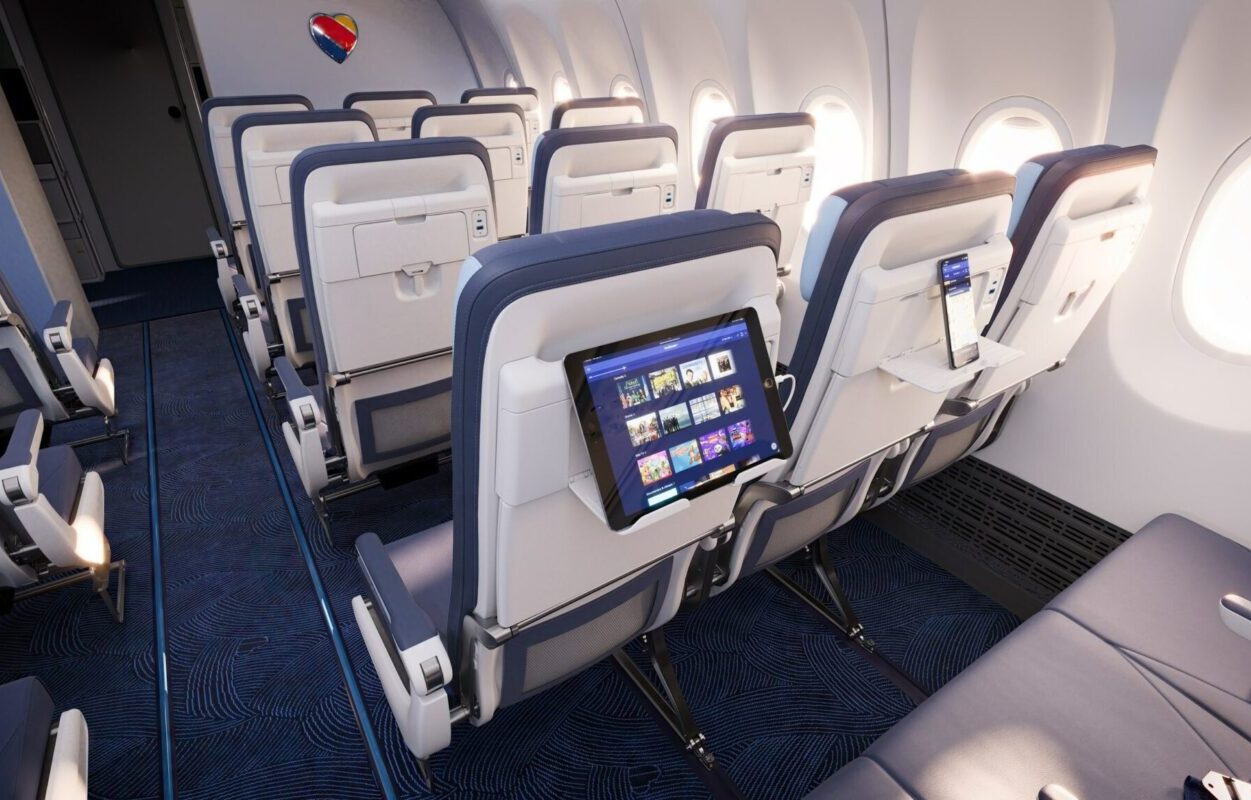
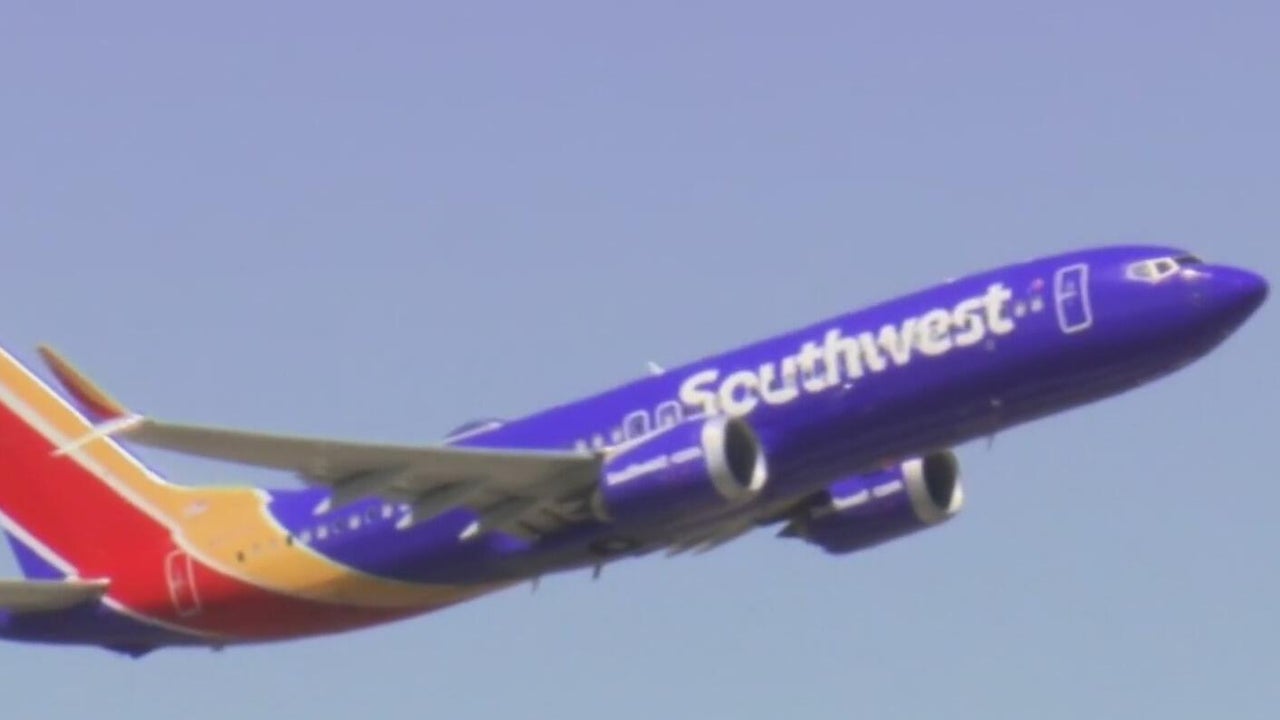
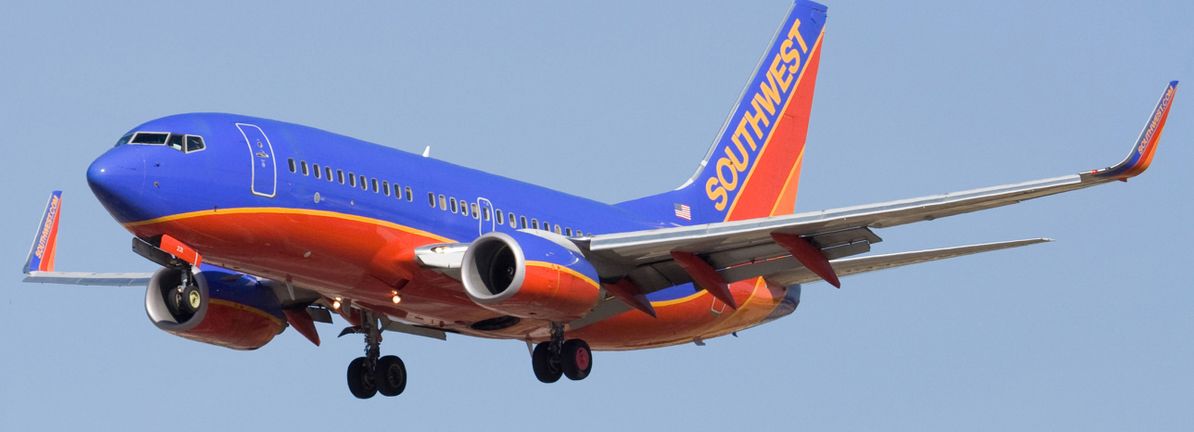
The aviation fuel crisis is triggering an immediate logistics cost shock for cross-border e-commerce sellers. Southwest Airlines' fuel expenses surged nearly $900 million in Q2 2026 compared to the prior year, while United Airlines reported a $575 million fuel increase in Q3 alone—representing a $1.12 hit to adjusted earnings per share. The airline industry's abandonment of fuel hedging strategies means these cost pressures will persist through 2026, with industry analysts warning that airline financial stress typically precedes cargo rate increases within 4-8 weeks. Southwest's decision to cut full-year guidance and consider workforce reductions signals sustained margin compression that will directly translate to higher air freight surcharges and reduced cargo capacity for time-sensitive shipments.
For sellers relying on expedited air freight, this creates an immediate cost crisis. When carriers face margin pressure, they systematically increase fuel surcharges (typically 8-15% of base rates) and reduce available capacity for non-contracted shipments. Sellers shipping perishable goods, electronics, and high-value items requiring fast delivery to international markets face the steepest impact. The West Coast's heavy reliance on fuel imports—demonstrated by Southwest's unprecedented May 2026 barge operation shipping 12.6 million gallons from Texas to California through the Panama Canal—reveals structural supply vulnerabilities that will keep fuel prices elevated. Airlines are responding by raising fares and scaling back capacity growth, meaning air cargo space will become increasingly scarce and expensive through 2026.
The strategic response requires immediate action across three logistics dimensions. First, sellers should shift 30-50% of time-sensitive inventory from air freight to ocean freight where timeline permits—ocean freight costs $0.80-1.20/kg versus air freight at $3.50-5.50/kg, creating 60-70% savings despite 14-21 day transit times. Second, negotiate 6-12 month fixed-rate air freight contracts NOW before surcharges are implemented; carriers typically lock rates 2-4 weeks before increases. Third, reposition inventory strategically: stock 8-12 weeks of fast-moving SKUs in destination markets (US West Coast, EU, Asia-Pacific) to reduce reliance on expedited air shipments. For sellers shipping electronics to North America, consider shifting sourcing from Asia to Mexico/Central America (3-5 day ocean freight to US West Coast) to reduce air freight dependency. Monitor Southwest's quarterly earnings reports and fuel hedging announcements as leading indicators of cargo rate changes—the airline's reduced outlook suggests sustained pressure through 2025-2026.
Questions 8
Should I shift from air freight to ocean freight for my e-commerce shipments?
Yes, for non-urgent shipments. Ocean freight costs $0.80-1.20/kg versus air freight at $3.50-5.50/kg, creating 60-70% savings despite 14-21 day transit times. For sellers shipping electronics or apparel to North America, ocean freight via Panama Canal (12-16 days) or direct routes (18-21 days) is now more cost-effective than air. However, maintain air freight for perishable goods, high-value items, and time-sensitive categories where speed justifies the premium. The strategic approach is shifting 30-50% of inventory to ocean freight while keeping air freight for products with margin tolerance above 40%.
What inventory positioning strategy should I implement now?
Stock 8-12 weeks of fast-moving SKUs in destination markets (US West Coast, EU, Asia-Pacific fulfillment centers) immediately. This reduces reliance on expedited air shipments and locks in current inventory holding costs before air freight surcharges spike. For sellers with $500K+ monthly revenue, allocate 15-20% of inventory budget to pre-positioning in regional 3PL warehouses. Prioritize high-turnover categories (electronics, beauty, apparel) where 8-12 week inventory cycles are sustainable. This strategy costs $2,000-5,000/month in additional storage but saves $8,000-15,000/month in avoided air freight surcharges—a 3-4 month payback period.