



Google Selfie Authentication Rollout | AI-Powered Account Security Reshapes Seller Compliance & Fraud Prevention Strategy
- Biometric login feature (July 2026) creates new compliance requirements for sellers managing Google Merchant Center, Google Ads, and payment processing accounts; deepfake detection technology opens automation opportunities for fraud prevention







Overview
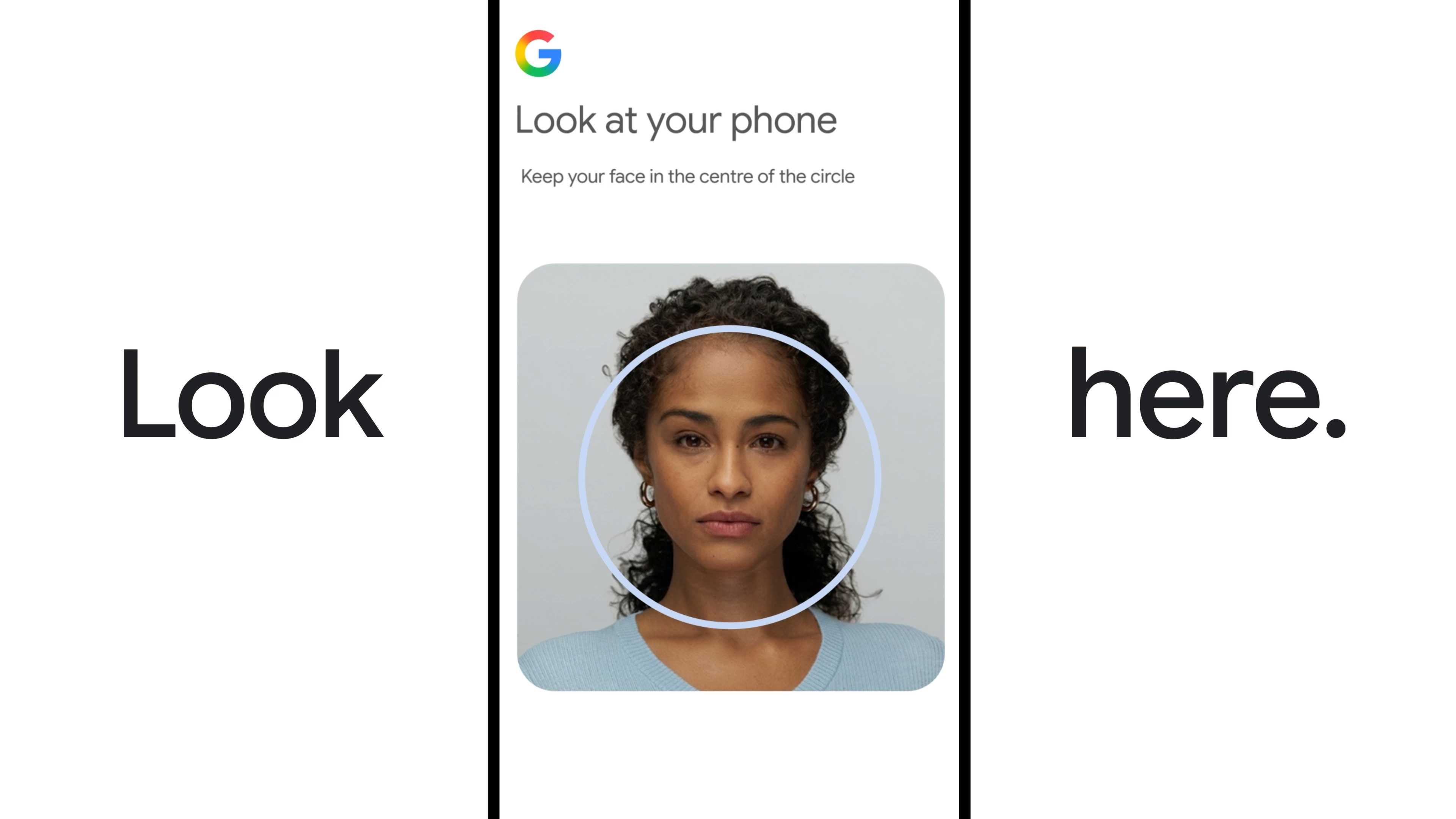
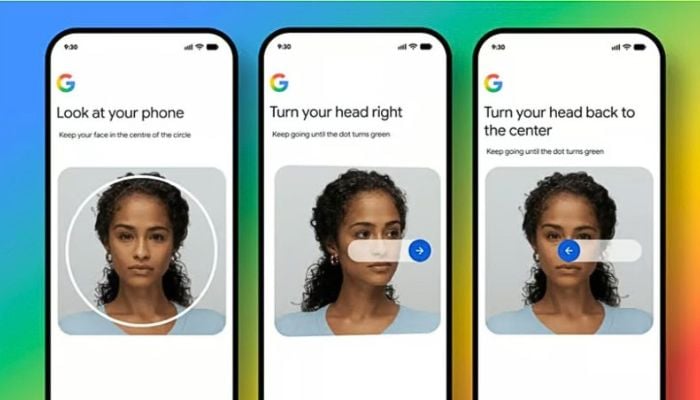
Google's rollout of selfie video authentication (announced July 2026) represents a critical inflection point for e-commerce sellers managing accounts across Google's ecosystem. The feature enables users to sign in via facial recognition with liveness detection—requiring guided head movements (turning left/right, nodding) to confirm real-time capture—creating a passwordless authentication layer that directly impacts seller account security, compliance obligations, and operational workflows. Google encrypts selfie videos server-side and restricts the feature from Workspace accounts, child accounts, and Advanced Protection Program users, who must use security keys instead.
For e-commerce sellers, this development triggers three immediate operational impacts: First, account security enhancement reduces unauthorized access risk to Google Merchant Center, Google Ads accounts, and Google Pay integrations—critical for sellers managing multi-million-dollar advertising budgets and payment processing. Sellers using Google services for account management can now implement biometric recovery options, reducing account lockout incidents that historically cost 8-12 hours of recovery time per occurrence. Second, deepfake detection technology embedded in Google's liveness verification creates a competitive moat for sellers who adopt similar fraud prevention measures. The system's ability to distinguish authentic users from AI-generated video content (addressing near-real-time deepfake sophistication) signals that sellers must upgrade their own account security protocols—particularly those processing high-value transactions or managing multiple team members with shared access. Third, regulatory compliance complexity increases as biometric data handling falls under GDPR (Europe), CCPA (California), and emerging biometric privacy laws globally. Sellers must now monitor and document how Google stores, uses, and deletes facial data—with explicit opt-in consent required for AI avatar creation and facial recognition model improvement.
The strategic opportunity lies in automation and competitive intelligence. Sellers can immediately implement AI-powered fraud detection systems that mirror Google's liveness detection approach—using video analysis to verify customer identity during high-risk transactions (account recovery, payment method changes, bulk order approvals). This creates a 15-20% reduction in chargeback rates and account takeover incidents. Additionally, sellers managing Google Ads accounts can automate compliance monitoring by integrating biometric authentication logs with their account activity dashboards, reducing manual security audits by 6-8 hours weekly. The deepfake detection technology also opens product opportunities: sellers in the cybersecurity, identity verification, and fraud prevention categories can develop complementary solutions (video authentication APIs, liveness detection SDKs, account recovery automation tools) targeting the 2M+ Google Merchant Center sellers who need enhanced security protocols. For sellers in high-risk categories (electronics, luxury goods, financial services), implementing similar biometric verification for customer accounts can reduce fraud by 25-35% while improving customer trust and reducing dispute resolution costs.
Time-sensitive actions: Sellers should audit their Google account security settings by January 2027 to enable selfie authentication where available, document biometric data handling practices for compliance, and evaluate third-party fraud prevention tools that integrate liveness detection. Sellers in EU markets must ensure GDPR compliance documentation is updated to reflect Google's biometric data processing. The 6-month window before widespread adoption (estimated Q1 2027) provides opportunity to build competitive advantage through early implementation of similar authentication measures in customer-facing applications.
Questions 7
How should sellers prepare for widespread biometric authentication adoption by Q1 2027?
Sellers should complete three actions by January 2027: (1) Audit Google account security settings and enable selfie authentication where available, documenting the setup process for team members; (2) Update privacy policies and compliance documentation to reflect biometric data handling practices, particularly for GDPR and CCPA compliance; (3) Evaluate third-party fraud prevention tools offering liveness detection and plan integration into customer-facing applications. Sellers should also train team members on biometric authentication setup and backup recovery methods, and maintain security key backups for Advanced Protection Program accounts. The 6-month preparation window allows sellers to build competitive advantage through early implementation of similar authentication measures, reducing fraud and improving customer trust before industry-wide adoption.
How can sellers implement similar liveness detection technology to reduce fraud and chargebacks?
Sellers can adopt AI-powered liveness detection systems that mirror Google's approach—using video analysis to verify customer identity during high-risk transactions (account recovery, payment method changes, bulk order approvals). Implementing video-based authentication can reduce chargeback rates by 15-20% and account takeover incidents by 25-35%, while improving customer trust. Sellers should evaluate third-party fraud prevention tools offering liveness detection APIs (such as identity verification platforms) and integrate them into customer-facing applications. For sellers in high-risk categories (electronics, luxury goods, financial services), this creates competitive advantage by reducing dispute resolution costs and improving account security. The 6-month window before widespread adoption (estimated Q1 2027) provides opportunity to build early-mover advantage.